
Vintage Brown Dresser
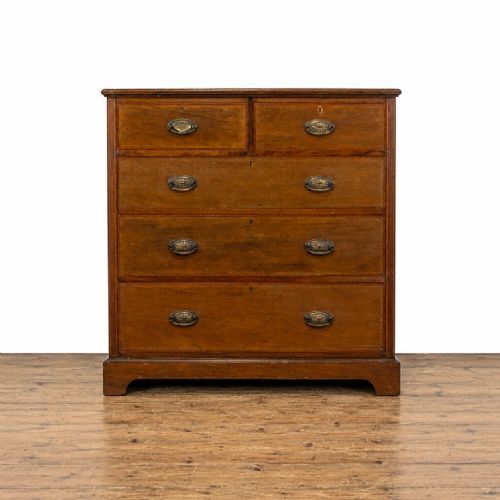
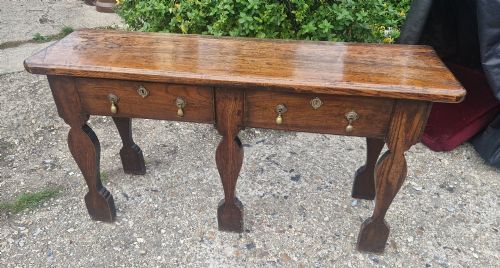
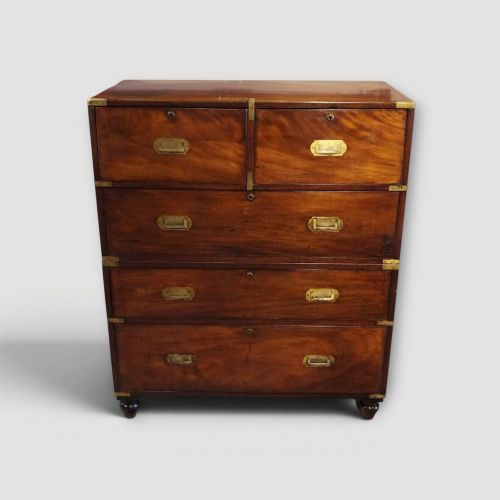
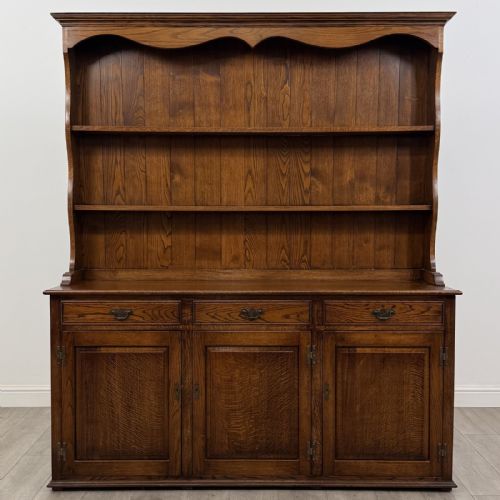
A vintage brown dresser encompasses substantial oak and mahogany chests of drawers, sideboards, and cupboards spanning centuries of domestic utility and design.
Vintage Brown Dresser
A vintage brown dresser brings together functional storage furniture in timber tones, predominantly manifesting as chests of drawers, sideboards, and cupboards. These pieces bridge multiple eras, stretching from seventeenth-century oak through Georgian and Victorian epochs into twentieth-century iterations.
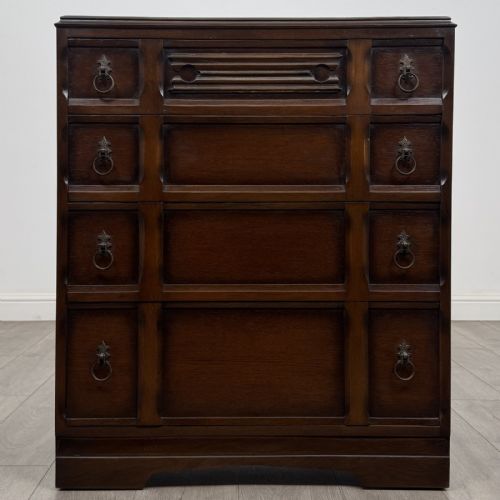
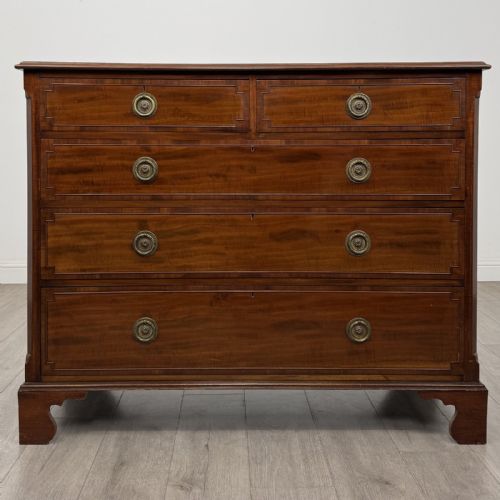
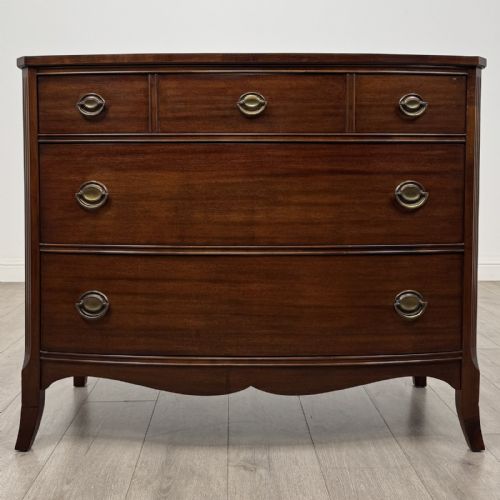
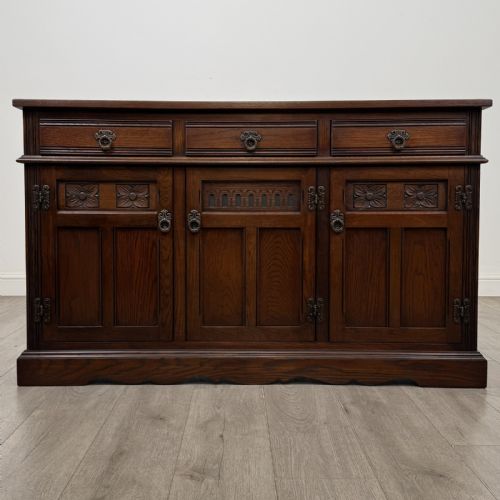
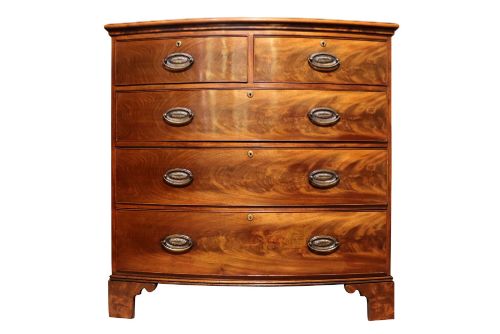
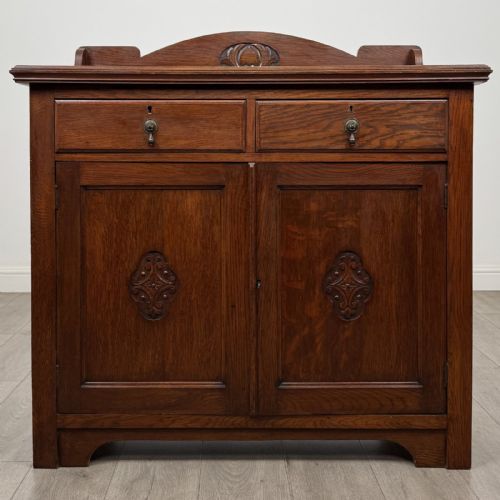
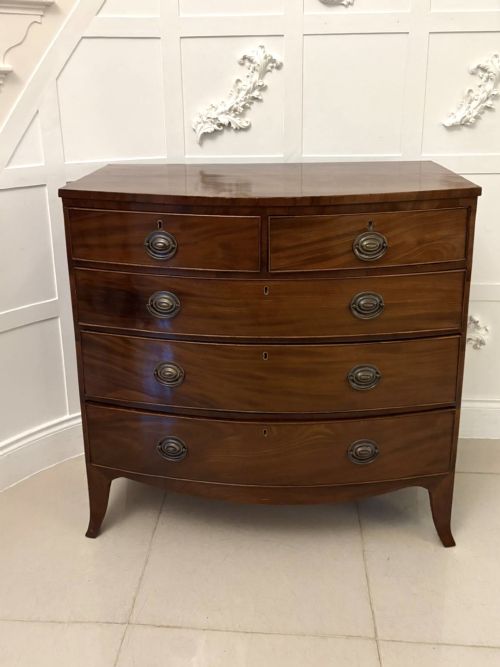
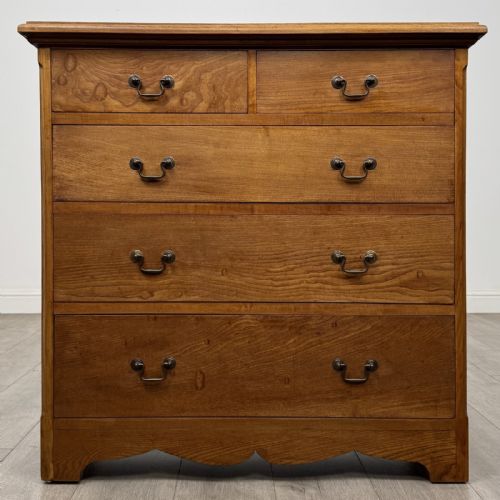
The selection on this page relies heavily on sturdy oak and rich mahogany formats, often configured with multiple graduated drawers, raised galleries, or brass handles. Buyers encounter everything from compact Edwardian examples to grand eighteenth-century specimens.
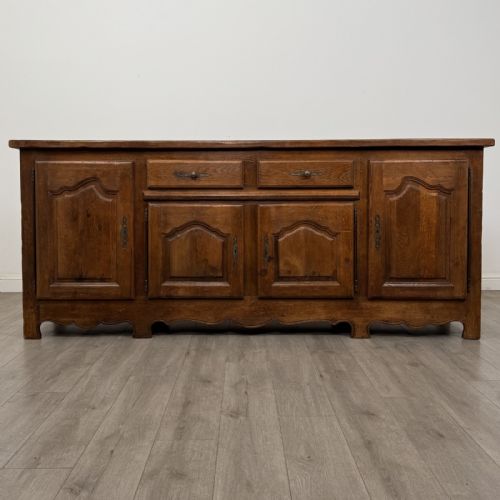
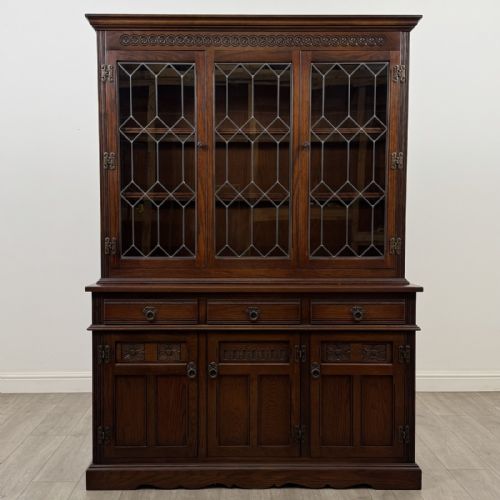
Sideboards, dresser bases, and display cabinets also populate this category, providing deep storage and surface display. Each piece reflects the domestic requirements of its respective period, from simple country utility to formal parlour presentation.
Materials and Technique
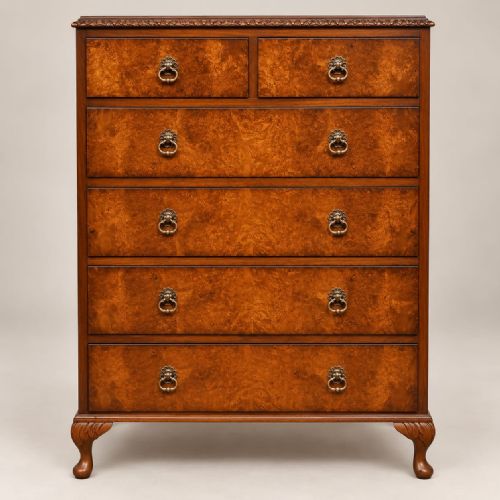
Cabinet makers relied on robust native and imported timbers, notably oak, mahogany, and walnut, frequently selecting burr or figured veneers for visual depth. Construction methods prioritised durability, employing dovetailed drawer joints and solid timber panels.
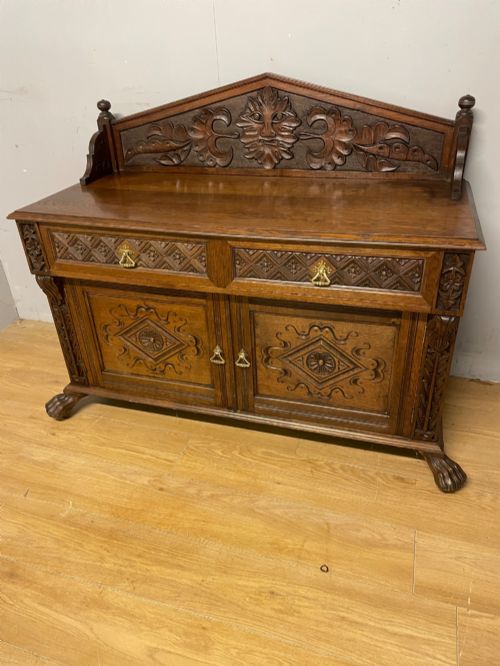
Metal hardware such as brass handles, drop pulls, and cup handles complemented the dark timber surfaces, alongside carved decorative elements like green man motifs, bracket feet, and bun feet. Glazed doors in cabinets and inlaid banding further defined the aesthetic finish.
Design styles represented include Georgian, Victorian, Art Deco, Jacobean Revival, Arts and Crafts, and French Provincial.
Design and Execution
Quality rests in the selection of timber figure, such as highly grained burr walnut or carefully matched mahogany veneer, balanced against structural integrity. Superior examples display refined proportions, crisp carving, and original brass hardware rather than later replacements.
The precision of drawer construction, including tight dovetails and smooth operation within the carcase, distinguishes high-grade pieces from utility furniture. Integration of decorative details like bracket feet, inlaid stringing, or shaped aprons elevates the overall craftsmanship.
The Vintage Brown Dresser Glossary
- Bracket foot
- A foot forming a solid corner bracket beneath a piece of case furniture, often shaped with an ogee curve. This style supports chests and cabinets from the Georgian period onwards.
- Bow front
- A convex curved front facade typical of certain nineteenth-century mahogany and satinwood chests of drawers. This shape softens the angular appearance of large case furniture.
- Burr walnut
- A decorative wood veneer taken from the wart or burl growths of a walnut tree, showing swirling, intricate grain patterns. It was frequently utilised on high-status Art Deco and earlier cabinet work.
- Raised gallery
- A low decorative upstand attached to the rear or sides of a tabletop, sideboard, or chest. It prevents items from sliding off the surface.
- Dovetail
- A traditional interlocking joint utilised in drawer construction, formed by interlocking wedge-shaped fingers. This joint provides exceptional tensile strength without relying on metal fasteners.
Vintage Brown Dresser: Frequently Asked Questions
How do I identify a Georgian chest?
Georgian chests generally feature dense mahogany or oak construction, clean proportions, and disciplined classical lines.
Key indicators include hand-cut dovetails, bracket or ogee feet, and period-appropriate brass hardware.
Where were these pieces used?
These brown wooden items served primarily in dining rooms, bedrooms, and halls as practical storage for textiles, tableware, and documents.
Sideboards and dresser bases managed dining provisions, while tall chests and cupboards organised personal garments.
How do I care for antique timber?
Maintain timber furniture by keeping it away from direct heat sources and fluctuating humidity to prevent wood splitting and veneer lifting.
Apply quality beeswax sparingly and buff gently with a soft cloth to nourish the grain without building up heavy residues.