

Vintage Brown Drawers
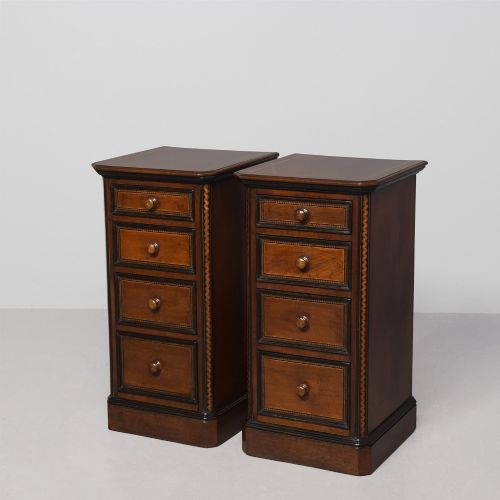
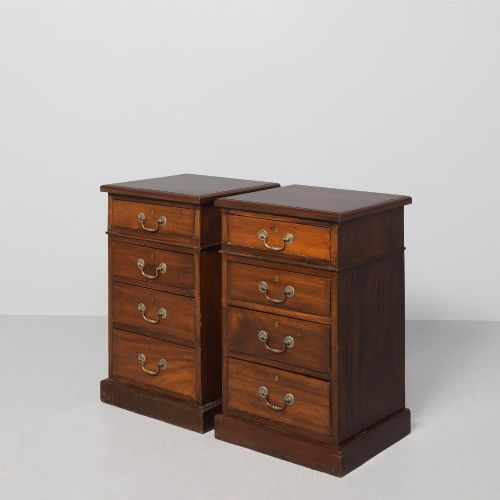
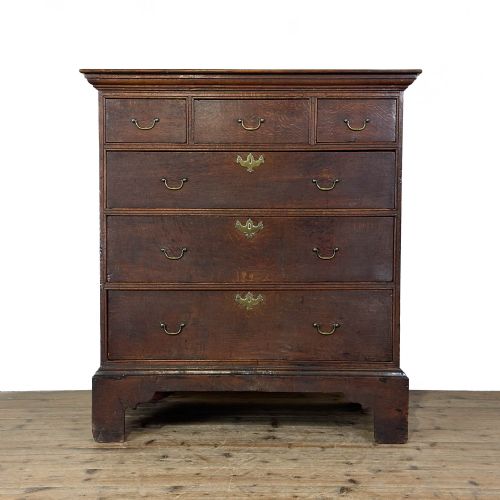
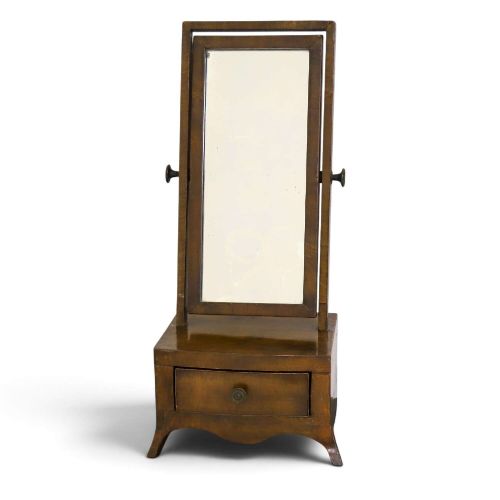
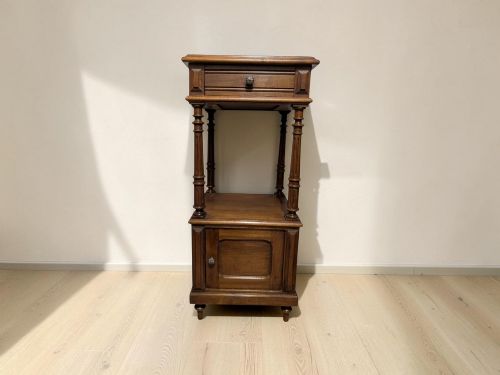
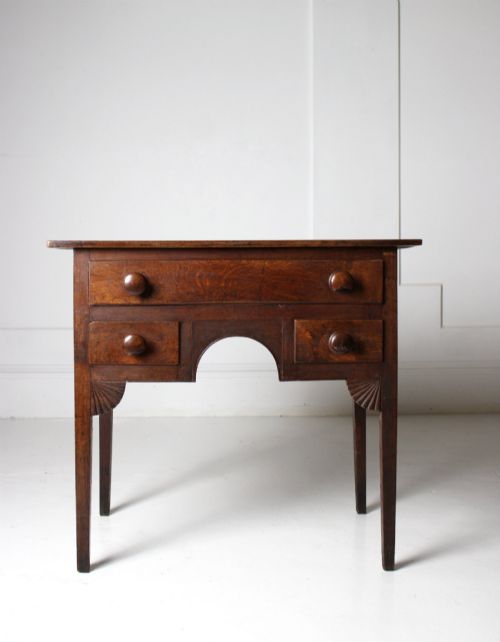
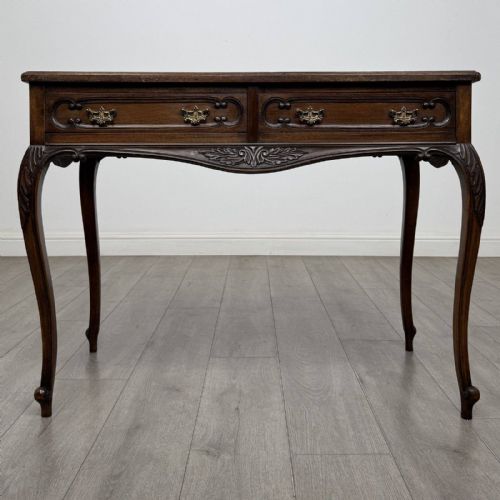
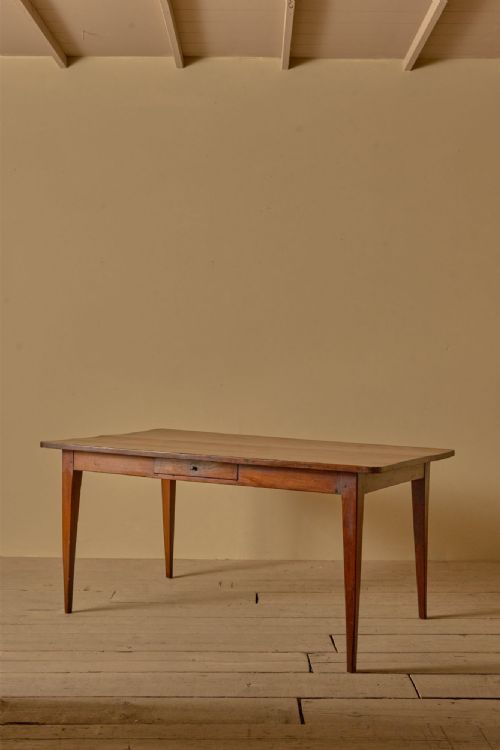
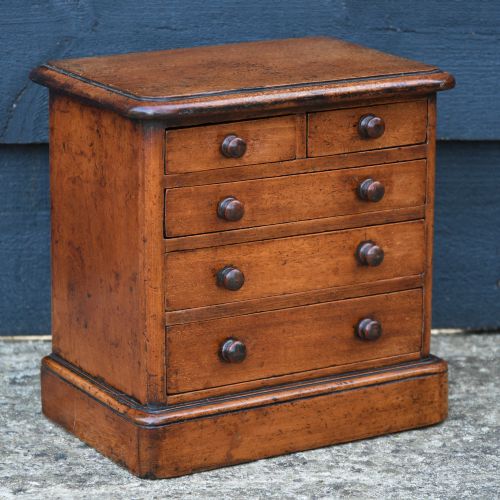
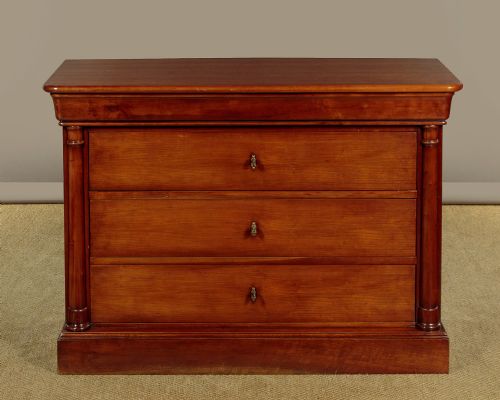
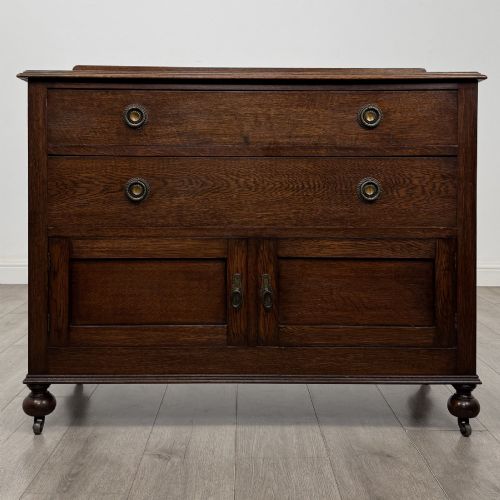
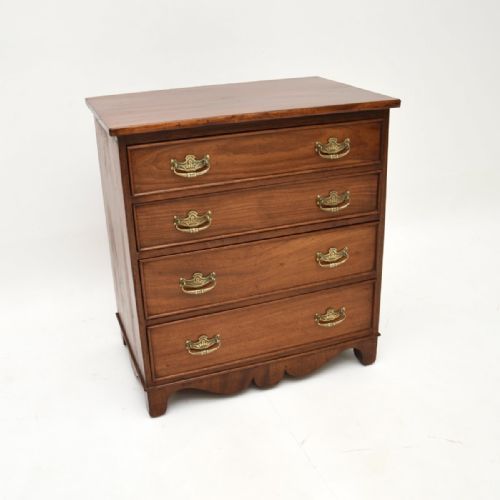
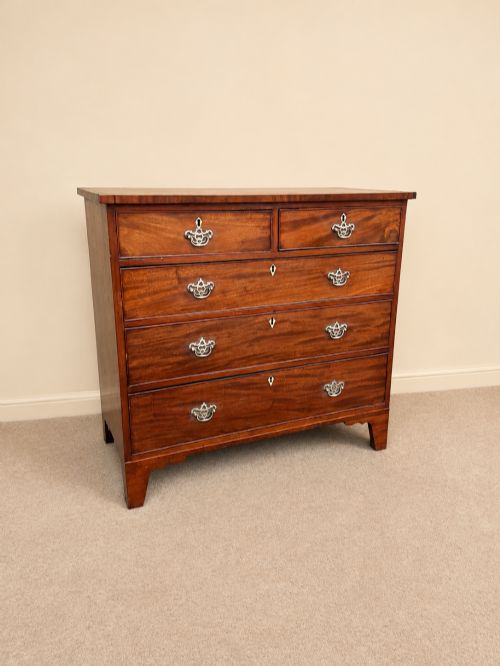
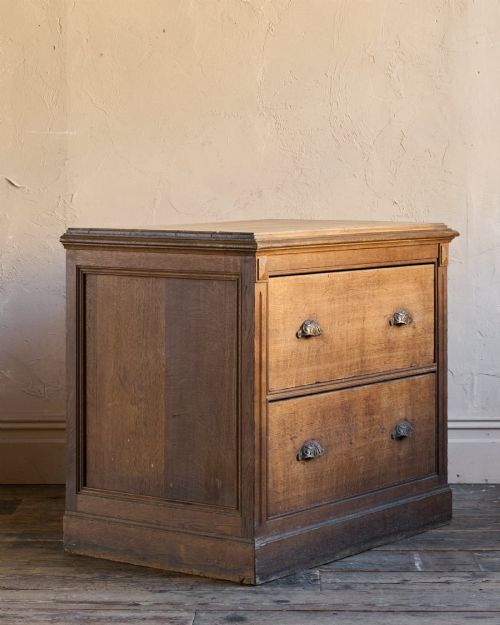
These vintage brown drawers encompass robust oak, rich mahogany and figured walnut pieces shaped across centuries of cabinet making.
Vintage Brown Drawers
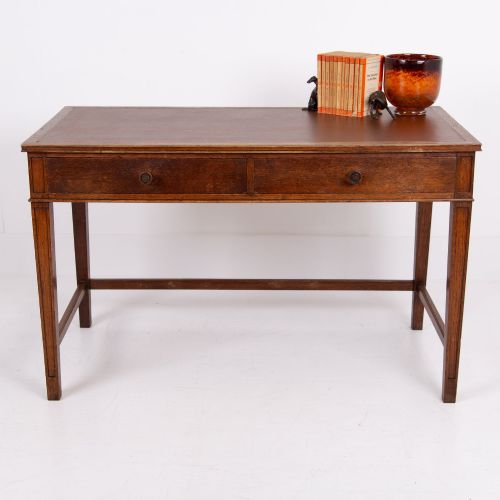
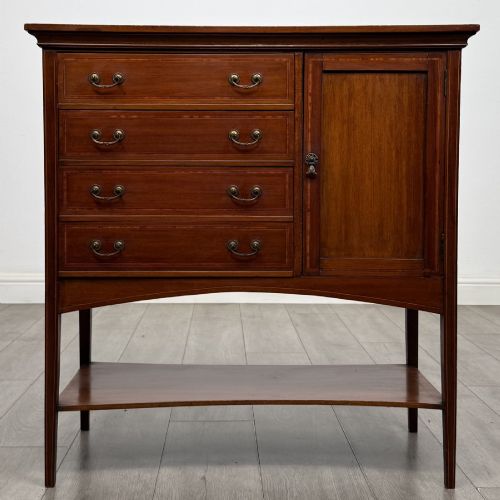
Vintage brown drawers cover a wide range of functional storage furniture spanning from the eighteenth century through to the early twentieth century. When searching for vintage brown drawers, buyers frequently encounter mahogany and oak chests of drawers, pedestal desks, and bedside tables dating from the Georgian, Victorian, and Edwardian periods. These pieces serve practical storage roles while displaying the deep timber tones characteristic of traditional domestic interiors.
The selection includes serpentine chests, bow front variants, and tallboys alongside smaller bedside tables and specialised writing desks. Oak and mahogany dominate the offerings, often shaped with bracket feet, raised galleries, or brass fittings. Each piece reflects the utility and design priorities of its respective era, ranging from austere campaign furniture to decorative revival styles.
Materials and construction
Cabinet makers relied primarily on solid mahogany, oak, and walnut timber boards, frequently applying burr walnut veneers to drawer fronts for visual depth. Secondary timbers like pine often formed the internal linings of drawers and carcass backs. Brass handles, swan neck pulls, and occasional ormolu mounts provided operational hardware and decorative contrast against the dark wood surfaces.
Joinery techniques involved traditional dovetailing for drawer construction and sturdy mortise and tenon joints for frames and legs. Surfaces were typically finished with hand-applied polishes or waxes that enhanced the natural grain patterns of the timber over decades of use.
Vintage Brown Drawers Retail Price Guide 2026
Typical asking prices for vintage brown drawers among the pieces listed under this phrase on Sellingantiques today, from the lower quarter to the upper quarter. They describe what is for sale here now, not the wider market.
Listings feature items dated from the seventeenth century through to the 1930s, constructed predominantly in mahogany, oak, and walnut.
Determinants of quality
Quality in these brown storage pieces rests upon timber selection and the precision of the underlying joinery. Superior examples utilise finely figured veneers or dense, well-seasoned primary woods paired with hand-cut dovetails that remain tight and true. The retention of original hardware, such as brass drop handles and working locks with keys, elevates a piece significantly.
Proportion and decorative restraint also separate finer examples from utilitarian ones. Pieces featuring balanced proportions, subtle string inlay, or well-executed carved details demonstrate superior craftsmanship compared to plain or heavily restored alternatives.
The Vintage Brown Drawers Glossary
- Bow front
- A convex curved cabinet or drawer front that swells outward in the centre. This shape gained popularity during the Georgian and Regency periods to soften room angles.
- Dovetail
- A joint formed by interlocking wedge-shaped fingers, commonly used in drawer construction. Hand-cut dovetails indicate older, pre-machine manufacturing methods.
- Cartonnier
- A desktop cabinet fitted with multiple horizontal compartments or drawers for holding papers. These decorative storage units were frequently mounted with ormolu.
- Tallboy
- A tall chest of drawers made in two stacked sections, often a smaller chest sitting atop a larger base. They maximise vertical storage capacity in bedrooms.
- Gallery
- A raised ornamental border running along the top edge of a table, desk, or stand. It prevents items from rolling off the surface.
Vintage Brown Drawers: Frequently Asked Questions
How do I date a mahogany chest?
Examination of internal drawer construction provides the clearest chronological indicator for mahogany chests. Hand-cut dovetails, secondary wood linings like oak or pine, and the style of the brass handles help place a piece within the Georgian, Victorian, or Edwardian eras.
Subtle shifts in proportions and foot design further refine the timeline. Bracket feet and straight lines generally point to the eighteenth century, while plinth bases or turned feet frequently align with later Victorian production.
What is burr walnut veneer?
Burr walnut is a decorative wood veneer sliced from tree growths or burls, producing complex, swirling grain patterns. Cabinet makers applied these thin sheets over stable base woods on prominent surfaces like drawer fronts.
This technique creates rich visual movement and depth that solid timber rarely achieves. It appears frequently on pieces dating from the early twentieth century and earlier revival periods.
How do I care for antique wood?
Maintenance requires keeping wooden furniture away from direct heat sources and strong sunlight, which dry out timber and crack old finishes. Regular dusting with a soft, dry cloth preserves the polished surface without stripping underlying wax.
Occasional application of traditional beeswax feeds the timber and maintains its soft lustre. Modern silicone-based polishes should be avoided because they build up residue and damage historic finishes.
Are campaign chests different?
Campaign chests were built in two separate modular sections designed for easy transport by military officers on active service. They feature recessed brass pull handles and corner brackets to prevent snagging during transit.
These pieces use durable timbers like mahogany or camphor wood to withstand rough handling. Their distinct modular structure and flush hardware set them apart from standard domestic chests of drawers.