
Vintage Brown Chest
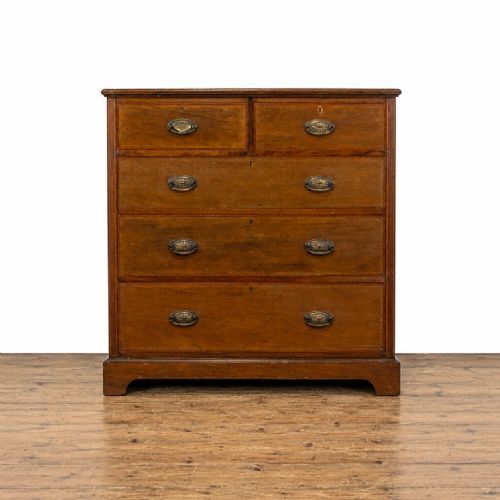
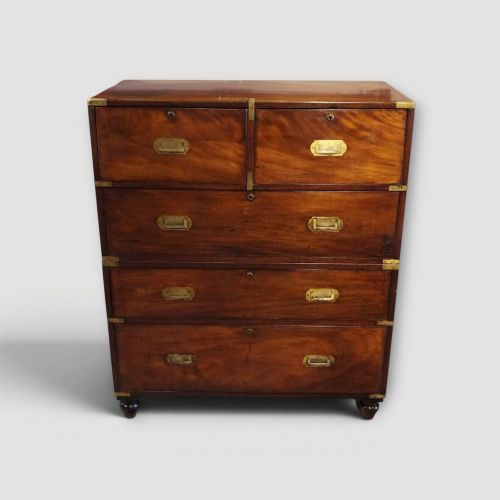
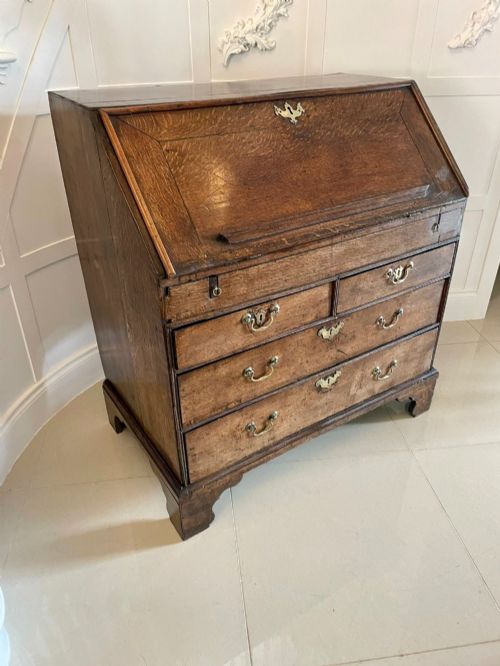
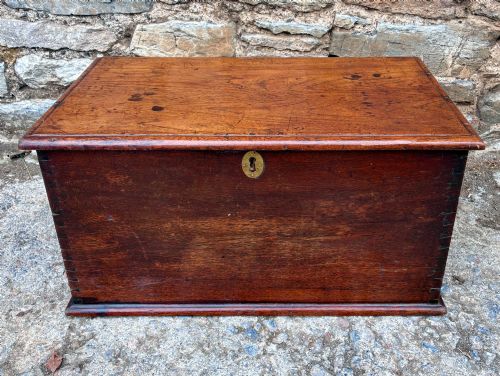
A vintage brown chest provides practical storage through enduring materials like mahogany, oak, and walnut across Georgian, Victorian, and later periods.
Vintage Brown Chest
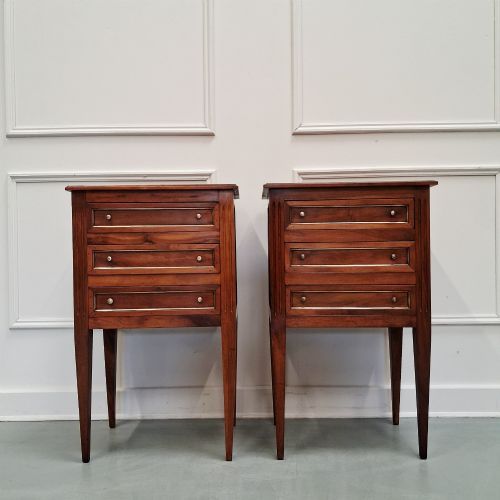
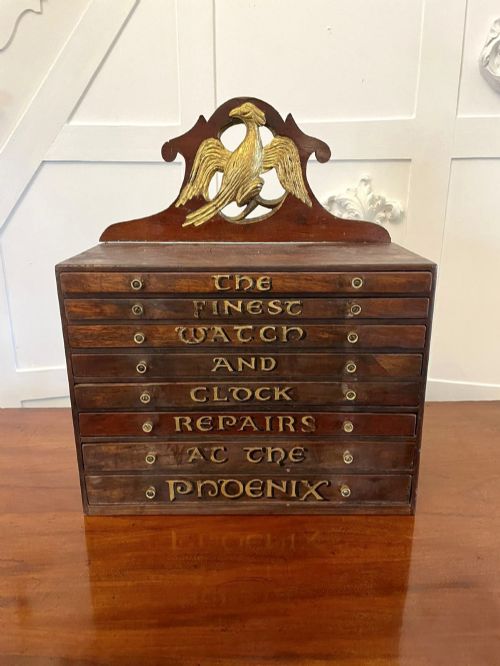
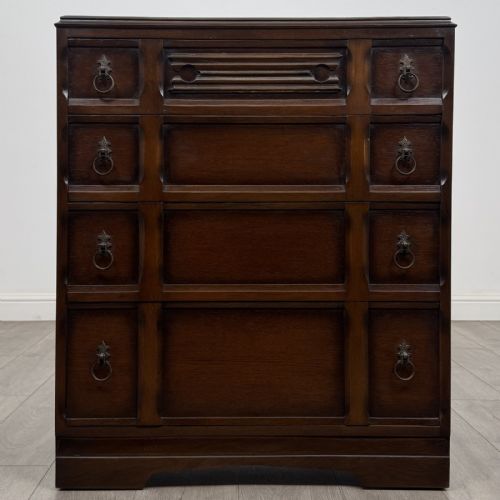
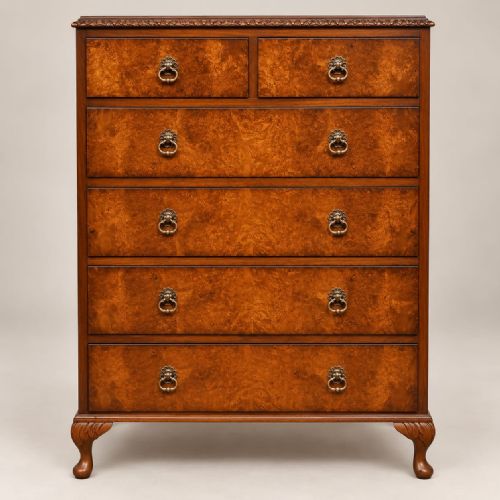
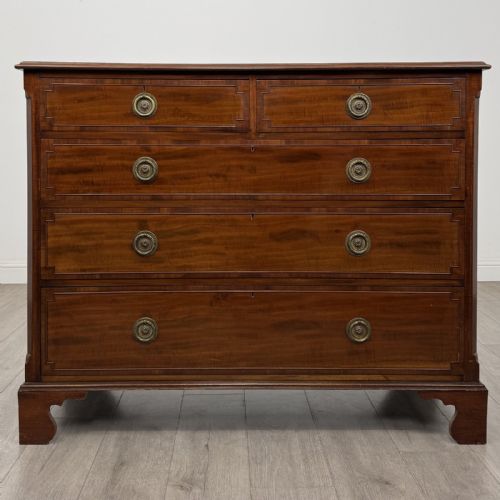
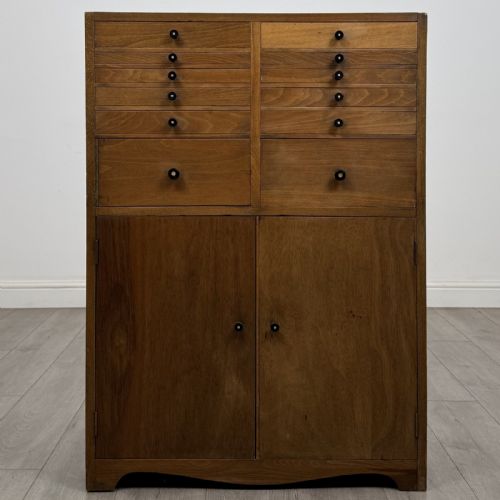
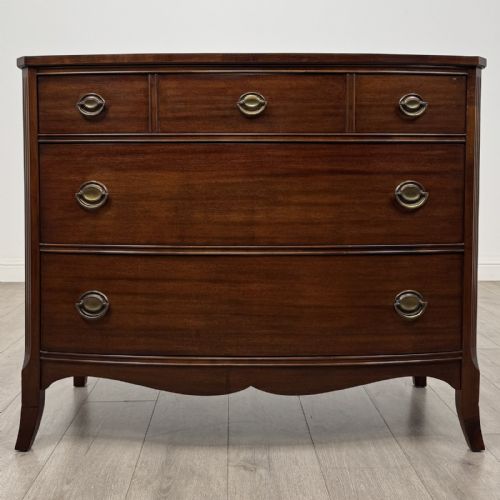
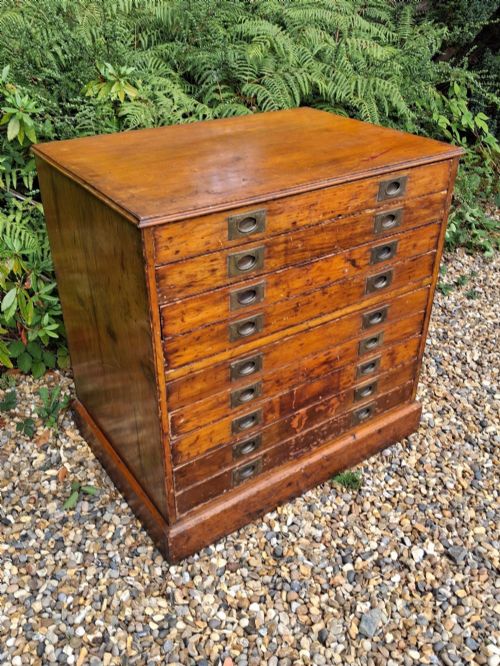
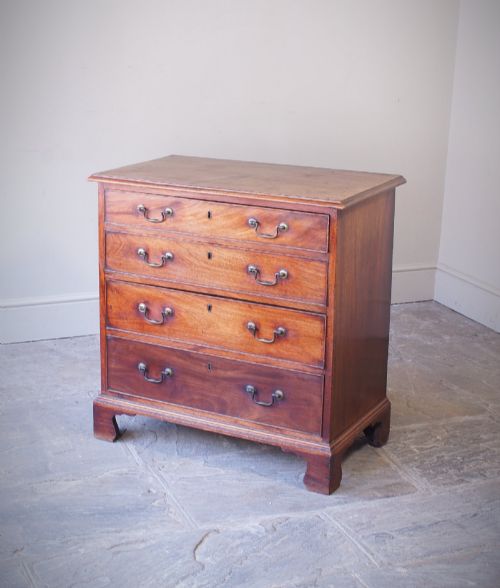
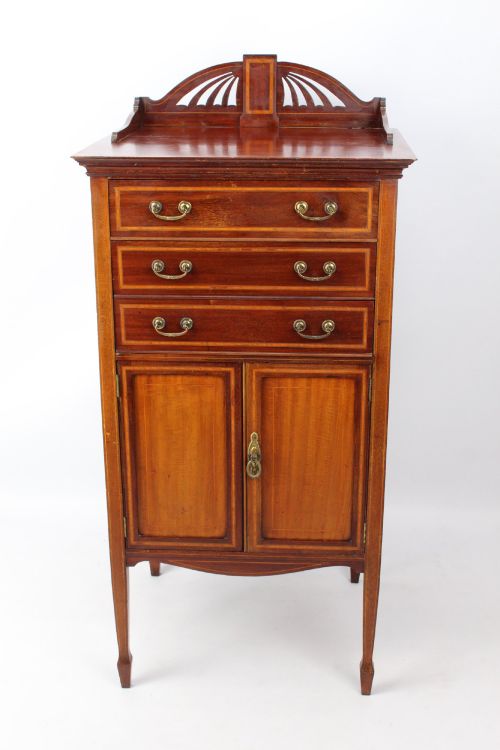
A vintage brown chest encompasses a diverse group of storage furniture found on this page, ranging from Georgian and Victorian chests of drawers to Edwardian music cabinets and 1920s plan chests. Buyers seek these pieces for their combination of functional compartment storage and rich wooden tones.
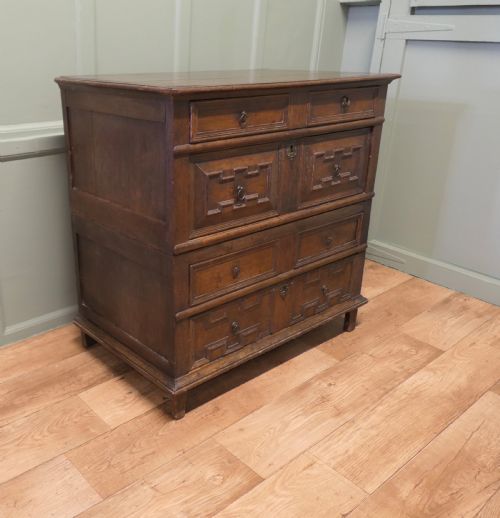
The selections span multiple centuries, showing the evolution of storage forms from 18th-century oak garret chests and walnut chests on chest to early 20th-century bow fronts and tallboys. Oak, mahogany, and walnut dominate the offerings, appearing in both solid construction and figured veneers.
Materials and construction
Cabinet makers utilised dense hardwoods such as mahogany, oak, walnut, and ash, frequently embellishing surfaces with burr walnut or figured veneers and marquetry details. Structural integrity relies on traditional joinery methods, supplemented by decorative brass handles, cup handles, and iron or brass binding.
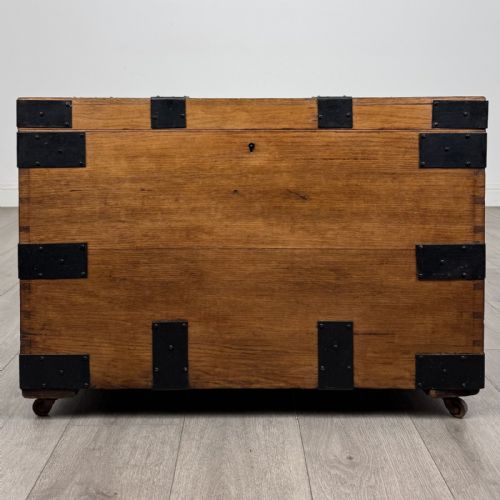
Many examples incorporate specialised hardware and functional additions such as raised galleries, bun feet, castors, and locking mechanisms with keys. Secondary treatments include glass components, marble tops, and leather upholstery studs, reflecting the specific utility intended for each cabinet or trunk.
The listings feature diverse forms including dressing tables, storage cabinets, steamer trunks, and music cabinets alongside standard chests of drawers.
Distinctions in quality
Quality varies according to the selection of timber figure, such as highly figured burr walnut or select mahogany, and the precision of the cabinet work. Superior pieces demonstrate refined proportions, such as slim tallboy configurations or well-executed bow fronts, alongside matching grain patterns across drawer tiers.
The sophistication of original hardware, decorative brasswork, and secondary detailing like inlaid woodwork or marble tops separates standard utility items from finer examples. Construction depth, evidenced by secondary wood choices and stable drawer runners, further distinguishes the manufacturing standard.
Shapland and Petter
The Vintage Brown Chest Glossary
- Bow front
- A convex curved cabinet or chest front that swells outward in the centre, popular during the Georgian and Regency periods.
- Chest on chest
- A tall storage unit comprising a smaller upper chest of drawers stacked directly upon a wider lower chest, sometimes called a tallboy.
- Plan chest
- A wide, shallow multi-drawer cabinet originally designed for storing architectural blueprints and large maps.
- Wellington chest
- A tall, narrow Victorian chest of drawers secured by a hinged vertical locking bar on one side that fastens with a key.
- Marquetry
- Decorative veneer patterns formed by fitting together thin pieces of wood, shell, or ivory to create pictorial designs on furniture surfaces.
Vintage Brown Chest: Frequently Asked Questions
What periods do these brown chests come from?
The listings span several centuries, including 18th-century Georgian and George II pieces, 19th-century Victorian and Regency examples, and early 20th-century items up to the 1930s.
This broad chronological range allows buyers to select pieces ranging from early solid oak construction to later veneered Art Deco and Arts and Crafts designs.
How do I choose the right size chest?
Consider the available floor space and ceiling height in your room, keeping in mind the variety of proportions available from slim tallboys and small commodes to large plan chests.
Drawer configurations also vary widely, from two-over-three arrangements to multi-drawer filing and music cabinets that serve different spatial requirements.
What woods are commonly found on these pieces?
Mahogany, oak, and walnut are the primary hardwoods utilised across the inventory, frequently enhanced by burr walnut, ash, satinwood, and pine.
Specific pieces may also feature decorative elements executed in brass, iron, glass, marble, and leather depending on the period and style.