



Vintage Bronze Vase
A vintage bronze vase brings substance and weight to a room, grounding a mantelpiece or side table with genuine metalwork from the nineteenth and early twentieth centuries.
Vintage Bronze Vase
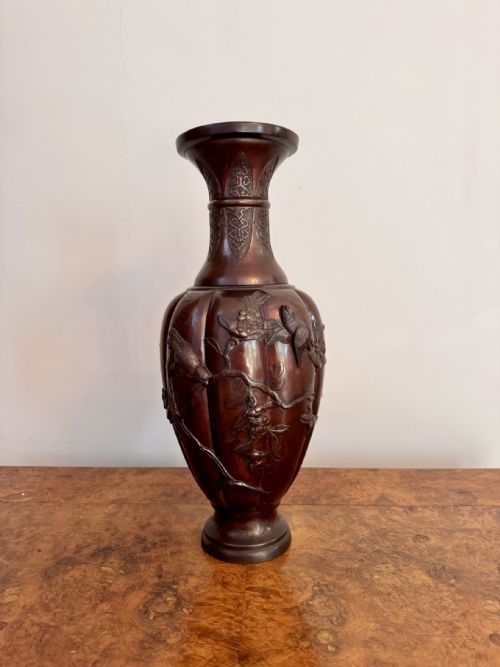
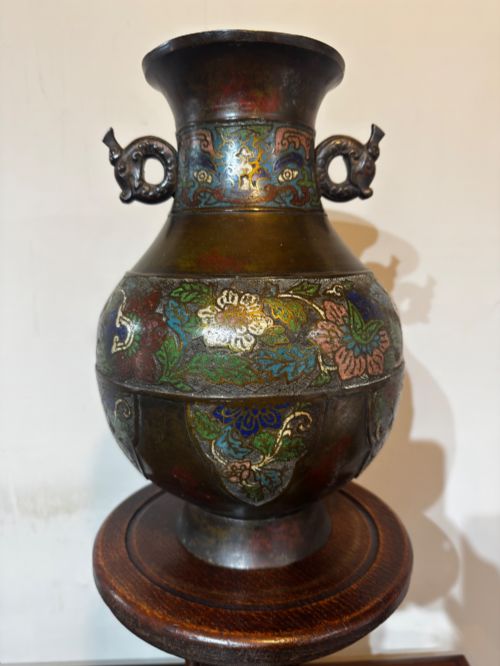
A vintage bronze vase encompasses substantial metal vessels from periods spanning the nineteenth century through the early decades of the twentieth century. These pieces emerge in various forms, including decorative vases, ginger jars, ewers, and urns originating from Japanese, Chinese, and European workshops.
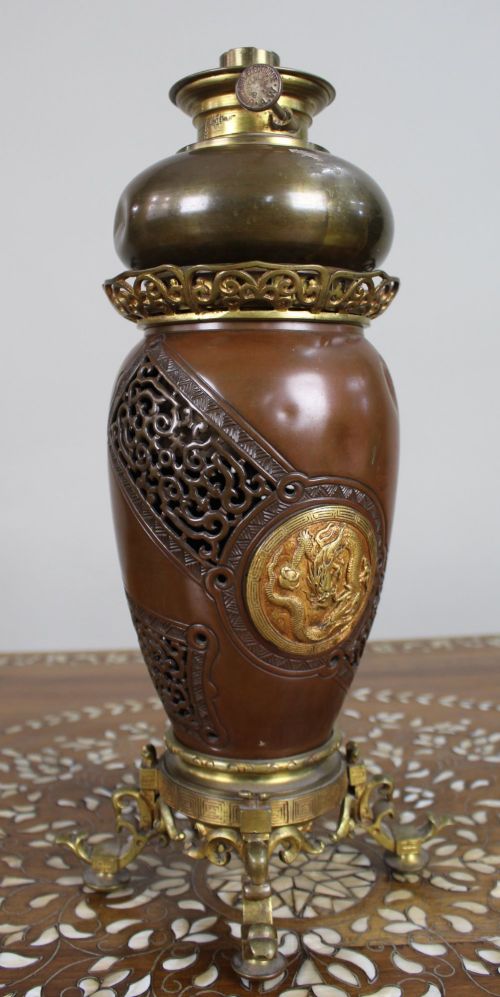
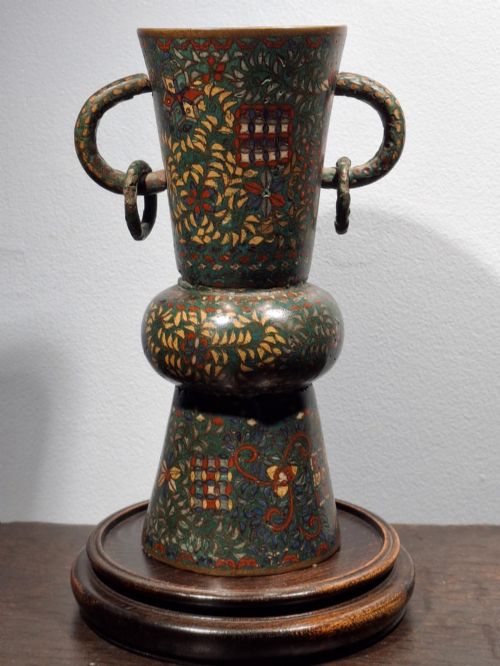
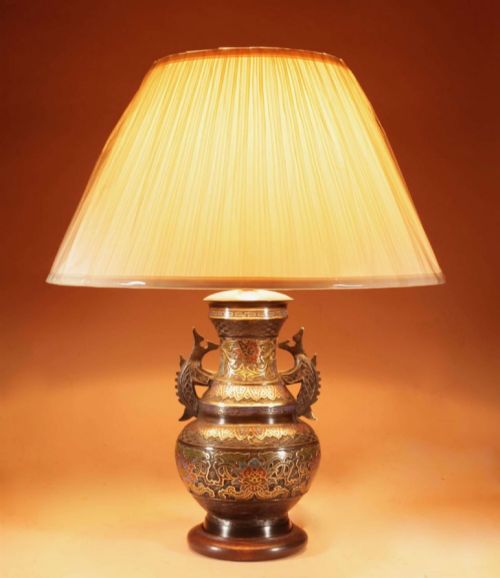
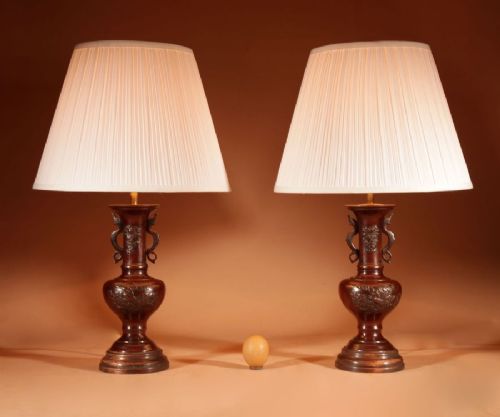
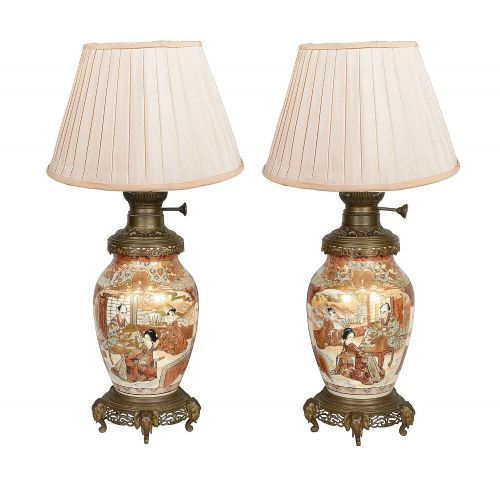
The buyer meets many examples adapted as table lamps alongside traditional vessel forms. Japanese Meiji period pieces and Chinese champlevé designs appear frequently, often featuring surface ornamentation such as enamel or gilt work.
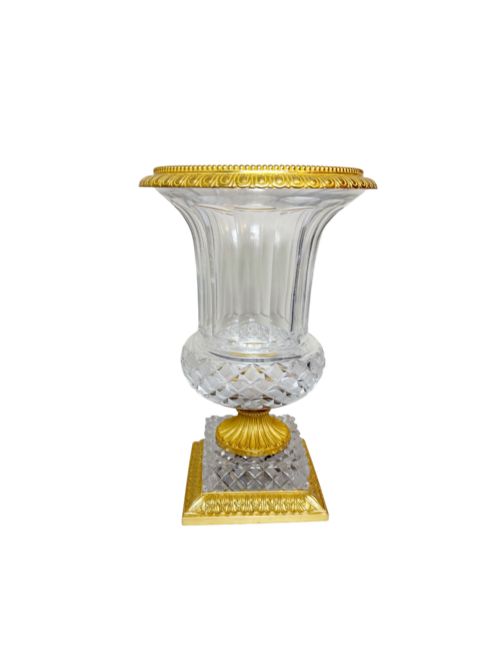
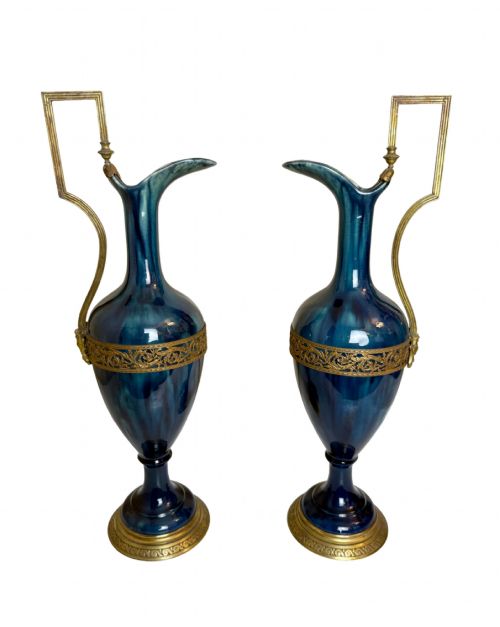
European interpretations also surface, ranging from French Neoclassical styles to Italian Grand Tour campana urns. The selection balances Asian craftsmanship with nineteenth-century European metalwork.
What varies in quality
The precision of the casting and the crispness of chased details separate standard production from superior work. Clean lines in cloisonné wirework and even distribution of enamel indicate higher standards of workshop execution.
The depth and consistency of the original bronze patination influence the visual appeal of a piece. Finer examples retain integrated mounts and hardware that complement the proportions of the central vessel.
Vintage Bronze Vase Retail Price Guide 2026
Typical asking prices for vintage bronze vase among the pieces listed under this phrase on Sellingantiques today, from the lower quarter to the upper quarter. They describe what is for sale here now, not the wider market.
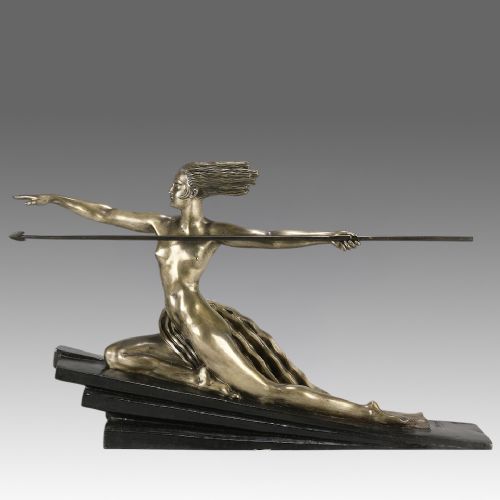
The Goddess Amphitrite occasionally holds court among the metalwork, bringing nineteenth-century mythology directly to the sideboard.
The Vintage Bronze Vase Glossary
- Bronze
- An alloy of copper and tin widely cast for sculptural vessels and decorative objects throughout the nineteenth century.
- Champlevé
- An enamelling technique where troughs are dug into the metal surface and filled with coloured vitreous paste before firing.
- Cloisonné
- A method of decorating metal objects by soldering flat metal wires onto the body to create cells that hold enamel.
- Ewer
- A large jug with a wide spout and handle, frequently produced in bronze or porcelain during the nineteenth century.
- Campana Urn
- A classical bell-shaped vessel with upturned handles, popular in Italian and French decorative metalwork.
Vintage Bronze Vase: Frequently Asked Questions
How do I clean a vintage bronze vase?
Dust the surface gently with a soft, dry cloth to protect the original patination.
Avoid chemical polishes or water, which can damage enamel inlay or strip historical finishes.
Are these vases watertight?
Many vintage bronze vases and converted lamps are designed for decorative display rather than holding water.
Fitted interiors or wiring for lamps mean contemporary owners typically use them dry or with internal liners.
What is the difference between bronze and brass?
Bronze is an alloy primarily of copper and tin, valued for its rich patination and durability in casting.
Brass contains copper and zinc, yielding a brighter golden tone that appears in Edwardian and nineteenth-century pieces.
How do I identify a Meiji period vase?
Japanese Meiji period metalwork often displays intricate cloisonné enamel or detailed bronze casting from the late nineteenth to early twentieth century.
These pieces frequently feature flora, fauna, or ritual motifs reflecting traditional Japanese craftsmanship.