
Vintage British Painting
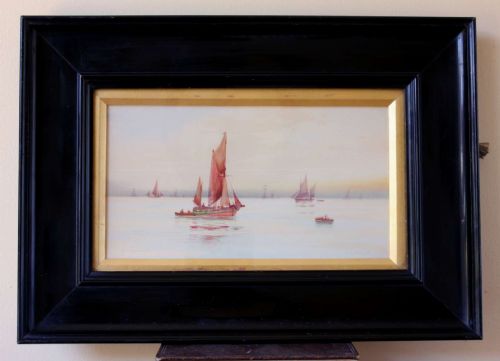
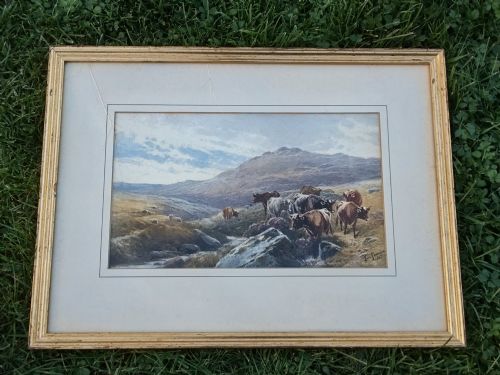
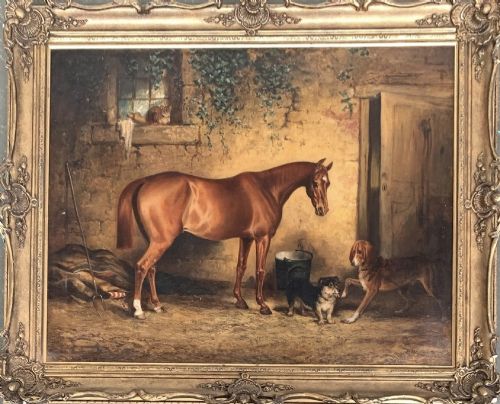
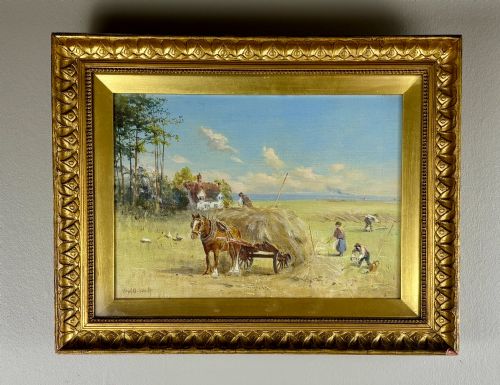
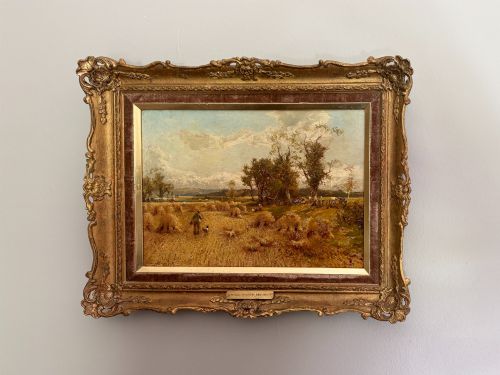
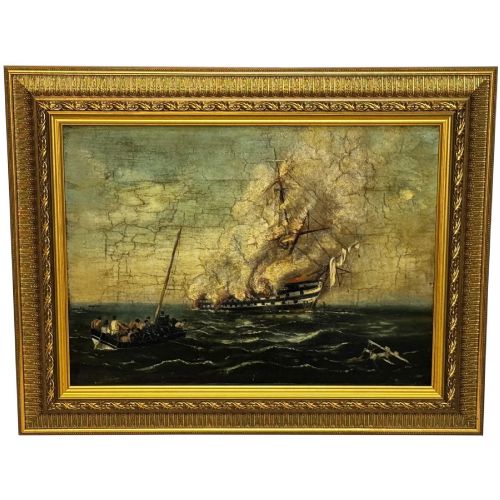
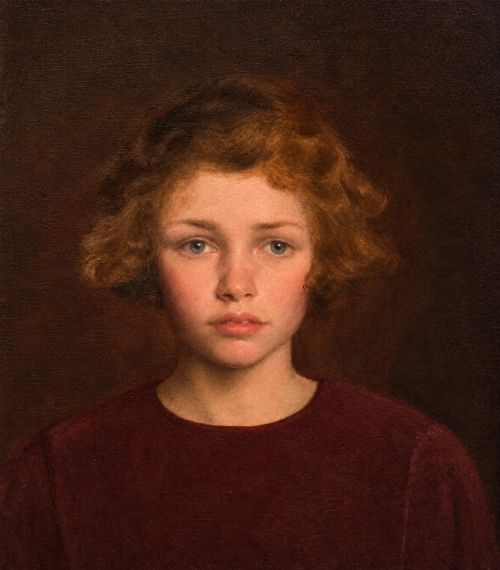
A vintage british painting captures the changing light of rural landscapes, coastal havens, and intimate portraits across the islands.
Vintage British Painting
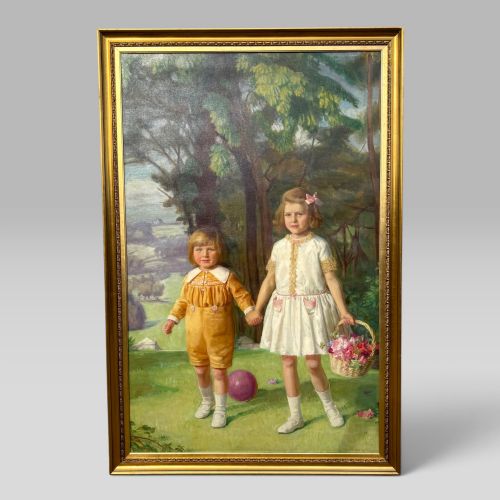
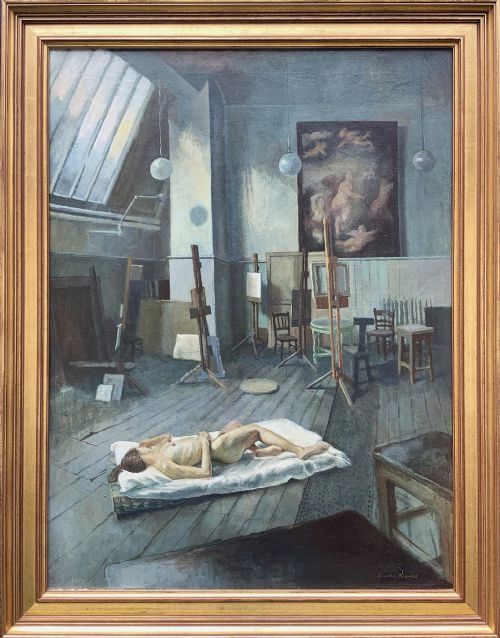
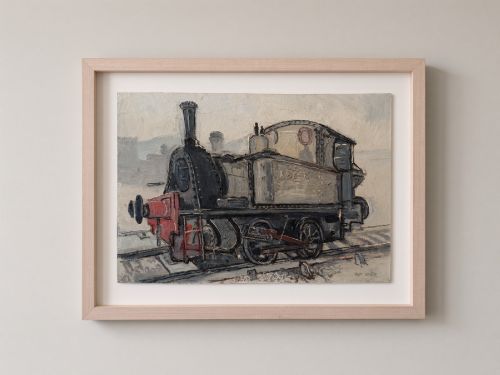
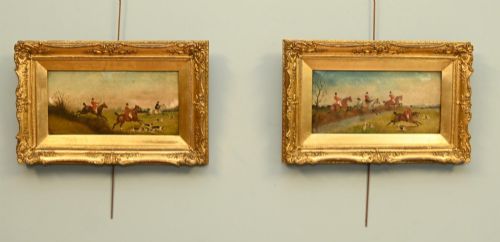
When browsing for a vintage british painting, buyers encounter works spanning the nineteenth century through the mid-twentieth century, encompassing Victorian, Edwardian, and mid-century movements. These pieces range from coastal seascapes and industrial northern street scenes to detailed portraits and pastoral landscapes.
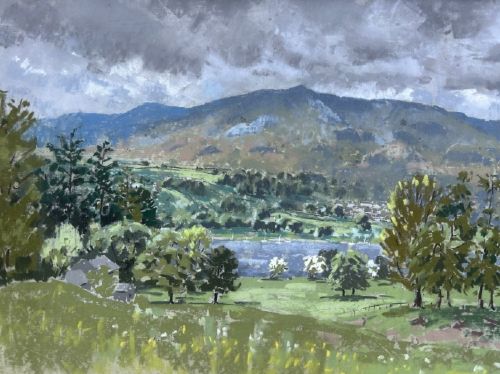
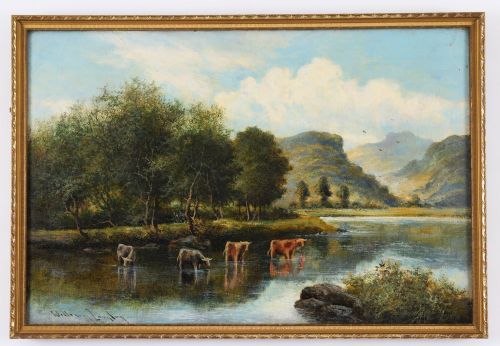
The most common examples on this page are oil and watercolour paintings on canvas, board, paper, or wood panel, created by regional artists and academy painters alike. Subjects frequently record recognizable British geography, from the Lake District and Welsh rivers to Scottish highlands and Cornish harbours.
How They Were Made
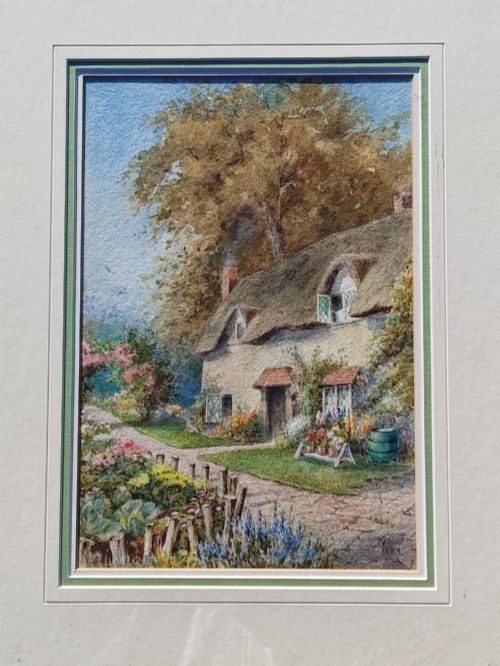
Makers applied oil paint or watercolour using brushes and knives onto stretched canvas, primed wooden panels, heavy paper stocks, or artist boards. Many twentieth-century works employ en plein air techniques to capture immediate atmospheric shifts outdoors.
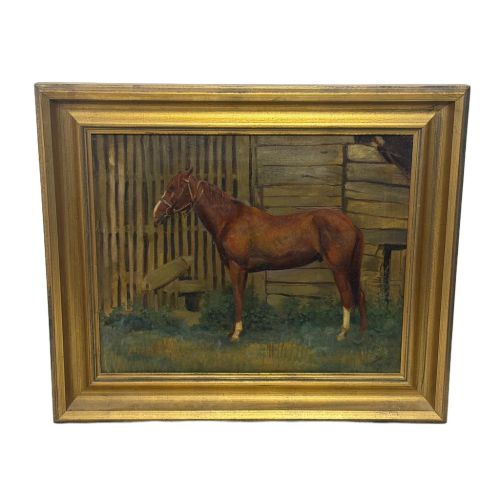
Framing typically utilises wood and glass protection for works on paper, while oil paintings on canvas or board often retain traditional gilt or painted wooden surrounds appropriate to their era of production.
Several paintings record champion racing pigeons and prized bulls taking their moment in the artistic spotlight.
What Varies in Quality
Skill in handling medium and light separates accomplished compositions from more formulaic student or amateur efforts. Superior works demonstrate confident brushwork, deliberate tonal balance, and a clear atmospheric depth.
Condition and originality also determine standing, with preference given to works retaining their original supports, clear artist signatures, and contemporary framing without excessive restoration.
Kenneth Cozens·George Lorain Stampa·Bernard Hailstone·William H Myers·Tom Campbell·Alfred Young Nutt·Clifford Hanney·Frederick Marriott·Alfred Fontville de Breanski Jr·Sidney A Court·Robert Leslie Howey·James E Aitken·Kershaw Schofield·Charles Edward Dixon·Herbert Royle·John E Aitken·William Banks Fortescue·Thomas W Lascelles·William Joseph Boyes·Henry Silkstone Hopwood·Thomas Smythe·Muriel Metcalfe·Alfred Lyndon Grace·Percy Hipkiss·William Maxwell Reekie
The Vintage British Painting Glossary
- Canvas
- A heavy woven fabric stretched across a wooden frame to serve as a painting surface. It provides texture and durability for oil applications.
- Watercolour
- A paint consisting of pigment suspended in a water-soluble binder, applied in translucent washes onto paper. It relies on the white of the paper for its luminosity.
- Impasto
- A technique where paint is laid on an area of the surface in very thick layers, usually thick enough that the brush or painting-knife strokes are visible.
- British Impressionism
- A late nineteenth and early twentieth-century painting style focusing on loose brushwork and natural light. It reflected French influences adapted to domestic landscapes.
- Provenance
- The documented history of ownership of a work of art, establishing its authenticity and exhibition record.
Vintage British Painting: Frequently Asked Questions
How do I identify the date of a painting?
Examine the signature, framing style, and stretcher bars for clues left by the artist or framer. Biographical records of the maker often narrow down the decade of creation.
Material choices, such as specific board types or canvas stamps, also point to distinct periods of manufacturing history.
Where should I hang a watercolour painting?
Watercolours require placement away from direct sunlight to prevent the fading of delicate pigments on paper. Stable indoor humidity protects both the paper support and the surrounding mount.
Glass fronts shield the surface from dust, while acid-free backing boards prevent long-term discoloration.
What distinguishes mid-century works from Victorian pieces?
Victorian paintings typically favour academic realism, narrative depth, and dark, varnished palettes. Mid-century works often embrace broader brushwork, brighter light, and modern abstract influences.
Subject matter also shifted over time, moving from romanticized historical or pastoral scenes toward industrial landscapes and coastal abstraction.
How are antique oil paintings cleaned safely?
Professional conservators remove accumulated surface grime and discoloured varnish using specialised solvents tested on the paint layer. Amateur cleaning risks damaging the original pigment beneath.
Stable surface dust can be brushed gently away with a soft, dry artist tool.