






Vintage Book Volume
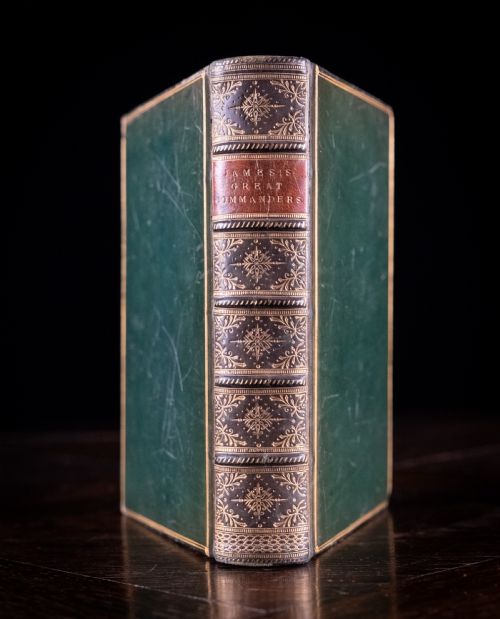
When you search for a vintage book volume, you look for tangible pieces of history bound in leather, cloth and vellum to read, collect or display.
Vintage Book Volume
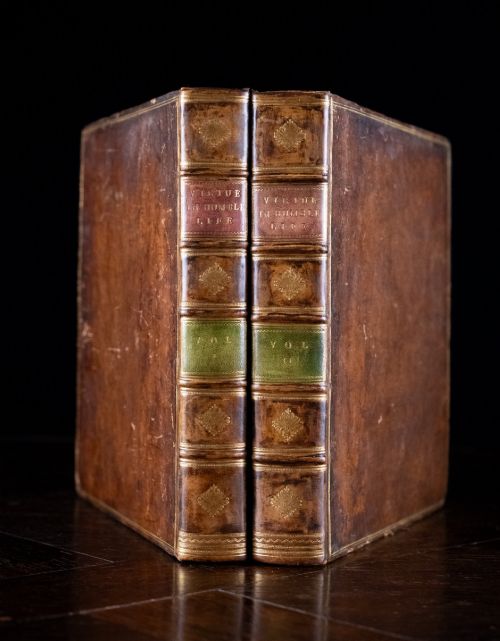
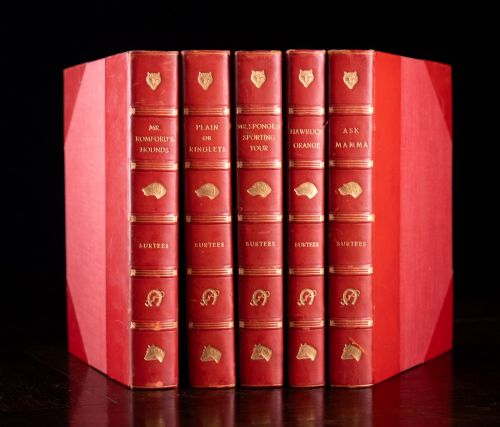
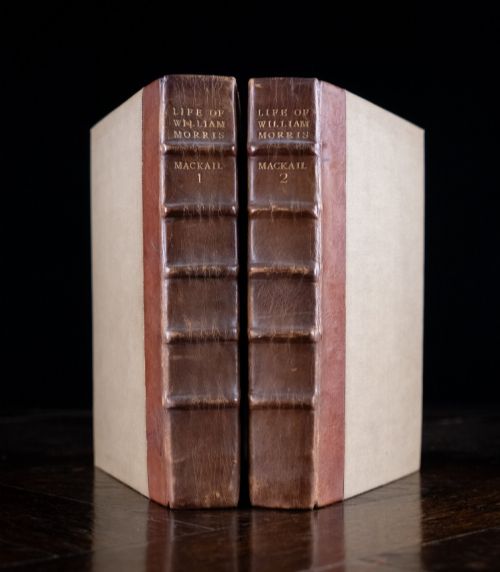
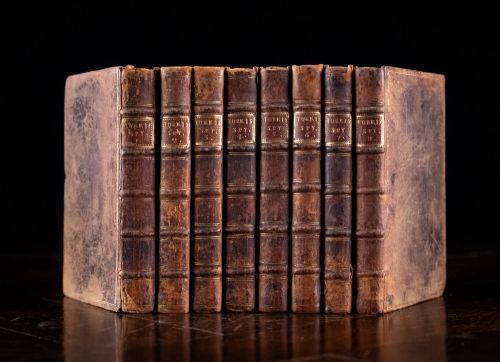
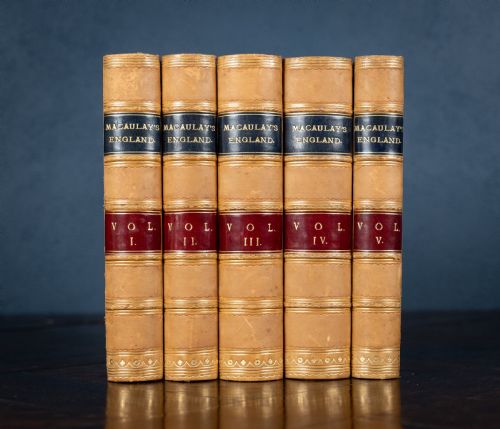
A vintage book volume encompasses single works, multi-volume sets, and collected editions spanning the eighteenth, nineteenth, and early twentieth centuries. The selection ranges from eighteenth-century histories and almanacs to Victorian poetry, Shakespeare plays, and Edwardian biographies. You encounter individual volumes alongside extensive runs covering subjects from British birds to classical literature.
Many of these texts originate from English presses, while others arrive as French editions or translations. The forms include single leather-bound volumes, uniform multi-volume library sets, and decorative book bundles intended for furnishing. Collectors find both scholarly reference works and popular literature produced across the Georgian, Victorian, and Edwardian eras.
Materials and construction
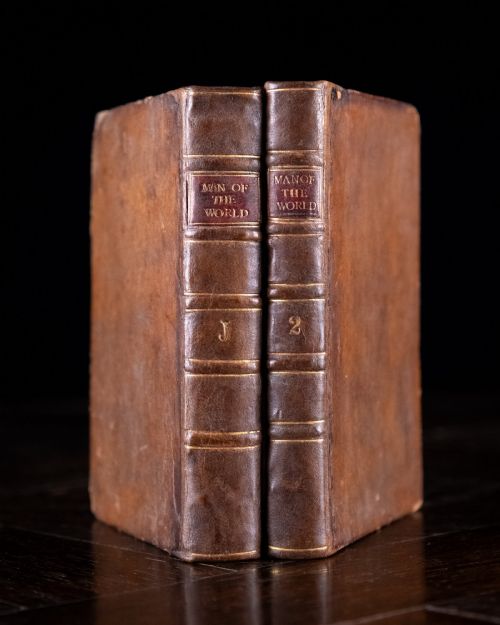
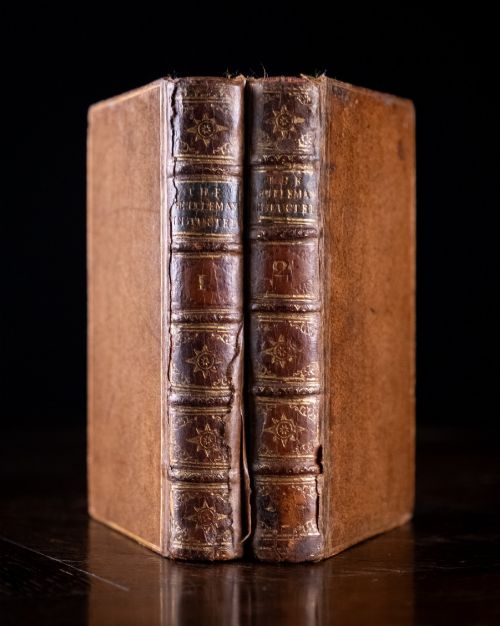
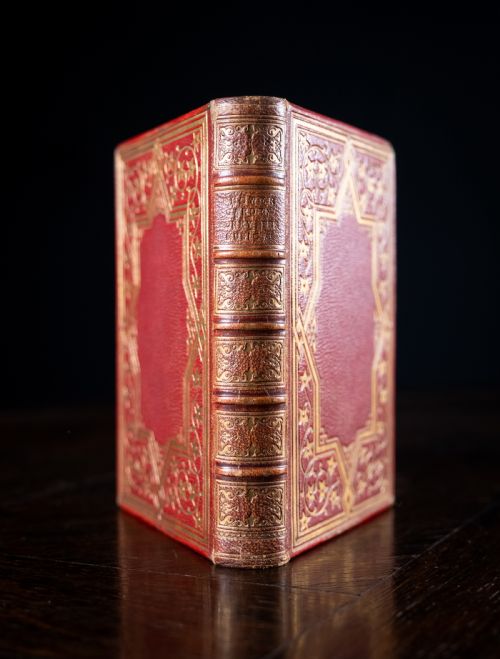
Binders constructed these volumes using durable natural materials, predominantly calfskin, full leather, cloth, and vellum over paper text blocks. Vellum covers offer a pale, smooth surface, while calfskin provides a supple, textured exterior that ages with handling. Cloth bindings emerge in later nineteenth and twentieth-century sets to meet the demands of mass production.
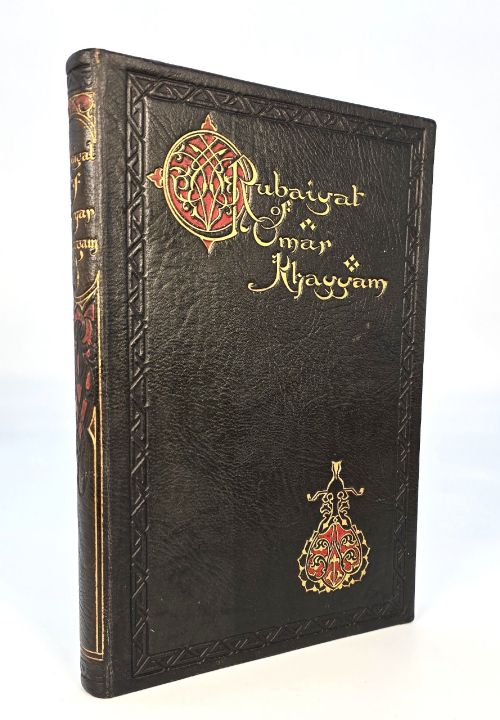
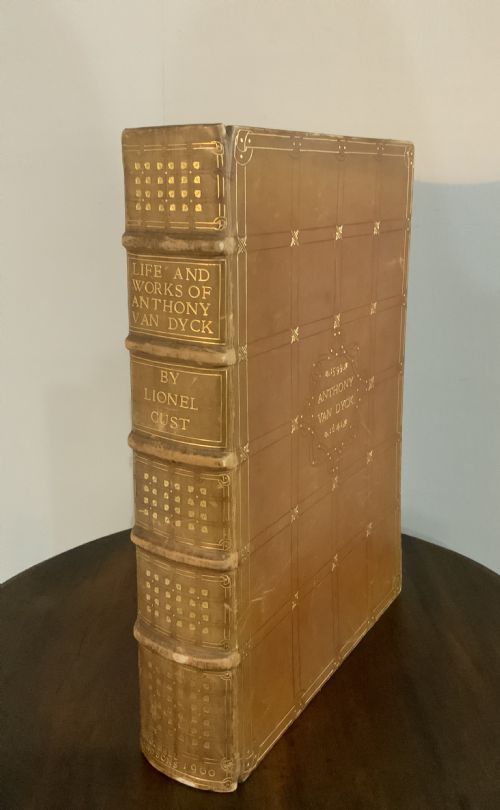
Craftsmen applied gold leaf and ink to tool spines and boards, impressing titles, author names, and decorative patterns into the leather or cloth. Printed pages utilise rag paper and ink from various typographic eras, bound securely through traditional stitching methods that allow the volumes to open flat.
Vintage Book Volume Retail Price Guide 2026
Typical asking prices for vintage book volume among the pieces listed under this phrase on Sellingantiques today, from the lower quarter to the upper quarter. They describe what is for sale here now, not the wider market.
Distinctions in quality
Quality rests in the integrity of the original binding, the uniformity of a set, and the preservation of the materials. Volumes retaining their original full leather or vellum with crisp gold tooling stand apart from heavily restored or rebound examples. Uniform sets where every volume shares identical spine lettering and board embossing command greater interest than assembled groups of mismatched books.
The sophistication of the typography, the presence of original illustrations by artists such as Gustave Doré, and the clarity of the paper stock further differentiate these pieces. Publishers who invested in superior paper and careful hand-tooling produced volumes that maintain their structural cohesion and visual impact over centuries.
J. and R. Tonson·J. Wheble
The Vintage Book Volume Glossary
- Vellum
- A fine parchment made from calfskin, used historically for durable book bindings. It provides a smooth, cream-coloured surface that resists wear.
- Calfskin
- A soft, supple leather derived from the skin of a calf. Bookbinders prize it for taking blind and gilt tooling with exceptional clarity.
- Gilt tooled
- A decoration method applying gold leaf to leather or cloth using heated metal stamps. This technique creates shimmering titles and ornate spine compartments.
- First edition
- The earliest printed appearance of a work from setting of type. These copies hold particular significance for textual scholars and collectors.
- Text block
- The assembled and sewn pages of a book before the cover is attached. It forms the core body of the volume.
Vintage Book Volume: Frequently Asked Questions
How do I date an antique book volume?
Examine the title page for printed publication dates, keeping in mind that some editions list the year in Roman numerals or lack a date entirely. In such cases, typographic style, paper quality, and contemporary binding clues help narrow down the decade of production.
Printers often included publication years at the base of the title page or within the preliminary front matter. Comparing these details against known publishing houses and historical records provides an accurate period attribution.
What is the difference between calfskin and vellum bindings?
Calfskin is a treated animal leather offering a tactile, textured surface that typically darkens and softens gracefully over time. Vellum is an un-tanned parchment made from calf, kid, or goat skin, presenting a smooth, stiff, and pale exterior.
Both materials were chosen for durability, but vellum provides a stiffer protective shell often used for official or high-status texts. Calfskin allows for intricate decorative stamping and raised bands along the spine.
How should I care for leather-bound books?
Keep leather and vellum volumes away from direct sunlight, damp environments, and extreme temperature fluctuations to prevent the material from drying out or warping. Maintain stable indoor humidity levels and allow air circulation around your shelves.
Avoid pulling books from shelves by the headcap at the top of the spine, as this causes structural tearing. Instead, push the adjacent books back slightly to grasp the body of the volume safely.
Are multi-volume book sets always complete?
Not all multi-volume sets survive intact through the centuries, as individual books frequently became separated or lost over generations. Checking the specific volume numbers and matching bindings ensures completeness before acquisition.
Complete sets, such as multi-volume historical accounts or collected novels, hold higher uniformity and utility for both reading and display. Individual volumes from larger runs still offer standalone historical and literary interest.