



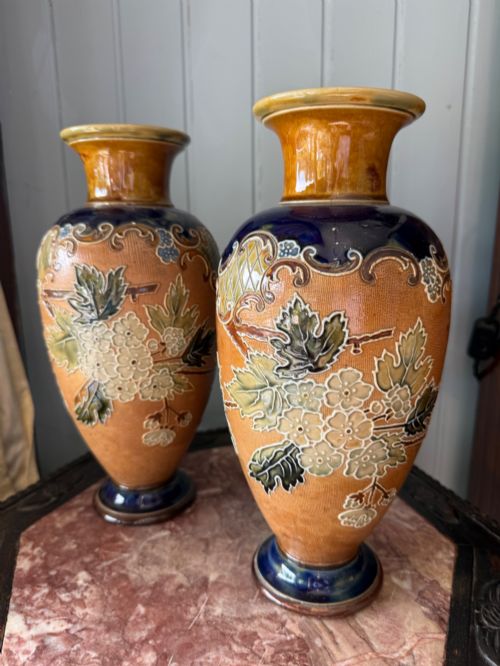
Vintage Blue Pottery
Vintage blue pottery brings together centuries of earthenware, glaze, and transferware in shades of cobalt, indigo, and azure.
Vintage Blue Pottery
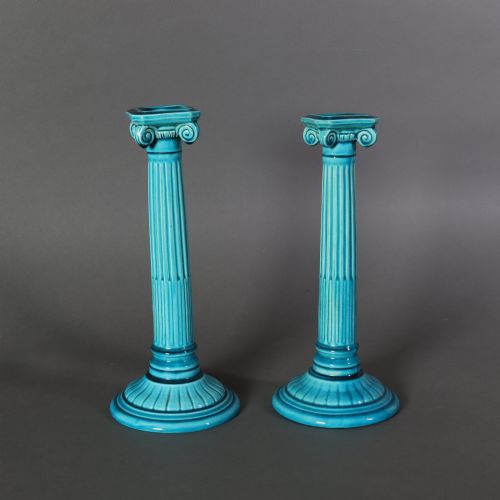
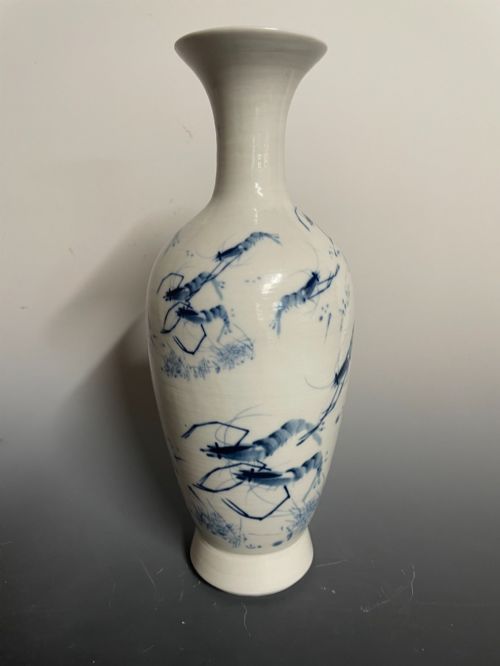
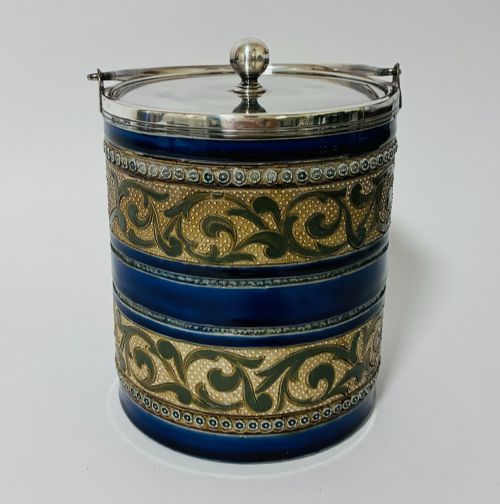
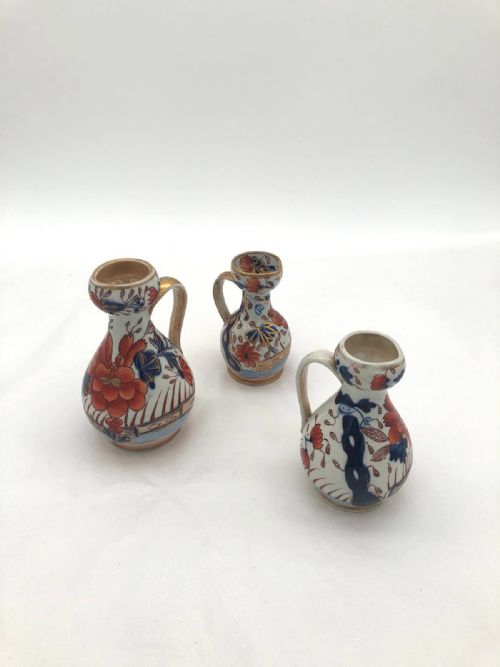
When you examine vintage blue pottery, you encounter a broad spectrum of ceramic forms spanning centuries of domestic and decorative production. The category encompasses everything from utilitarian wash basins and kitchen jugs to elaborate display chargers and mantle vases.
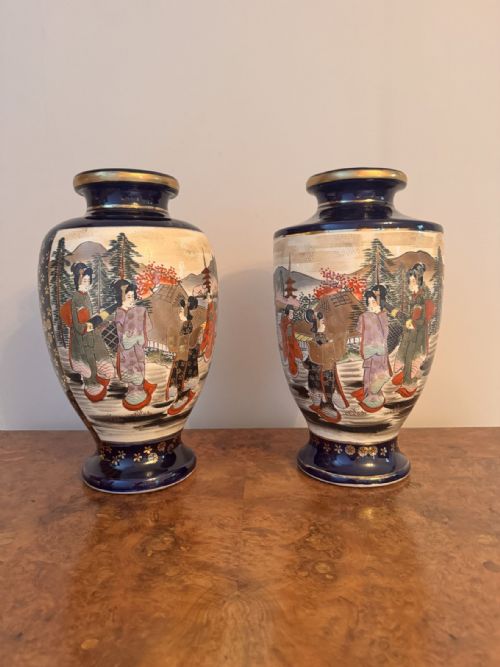
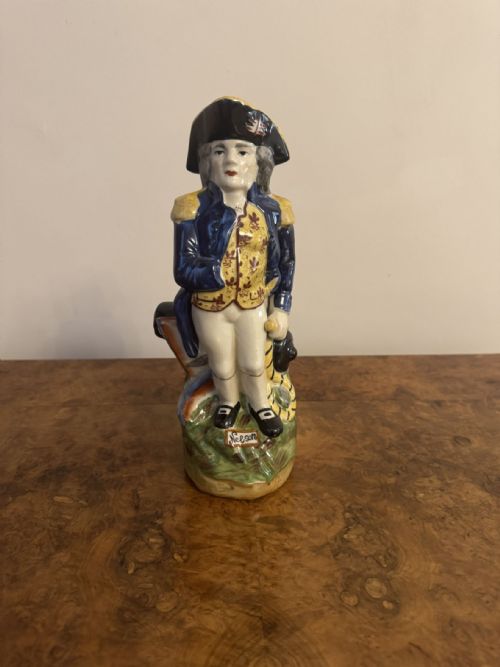
You are most likely to meet pieces originating from the nineteenth and early twentieth centuries on this page. These range from English transferware plates and Staffordshire jugs to continental Delftware and Japanese export porcelain.
The objects serve as practical containers, tablewares, and focal decorative items for the home. Their enduring appeal lies in the depth of the blue pigment against white or terracotta grounds.
How vintage blue pottery was made
Makers relied on earthenware, ironstone, and porcelain bodies shaped by hand or cast in moulds before receiving surface decoration. Tin-glazes and lead-based coatings provided the smooth white grounds necessary for intricate cobalt painting.
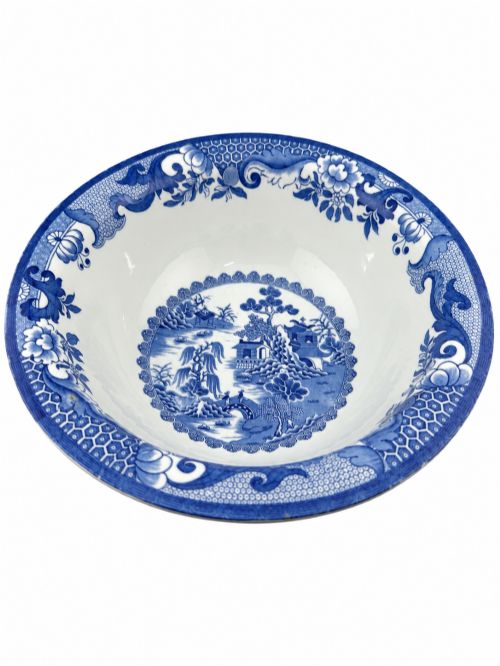
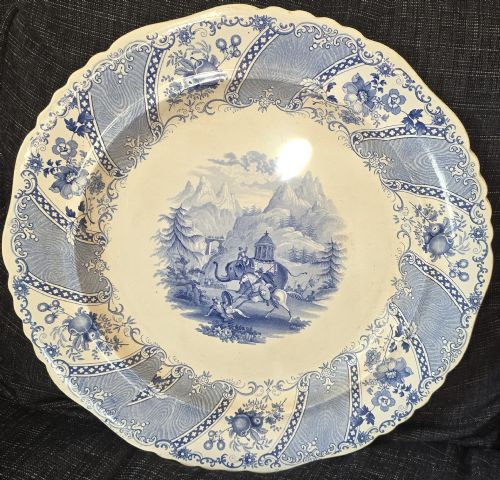
Transfer printing revolutionised output by allowing complex pictorial scenes, such as Chinoiserie landscapes and historical events, to be pressed onto the ceramic surface from copper plates. Hand-painting and enamel highlights frequently accompanied these printed outlines to add variation and colour.
Firing took place in traditional kilns where fluctuating temperatures often produced subtle imperfections, crazing in the glaze, and pooling of the blue pigment.
Listings feature eighteenth, nineteenth, and early twentieth-century periods, utilising earthenware, porcelain, and tin-glazed earthenware materials.
What varies in quality
Quality in vintage blue pottery rests upon the crispness of the transfer print or the brushwork control in hand-painted examples. Strong, stable cobalt tones that have bonded evenly with the glaze indicate superior firing conditions and refined materials.
The weight and balance of the ceramic body, alongside the finesse of moulded details such as handles or rims, separate utilitarian items from high-end studio or factory art pottery. Well-preserved surfaces with minimal glaze bubbling and clear maker marks signify higher workshop standards.
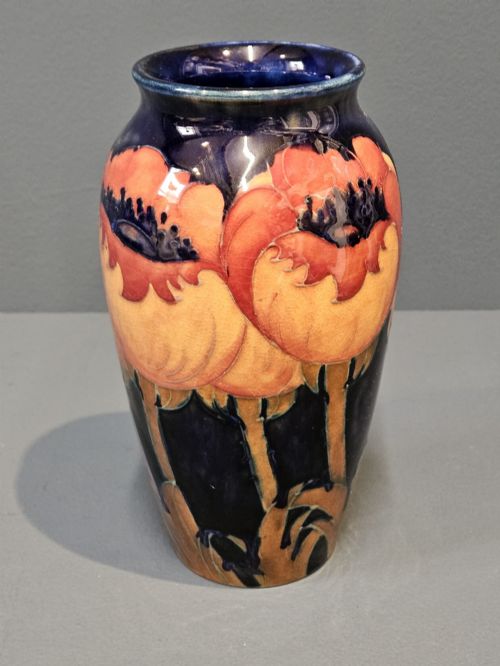
Burmantofts Faience·Moorcroft·William Smith And Co·Doulton Lambeth·John Rogers And Son
The Vintage Blue Pottery Glossary
- Transferware
- Earthenware or ironstone decorated by applying a printed paper design from an engraved copper plate onto the ceramic body before glazing. This technique enabled factories to produce intricate pictorial scenes consistently.
- Tin-Glazed Earthenware
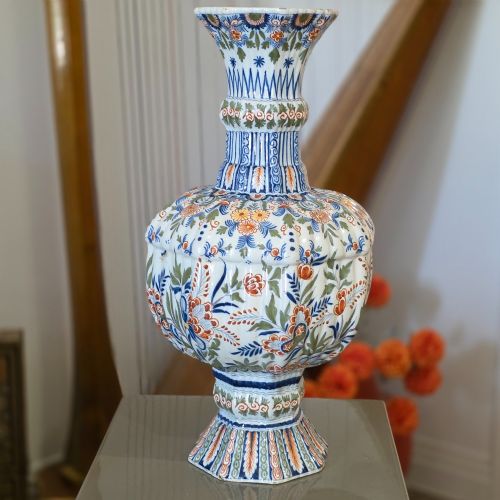
- Pottery coated with an opaque white glaze containing tin oxide, providing a smooth canvas for cobalt blue painting. This method defines traditional Delftware and faience production.
- Ironstone
- A durable type of vitreous earthenware patented in the nineteenth century to imitate porcelain. It resists chipping and staining while supporting heavy blue and white decoration.
- Charger
- A large decorative plate designed primarily for display on walls or sideboards rather than dining use. These pieces often feature elaborate painted or printed scenes.
- Faience
- European tin-glazed earthenware produced in imitation of imported Chinese porcelain or Islamic ceramics. It typically displays rich blue decoration over a porous clay body.
Vintage Blue Pottery: Frequently Asked Questions
How do I clean vintage blue pottery?
Wash pieces gently by hand using warm water and mild dish soap with a soft sponge. Avoid harsh scrubbers, harsh chemical detergents, and automatic dishwashers to protect the delicate glaze and any underlying earthenware.
Dry each item thoroughly with a lint-free cloth before returning it to display. Older ceramics with hairline cracks or crazing are particularly susceptible to water absorption and staining if left soaking.
Can I use vintage blue pottery for food?
Many nineteenth-century and older pieces contain lead in their glazes, which can leach into acidic or moist foods over time. It is safer to reserve these items for decorative display rather than daily dining.
Use sturdy ironstone or transferware platters strictly for dry items if entertaining, or keep them securely on walls and shelves. Inspect the glaze closely for active flaking before considering any culinary use.
How do I date blue and white pottery?
Examine the base for impressed factory marks, registration diamonds, or hand-written signatures that correspond to known operating dates. The style of the transfer print, such as classical Chinoiserie or Victorian gothic motifs, also narrows the production era.
Clay composition provides further clues, as heavy ironstone gained popularity in the nineteenth century while earlier eighteenth-century wares utilised lighter, more porous earthenware bodies.
Where should I display vintage blue pottery?
Position your collection away from direct, harsh sunlight and areas prone to extreme temperature fluctuations to prevent the glaze from crazing further. Sturdy wooden shelving or secure plate racks keep heavier chargers and vases stable.
Group items by tone, contrasting dark cobalt pieces with lighter transferware to create visual depth. Ensure large vessels like wash basins and garden seats rest on level surfaces where they cannot be easily knocked.