



Vintage Bistro Furniture
Vintage bistro furniture brings practical French charm and robust Victorian utility to any garden, terrace or conservatory.
Vintage Bistro Furniture
Vintage bistro furniture encompasses functional dining sets, pub tables and occasional pieces designed for hospitality and domestic use. When searching for vintage bistro furniture, buyers encounter versatile pieces spanning the nineteenth and early twentieth centuries, from French iron settings to heavy Victorian pub tables.
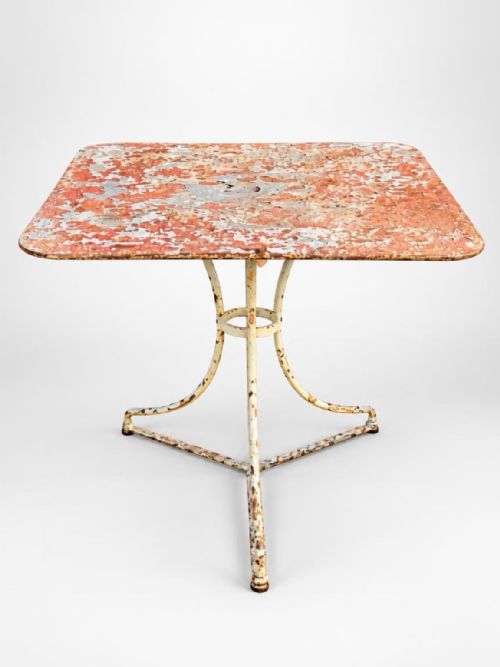
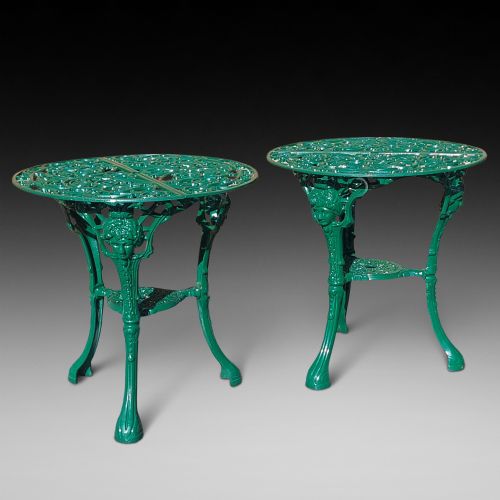
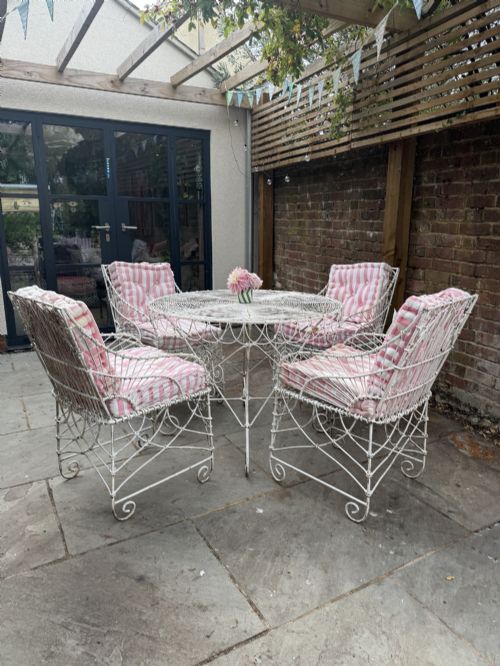
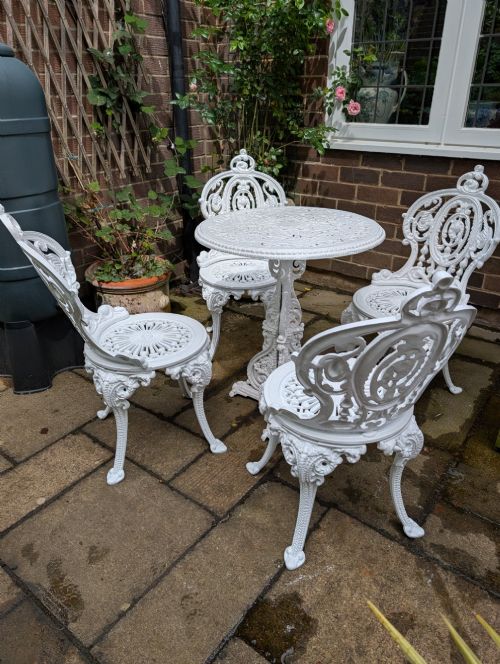
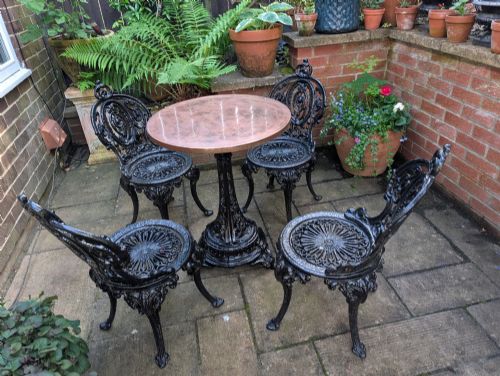
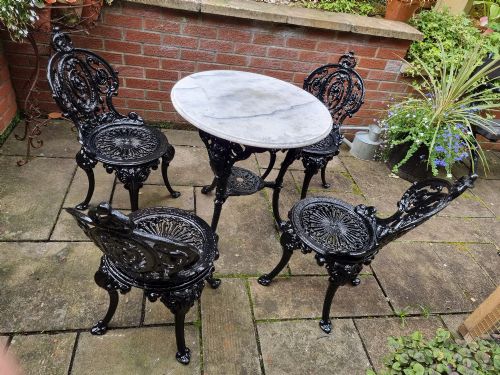
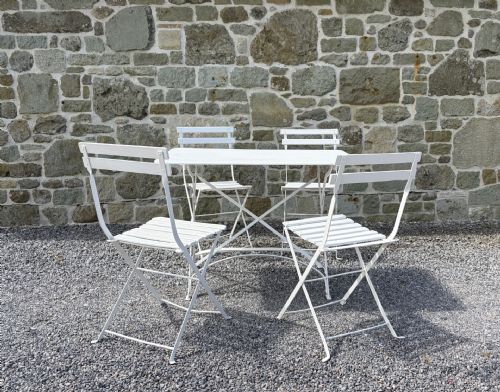
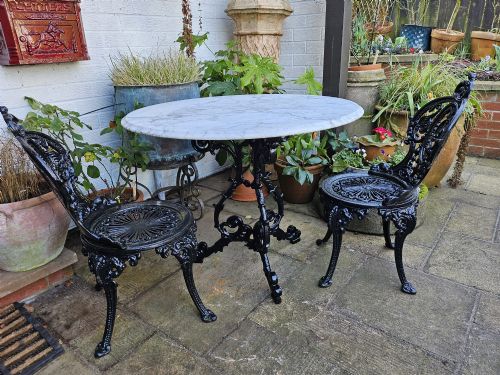
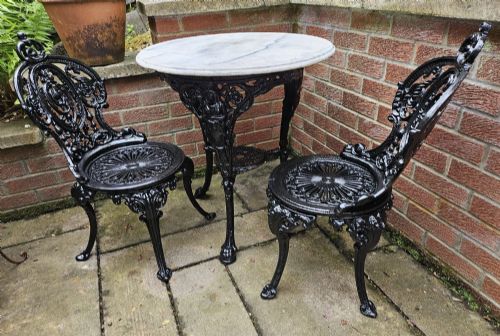
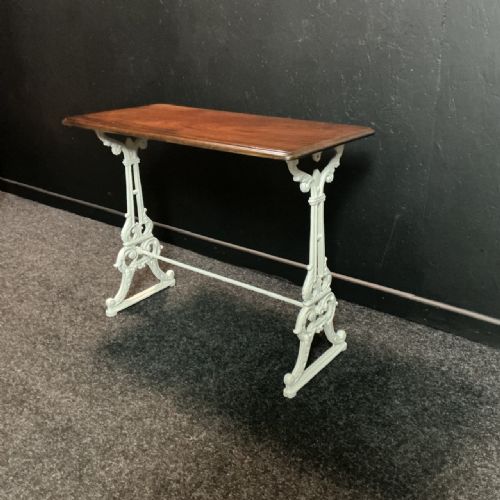
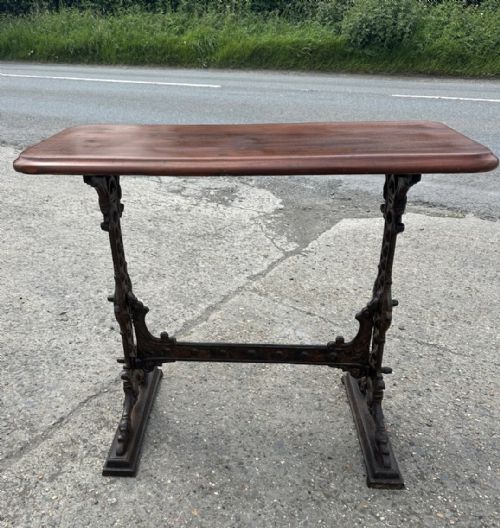
The selections on this page range from nineteenth-century garden tables and chairs to Art Deco patio sets and twentieth-century folding tables. Cast iron pub tables with mahogany or marble tops appear frequently alongside wirework pieces and bentwood chairs.
Origins stretch across British and continental workshops, incorporating French country designs alongside English tavern and conservatory pieces. Tables and chairs emerge in matched sets or as individual items suited for compact spaces.
How they were made
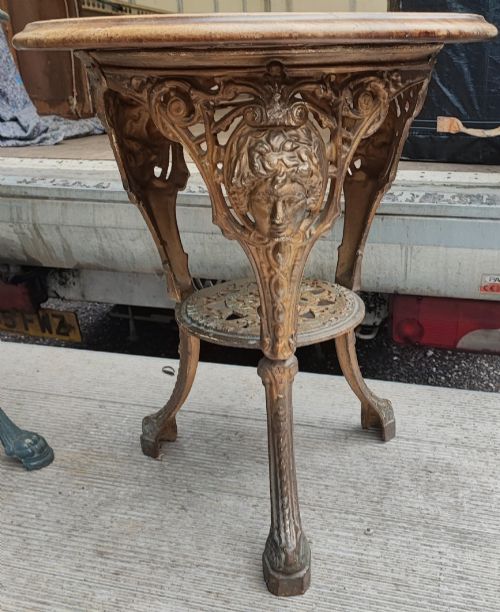
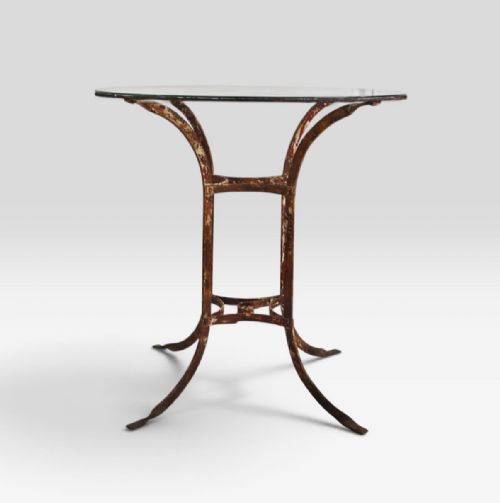
Construction relies heavily on cast iron and wrought iron for sturdy frames, often paired with wooden or stone surfaces. Table tops utilise mahogany, pine, marble, steel and wirework, demonstrating durable fabrication for indoor and outdoor settings.
Surfaces frequently retain original paint, showing layers of historical decoration that highlight the industrial and domestic origins of each piece. Metal components involve casting and strap work techniques, joined with wooden elements and stone inserts to create stable furniture.
Vintage Bistro Furniture Retail Price Guide 2026
Typical asking prices for vintage bistro furniture among the pieces listed under this phrase on Sellingantiques today, from the lower quarter to the upper quarter. They describe what is for sale here now, not the wider market.
Some tables arrive with heavy cast-iron pedestals so steadfast they could probably survive an impromptu tavern brawl.
What varies in quality
Quality rests upon the integrity of the original materials, such as heavy cast-iron bases paired with uncompromised marble or mahogany tops. Pieces retaining their original painted finishes and authentic structural components stand apart from later replacements.
Proportion and casting detail dictate the distinction between standard commercial items and finer workshop productions, such as marked designs or sophisticated strap work. The balance between heavy structural metalwork and refined tabletop surfaces determines the overall character.
Christopher Dresser
The Vintage Bistro Furniture Glossary
- Cast iron
- A strong, rigid alloy poured into moulds to create ornate bases and decorative garden furniture frames. It provides substantial weight and intricate detailing.
- Bentwood
- Wood softened by steam and bent into curved shapes, commonly utilised for lightweight bistro chairs. This technique allows for elegant, flowing lines.
- Britannia
- A classic nineteenth-century pub table style featuring a heavy cast-iron pedestal base depicting Britannia. These tables typically support wooden or mahogany tops.
- Wirework
- Furniture constructed from woven metal wire, popular in Victorian garden settings. It offers a lighter aesthetic while maintaining structural durability.
- Strapp work
- Metalwork formed of flat bands or straps arranged in decorative patterns. This method appears on garden tables and structural frames.
Vintage Bistro Furniture: Frequently Asked Questions
How do I care for vintage iron furniture?
Keep metal surfaces clean and dry to preserve original paint and prevent rust accumulation. Regular gentle cleaning maintains the historical finish without stripping character.
Store pieces undercover during severe winter weather if kept outdoors. Treating wooden or marble tops appropriately protects them from moisture damage.
Are these sets suitable for outdoor use?
Many cast iron and iron-framed pieces were originally built for gardens, terraces and pavement cafes. They withstand normal weather conditions when maintained properly.
Delicate wooden tops or stone surfaces benefit from sheltered placement during wetter months. Assessing the specific material combination helps determine appropriate placement.
How do I identify Victorian pieces?
Victorian items often feature heavier cast iron bases, distinct pub table configurations and traditional materials like mahogany and pine. Construction details reflect nineteenth-century foundry practices.
Stylistic cues such as ornate floral casting or Britannia pedestals point towards this period. Comparing known forms assists in dating individual items accurately.
Can I mix chairs and tables?
Combining separate chairs and tables is common, especially with matched sets appearing alongside individual items. Proportions and materials guide successful pairings.
Matching iron frames or complementary wood tones create a cohesive arrangement. Historical precedent shows pieces were frequently gathered from various sources.