



Vintage Bathroom Stand
A vintage bathroom stand brings practical utility and period character to a room, offering sturdy rails and stone surfaces designed for daily use.
Vintage Bathroom Stand
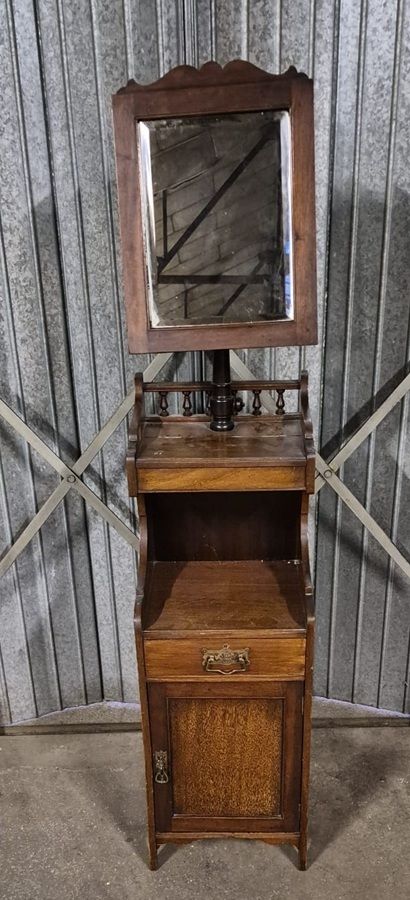
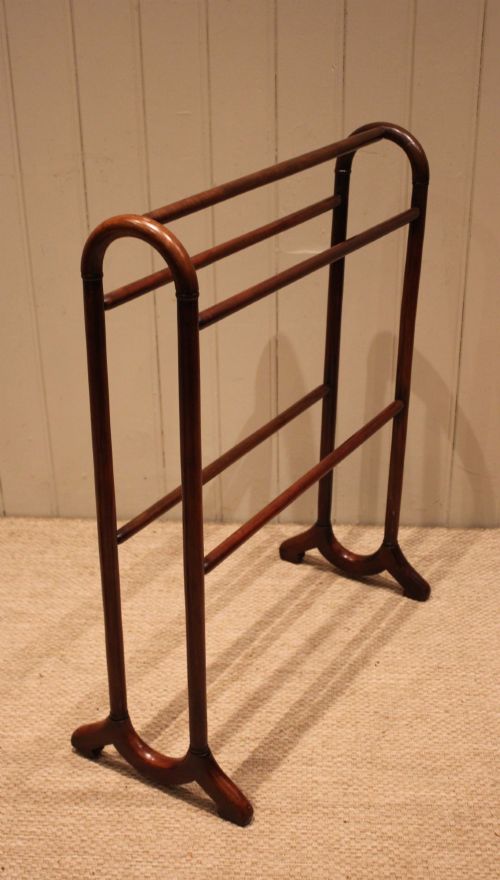
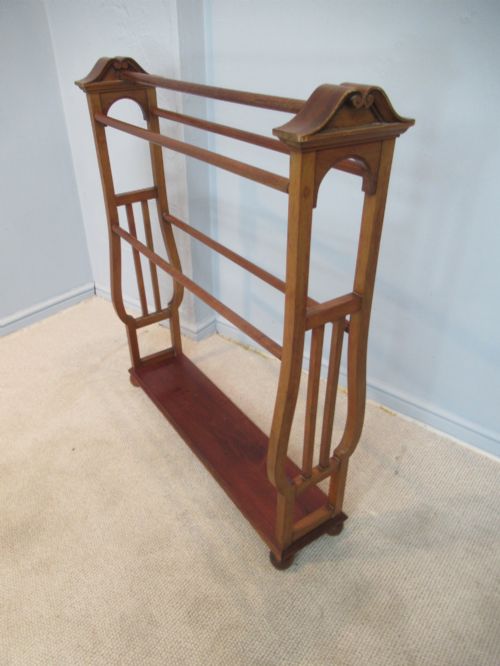
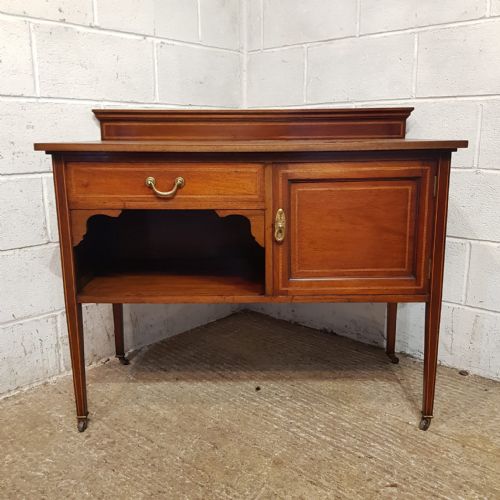
A vintage bathroom stand encompasses both wooden washstands and freestanding towel rails originating from the nineteenth and early twentieth centuries. These pieces reflect the functional furniture of Victorian, Edwardian, and earlier domestic spaces where plumbing was separate or portable.
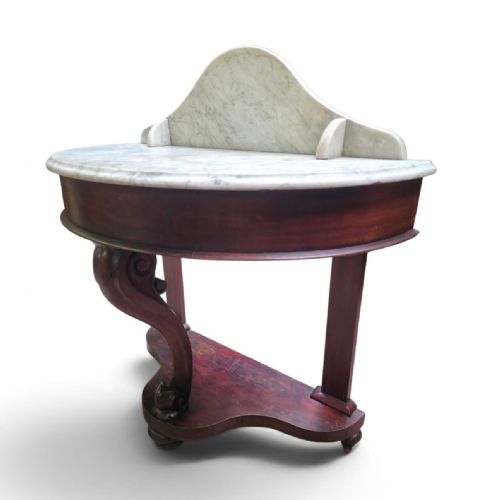
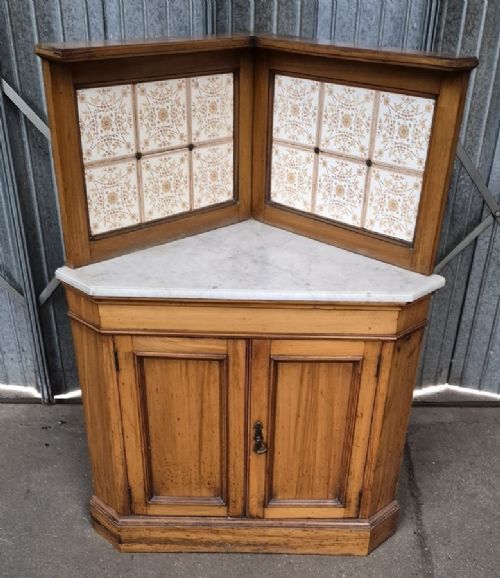
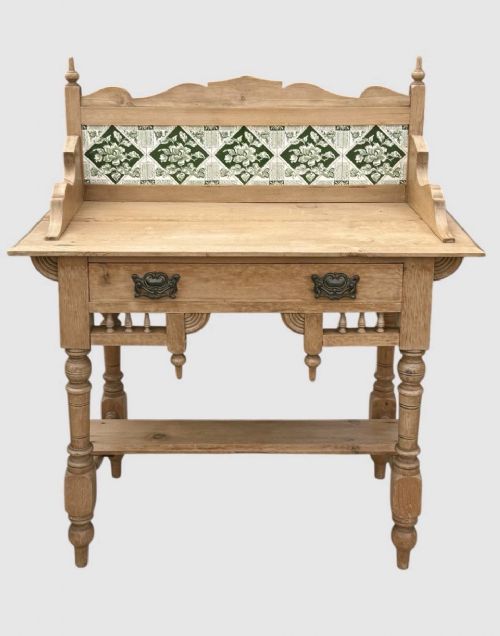
Washstands form the primary furniture type within this group, often combining wooden frames with stone surfaces or tiled splashbacks. They provide a stable counter for basins and grooming items, bridging the gap between bedroom dressing tables and modern bathroom fixtures.
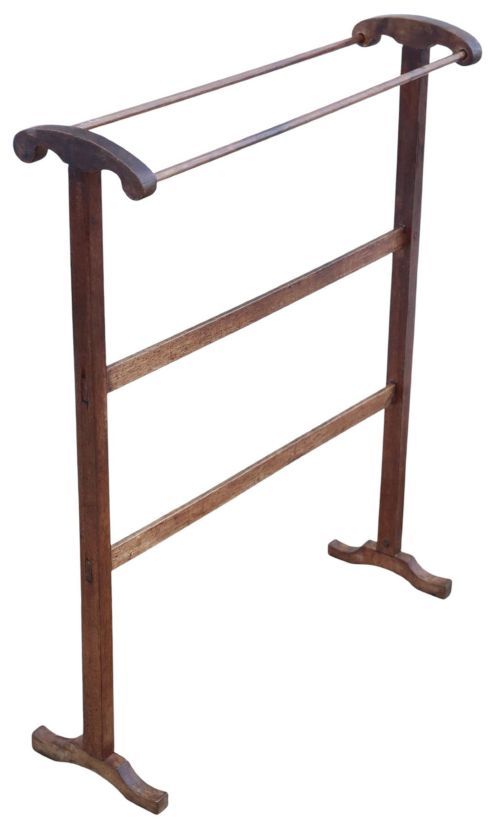
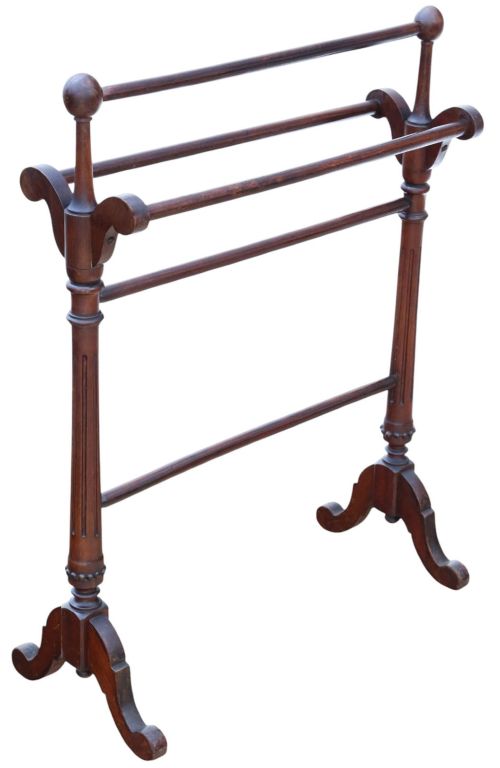
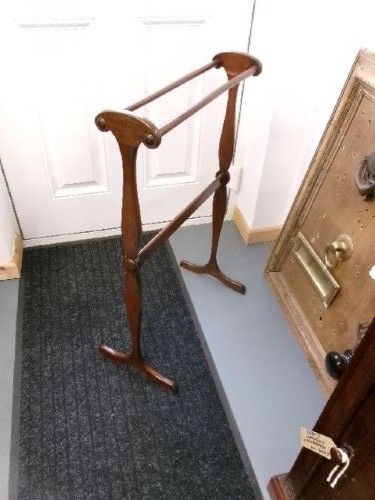
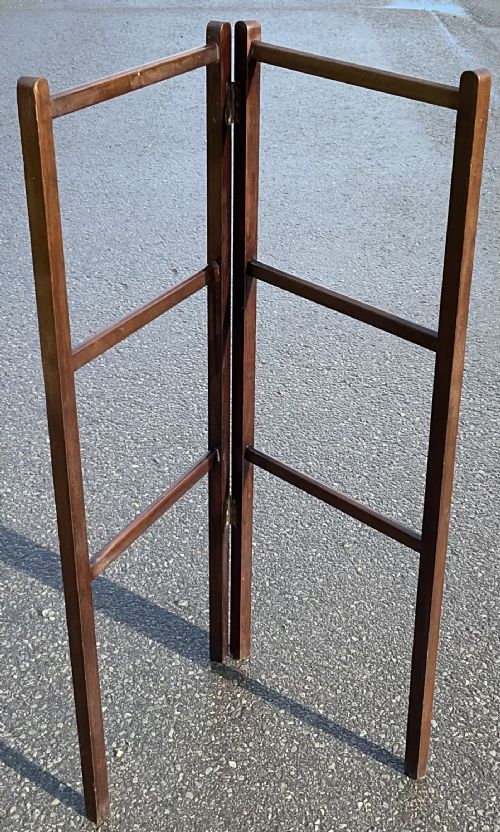
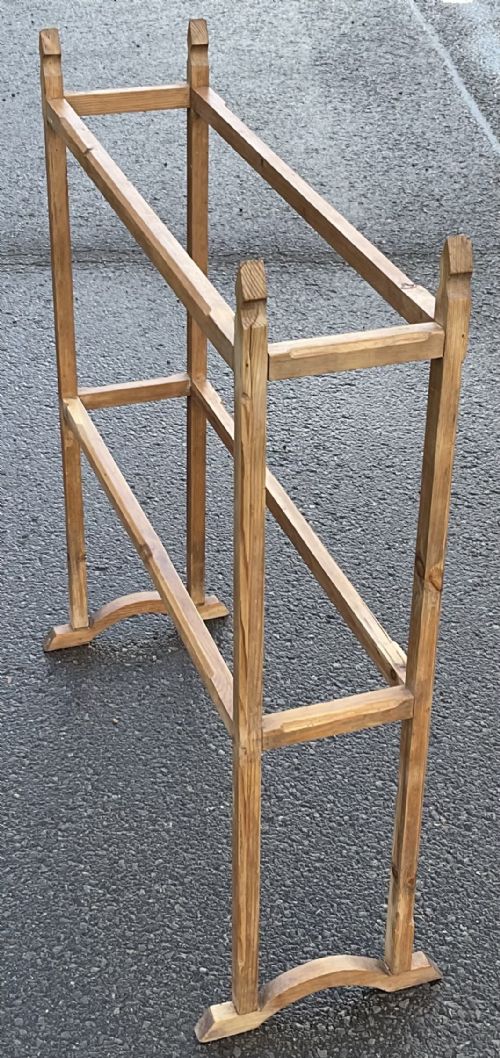
Towel rail stands make up the remaining majority of pieces, appearing as single, multi-bar, or folding wooden frames. Built from woods such as mahogany, pine, and walnut, they offer designated space for airing and hanging textiles.
How they were made
Cabinetmakers constructed these frames using dense hardwoods like mahogany and walnut alongside softer domestic timbers such as pine and oak. Joinery techniques prioritized load-bearing strength, utilising mortise and tenon joints to support the weight of wet textiles and heavy stone.
Stone integration defined the premium washstands, featuring slabs of fitted marble secured into wooden surrounds to resist water damage. Ceramic tiles and glazed basins were incorporated directly into the structure, alongside brass fittings and satinwood inlay for decorative contrast.
Vintage Bathroom Stand Retail Price Guide 2026
Typical asking prices for vintage bathroom stand among the pieces listed under this phrase on Sellingantiques today, from the lower quarter to the upper quarter. They describe what is for sale here now, not the wider market.
Listings span the nineteenth and early twentieth centuries, featuring Victorian, Edwardian, and Arts and Crafts design movements.
What varies in quality
The choice of primary timber and secondary materials dictates the underlying grade of the piece, moving from utilitarian painted pine to figured mahogany and walnut. Superior examples incorporate decorative elements such as satinwood inlay, brass mounts, and detailed carvings.
The condition and thickness of the fitted marble top or ceramic components set individual pieces apart. Heavier, unblemished stone slabs and intact tile borders indicate higher workshop standards during production.
Walker & Sons·Gillows
The Vintage Bathroom Stand Glossary
- Washstand
- A piece of furniture designed to hold a basin and washing equipment before the widespread installation of indoor plumbing. These units often incorporated marble tops and lower storage cabinets.
- Towel rail
- A freestanding wooden frame featuring one or more horizontal bars used for hanging and drying towels. Variants include folding, three-fold, and multi-bar configurations.
- Splashback
- A vertical panel rising behind the washstand top to protect the wall from water splashes. These often featured inset ceramic tiles or matching marble.
- Satinwood inlay
- A decorative technique using contrasting light-colored wood veneers embedded into the primary dark timber surface. This detail appeared frequently on Edwardian and Sheraton Revival pieces.
- Marble top
- A heavy stone slab fitted to the upper surface of a washstand to provide a waterproof working area. These surfaces vary in colour and veining depending on the quarry source.
Vintage Bathroom Stand: Frequently Asked Questions
How do I use a vintage washstand today?
A vintage washstand serves well as an occasional table, hallway surface, or modified sink unit in a modern bathroom.
The durable marble top provides a natural water-resistant counter for toiletries and everyday items.
How do I care for a marble top?
Clean the marble surface using warm water and a soft cloth, avoiding acidic cleaners that can etch the stone.
Applying a suitable stone sealer helps protect the polished finish from moisture and staining over time.
How can I date a towel rail stand?
Examine the wood species, construction joints, and stylistic details to determine the approximate decade of manufacture.
Victorian pieces often favor heavier mahogany and walnut, while Edwardian examples frequently showcase lighter frames and simpler turning.
Are these stands suitable for small bathrooms?
Many towel rail stands and corner washstands feature compact dimensions that fit well into restricted floor spaces.
Freestanding designs require no permanent wall installation, allowing for flexible placement around the room.