



Vintage Bathroom Rail
These vintage bathroom rail pieces turn a functional necessity into period character, offering solid timber stands and glass or chrome holders to warm towels.
Vintage Bathroom Rail
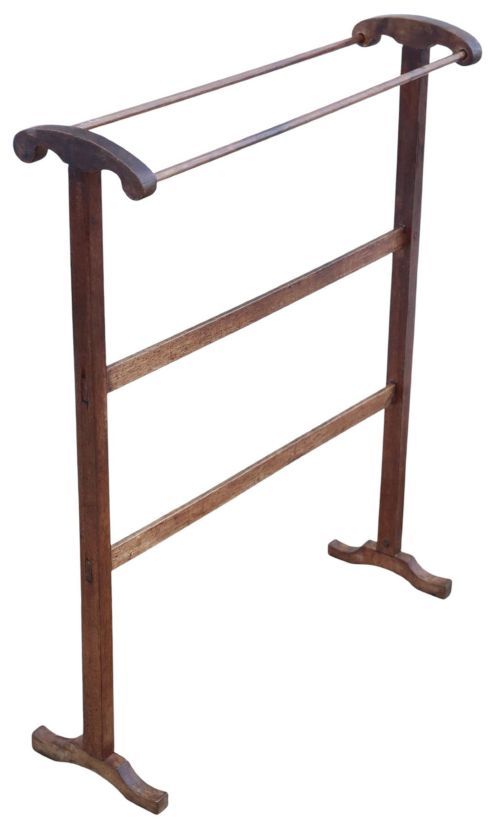
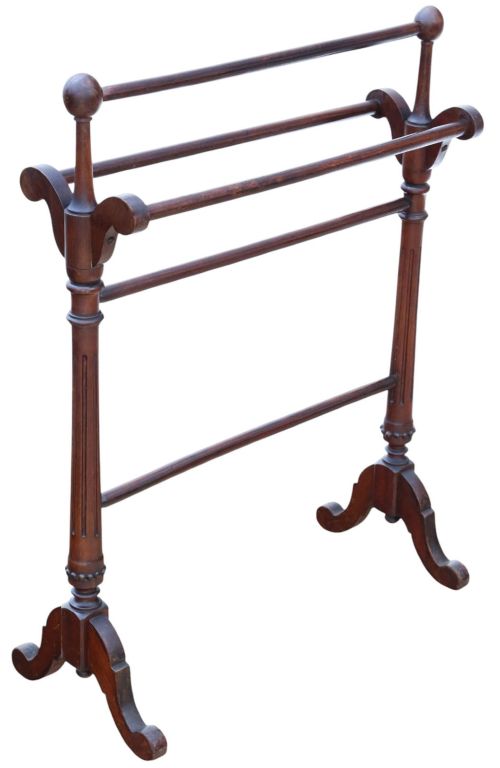
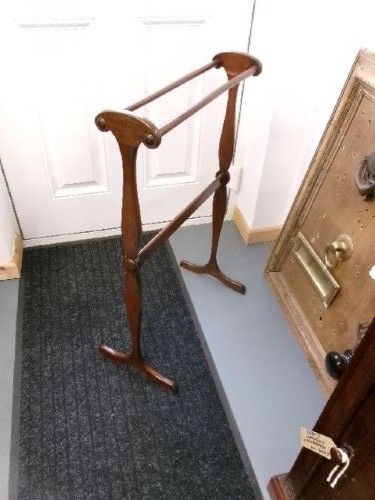
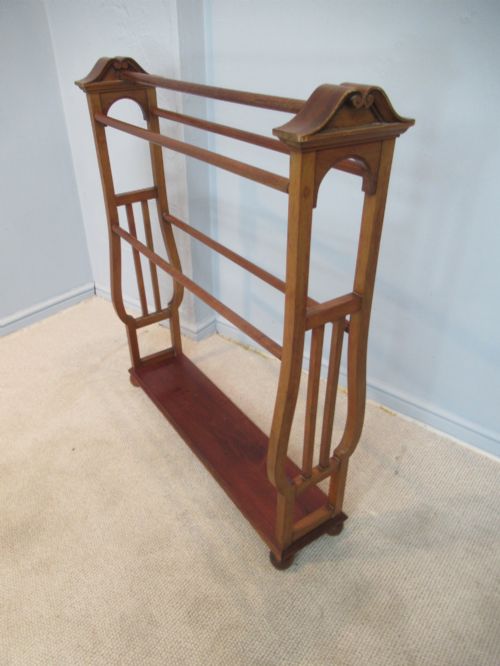
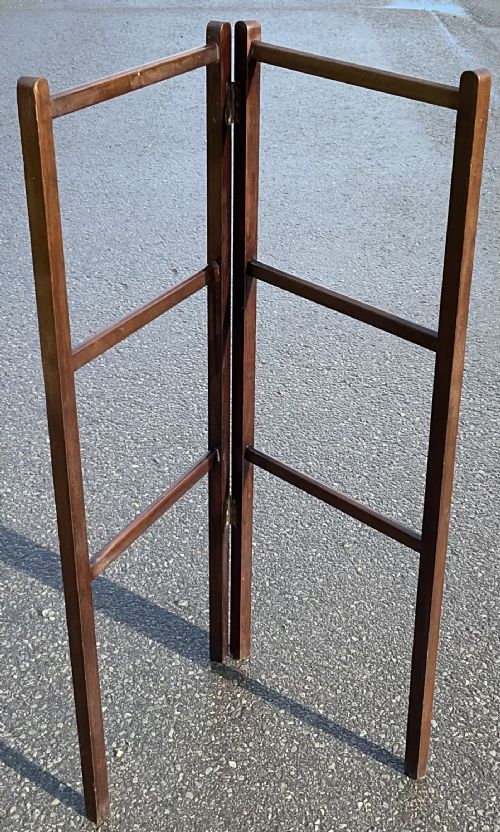
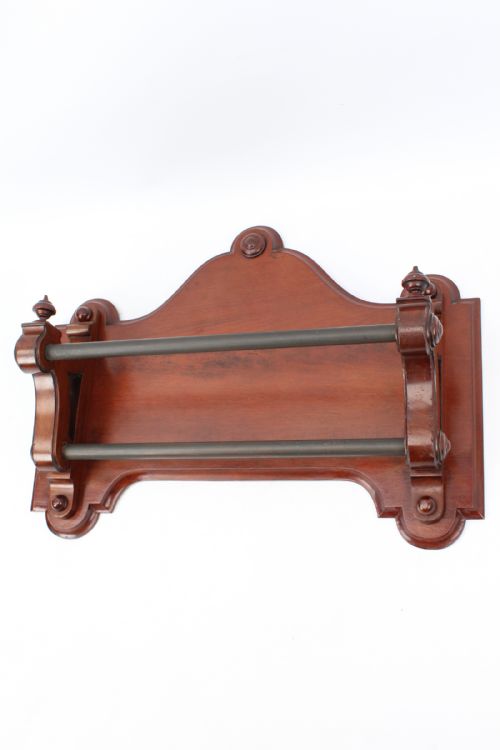
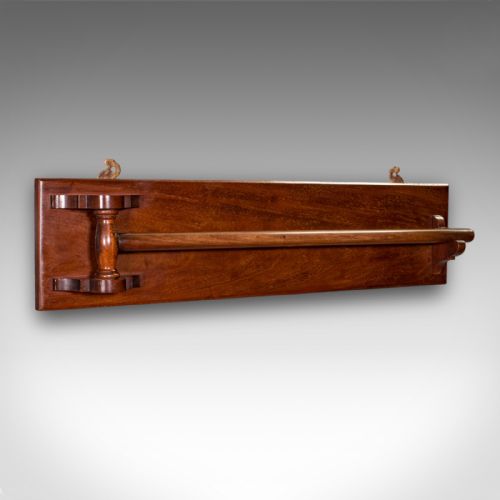
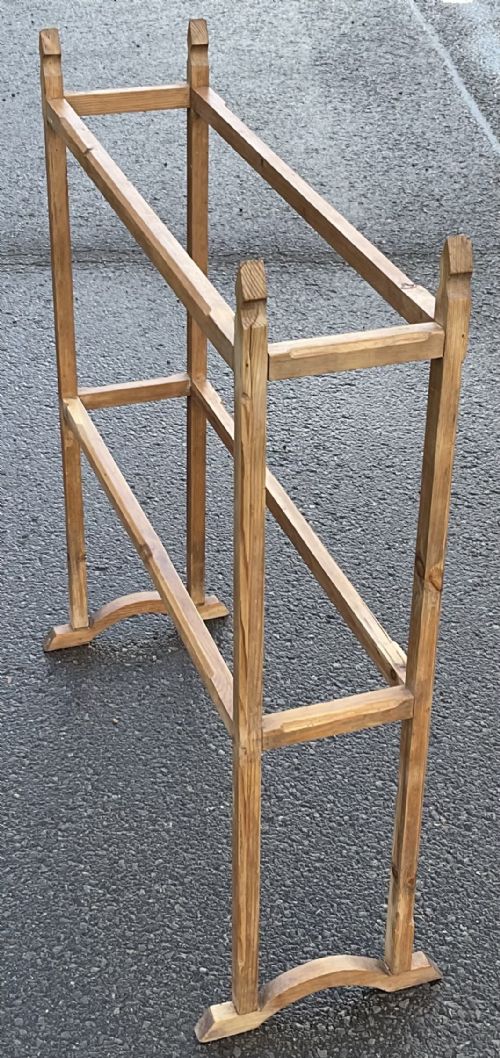
When you search for a vintage bathroom rail, you encounter a selection of freestanding wooden stands and wall-mounted fixtures from the nineteenth and early twentieth centuries. The listings frequently feature freestanding mahogany and pine towel rail designs alongside Edwardian folding frames and robust Victorian constructions.
You are most likely to meet mahogany floor-standing pieces built with multiple rails or folding sections. These range from compact single-rail items to large country house pieces featuring five bars and inlaid details.
The material palette extends beyond timber to include utilitarian bathroom hardware such as glass shelves fitted with chrome mountings and chromed vanity mirrors. These pieces span periods from the Regency era through to the Art Deco decades.
How they were made
Cabinetmakers constructed the floor-standing rails predominantly using dense timbers like mahogany, oak, walnut, and pine. These woods were turned, joined, and sometimes ebonised or inlaid to suit the aesthetic tastes of the Victorian and Edwardian periods.
Later twentieth-century additions utilise industrial materials such as chrome, steel, and plate glass. Metal brackets and mountings secure glass rods to walls, combining reflective surfaces with functional hanging space.
Vintage Bathroom Rail Retail Price Guide 2026
Typical asking prices for vintage bathroom rail among the pieces listed under this phrase on Sellingantiques today, from the lower quarter to the upper quarter. They describe what is for sale here now, not the wider market.
A sturdy maritime drying rack whispers tales of salty sea voyages straight into your morning routine.
What varies in quality
The distinction between standard utility items and finer examples lies in timber selection and joinery. Superior pieces utilise rich mahogany or figured walnut with careful turning on the upright supports and robust corner joints.
Artisan touches such as decorative inlays, maritime elements, or complex five-bar folding mechanisms elevate a piece beyond basic domestic utility. The weight and finish of the chrome mountings similarly differentiate standard production from superior hardware.
The Vintage Bathroom Rail Glossary
- Mahogany
- A durable, reddish-brown tropical hardwood favoured by nineteenth-century cabinetmakers for its strength and polished finish. It appears frequently in the uprights and crossbars of standing towel rails.
- Ebonised
- Wood treated with a dark finish to imitate expensive ebony. This technique creates a dramatic, dark surface seen on specific turn-of-the-century stands.
- Edwardian
- A design period spanning the reign of King Edward VII until the First World War, characterised by lighter furniture forms and inlaid decorations. Pieces from this era often feature simpler lines than their Victorian predecessors.
- Gothic Revival
- An architectural and decorative style drawing inspiration from medieval forms. In these listings, it manifests in walnut frames with ecclesiastical or pointed architectural influences.
Vintage Bathroom Rail: Frequently Asked Questions
How do I care for a wooden towel rail?
Keep wooden stands away from direct, constant sources of bathroom moisture and excessive heat to prevent the timber from warping.
Apply a traditional wax polish periodically to nourish the surface and protect the grain from everyday handling.
Are these rails strong enough for heavy wet towels?
Most floor-standing mahogany and pine frames are sturdily built with multiple bars to support damp household linens with ease.
Wall-mounted glass and chrome versions rely entirely on secure wall fixings rather than the glass rod itself for weight capacity.
Can I fold these towel stands away?
Certain Edwardian and nineteenth-century designs feature hinged multi-fold frames that collapse flat when not in use.
Rigid standing frames and heavy wall-mounted glass rails remain fixed in their assembled configuration.
How do I date a wooden towel rail?
Look to the timber choice, construction methods, and stylistic cues such as Regency turning or Edwardian inlaid decoration.
Heavier, darker walnut and mahogany pieces typically point to Victorian origins, while lighter pine often aligns with the Edwardian period.