

Vintage Barley Twist
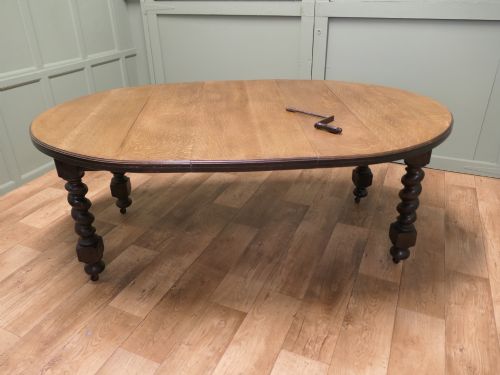
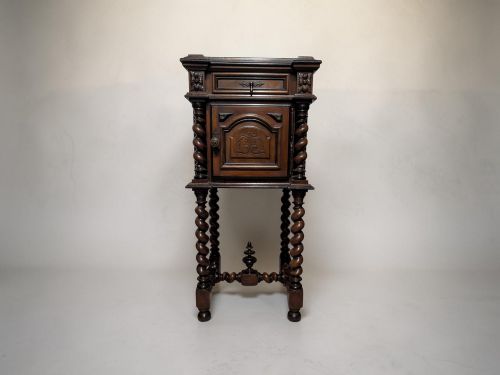
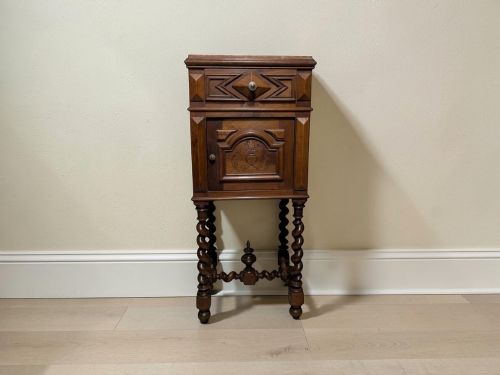
These vintage barley twist pieces bring spiral-turned timber into everyday rooms, offering sturdy oak and walnut forms built to last.
Vintage Barley Twist
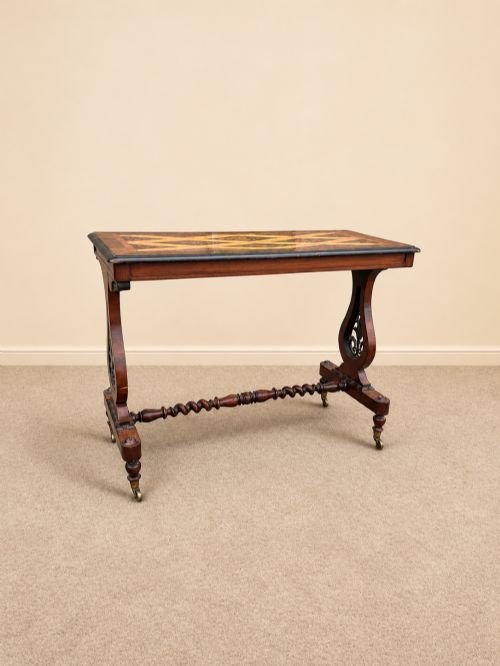
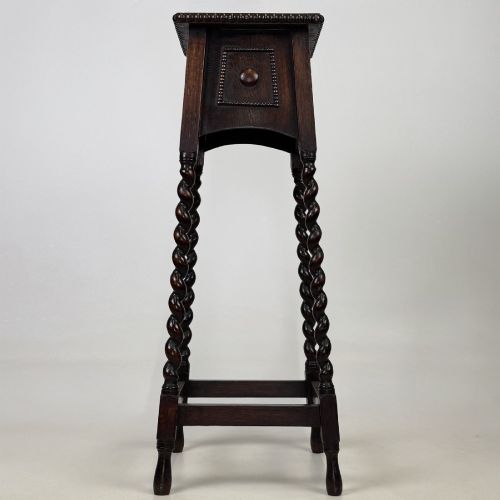
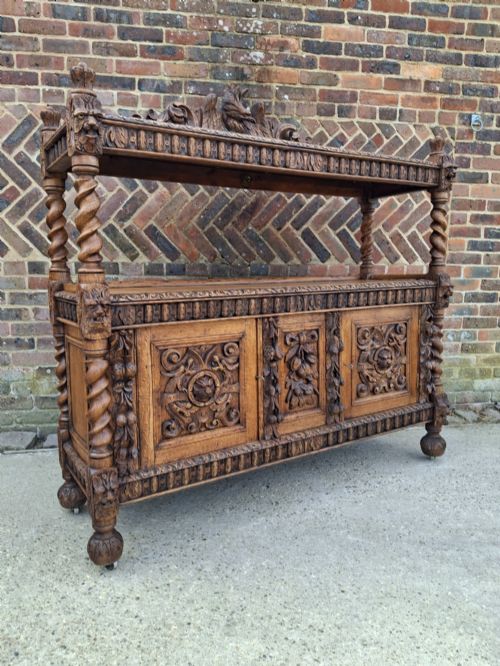
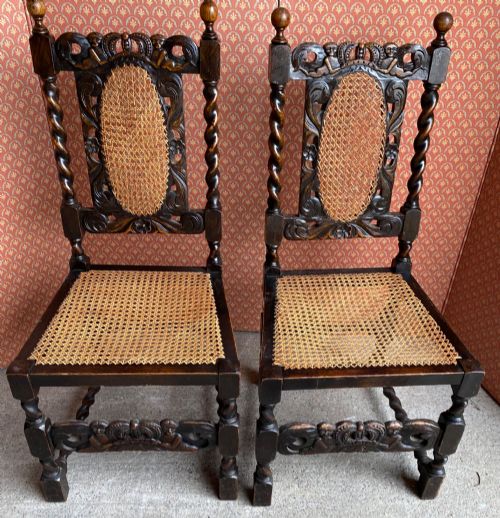
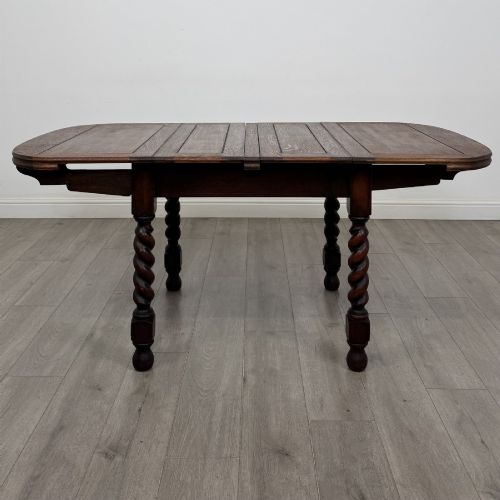
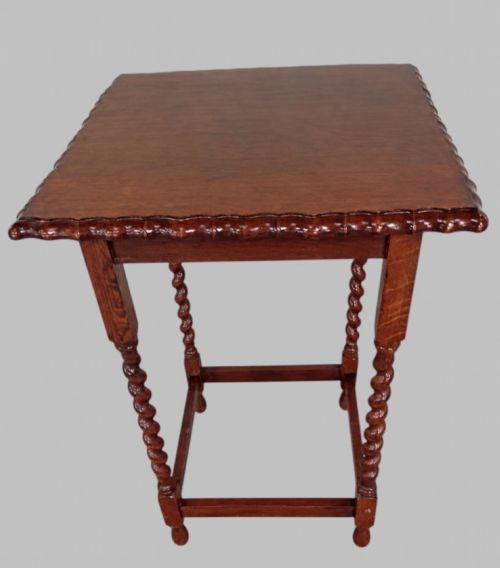
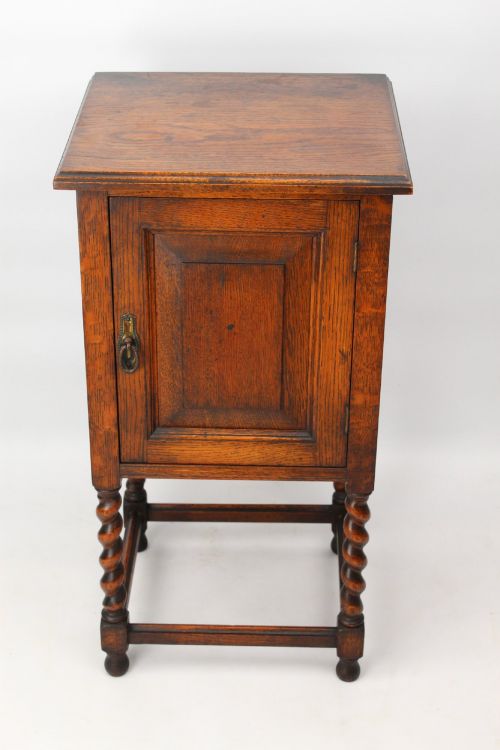
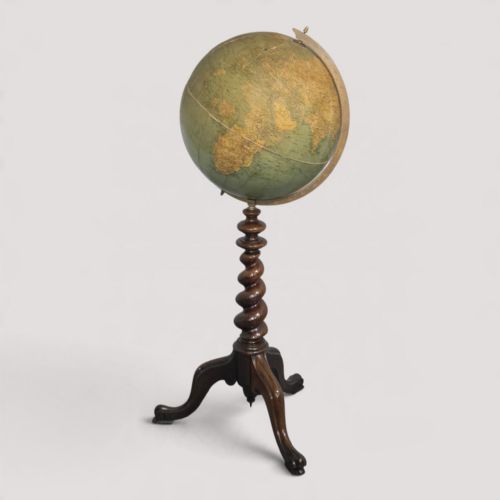
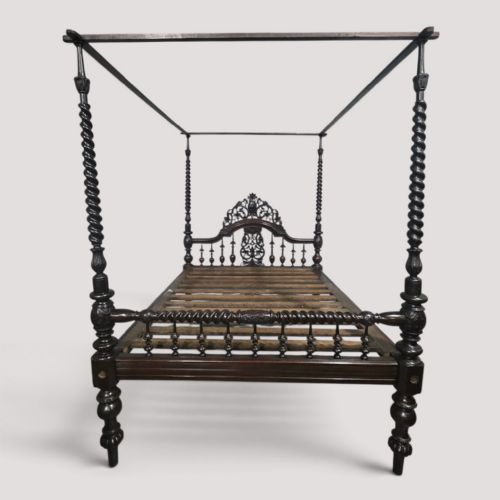
Vintage barley twist describes furniture and decorative items featuring spiral-turned columns, a design tradition that recurs across centuries in British craft. When searching for vintage barley twist, buyers typically encounter sturdy oak tables, sideboards, chairs, and occasional stands originating from the late nineteenth and early twentieth centuries.
The selection here draws primarily from Edwardian and 1920s revival periods, alongside nineteenth-century examples and earlier interpretations. Common forms range from gateleg dining tables and umbrella stands to lamp bases and grandmother clocks, rooted in Jacobean and Carolean revival styles.
Materials and construction
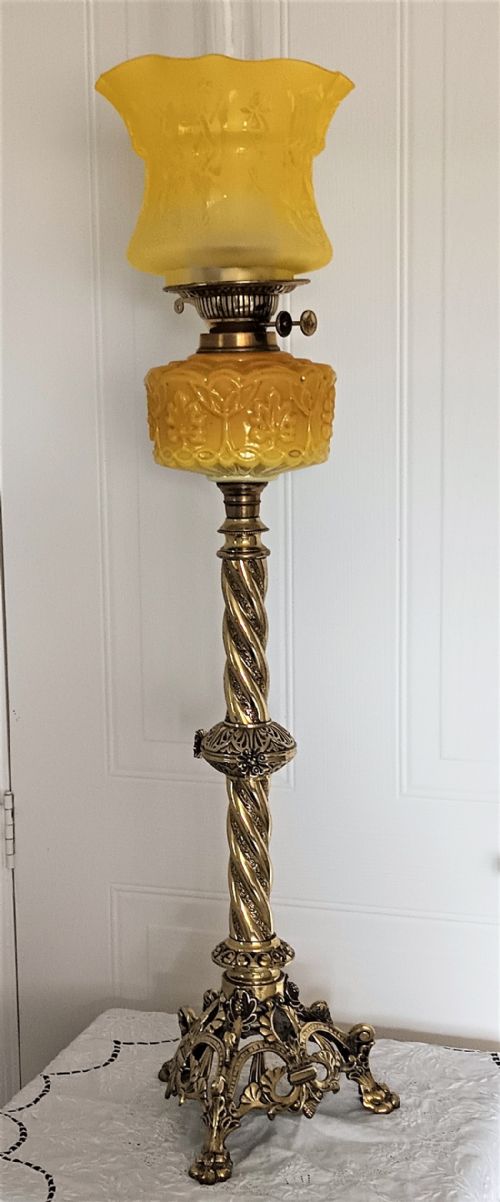
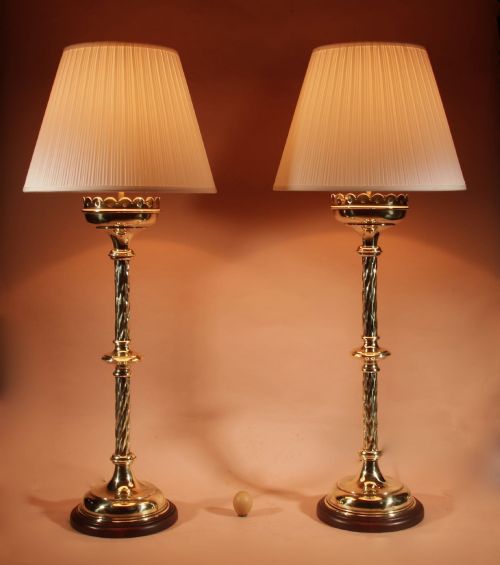
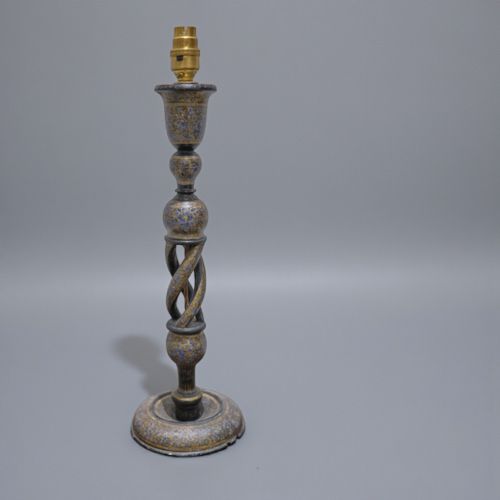
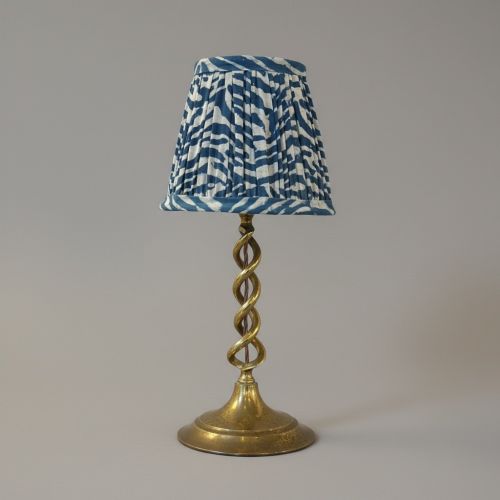
Makers relied heavily on solid oak and walnut, turning timber on a lathe to create the characteristic helical rope pattern before assembling the frames with traditional joinery. Brass and glass also appear in supporting roles, particularly for candlesticks, hardware, and decorative lighting elements.
Surface treatments typically involve polishing the timber to accentuate the grain of the spiral turns, while upholstery fabrics and cane work are integrated into seating and storage pieces where appropriate.
Vintage Barley Twist Retail Price Guide 2026
Typical asking prices for vintage barley twist among the pieces listed under this phrase on Sellingantiques today, from the lower quarter to the upper quarter. They describe what is for sale here now, not the wider market.
Object forms range from practical dining tables and desks to decorative umbrella stands and church candlesticks.
Assessing quality and craftsmanship
Quality rests in the crispness of the turning and the selection of timber, where tightly pitched spirals carved from solid oak command attention compared to softer or shallower machine-cut grooves. The integrity of the underlying joinery, particularly on weight-bearing table legs and chair frames, determines structural longevity.
Proportion and balance define the better examples, ensuring the twist feels integral to the piece rather than an applied afterthought, while period brassware and original fittings preserve historical character.
The Vintage Barley Twist Glossary
- Barley twist
- A decorative turning technique resembling a twisted rope, popular in seventeenth-century furniture and revived during the Victorian and Edwardian eras. It appears frequently on table legs, chair supports, and standard lamps.
- Gateleg table
- A drop-leaf table with hinged legs that swing out to support the opened leaves. This form was widely produced in oak during the early twentieth-century revival periods.
- Jacobean Revival
- A style popular in the late nineteenth and early twentieth centuries that imitates seventeenth-century English furniture. It is characterised by dark oak, panelled construction, and heavy spiral turnings.
- Whatnot
- A set of open shelves supported by slender pillars, used for displaying ornaments or books. Victorian examples often incorporate spiral-turned uprights.
- Bureau bookcase
- A writing desk with a sloping flap, surmounted by a glazed or panelled cabinet. Many revival-era versions feature spiral-turned leg supports.
Vintage Barley Twist: Frequently Asked Questions
What periods do these pieces come from?
The selection spans several centuries, with a strong concentration of pieces originating in the Edwardian era, the 1920s, and the Victorian period. Earlier Georgian and seventeenth-century influences inspired these later revival designs.
Craftsmen across these different decades reinterpreted the spiral turning technique in oak, walnut, and other traditional materials to suit contemporary domestic interiors.
How do I care for oak twist furniture?
Maintain timber surfaces by dusting regularly with a dry cloth and occasionally applying a suitable beeswax to nourish the wood. Avoid placing pieces near direct heat sources or strong sunlight to prevent the timber from drying out.
Ensure joints remain stable by checking fastenings periodically, particularly on dining tables and chairs that experience frequent movement.
Where were these items used originally?
These furnishings were designed for principal rooms in British homes, including dining rooms, hallways, and studies. Gateleg tables and sideboards served practical family needs, while umbrella stands and occasional tables occupied hallways.
Smaller decorative items such as candlesticks and lamp bases added warmth and illumination to drawing rooms and parlours.
How can I tell the age of a twist piece?
Dating relies on examining construction methods, timber choice, and hardware such as hinges and drawer linings. Edwardian and 1920s revival pieces often display machine assistance alongside hand finishing, whereas earlier examples show entirely hand-carved tool marks.
Stylistic cues like the depth of the timber grain and the presence of revival motifs also help place an object within its specific period.