




Vintage Bar Seating
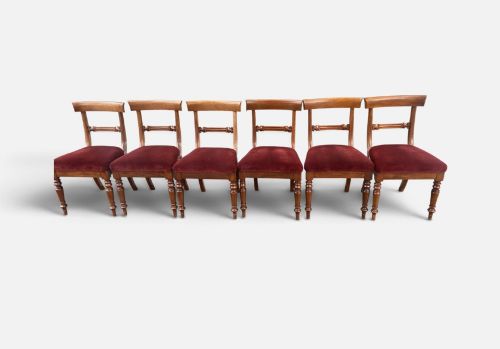
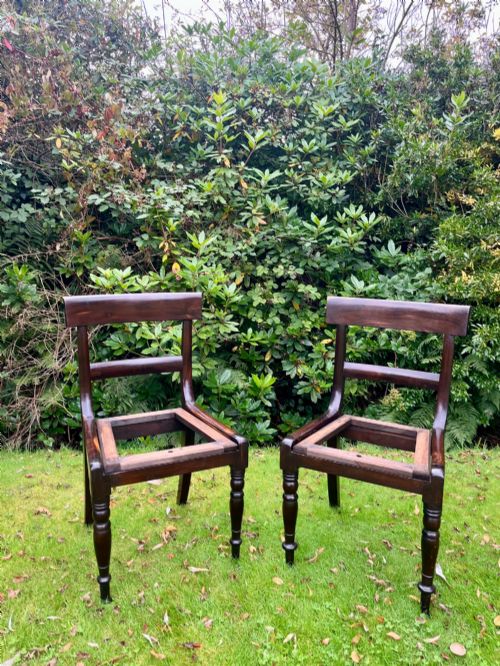
Vintage bar seating brings together industrial workshop stools and tall wooden pub seats designed to elevate counters and high tables with honest character.
Vintage Bar Seating
Vintage bar seating encompasses tall stools, pub and tavern seating, and workshop furniture designed for elevated work or social spaces. Pieces span from the 19th century through the mid-20th century, capturing shifts in both domestic and commercial environments.
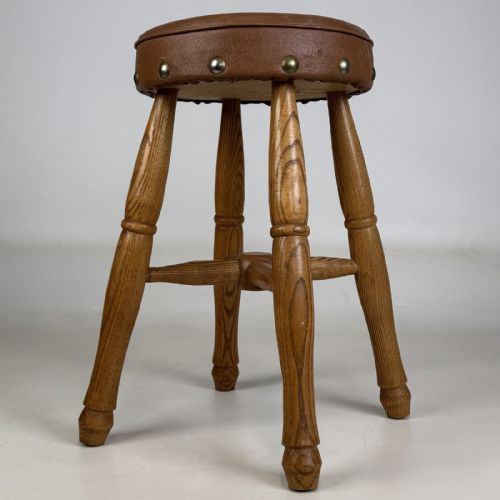
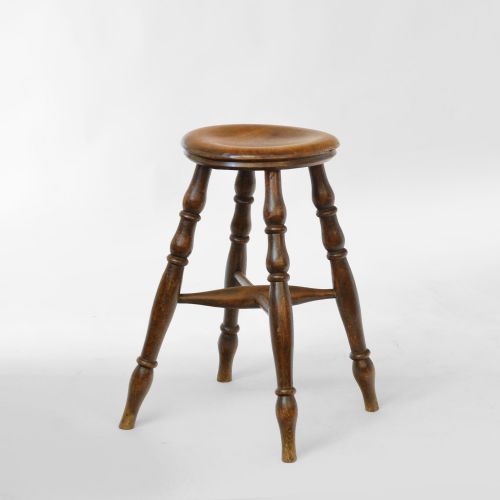
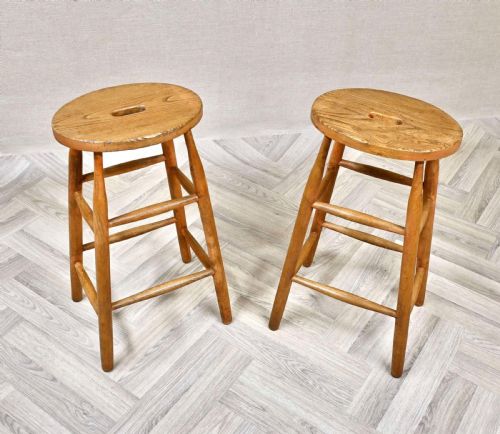
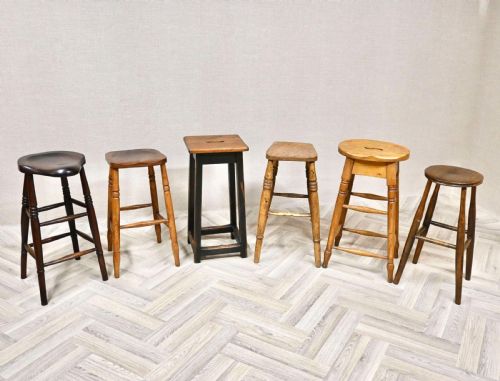
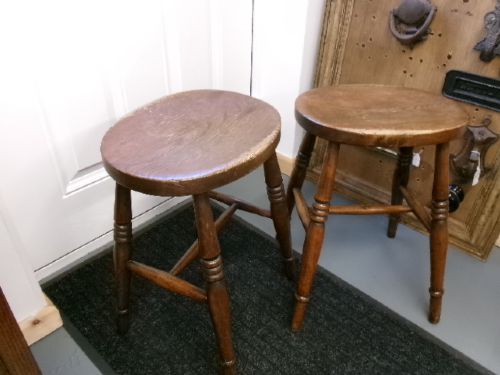
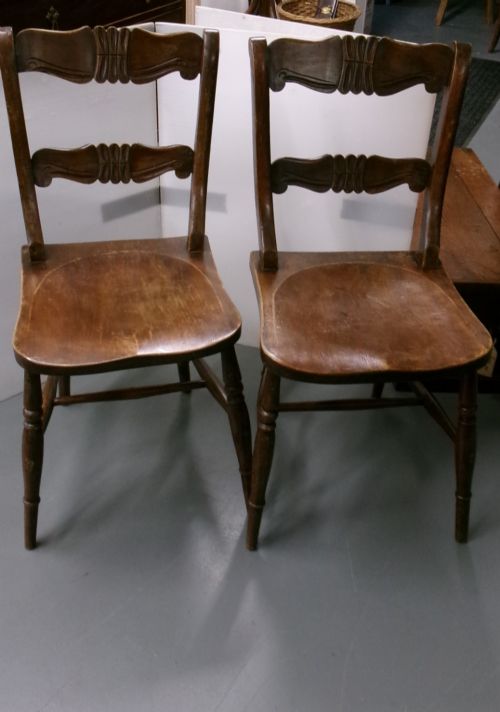
Pub and tavern examples frequently feature dished wooden tops in sycamore, elm, or oak, often standing on tall turned legs suited to everyday public house use. These are complemented by industrial metal and wood combinations originating from workshops and factories.
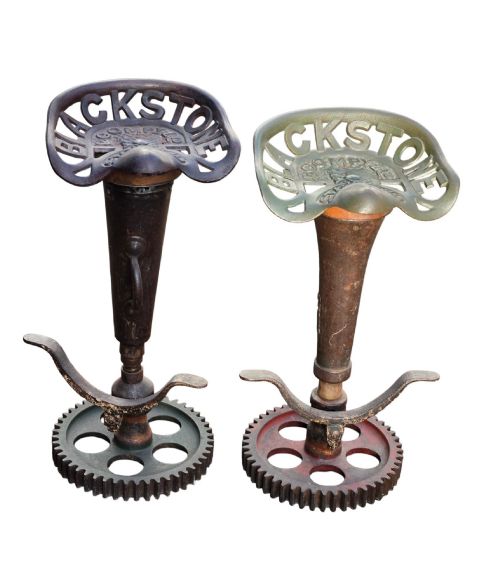
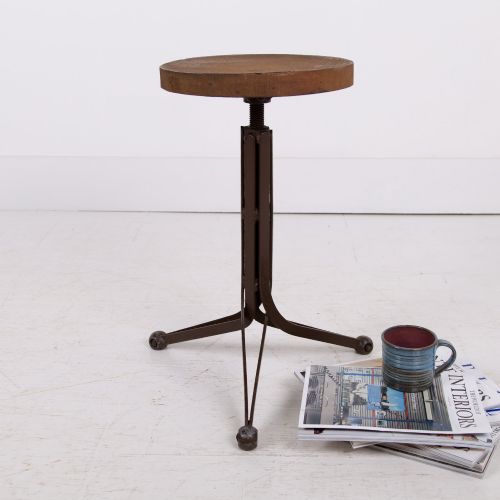
Industrial forms rely on steel frames, cast-iron bases, and riveted construction, occasionally incorporating gear cogs or adjustable mechanisms. Alongside these sit bentwood high stools and leather-upholstered examples from the early decades of the twentieth century.
Materials and construction methods
The construction of these pieces depends heavily on solid timbers such as mahogany, oak, elm, sycamore, beech, and birch, selected for strength and durability. Wood seats are frequently carved into oval dished tops or saddle shapes to accommodate the user.
Industrial examples utilise cast-iron bases, steel framing, and metal riveting to withstand heavy workshop use. Bentwood techniques employ steam to shape timber into continuous curves for lightweight yet robust frames.
Upholstered variants incorporate leather and fabric surfaces, sometimes featuring brass studding around the seat perimeter. Joinery methods range from traditional wood turnings and pegging to metal welding and bolted joints.
Vintage Bar Seating Retail Price Guide 2026
Typical asking prices for vintage bar seating among the pieces listed under this phrase on Sellingantiques today, from the lower quarter to the upper quarter. They describe what is for sale here now, not the wider market.
Some industrial stools retain cast-iron gear cog bases that once spun to adjust the height of a busy factory worker.
Assessing quality in taller seating
Quality rests in the integrity of the original materials and the honesty of the construction, whether in the weight of a cast-iron gear base or the figuring of solid elm and sycamore tops. Timber pieces show superior joinery through tight turnings and sound structural connections that endure constant use.
Industrial items derive distinction from original mechanical components, such as functional adjustment screws and genuine maker markings on iron seats, rather than assembled replacements. The retention of original patination on both wood and metal surfaces elevates the piece.
Proportion and balance dictate the success of taller seating, where slender legs must support the height without wobble or excessive reinforcement. Refined carving on dished seats and well-executed bentwood curves signal careful manufacture.
Blackstone & Co·Rubery Owen·Heals
The Vintage Bar Seating Glossary
- Dished top
- A wooden seat carved into a shallow concave bowl shape for comfort. This technique is common on 19th-century pub and tavern stools.
- Bentwood
- Wood softened by steam and bent into curved structural forms. This method creates lightweight and resilient frames for high stools.
- Cast-iron base
- A heavy metal foundation providing stability for industrial workshop seating. These often incorporate threaded height-adjustment mechanisms or gear cogs.
- Saddle seat
- A wooden seat sculpted to mimic the contours of an equestrian saddle. Found on mid-19th-century elm artist and bar stools.
- Clerk's stool
- A tall wooden stool traditionally used at standing desks or high writing counters. They typically feature turned beech or birch legs with peripheral stretchers.
Vintage Bar Seating: Frequently Asked Questions
What defines vintage bar seating?
Vintage bar seating comprises tall stools, pub seats, and industrial workshop chairs originating from the nineteenth and early twentieth centuries. These pieces were built for functional commercial use in taverns, factories, and offices rather than domestic dining.
Materials range from solid elm, sycamore, and mahogany to heavy steel, cast iron, and bentwood. Their common trait is elevated height combined with robust construction designed to endure heavy daily wear.
How were tavern stools used?
Tavern and pub stools provided casual seating around high counters, tables, or bar areas where patrons gathered for drinks and conversation. Their compact footprints allowed them to tuck neatly beneath counters when not in use.
Dished wooden tops and sturdy foot stretchers offered comfort and support during extended periods of sitting in bustling public houses.
How do I care for wooden tall stools?
Wooden tall stools require stable indoor humidity levels to prevent timber from drying out or splitting at the joints. Regular dusting with a soft cloth preserves the surface patination without stripping natural oils.
Avoid placing vintage wooden seating near direct heat sources or in strong sunlight, which can fade exposed mahogany, elm, and oak surfaces over time.
How do I distinguish industrial from pub stools?
Industrial stools rely on metal frames, cast-iron bases, and riveted steel construction, often featuring mechanical height adjustments or workshop provenance. Pub stools are primarily constructed from turned timbers like beech, birch, or sycamore with carved wooden tops.
Industrial examples carry the weight and aesthetic of factories and drafting rooms, while pub stools reflect traditional carpentry and turnery suited to hospitality environments.