






Vintage Arts and Crafts Wall Mirror
These vintage arts and crafts wall mirror pieces bring honest hand-worked metal and solid timber into a room.
Vintage Arts and Crafts Wall Mirror
A vintage arts and crafts wall mirror offers a direct link to the late nineteenth and early twentieth century design reform movements. These pieces focus on visible craftsmanship and honest materials rather than mass-produced machine ornamentation.
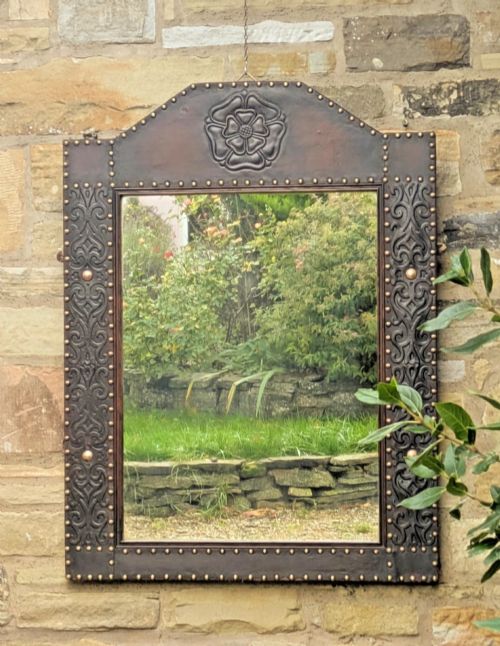
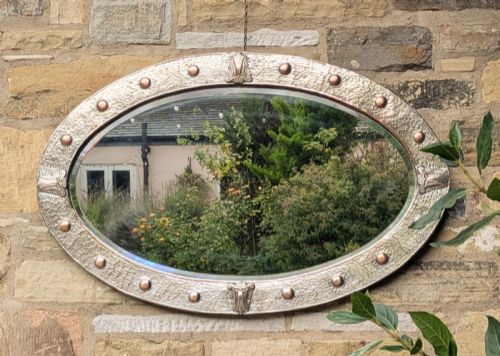
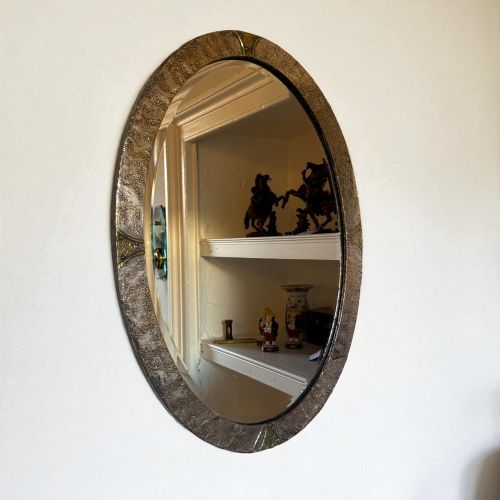
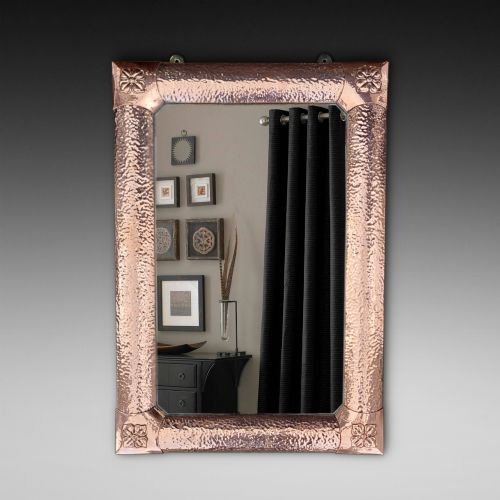
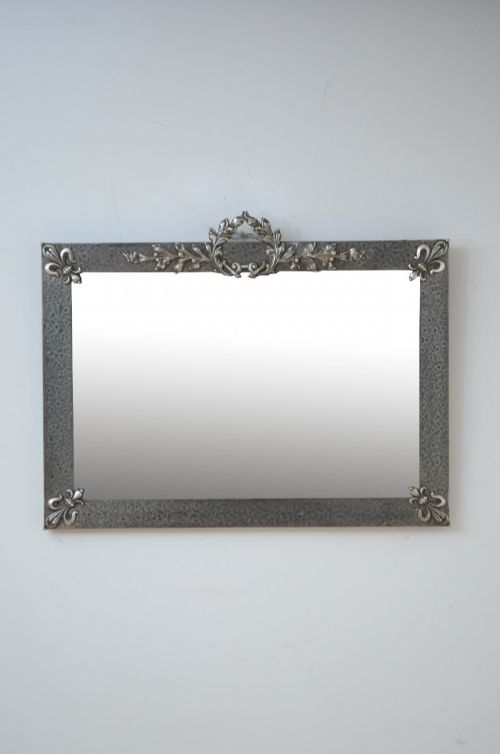
The most common examples on this page take the form of wall mirrors framed in beaten copper, brass, or carved oak. They span the Edwardian period, 1900, and 1910, often displaying characteristic rectangular, oval, or round formats.
Beyond simple wall hanging mirrors, the selection includes larger overmantel mirrors and occasional console tables fitted with mirrors. These provide functional reflection while anchoring a hallway or sitting room with period character.
How they were made
Makers shaped the metal frames by hand, hammering copper and brass sheets over wooden formers to create textured surfaces. This beaten or worked metal finish catches the light and reveals the physical labour of the artisan.
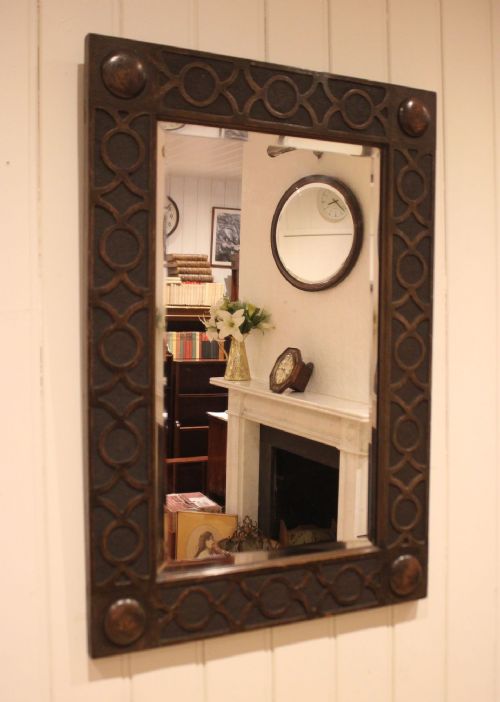
Timber frames utilise solid oak, sometimes carved or inlaid, providing a robust structure around the glass. Bevelled glass plates feature frequently, adding depth and a finished edge to the reflective surface.
Vintage Arts and Crafts Wall Mirror Retail Price Guide 2026
Typical asking prices for vintage arts and crafts wall mirror among the pieces listed under this phrase on Sellingantiques today, from the lower quarter to the upper quarter. They describe what is for sale here now, not the wider market.
Listings span from the 19th Century through Edwardian items to the 1930s, constructed in oak, copper, brass, and glass.
What varies in quality
The depth and vigour of the hand-hammering on the metal frames set the better examples apart from plain sheet metal. Skilled metalworkers achieved crisp definition and individual character that simpler pressings lack.
The selection of timber and the quality of the joinery mark the division between standard production and superior craftsmanship. Quarter-sawn oak with decorative grain and careful carving elevates an ordinary wall mirror into a notable piece.
Liberty & Co
The Vintage Arts and Crafts Wall Mirror Glossary
- Bevelled glass
- Glass with an angled edge polished around the perimeter. This traditional technique creates a prismatic border that catches daylight.
- Overmantel mirror
- A large mirror designed to hang above a fireplace mantelpiece. These pieces frequently incorporate shelf space or architectural framing.
- Cabochon
- A polished, unfaceted gemstone or ceramic cabochon set directly into the metal frame. They appear as coloured circular accents on specific copper designs.
- Pier wall mirror
- A tall, narrow mirror designed to fit the wall space between windows. They maximise available light in darker Victorian and Edwardian rooms.
Vintage Arts and Crafts Wall Mirror: Frequently Asked Questions
How do I hang a heavy copper mirror?
These metal and timber frames carry considerable weight due to the solid materials used in their construction. Secure fixings into wall studs or appropriate heavy-duty wall anchors are essential for safe hanging.
Check the existing wooden backing and wire or D-rings before mounting. Professional framing hooks distribute the weight evenly across the structure.
How should I clean beaten copper frames?
Copper develops a natural dark patina over decades that indicates age and honest handling. Avoid aggressive metal polishes that strip away this character and leave the surface unnaturally bright.
A gentle dusting with a soft, dry cloth is usually sufficient. If cleaning is necessary, use a non-abrasive cloth without chemical solvents.
Are these mirrors suitable for bathrooms?
Original vintage mirrors feature silvering on the glass and timber backs that react poorly to sustained moisture. High humidity causes the backing to degrade and creates dark spots around the edges of the glass.
Dry rooms such as hallways, sitting rooms and bedrooms suit these materials best. Keep them away from direct steam and water splashes.
How do I date an arts and crafts mirror?
Construction details provide the clearest indication of age, particularly the fixings, timber type, and the composition of the glass. Pieces from around 1900 often feature hand-beaten metal and specific rivet or screw types.
Stylistic cues such as Edwardian oak framing or copper work linked to specific periods help narrow down the decade. Comparing the patination of the wood and metal confirms the age.