
Vintage Art Print
When you search for a vintage art print, you uncover centuries of paper, ink, and framing traditions ranging from eighteenth-century mezzotints to mid-century lithographs.
Vintage Art Print
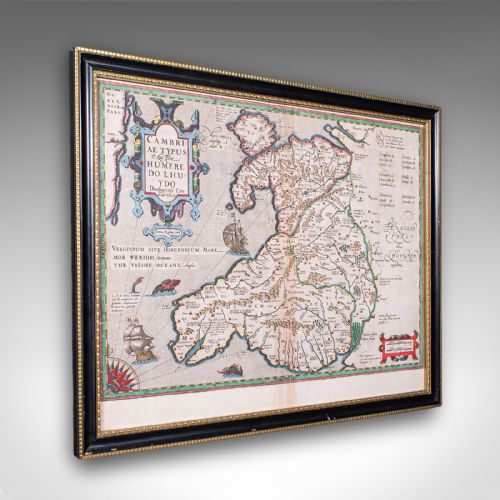
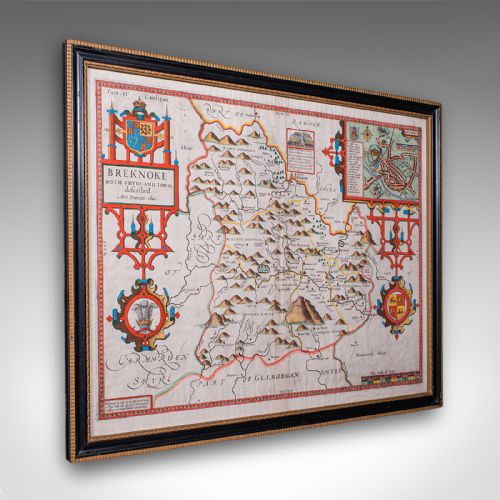
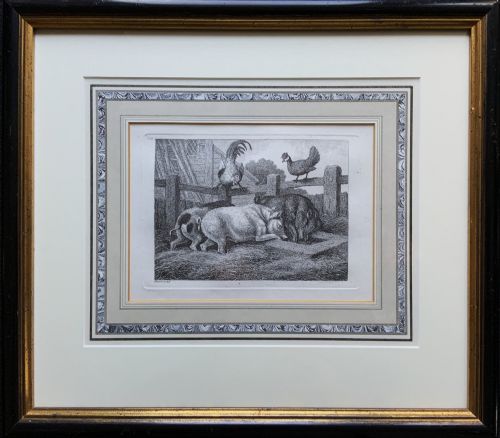
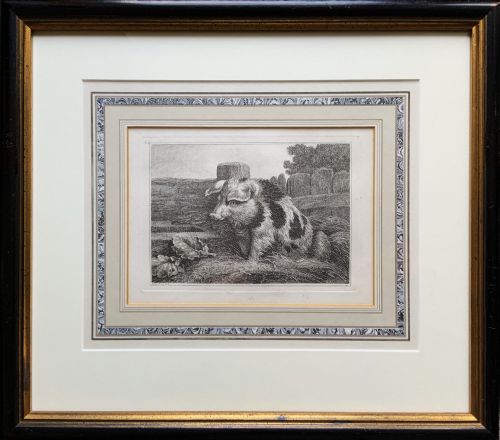
A vintage art print encompasses diverse printed and drawn works, including etchings, engravings, lithographs, and watercolours spanning the eighteenth, nineteenth, and twentieth centuries. Buyers seeking these items encounter framed wall art, book plates, and botanical or zoological illustrations.
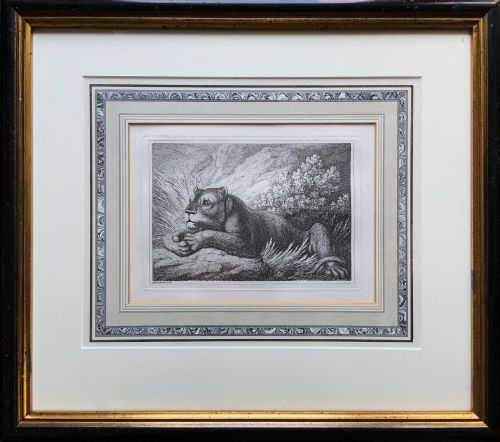
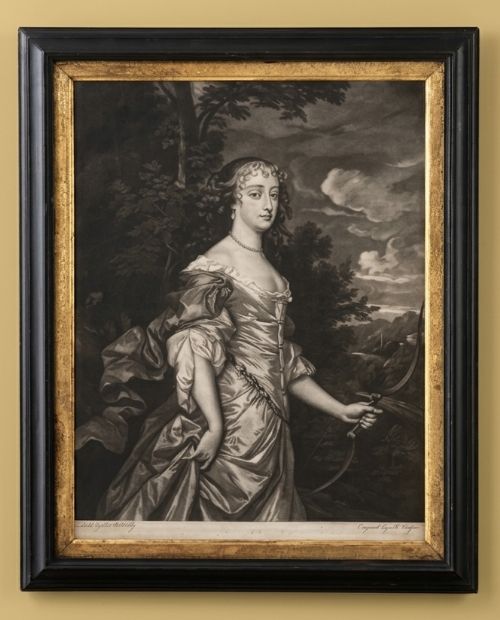
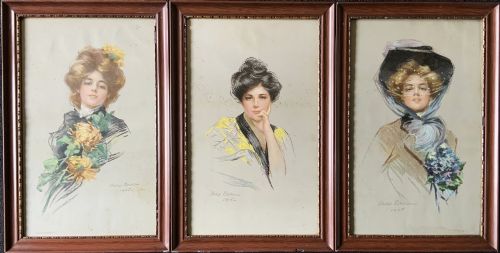
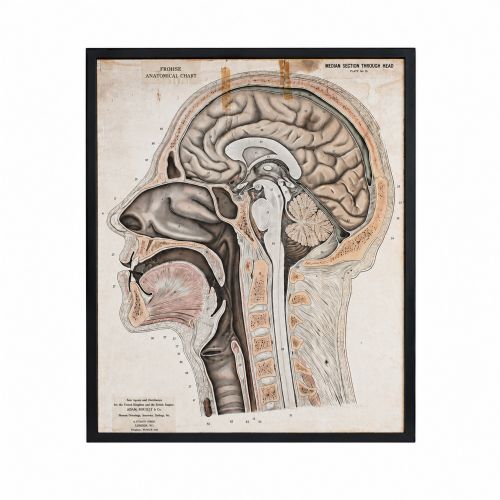
The selections available range from eighteenth-century portraits and anatomical plates to early twentieth-century decorative prints and mid-century animal studies. These pieces often arrive preserved behind glass within wood or giltwood frames.
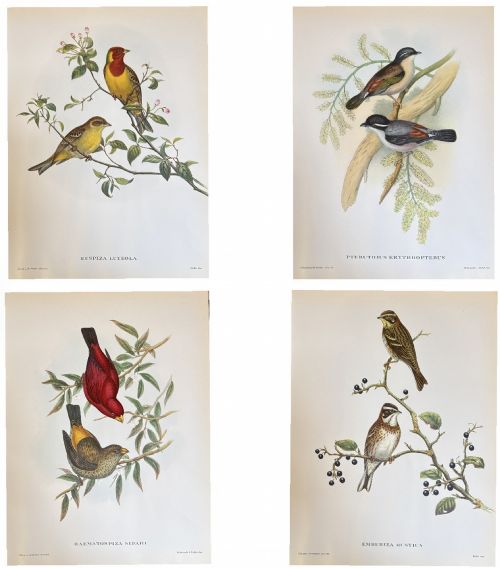
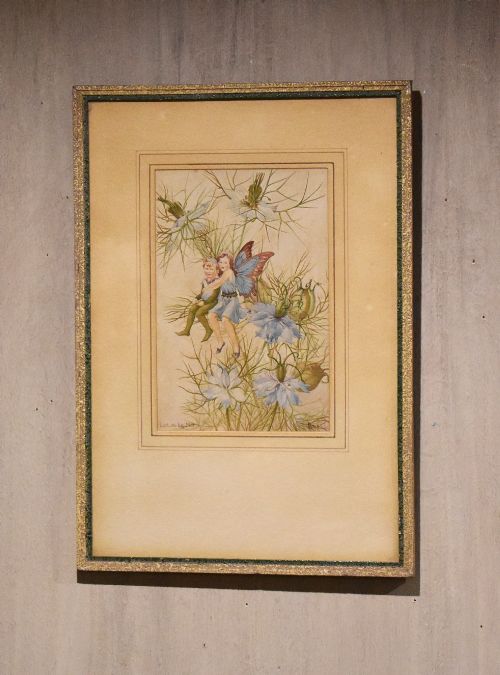
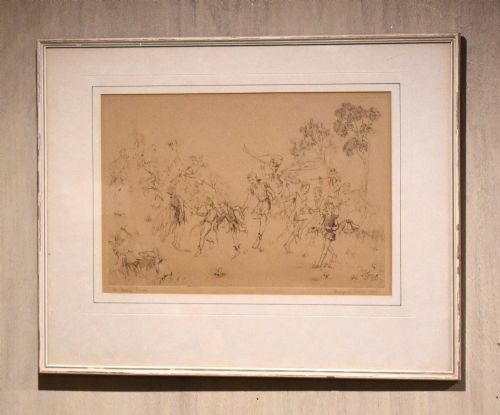
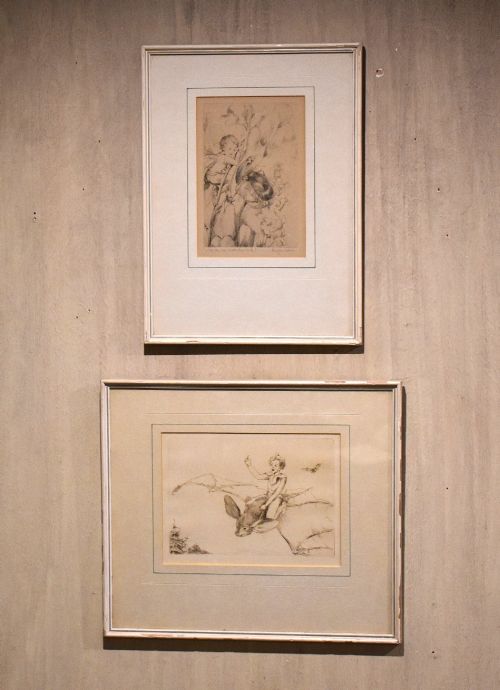
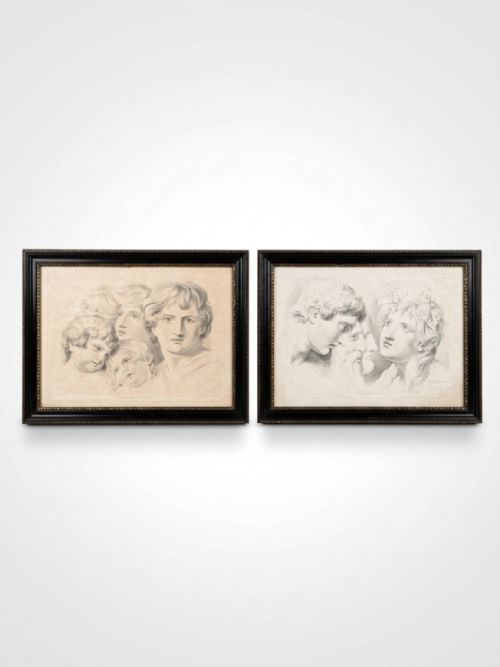
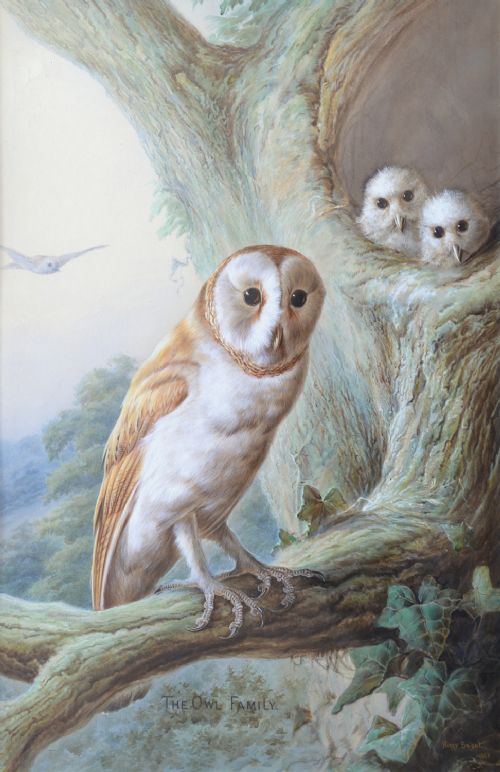
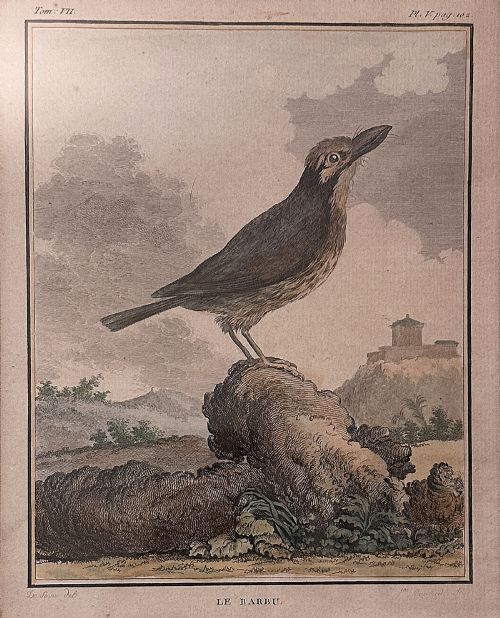
Subjects vary widely, covering natural history plates of birds and reptiles, classical landscapes, portraits of nobility, and illustrative fairy scenes. This variety allows collectors to select works matching specific historical periods or decorative themes.
How they were made
Traditional printing techniques rely on inked plates pressed onto paper, producing fine lines in engravings and rich tones in mezzotints. Artisans frequently added watercolour by hand to enhance botanical and zoological subjects.
Lithography allowed artists to draw directly onto stone or metal plates, capturing softer tonal gradations for posters and decorative illustrations. Woodblock prints utilised carved wooden blocks to transfer distinct lines and flat colour fields.
Framing methods utilised wood, giltwood, and oak to protect the delicate paper substrates. Gold leaf accents frequently highlighted decorative mouldings on nineteenth and twentieth-century frames.
Listings feature paper, ink, and watercolour materials housed within wood and giltwood frames across multiple historical periods.
What varies in quality
The clarity of the impression separates superior prints from worn examples, as plates degraded over successive printings. Sharp lines in early engravings and deep, velvety blacks in mezzotints indicate strong initial strikes.
Paper condition and original colour retention determine the integrity of a piece. Examples retaining vibrant hand-applied watercolours without excessive toning or foxing represent better preservation.
The association of the printmaker with a notable artist or publisher elevates the significance of the work. Skilled engravers translating paintings by masters created pieces valued for both technical execution and artistic pedigree.
Samuel Howitt·Sir William Nicholson·Marjorie L Davies·François-Nicolas Martinet·William Woollett
The Vintage Art Print Glossary
- Mezzotint
- A printmaking process where the copper plate is roughened to achieve rich dark tones and subtle tonal gradations. This technique was frequently utilised for reproducing oil paintings during the eighteenth century.
- Etching
- A method where lines are bitten into a metal plate with acid before being inked and printed onto paper. The resulting image exhibits characteristic freedom of line.
- Lithography
- A planographic printing process based on the repulsion of oil and water, allowing artists to create fluid tonal illustrations. It became popular for posters and illustrated plates.
- Engraving
- A technique where an artist cuts lines directly into a metal plate using a burin tool. This produces crisp, permanent lines ideal for scientific and topographical illustrations.
- Foxing
- Brown spots and discolouration that appear on old paper due to chemical reactions over time. Collectors often encounter this ageing process in nineteenth-century works.
Vintage Art Print: Frequently Asked Questions
How do I identify an original print from a modern reproduction?
Examine the surface under magnification to check for plate marks, ink texture, and dot patterns typical of modern offset printing. Vintage prints display genuine ink impression into the paper fibres rather than a flat surface layer.
Paper characteristics also offer clues, as older rag papers feel different from modern wood-pulp alternatives. Watermarks, plate impressions, and natural ageing provide further confirmation of period origin.
What is the best way to care for vintage paper art?
Keep prints away from direct sunlight to prevent fading of inks and watercolours. Stable humidity and temperature levels protect the paper from warping and mould growth.
Ensure framing uses acid-free backing materials to prevent chemical degradation over time. Glazing protects the delicate surface from dust and environmental pollutants in the home.
How do I date an antique engraving?
Look for typography, publication lines, and paper watermarks that correspond to known publishing periods. Style and subject matter often align with specific artistic movements like Neoclassicism or the Victorian era.
Biographical dates of the artist and engraver printed on the margin provide a reliable window of creation. Comparative study with documented library archives helps narrow the production year.
Can I remove foxing spots from old prints?
Professional paper conservators can mitigate foxing using specialised chemical treatments, though amateur attempts often cause permanent damage. Many collectors accept light foxing as an authentic sign of age and historical continuity.
Intervention should be reserved for severe cases where the image itself becomes obscured. Proper storage conditions halt further development of these spots.