






Vintage Ale Mugs
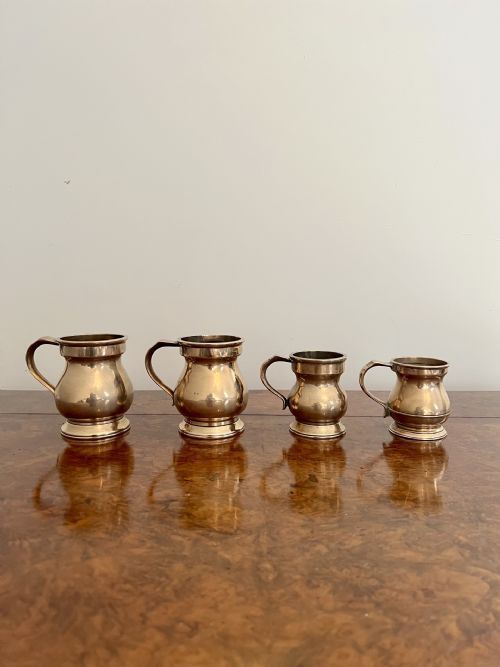
These vintage ale mugs are robust drinking vessels spanning the Georgian, Victorian, and mid-twentieth-century eras, prized for their traditional service in public houses and homes.
Vintage Ale Mugs
Vintage ale mugs encompass a variety of traditional drinking vessels designed for serving and consuming beer, frequently categorized alongside tankards, measures, and steins. When you search for vintage ale mugs, you encounter pieces intended for public house service as well as domestic drinking.
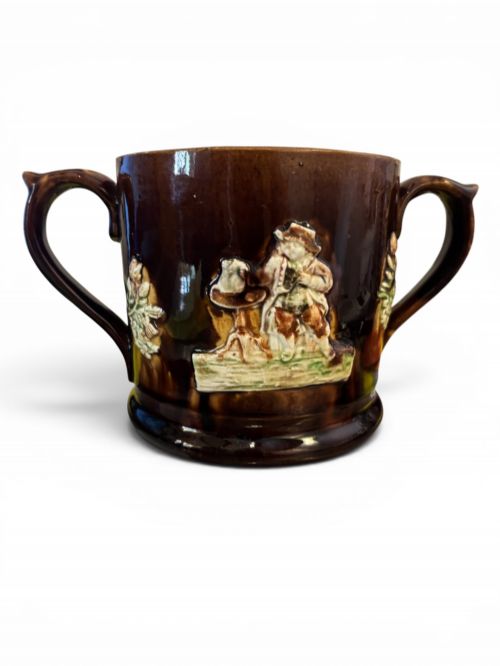
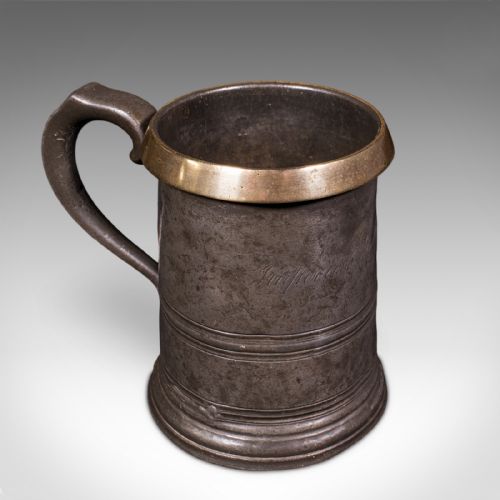
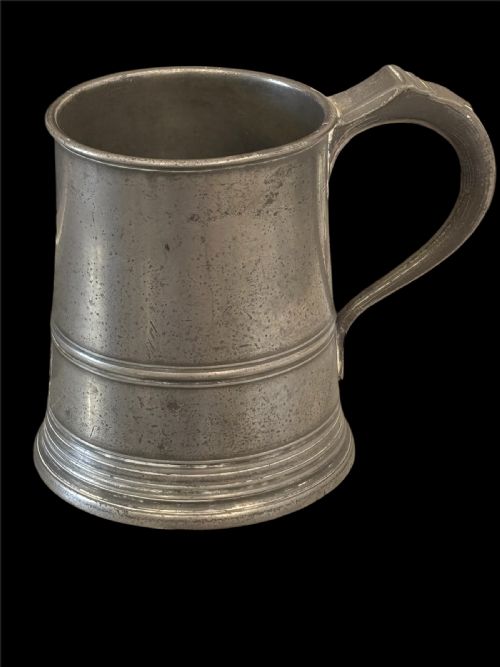
The selection on this page relies heavily on pewter and copper examples from the Victorian and Georgian periods, alongside sterling silver and tin-glazed earthenware. You find capacity measures ranging from pints to quarts, occasionally featuring two handles or surprise interior elements such as frogs.
Forms span bell-shaped tankards, cylindrical quart jugs, and German faience steins decorated in polychrome. These items bridge practical barware and display pieces, reflecting the drinking customs of eighteenth and nineteenth-century Britain and Europe.
Materials and construction
Metalworking dominates the construction of these drinking vessels, with pewter, copper, and sterling silver worked by hand or cast into shape. Pewter compositions provide the weight and durability required for public house measures, while copper vessels often incorporate nickel plating.
Pottery examples utilise tin-glazed earthenware and faience, shaped on the wheel or in moulds before receiving hand-painted polychrome decoration under a protective glaze. Silversmiths construct sterling silver tankards using sheet metal techniques, soldering seams and attaching sturdy scroll handles.
Vintage Ale Mugs Retail Price Guide 2026
Typical asking prices for vintage ale mugs among the pieces listed under this phrase on Sellingantiques today, from the lower quarter to the upper quarter. They describe what is for sale here now, not the wider market.
The documented periods span the eighteenth, nineteenth, and twentieth centuries, with a strong concentration of Victorian items.
Evaluating craftsmanship and condition
Quality in these drinking vessels rests upon the thickness of the metal, the crispness of touchmarks or maker stamps, and the integrity of soldered joints. Heavier pewter and silver tankards maintain their structural form better over centuries of handling than thinner alternatives.
Artistic execution distinguishes standard barware from superior examples, particularly in the hand-painted details of tin-glazed earthenware steins or the refined proportions of Georgian silver mugs. Maker attribution via touchmarks adds historical weight to metal pieces.
Frederic Sanders·Watts and Harton
The Vintage Ale Mugs Glossary
- Pewterware
- Objects fashioned from an alloy primarily of tin, historically combined with copper, lead, or antimony. This metal offers a soft lustre and substantial weight suitable for daily tavern use.
- Quart Jug
- A large drinking vessel holding one imperial quart, commonly utilised in public houses for measuring and serving ale.
- Tin-Glazed Earthenware
- Pottery covered with an opaque white glaze containing tin oxide, providing a smooth surface for hand-painted polychrome decoration.
- Measure
- A regulated container used to dispense exact quantities of liquid ale or spirits in public houses.
- Breweriana
- Collectable items associated with the brewing and serving of beer, including public house tankards and measures.
Vintage Ale Mugs: Frequently Asked Questions
How do I clean vintage pewter mugs?
Clean pewter gently using warm soapy water and a soft cloth, drying thoroughly to prevent water spots. Avoid abrasive scourers or harsh chemical polishes that strip the historic surface oxidation.
Patina develops naturally on older metals through age and handling, which many collectors prefer to preserve rather than buffing the surface to a bright shine.
Can I still drink ale from these mugs?
Using vintage drinking vessels depends largely on the material composition and interior condition of the specific piece. Older pewter containing historical lead proportions is generally unsuited for acidic beverages like modern craft beers.
Silver, copper with intact linings, and glazed earthenware present fewer concerns, though inspecting the interior for corrosion or flaking glaze is essential before use.
What does a quart measure signify?
A quart measure indicates a vessel holding two imperial pints, calibrated for serving large quantities of ale in nineteenth-century public houses. These containers often bear touchmarks and verification stamps from local authorities.
Such marks guarantee the accuracy of the volume dispensed to customers, forming an important historical record of trade regulation.
Why do some tankards feature glass bottoms?
Glass bottoms appeared in nineteenth-century drinking vessels to allow patrons to monitor their surroundings while drinking. Folklore suggests this prevented press-gangs from slipping coins into an ale mug to entrap unsuspecting recruits.
In practice, transparent bases also let drinkers check the clarity and sediment levels of their ale as the vessel emptied.