
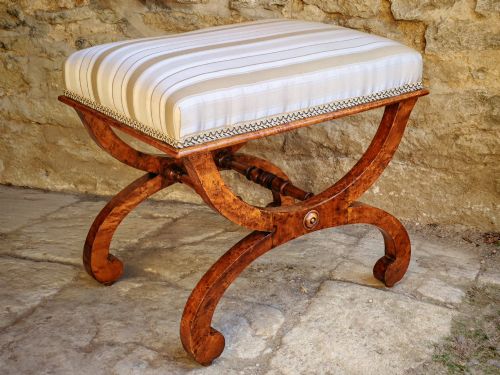
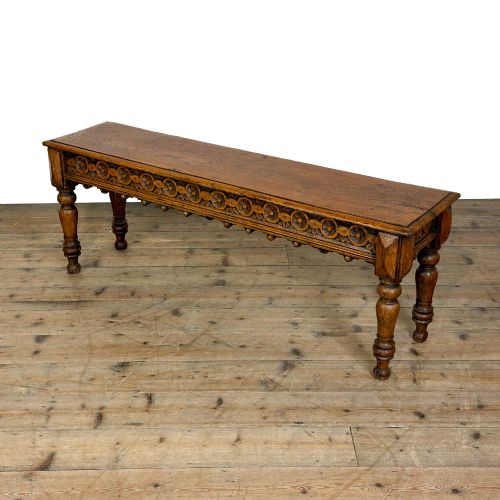
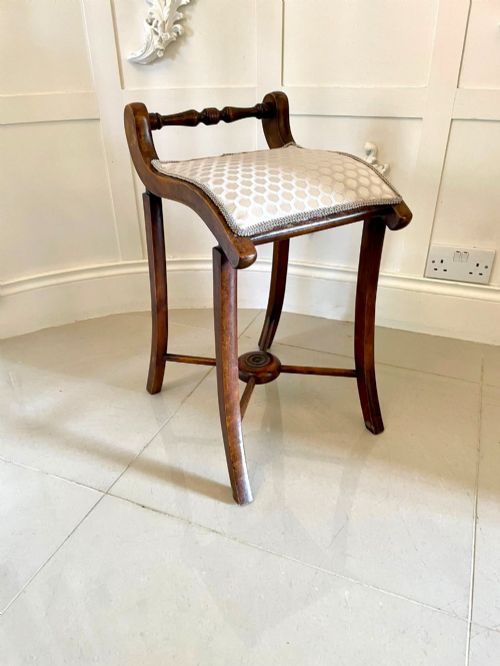
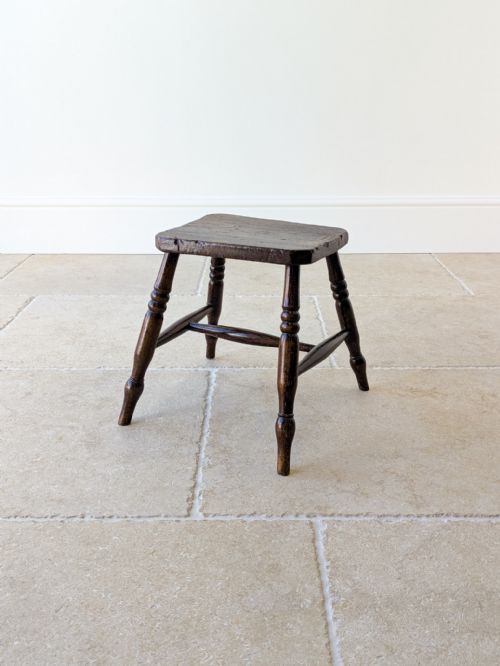
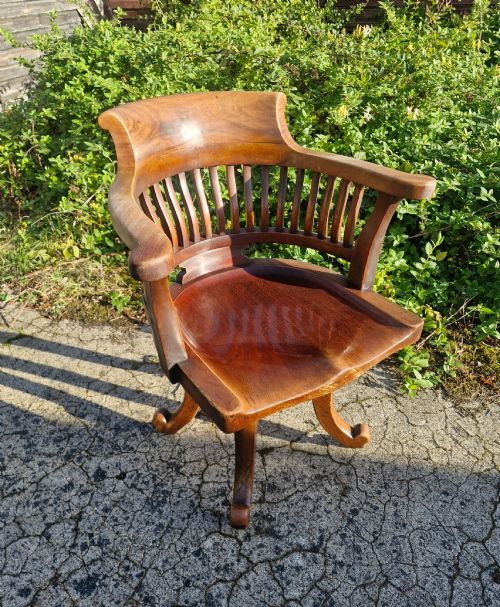
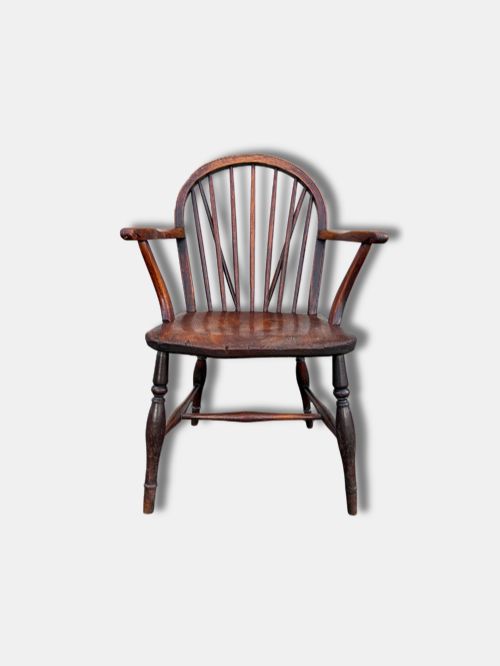
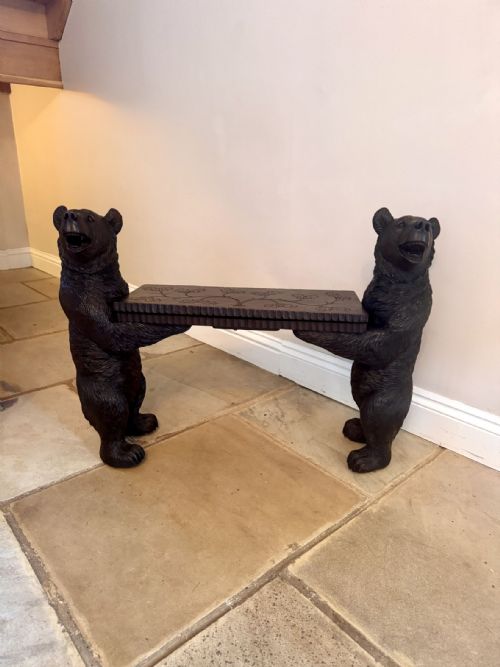
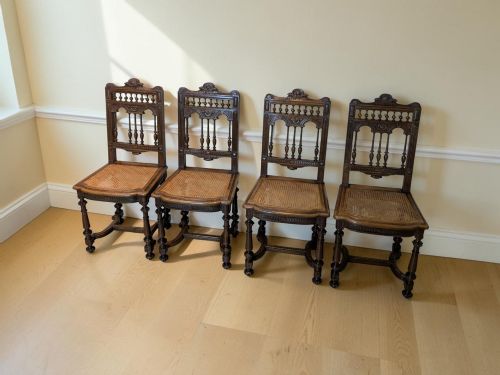
Victorian Wooden Seat
A victorian wooden seat brings the honest grain of elm, oak, and beech into a room through sturdy dining chairs, benches, and Windsor armchairs.
Victorian Wooden Seat
When you search for a victorian wooden seat, you encounter a wide selection of nineteenth-century forms ranging from rustic elm kitchen chairs to formal mahogany dining chairs. The most common varieties appearing here are Windsor armchairs, hall benches, and pub stools shaped from native timbers.
Makers produced these pieces for various domestic and public settings, including farmhouse kitchens, entrance halls, and taverns. Regional variations such as Thames Valley styles or Welsh country benches show distinct turning and spindle arrangements.
The selection encompasses both utilitarian seating and decorative reception chairs spanning the nineteenth century and the early twentieth century. Buyers select these items for daily utility as well as for their enduring regional character.
Materials and construction
Cabinet makers and country joiners utilised solid native woods like elm, ash, and beech, frequently combining timbers within a single chair to provide flexible backs and rigid legs. Windsor seating typically employs a sculpted solid seat board into which legs and spindles are wedged and pegged.
Turning lathes shaped the uprights and stretchers, while steam bending formed curved armbows and high backs on vernacular chairs. Formal seating relied on carved mahogany and walnut frameworks joined with mortise and tenon construction.
Assessing quality and character
Quality rests in the integrity of the timber and the depth of the original surface finish, rather than uniform perfection. Pieces retaining an untouched patinated skin show superior ageing compared to stripped or heavily sanded examples.
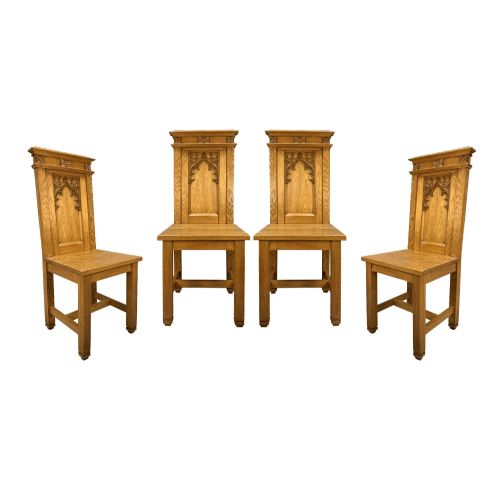
Structural robustness depends on tight joints and the preservation of original wedged undercarriages in country chairs. Finer formal seating distinguishes itself through crisp carving on walnut and mahogany frames.
William Morris·Rossetti·Philip Webb·Morris & Co
The Victorian Wooden Seat Glossary
- Windsor chair
- A wooden chair featuring a solid sculpted seat saddle into which the legs and back spindles are independently inserted. This construction gives the chair its characteristic light yet rigid strength.
- Settle
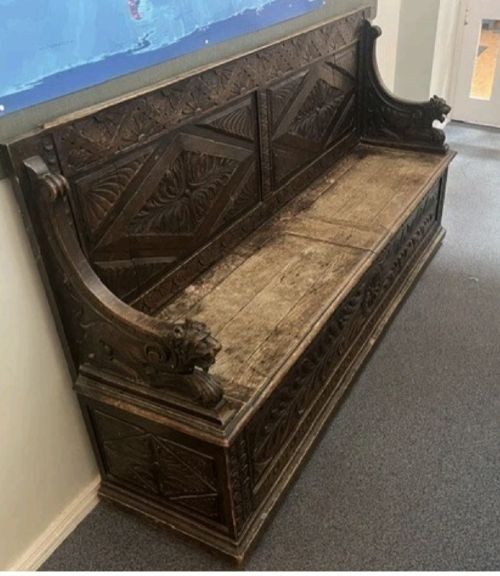
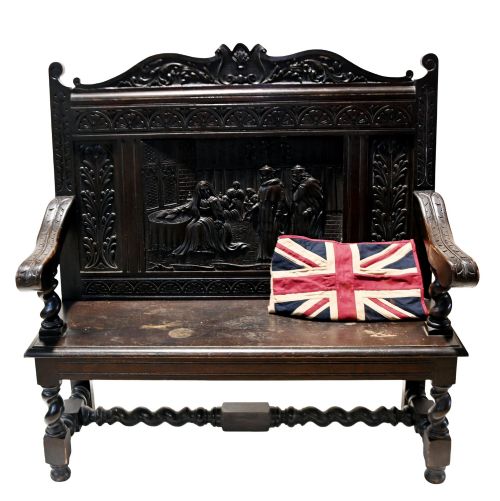
- A high-backed wooden bench with solid arms and a storage box or enclosed base designed to block draughts in hallways and kitchens. Early examples rely on heavy oak panelling.
- Lathe back
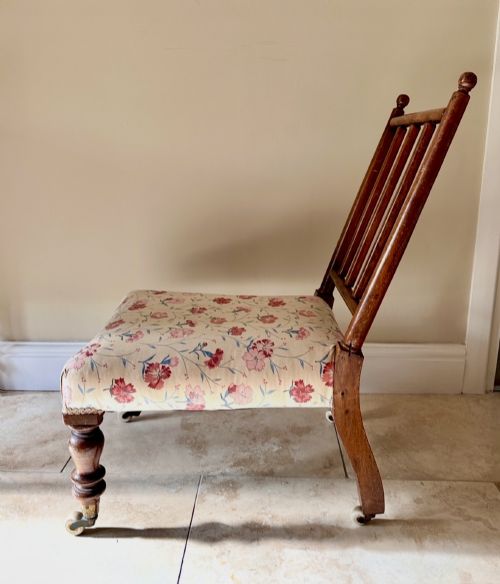
- A chair back constructed with flat vertical wooden slats or laths pinned into horizontal rails. It is commonly found on country kitchen and farmhouse seating.
- Carver
- An armchair designed with open elbows, traditionally placed at the head of a dining table or used as a desk seat. These pieces match larger sets of side chairs.
- Patina
- The surface sheen and colour acquired by wood through decades of handling, polishing, and natural oxidation. Original finishes display this desirable depth.
Victorian Wooden Seat: Frequently Asked Questions
Can I use these chairs for daily dining?
Most nineteenth-century wooden chairs are structurally sound for everyday use if the leg joints and undercarriages remain firm. Elm and beech country chairs offer robust support for frequent seating.
Check that the seat boards and stretcher joints show no excessive movement before heavy daily use. Lighter decorative hall chairs are better suited for occasional sitting.
What is the difference between an elm seat and a beech seat?
Elm provides a distinctive interlocking grain that resists splitting, making it the preferred choice for solid sculpted Windsor seat boards. Beech offers straight, dense fibres ideal for turned legs and delicate spindles.
Makers frequently combined both timbers in a single chair to utilise their distinct physical properties. Beech elements often received dark stains to mimic more expensive hardwoods.
How do I identify a Thames Valley Windsor chair?
Thames Valley chairs typically feature distinctive wheel or pierced splat backs combined with crinoline stretchers curved between the legs. The woodwork often displays refined turning and generous proportions.
These pieces originate from workshops along the River Thames and represent a higher tier of country chair making. Their timber selection usually includes yew wood for the arms and ash for the framework.