




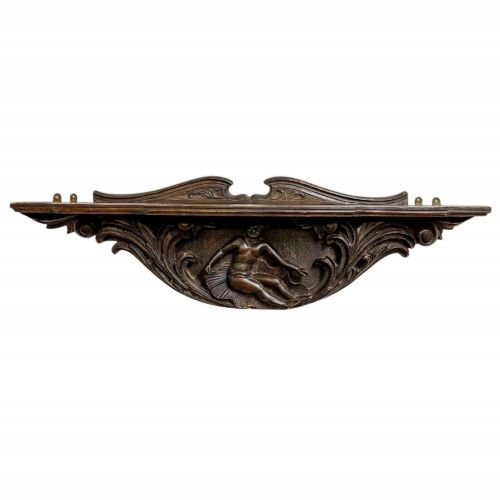
Victorian Wood Wall Shelf
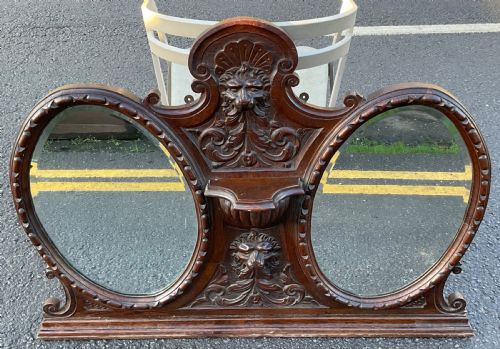
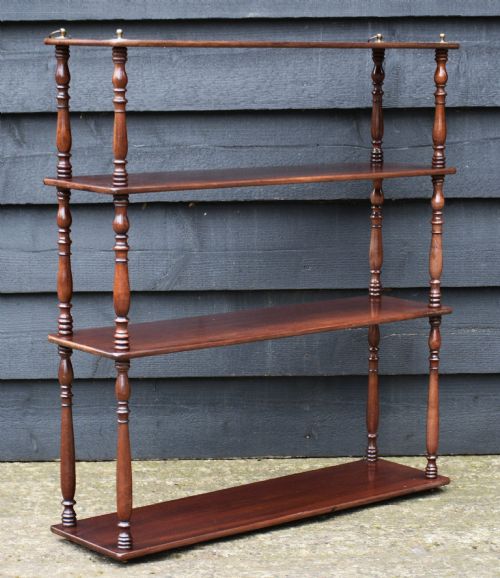
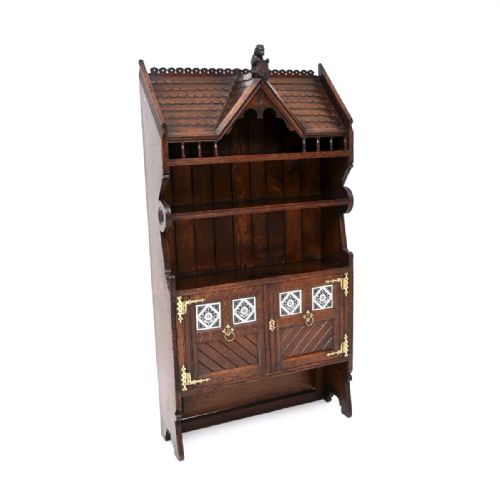
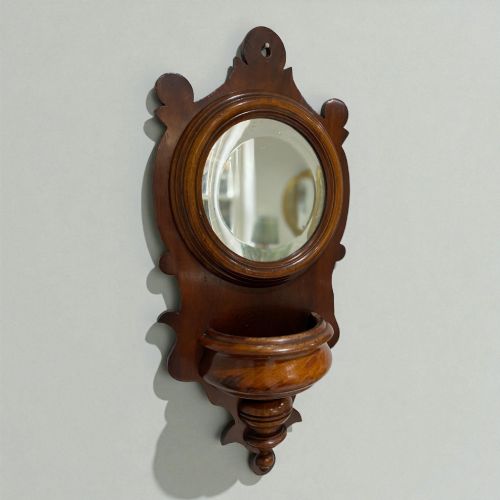
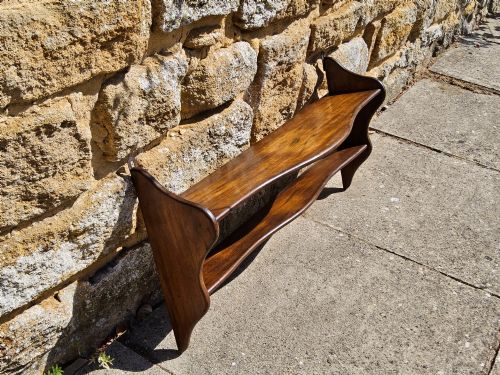
These Victorian wood wall shelf pieces bring compact display space and period character directly to empty walls.
Victorian Wood Wall Shelf
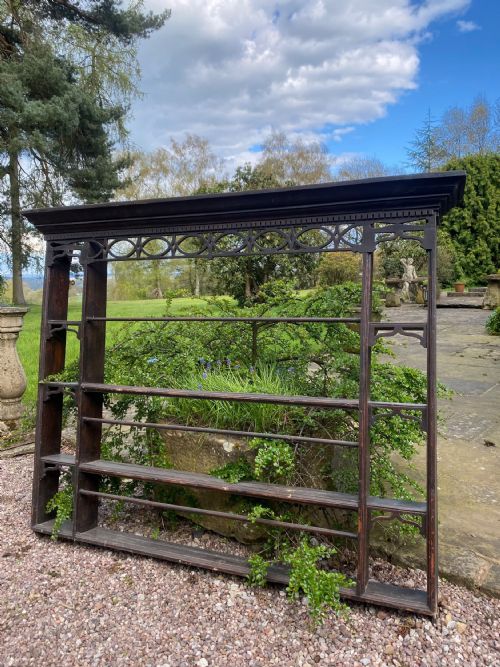
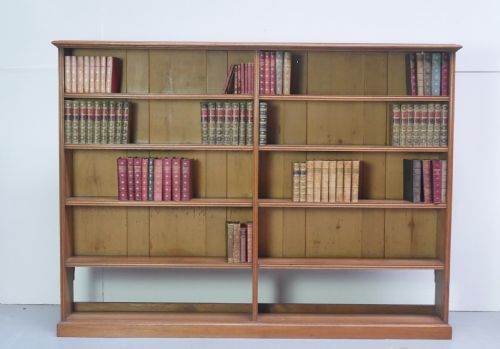
A victorian wood wall shelf provides practical display and storage without occupying floor space. Buyers searching this phrase encounter formats ranging from simple bracket shelves and hanging cabinets to multi-tiered bookcase displays.
Mahogany and walnut form the backbone of these pieces, alongside oak, rosewood, and satin birch. Most examples date from the nineteenth century, including specific iterations from the eighteen-eighties and eighteen-nineties.
Stylistic variations span from standard Victorian forms to Aesthetic Movement designs, Gothic Revival pieces, and French or Italian influences. They hang in reception halls, parlours, and studies to hold books, ceramics, or small ornaments.
Materials and construction
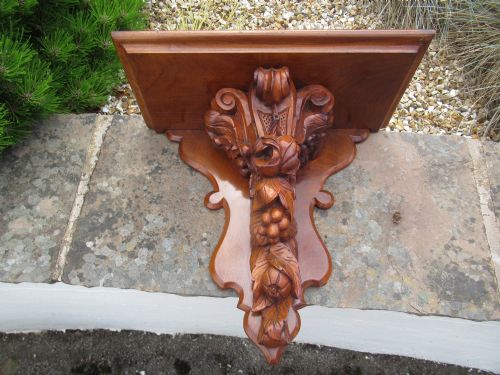
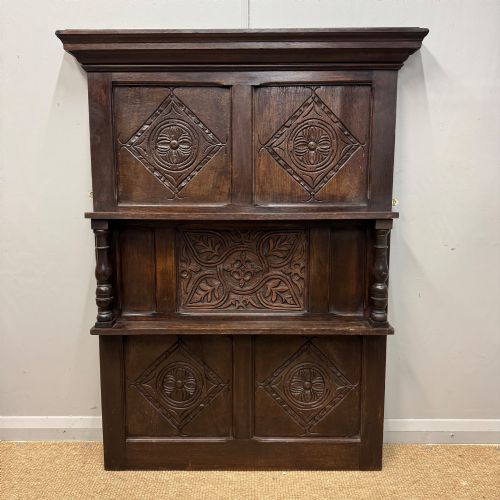
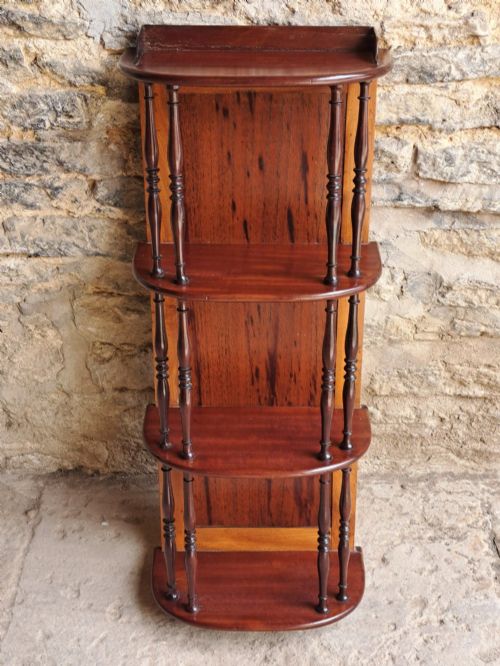
Cabinet makers utilised dense hardwoods like mahogany, walnut, and rosewood, frequently shaping them through carving or turning into bobbin details and corbel brackets. Joinery relies on traditional methods suited for pieces intended to hang securely under weight.
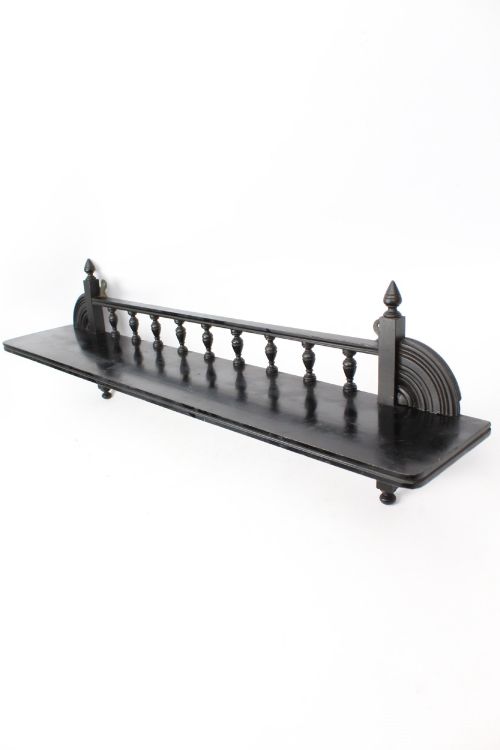
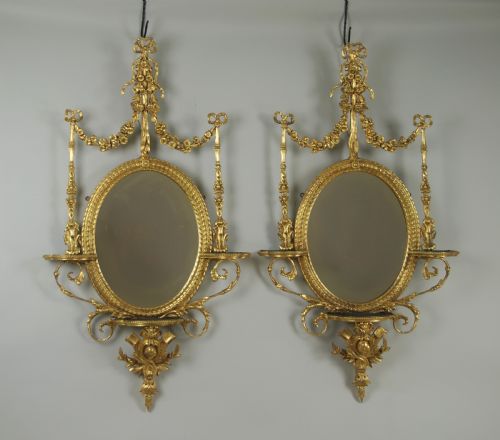
Surface treatments include polished wood finishes, ebonised surfaces, painted finishes, and occasional giltwood or brass accents. Sorrento inlaid olive wood and faux tortoiseshell effects also appear among specialised decorative pieces.
Victorian Wood Wall Shelf Retail Price Guide 2026
Typical asking prices for victorian wood wall shelf among the pieces listed under this phrase on Sellingantiques today, from the lower quarter to the upper quarter. They describe what is for sale here now, not the wider market.
Listings feature eighteenth-century pieces up to nineteen-hundred productions, spanning mahogany, walnut, oak, and rosewood.
Assessing quality in hanging shelves
Quality rests in the crispness of the timber carving, the selection of figured wood veneers, and the structural integrity of the hanging points. Superior examples show careful attention to detail in turned spindles, moulded cornices, and integrated brackets.
Lesser pieces feature plain surfaces with minimal joinery detail and heavier, utilitarian construction. The presence of specific stylistic markers, such as Aesthetic Movement incisions or inlaid woodwork, elevates the visual interest of a piece.
John Moyr Smith·Cottier and Co·Liberty and Co
The Victorian Wood Wall Shelf Glossary
- Bracket
- A projecting architectural support fixed to a wall to carry a shelf or display piece. These often feature carved scrollwork or turned elements.
- Aesthetic Movement
- A late nineteenth-century design style emphasising visual beauty over narrative subject matter. Pieces often feature ebonised wood and incised decoration.
- Overmantel
- A decorative structure placed above a fireplace mantelpiece, frequently incorporating mirror glass and small display shelves. They anchor the focal point of a room.
- Corbel
- A structural piece of stone, wood, or metal jutting from a wall to carry a superincumbent weight. In wall shelving, these function as decorative load-bearing supports.
- Giltwood
- Wood that has been coated with gold leaf or gold paint. This finish appears on decorative brackets and mirror frames from the period.
Victorian Wood Wall Shelf: Frequently Asked Questions
How do I hang a heavy wooden wall shelf safely?
Ensure the fixings match the wall type and engage directly with structural supports or appropriate wall anchors. The weight of the timber and items placed upon it requires secure load-bearing attachments.
Check that the hanging loops or brackets on the back of the piece are tightly screwed into sound wood before mounting.
What rooms suit a Victorian wall shelf best?
These shelves fit well in reception halls, studies, and living spaces where surface area is limited. They hold small books, plates, and decorative objects without crowding the floor.
Kitchens and dining areas also accommodate plate racks and small cabinets for display purposes.
How do I tell an Aesthetic Movement shelf apart?
Aesthetic Movement pieces often feature ebonised wood surfaces with incised gilt detailing and simpler, geometric lines. They reflect a shift towards artistic design in the late nineteenth century.
Standard Victorian pieces tend to rely on heavier carved mahogany or walnut with more traditional ornamentation.
How should I clean antique wood shelves?
Dust the wood regularly with a soft, dry cloth to prevent dirt buildup on carved details and brackets. Avoid silicone-based polishes that can damage historic finishes over time.
Feed the timber periodically with appropriate wax to maintain the moisture and sheen of the mahogany, walnut, or rosewood.