

Victorian Wood Shelving Unit
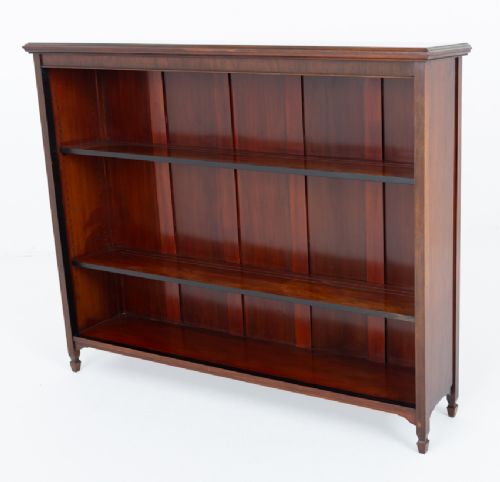
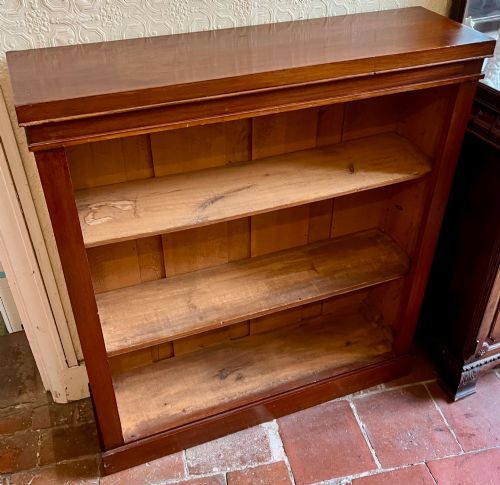
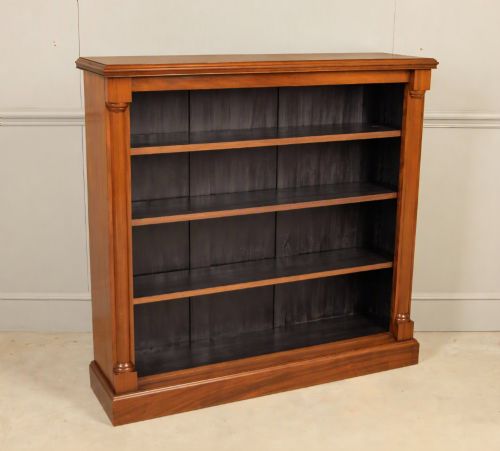
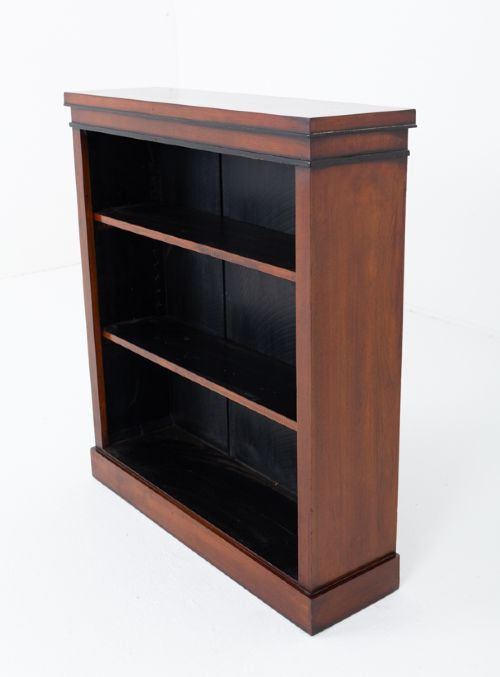
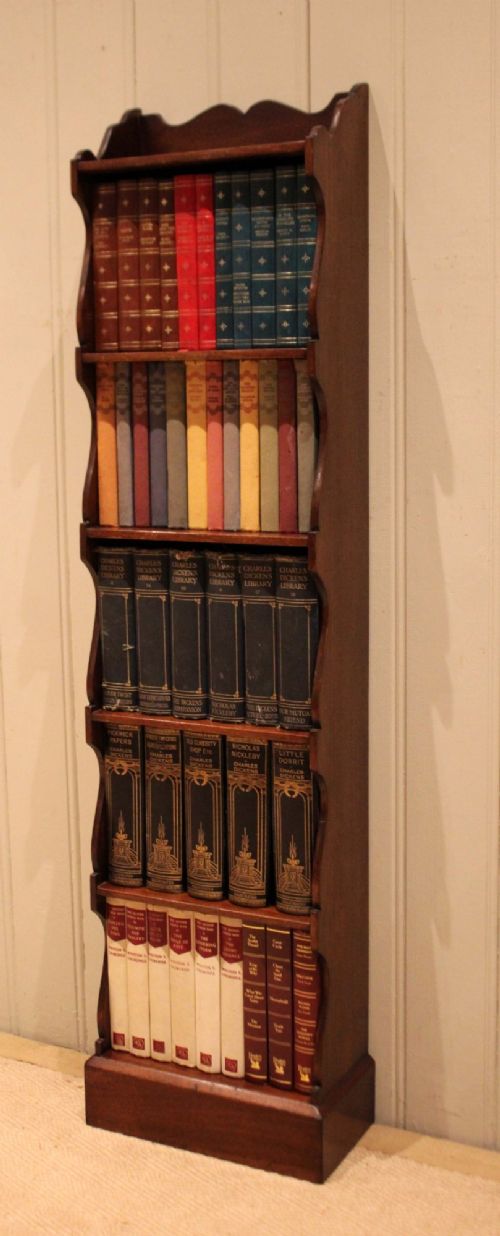
A victorian wood shelving unit brings vertical storage and display to a room, ranging from mahogany bookcases to walnut whatnots.
Victorian Wood Shelving Unit
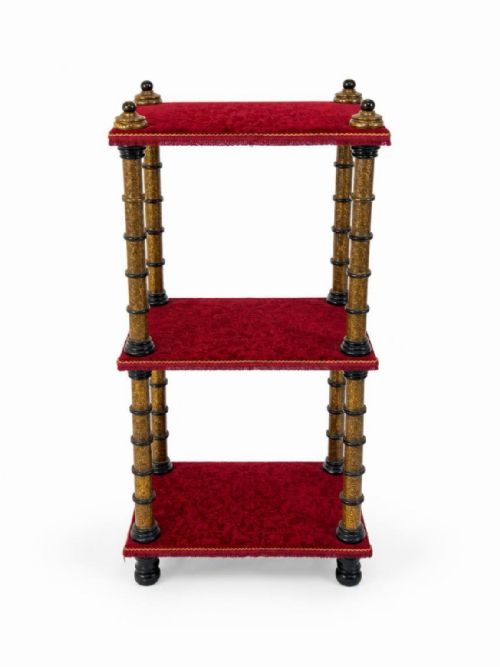
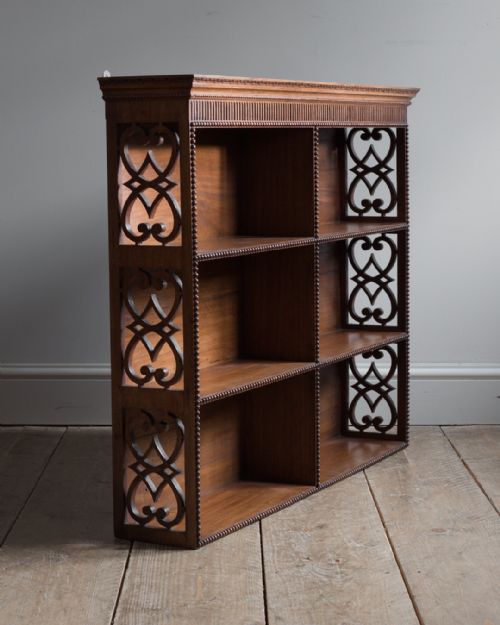
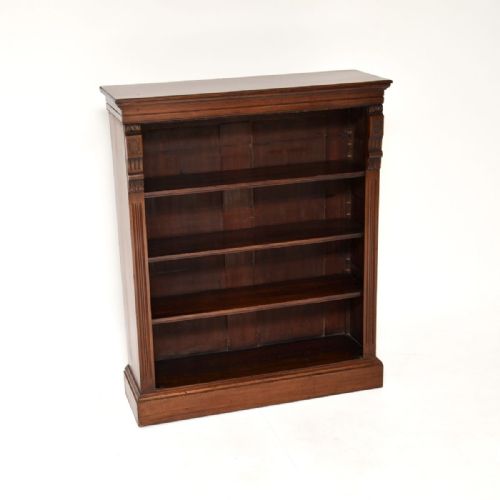
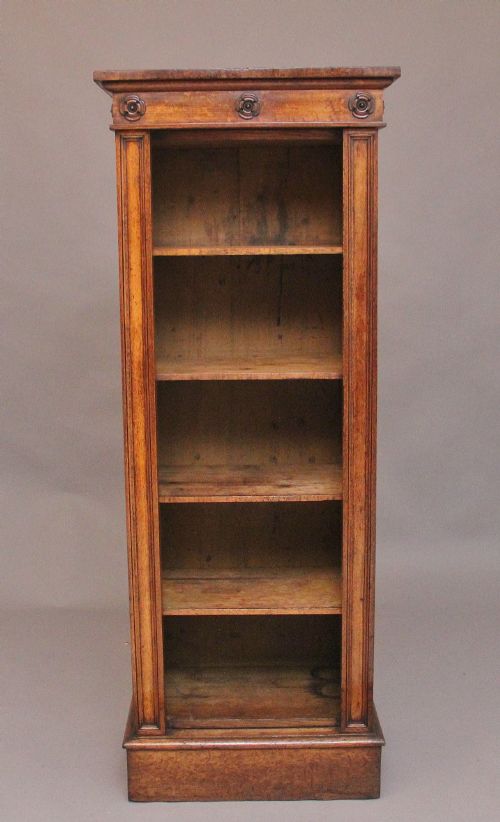
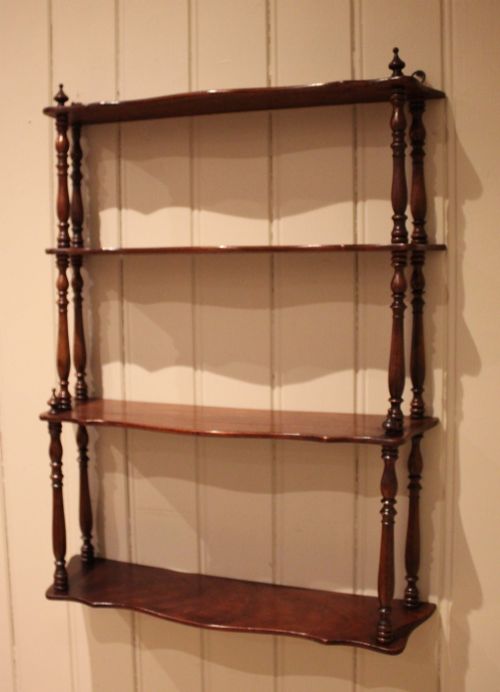
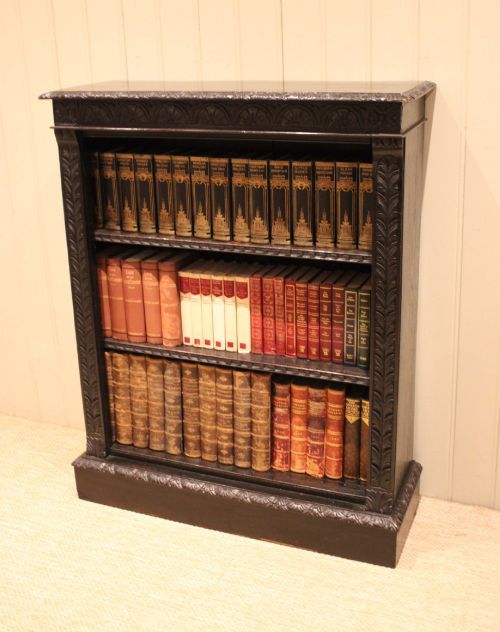
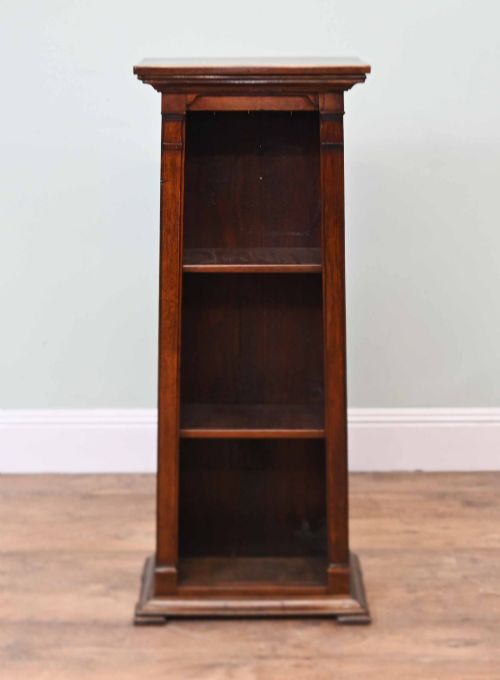
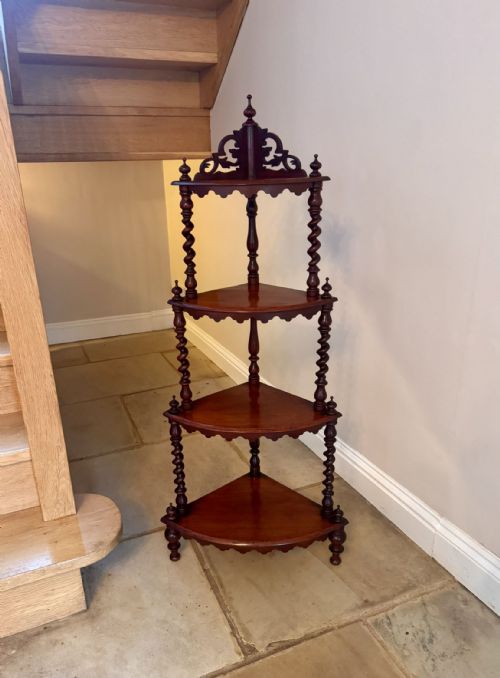
A victorian wood shelving unit encompasses open bookcases, wall shelves, corner shelves, whatnots, and etagere units. These pieces emerge primarily from the nineteenth century, including specific decades from the eighteen-fifties through the nineteen-twenties.
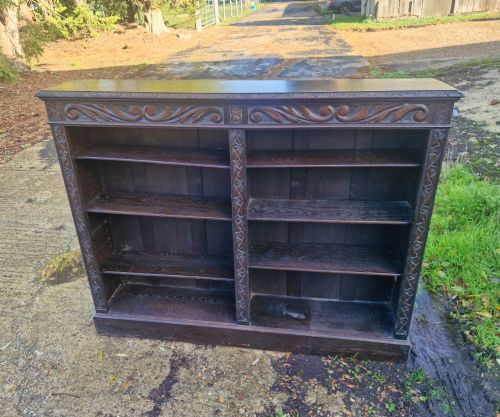
Mahogany and oak dominate the listings as open bookcases and bookcases with adjustable shelves. Walnut, rosewood, and burr walnut appear frequently in whatnots, wall shelves, and etageres.
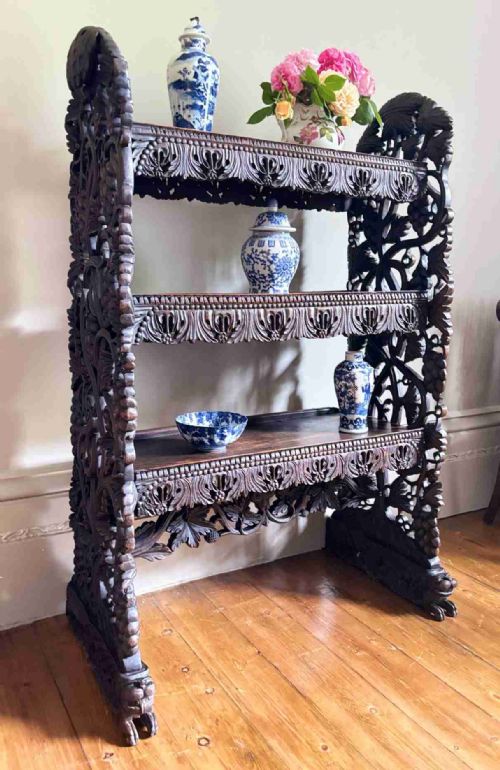
Makers and regional interpretations range from Arts and Crafts oak to Anglo-Indian padauk and French nineteenth-century wall shelves. Corner pieces and low dwarf bookcases provide alternatives to tall library shelving.
Distinctions in Execution
Quality rests in the selection of timbers, such as figured mahogany, burr walnut, or padauk, and the crispness of carved woodwork. Fine examples display careful proportion in tall slim forms or breakfront bookcases.
The integration of functional elements, such as smoothly operating adjustable shelving systems and sturdy tier supports in whatnots, separates standard utility pieces from finer items.
Victorian Wood Shelving Unit Retail Price Guide 2026
Typical asking prices for victorian wood shelving unit among the pieces listed under this phrase on Sellingantiques today, from the lower quarter to the upper quarter. They describe what is for sale here now, not the wider market.
Listings span from the mid-nineteenth century through the nineteen-twenties, incorporating oak, mahogany, rosewood, and walnut across bookcase and whatnot forms.
Edwards and Roberts
The Victorian Wood Shelving Unit Glossary
- Whatnot
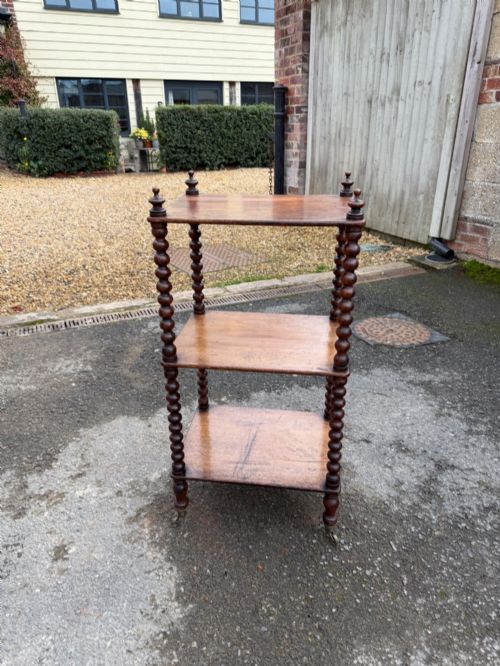
- A piece of furniture consisting of a set of open shelves for displaying small objects. These typically feature three or four tiers supported by upright posts or columns.
- Etagere
- A piece of furniture with a set of open shelves for displaying ornaments. It functions similarly to a whatnot and often appears in rosewood or walnut.
- Breakfront
- A piece of furniture with a central section that projects forward from the side sections. This layout creates architectural depth in larger bookcases.
- Ebonised
- Wood finished with a dark stain or paint to imitate ebony. This treatment appears on carved nineteenth-century dwarf bookcases.
- Chiffonier
- A low cupboard or cabinet, sometimes surmounted by shelves. Evidence shows these pieces executed in rosewood during the mid-nineteenth century.
Victorian Wood Shelving Unit: Frequently Asked Questions
What is a Victorian wood shelving unit?
A victorian wood shelving unit is a nineteenth-century storage or display piece built from timbers like mahogany, walnut, and oak. Forms include open bookcases, wall shelves, corner whatnots, and multi-tiered etageres.
These pieces provide functional book storage or open display surfaces for rooms. They range from tall library bookcases to small corner units.
Are shelves usually adjustable?
Many open bookcases from this period include adjustable shelves supported by internal rack systems. This allows the user to alter shelf heights for varying book sizes.
Fixed shelves also appear, particularly in older or more specialised display units and wall shelves. Checking the interior sides reveals the presence of adjustable tracks.
What styles exist besides standard Victorian?
The selection includes Arts and Crafts oak designs, Anglo-Indian padauk pieces, French nineteenth-century wall shelves, and Egyptian Revival mahogany items. Regency and Edwardian influences also appear.
These varied styles incorporate distinct carving traditions, woods, and decorative motifs. They reflect international design interests of the nineteenth and early twentieth centuries.