

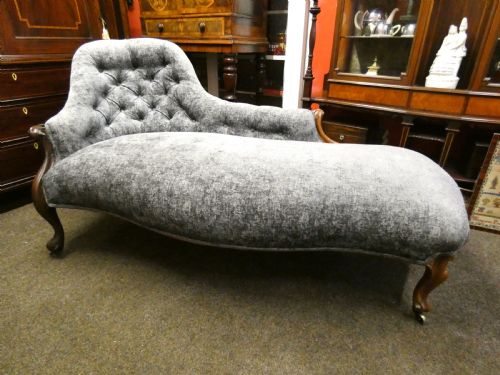
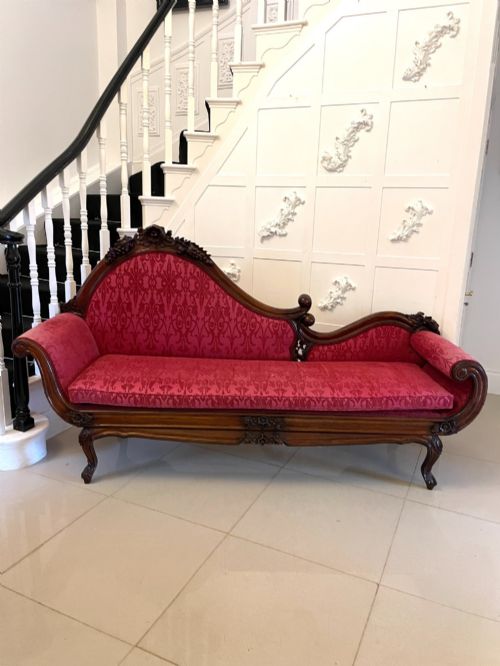
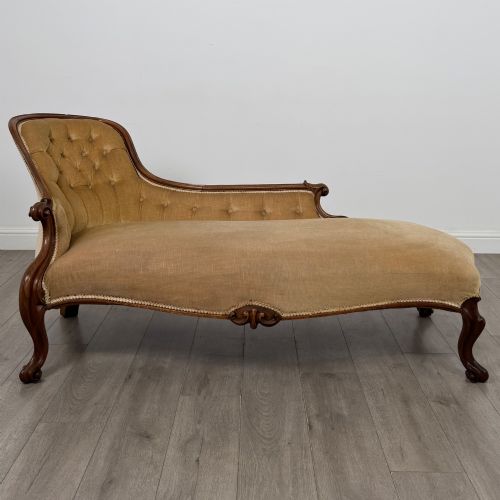
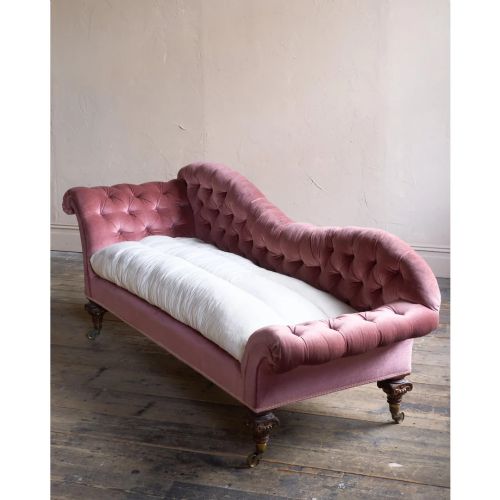


Victorian Velvet Daybed
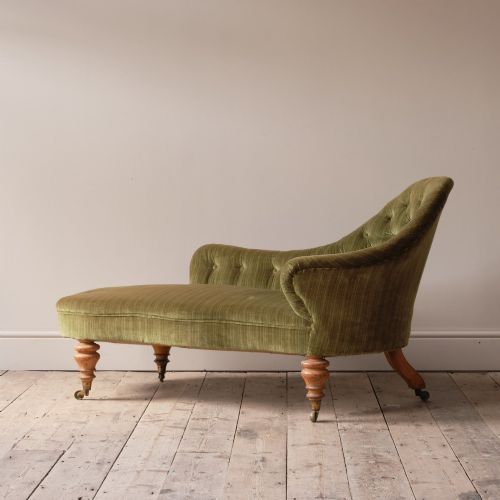
A victorian velvet daybed offers deep reclining comfort wrapped in nineteenth-century elegance, perfect for adding traditional character to a drawing room.
Victorian Velvet Daybed
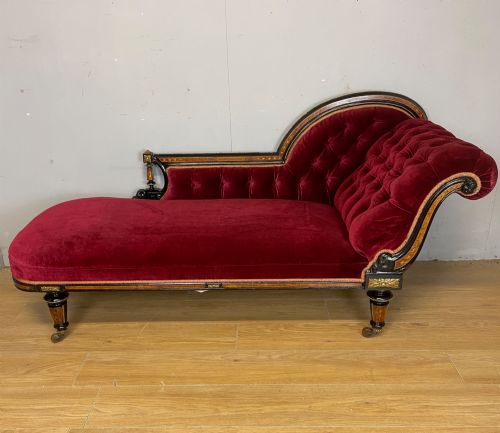
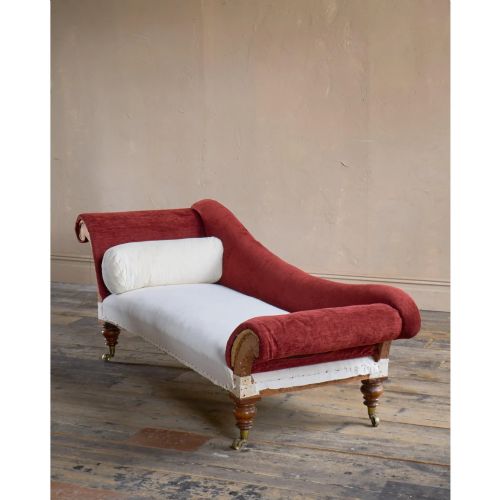
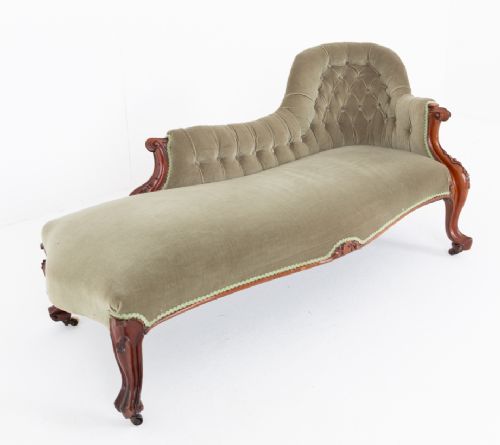
A victorian velvet daybed combines nineteenth-century seating forms with plush upholstery to create a graceful piece for daily lounging. When searching for a victorian velvet daybed, buyers typically encounter classic chaise longues and daybeds originating from the eighteen-fifties and eighteen-sixties.
The available selection spans robust nineteenth-century designs featuring carved frames and buttoned fabric. These pieces reflect the varied stylistic influences of the period, including French Second Empire and Grand Regency aesthetics.
Common forms on this page include mahogany framed settees, rosewood chaise longues, and specialised reclining day beds. Each item demonstrates the distinct functional shift toward comfortable domestic relaxation during the Victorian era.
Materials and construction methods
Frames rely on dense timbers such as mahogany, walnut, and rosewood, often shaped with intricate carvings or accented with brass and ormolu decoration. Selected pieces incorporate ebonised finishes and inlaid walnut panels to heighten the visual impact of the woodwork.
Upholstery relies on traditional velvet fabrics, frequently detailed with buttoning to secure the padding within the seat and backrest. Structural support beneath the timber frames combines sturdy iron components with traditional joinery techniques.
Victorian Velvet Daybed Retail Price Guide 2026
Typical asking prices for victorian velvet daybed among the pieces listed under this phrase on Sellingantiques today, from the lower quarter to the upper quarter. They describe what is for sale here now, not the wider market.
Current listings demonstrate a prevalence of mahogany and rosewood frames paired with traditional velvet upholstery across nineteenth-century forms.
Assessing quality in period daybeds
Superior examples distinguish themselves through the crispness of the timber carving and the architectural ambition of the frame, such as Ionic column legs or ornate mahogany mouldings. The depth of the grain in rosewood and walnut frames also signals a higher tier of manufacture.
Construction integrity determines the upper range of quality, seen in the seamless integration of brass ormolu mounts and the precision of inlaid panels. Finer pieces maintain balanced proportions between the exposed woodwork and the velvet upholstery.
Holland and Sons·Howard and Sons
The Victorian Velvet Daybed Glossary
- Chaise longue
- An elongated chair designed for reclining, featuring a single raised backrest and arm support. This form serves as the primary structural basis for many nineteenth-century daybeds.
- Ormolu
- Gilded bronze ornamentation applied to furniture frames for decorative accent. It appears on finer nineteenth-century pieces to highlight structural joints and wooden panels.
- Buttoning
- An upholstery technique where twine pulls the fabric deep into the padding to form a geometric pattern of indentations. This method secures the filling while adding texture to the velvet surface.
- Rosewood
- A dense, heavily grained exotic timber prized for rich colour and smooth polished finishes. It frequently forms the primary structural framing of mid-nineteenth-century seating.
Victorian Velvet Daybed: Frequently Asked Questions
How do I identify a Victorian daybed?
Victorian daybeds typically feature dark hardwood frames made from mahogany, walnut, or rosewood combined with buttoned velvet upholstery. Look for stylistic cues such as carved woodwork, Ionic column legs, or French Second Empire influences.
Dates generally span the mid to late nineteenth century, reflecting the period's emphasis on domestic comfort and ornate reception room furniture.
Where should I place a daybed?
These pieces suit drawing rooms, studies, or large bedrooms where their elongated silhouettes can be viewed from multiple angles. Position them against a solid wall or floating in a spacious room to showcase the carved timber backrest.
Ensure adequate clearance around the piece so the reclining end remains fully accessible for daily use.
How do I care for antique velvet?
Protect antique velvet from direct sunlight to prevent the pile from fading and losing its rich colour over time. Gentle brushing with the grain helps maintain the nap and removes surface dust without damaging the fibres.
Avoid chemical cleaners and consult a specialist textile conservator for any deep cleaning requirements.
What is the difference between a chaise longue and a day bed?
A chaise longue traditionally incorporates an asymmetrical backrest designed for semi-reclined sitting rather than flat sleeping. Day beds often provide a more uniform sleeping platform or simpler reclining mechanisms.
Both forms utilise nineteenth-century timber frames and velvet upholstery to blend decorative appeal with functional lounging.