
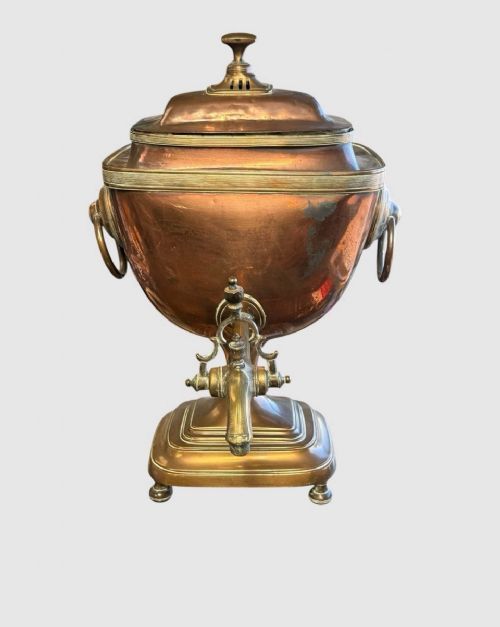


Victorian Tea Vessel
A victorian tea vessel is a practical and decorative metal or silver piece made for serving hot water and tea, prized for bringing authentic nineteenth-century craftsmanship to any sideboard.
Victorian Tea Vessel
A victorian tea vessel encompasses metal kettles, samovars, and silver pots produced during the nineteenth century and the early twentieth century. These items were designed to heat and dispense water for tea service in domestic households.
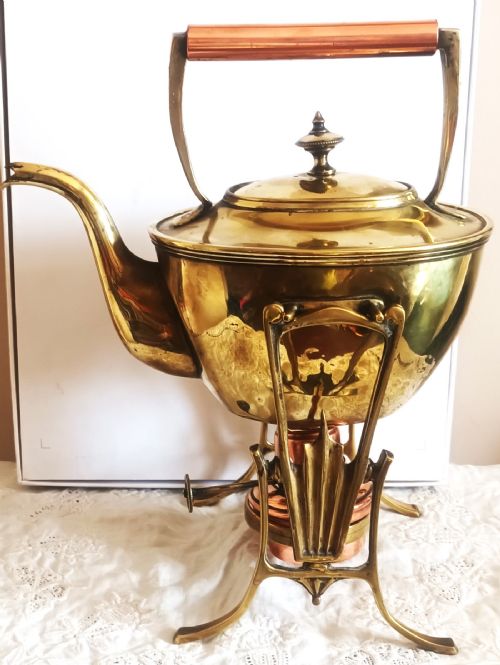
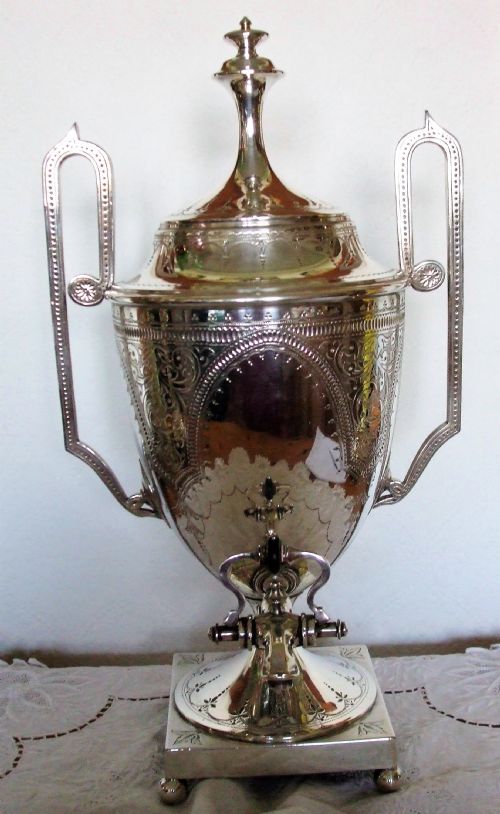
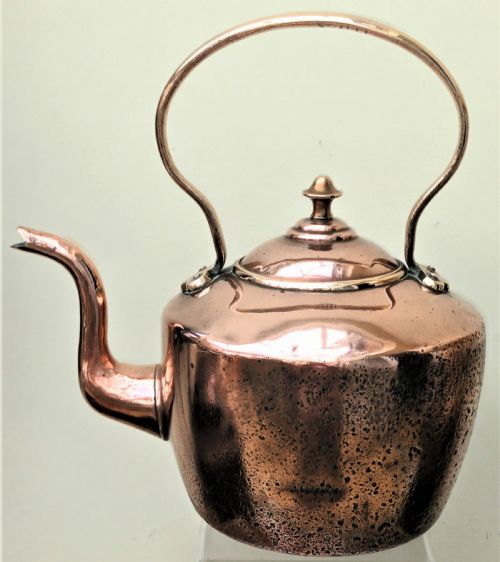
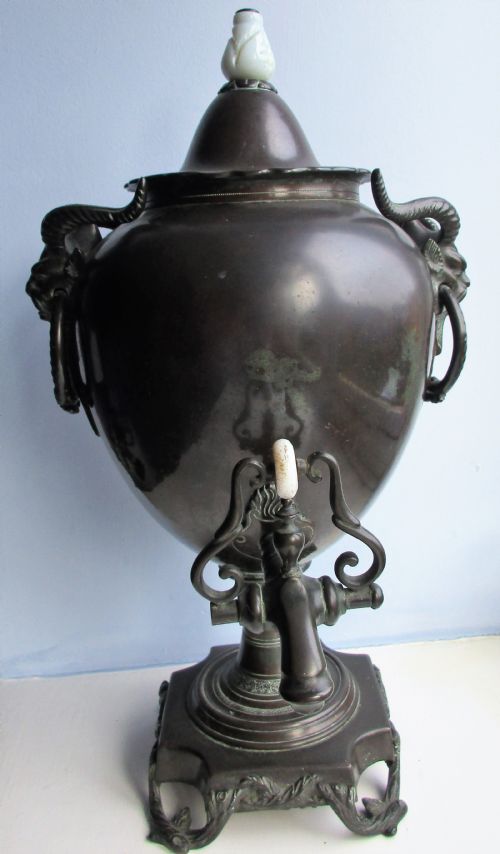
The versions most commonly met on this page are copper and brass kettles alongside substantial silver-plated or copper samovars and tea urns. Ceramic teapots and cream jugs also appear to complete the broader tea service setting.
How they were made
Makers formed these pieces predominantly from heavy-gauge copper, brass, and sterling silver or silver plate. Metalworkers often hammered copper and brass sheets by hand or spun them on lathes to create durable, heat-retaining bodies.
Details such as ebonised wood handles, bone insulators, and cast brass fittings were added to manage heat during use. Silver items frequently received chased or engraved ornamentation reflecting period neoclassical and revivalist tastes.
Several kettles arrive with their original spirit burners, ready for an impromptu Victorian tea party in the garden.
What varies in quality
The thickness of the metal sheet and the integrity of the internal lining determine the structural standard of a vessel. Substantial weight and solid construction separate durable utility pieces from lighter decorative items.
Refinement in the hand-finishing of handles, spigots, and decorative mounts distinguishes workshop output. Crispness in engraved detail and the harmony of mixed metals like brass and copper elevate the piece.
William Soutter And Sons·Walker And Hall·Benetfink And Co·Royal Crown Derby·Joseph Holdcroft·Boardman Glossop And Co
The Victorian Tea Vessel Glossary
- Samovar
- A heated metal urn traditionally used to boil and heat water for tea. These large vessels often feature a central internal chimney and a spigot near the base.
- Spirit kettle
- A water kettle mounted on a metal stand with an integrated spirit burner underneath. This setup kept the water hot at the tea table.
- Silver plate
- A layer of silver fused to a base metal such as copper or Britannia metal. This technique provided the appearance of solid silver at a lower cost.
- Pontypool ware
- A type of lacquered and painted tinplate or metalware originating from Wales. It is noted for its glossy dark finishes and decorative surface detailing.
Victorian Tea Vessel: Frequently Asked Questions
What is a victorian tea vessel used for?
These pieces were designed to heat water or brew tea in nineteenth-century homes, functioning as kettles, samovars, or pots during formal tea service.
Today, they serve primarily as decorative display items or distinctive additions to traditional table settings.
How do I clean a copper tea vessel?
Maintenance typically involves gentle washing with warm soapy water and occasional polishing with a proprietary copper cleaner to preserve the metal finish.
Avoid harsh abrasives that might strip historical patinas or damage delicate joints and engraved surfaces.
Are these metal vessels safe for boiling water?
While many copper and brass kettles were built for functional use, older pieces often feature internal linings that require inspection before boiling water for consumption.
Many collectors prefer to use them strictly for decorative display rather than daily beverage preparation.
How do I tell silver plate from solid silver?
Solid silver pieces usually bear hallmarks indicating the assay office, standard, and date of manufacture. Silver-plated items often carry maker marks that denote electroplate or base metal foundations.
Looking closely at edges and high-wear areas can reveal where the silver layer has worn down to the underlying metal.