

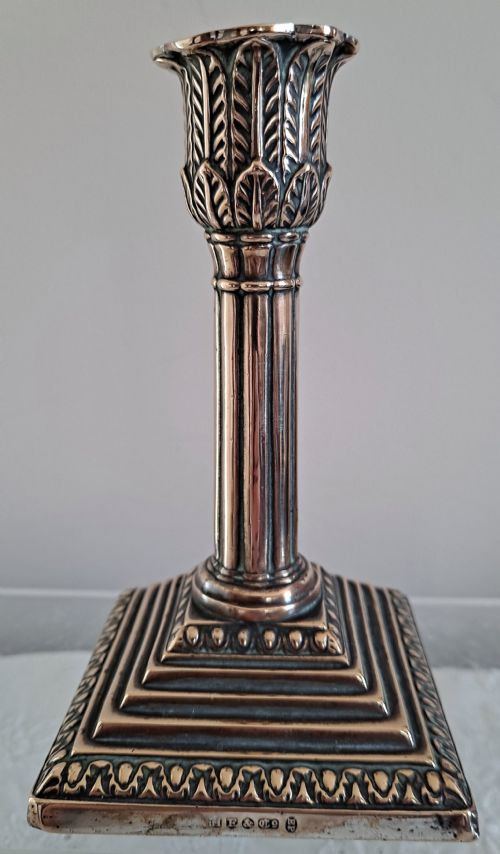


Victorian Silverplate
Victorian silverplate brings substantial nineteenth-century weight and domestic luxury to the table through electroplated nickel silver, copper, and glass combinations.
Victorian Silverplate
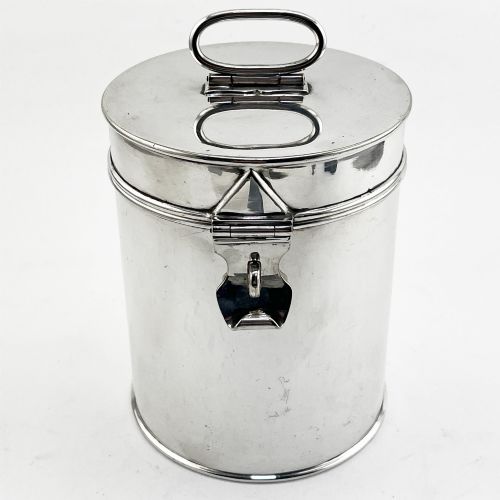
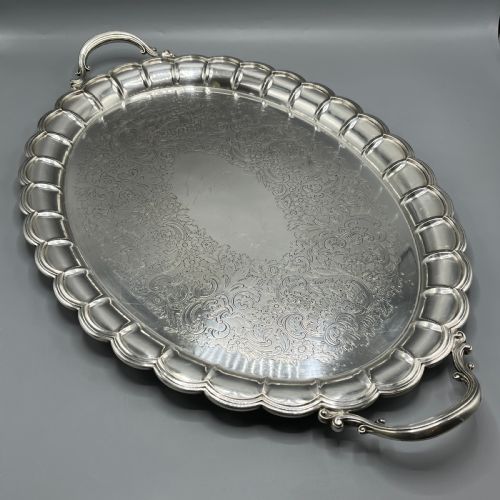
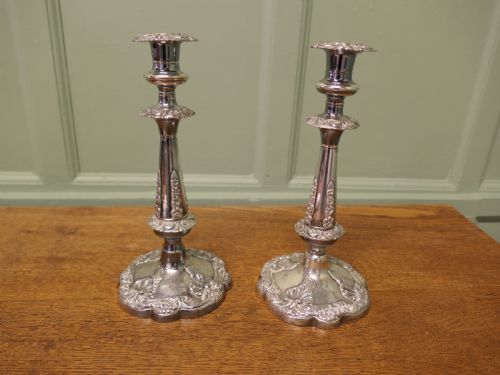
Victorian silverplate encompasses domestic dining items, tea services, and lighting apparatus produced across the nineteenth century and into the Edwardian period. Buyers encounter serveware, candelabra, and table accessories designed for formal dining rooms.
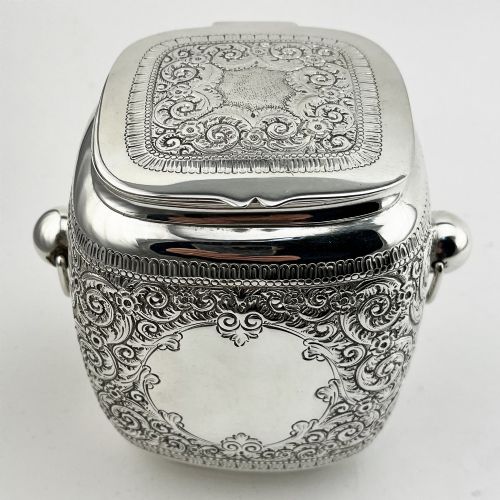
The objects stem from periods spanning the mid-nineteenth century through 1910, reflecting Victorian, Edwardian, and Art Nouveau stylistic shifts. Common forms include toast racks, claret jugs, and biscuit barrels.
Makers utilised base metal foundations coated via electroplating to achieve the visual appeal of solid silver at a lower cost. These items served functional roles in wealthy households before becoming collectible display pieces.
How they were made
Manufacturers formed objects from base metal, copper, or nickel silver before applying a thin coating of silver through electroplating. Glass inserts and vessels frequently accompanied metal frames in items like claret jugs and épergnes.
Ornaments incorporated chased engraving, cast figural finials, and etched glass details executed by specialised workshops. Techniques such as electrotyping allowed makers to deposit metal over moulds to create intricate sculptural vessels.
Victorian Silverplate Retail Price Guide 2026
Typical asking prices for victorian silverplate among the pieces listed under this phrase on Sellingantiques today, from the lower quarter to the upper quarter. They describe what is for sale here now, not the wider market.
Listings feature items spanning the 1850s to 1910, encompassing Victorian, Edwardian, and Art Nouveau periods across multiple metal and glass forms.
What varies in quality
The crispness of chased engraving and the depth of cast ornamentation separate standard utility pieces from high-workshop production. Maker attribution heavily influences standing, with firms like Elkington or Walker & Hall demonstrating superior metalwork execution.
The integrity of the underlying electroplate and the preservation of original glass components dictate the overall standard of surviving examples. Substantial gauge metal and robust structural joints distinguish better-made tea sets and candelabra.
Martin Hall & Co·Walker & Hall·Henry Bourne·Smith & Sissons & Co·Elkington·Mappin and Webb·W M F·Fenton Russel·James Dixon·William Hutton & Sons·James Deakin·Hawksworth, Eyre & Co·William Padley
The Victorian Silverplate Glossary
- EPNS
- Electroplated Nickel Silver, a durable base alloy used beneath the silver coating on quality nineteenth-century wares.
- Samovar
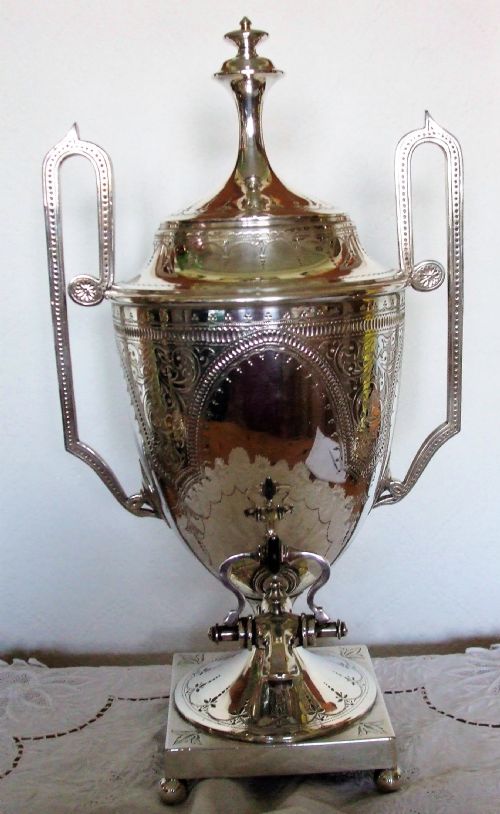
- A heated metal urn traditionally utilised for boiling water to make tea in formal domestic settings.
- Candelabra
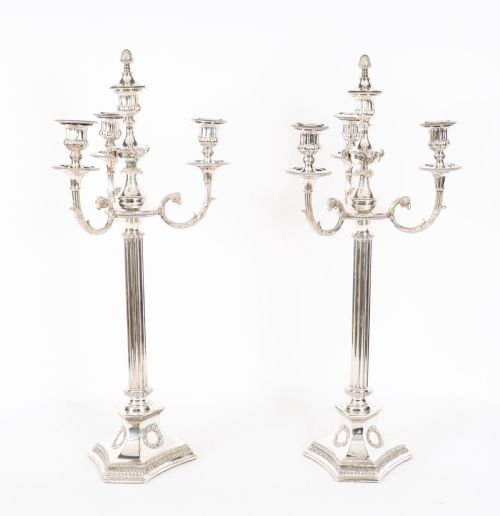
- Branched lighting fixtures designed to hold multiple candles, often incorporating decorative figural stems or central columns.
- Salver
- A flat metal tray supported on feet, utilised for serving drinks or presenting cards and letters.
- Épergne
- A large central table ornament featuring multiple tiered baskets or dishes for fruit, flowers, or sweetmeats.
Victorian Silverplate: Frequently Asked Questions
What is electroplated nickel silver?
Electroplated nickel silver is a strong copper-nickel-zinc alloy coated with a thin layer of silver using an electrical current. This method allowed nineteenth-century manufacturers to produce durable tableware with the appearance of solid silver.
Makers adopted this technique widely after its invention in the 1840s, replacing older Sheffield plate methods that fused silver sheet to copper.
How do I clean silverplate?
Cleaning requires mild, non-abrasive silver polish and a soft cloth to protect the thin plating from wearing through to the base metal. Gentle handling preserves the chased details and engraved decoration on tea services and trays.
Harsh chemical dips should be avoided because they strip the dark patina from recessed areas and can damage embedded glass or interior linings.
How do I identify the maker?
Makers mark their pieces with specific stamps, initials, or trade symbols, usually located on the underside or base of the object. Researching these registry marks reveals the manufacturing firm and often narrows down the production date.
Major firms such as Elkington and Walker & Hall maintained distinctive punch marks that help date their output across the Victorian era.
Can I use these items daily?
Many Victorian silverplated items, such as toast racks and salvers, function well for modern dining and entertaining. Care must be taken with delicate glass inserts and pieces featuring fragile hinges or joints.
Hand washing is essential to maintain the finish, as dishwashers will pit the metal and ruin antique glass components.