



Victorian Pine Mirror
A victorian pine mirror brings honest warmth and practical reflection into a room, combining native softwood frames with period glass.
Victorian Pine Mirror
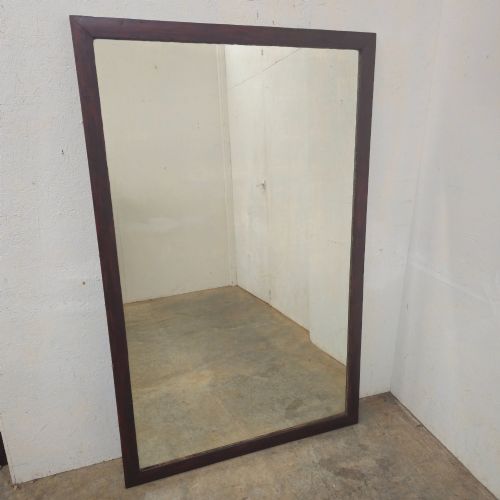
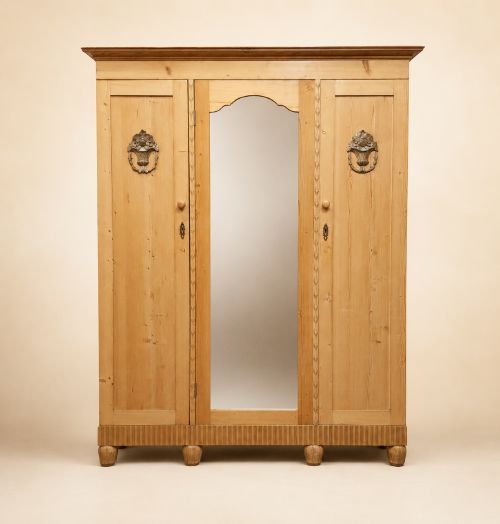
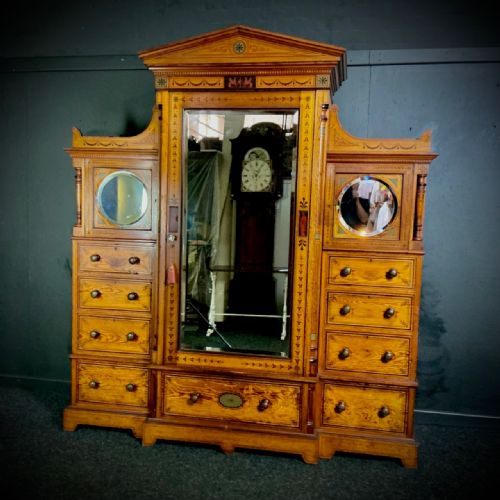
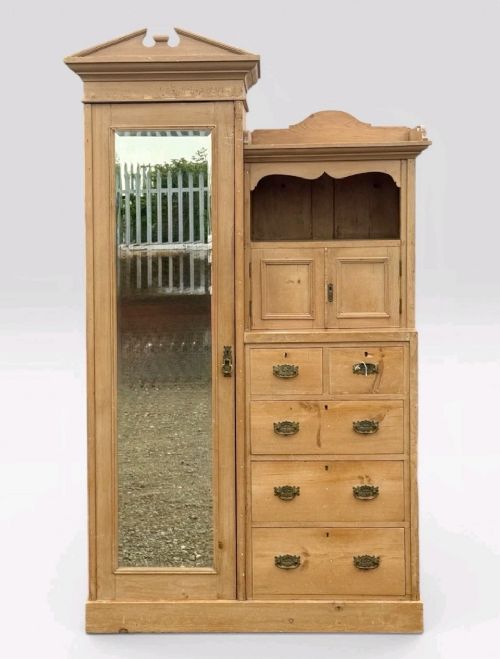
When you search for a victorian pine mirror, you encounter functional household objects that range from simple wall-hanging frames to grand cheval floor-standing swing mirrors and integrated wardrobe door panels. These pieces span the nineteenth century and into the early twentieth century, reflecting domestic utility across various domestic settings.
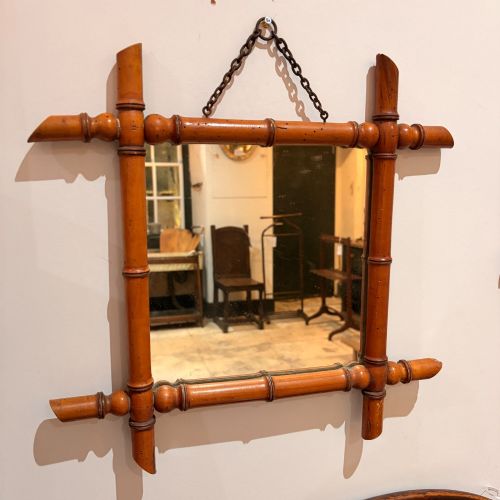
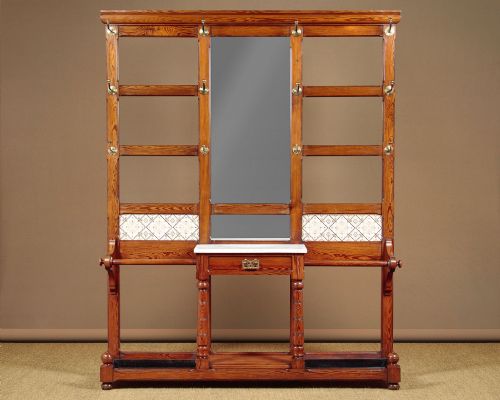
You are most likely to meet wall mirrors, overmantles, and mirrors attached to larger pieces of furniture such as dressing chests and hallstands. The construction primarily utilises native softwood, occasionally presented with decorative paintwork, scumble glaze, or faux bamboo turning.
The regional origins and styles stretch from straightforward rustic farmhouse designs to French aesthetic movement interpretations and provincial pieces. Each object carries the marks of its original domestic function, whether hung above a fireplace or mounted on a pedestal dressing table.
How they were made
Carpenters constructed these frames using solid timber boards of pine and pitch pine, often joined with traditional corner joints and secured with backboards. The wood surfaces received various finishes, ranging from clear wax to stencilled decoration and scumble glazing that mimicked more expensive hardwoods.
The reflective components consist of silvered mirror glass held securely within rebated wooden frames, sometimes accompanied by brass fixings or turned wooden supports for swing mirrors. Larger architectural pieces incorporated heavy timber mouldings and panel construction to support the weight of the glass.
Some pieces feature faux bamboo turning, proving that nineteenth-century makers enjoyed botanical imitation just as much as modern houseplant enthusiasts do.
What varies in quality
The standard of a piece rests upon the selection of the timber and the crispness of any applied decoration, such as hand-stencilled motifs or simulated bamboo turning. Dense pitch pine with deep grain patterns commands attention alongside frames retaining their original surface treatments.
Structural integrity also separates standard utility items from finer examples, noting how well mitred corners hold together and whether original brass hardware remains intact. The clarity and original silvering of the mirror glass contribute significantly to the overall integrity of the piece.
The Victorian Pine Mirror Glossary
- Pitch pine
- A dense, resinous softwood variety prized for its prominent grain pattern and durability in larger furniture items.
- Scumble glaze
- A translucent paint technique applied over a base coat to simulate the grain of more costly woods or to create decorative patterning.
- Cheval mirror
- A full-length floor-standing mirror supported by a frame with vertical pivots that allow the glass to swing.
- Overmantle mirror
- A wide mirror designed specifically to be hung on the wall directly above a fireplace mantelpiece.
- Faux bamboo
- A decorative carving style on wood that imitates the segmented stalks of natural bamboo, popular in late nineteenth-century aesthetic design.
Victorian Pine Mirror: Frequently Asked Questions
How do I clean the wood?
Use a soft, dry cloth to remove dust from the pine surface regularly, avoiding modern silicone sprays that can damage older finishes.
Apply a traditional beeswax sparingly if the timber appears dry, buffing gently to maintain the natural lustre of the wood.
Can these hang safely?
Check the weight of the timber frame and the condition of the original fixings on the back before mounting any wall mirror.
Utilise appropriate wall anchors and professional fixings suited to the specific weight of the glass and wood combination.
What is pitch pine?
Pitch pine is a heavier and harder softwood distinguished by its rich, resinous grain lines and honey-coloured tones.
Cabinetmakers utilised this timber for robust furniture and structural mirror frames that required extra strength.
Are the mirrors original?
Many surviving pieces retain their historic glass, which often displays subtle foxing, minor speckling, and gentle imperfections.
Replacement mirror glass appears occasionally in pieces that required restoration due to breakage over decades of domestic use.