







Victorian Parlor Lamp
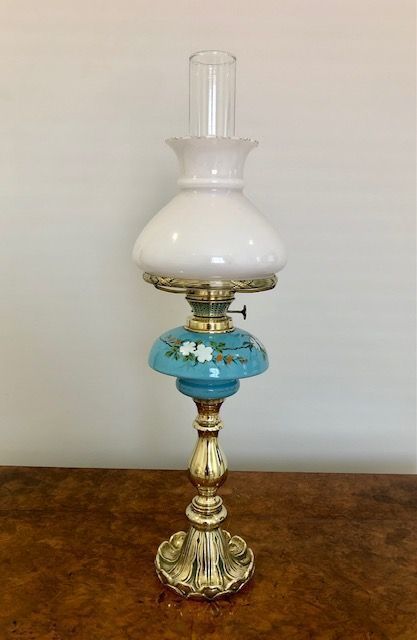
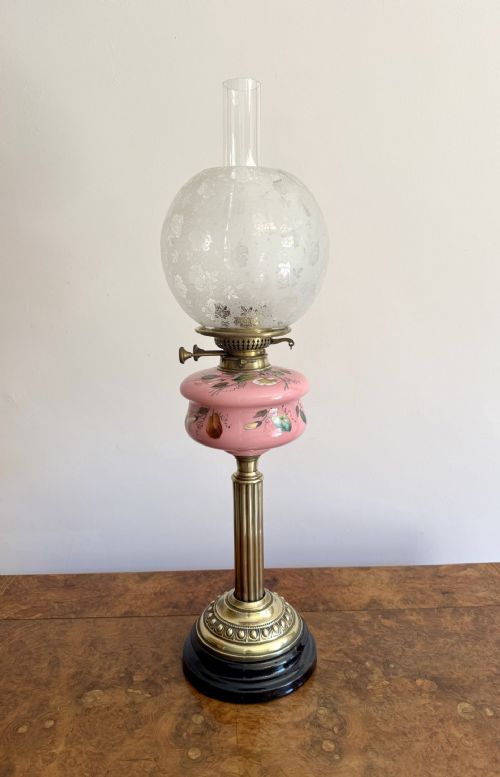
These Victorian parlor lamp examples combine brass and glass to bring period warmth and practical illumination to any room.
Victorian Parlor Lamp
When you search for a victorian parlor lamp, you are looking at domestic lighting fixtures dating mainly from the nineteenth century. These items were designed to sit in main reception rooms, providing steady light before the widespread adoption of electricity.
The versions you are most likely to meet on this page rely on brass and glass construction. They reflect the aesthetic choices of the Victorian era, using materials that combined durability with decorative appeal for everyday household use.
Makers shaped these pieces to serve as both functional illumination and ornamental objects for the home. Their survival allows modern buyers to incorporate genuine nineteenth-century lighting into contemporary interiors.
How they were made
Constructed primarily from brass and glass, these lamps utilised metals that could be cast or spun into stable bases and fuel reservoirs. The combination of heavy metal elements ensured the lamp remained upright during use.
Glass components, often shaped into chimneys or shades, were produced to withstand heat while diffusing the light. Artisans shaped the materials using standard nineteenth-century metalworking and glass-forming techniques suited to domestic production.
Victorian Parlor Lamp Retail Price Guide 2026
Typical asking prices for victorian parlor lamp among the pieces listed under this phrase on Sellingantiques today, from the lower quarter to the upper quarter. They describe what is for sale here now, not the wider market.
Victorian parlor lamps served as the original multi-taskers, doubling as conversation starters and emergency backup when the gas went out.
What varies in quality
The standard of a victorian parlor lamp depends upon the weight of the brass and the clarity of the glass elements. Heavier metal bases indicate a more substantial construction, while finer glasswork shows greater skill in the manufacturing process.
Proportion and decorative detail also separate standard production items from finer examples. Pieces that retain balanced forms and crisp casting details demonstrate a higher grade of original craftsmanship.
The Victorian Parlor Lamp Glossary
- Brass
- A copper and zinc alloy used extensively for the structural bases and metal fittings of nineteenth-century lighting. It offered a bright, golden appearance and sufficient strength for daily handling.
- Glass
- A silicate material formed into chimneys and shades to direct and soften the flame. Quality varies according to thickness and freedom from bubbles.
- Victorian
- Pertaining to the reign of Queen Victoria, spanning the nineteenth century. This period encompassed major shifts in domestic manufacturing and interior decoration.
- Edwardian
- Pertaining to the period following the Victorian era, covering the early twentieth century. Objects from this time often retained nineteenth-century forms while introducing lighter decorative touches.
Victorian Parlor Lamp: Frequently Asked Questions
How did people use a victorian parlor lamp?
These lamps provided illumination in main reception rooms during the nineteenth century before electricity was common. They were placed on tables to light family gatherings and evening reading.
Households used them daily, requiring regular trimming of wicks and replenishment of fuel to maintain a steady flame.
What materials make up a victorian parlor lamp?
The primary materials recorded are brass and glass. Brass provided the heavy base and burner components, ensuring stability.
Glass formed the removable oil reservoirs and the protective chimneys that surrounded the flame.
How do I date a victorian parlor lamp?
Dating relies on the manufacturing style, material composition, and mechanical details of the burner assembly. Nineteenth-century examples often feature specific patent marks on the metalwork.
Comparing the construction methods to known periods helps narrow down the decade of production.
How do I live with a victorian parlor lamp?
These pieces function well as decorative objects in traditional or mixed interiors. Place them on sturdy surfaces where their brass and glass components can catch the light.
They require gentle dusting and careful handling to preserve the historic metal and glass surfaces.