



Victorian Locket Necklace
A victorian locket necklace carries a personal photograph or token within a precious metal case suspended from a chain.
Victorian Locket Necklace
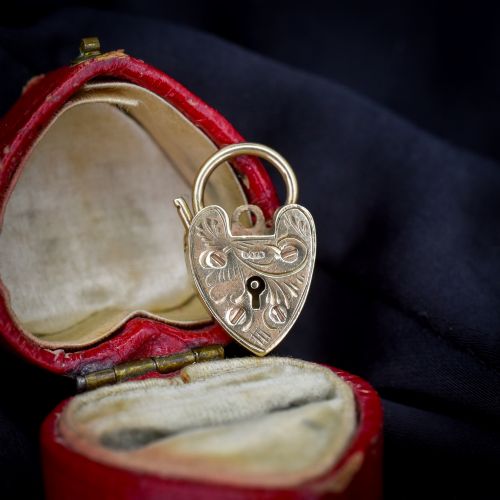
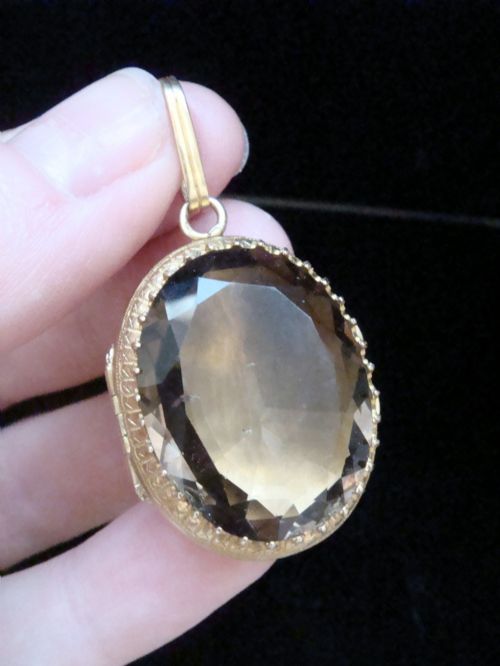
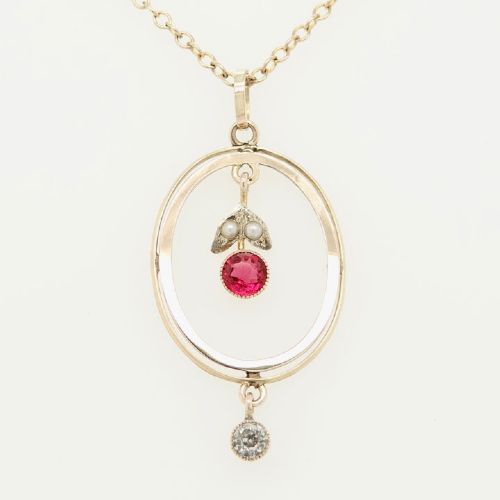
A victorian locket necklace combines sentimental personal storage with period metalwork, appearing most frequently as hinged containers designed to hold miniature portraits or locks of hair. These pieces emerge from the nineteenth century in various configurations, including puffy hearts, teardrops, and book chains.
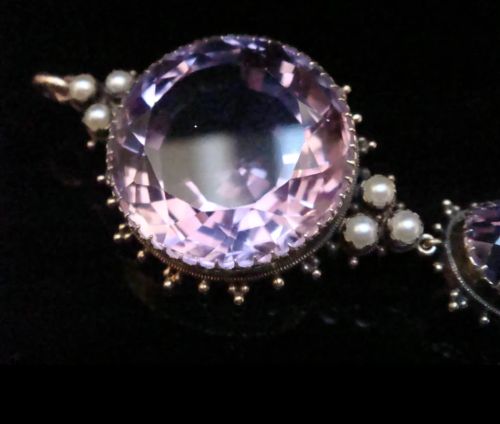
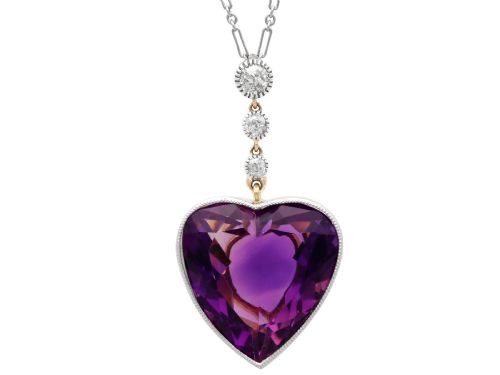
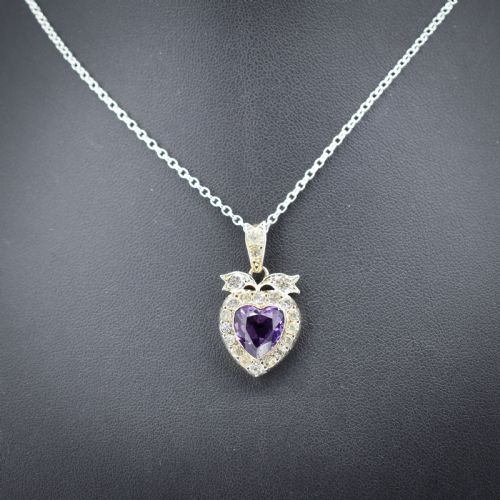
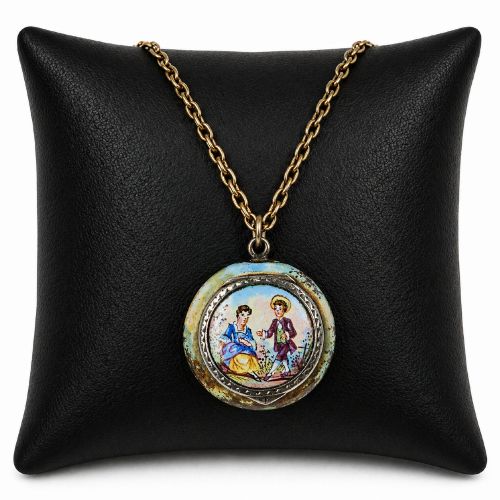
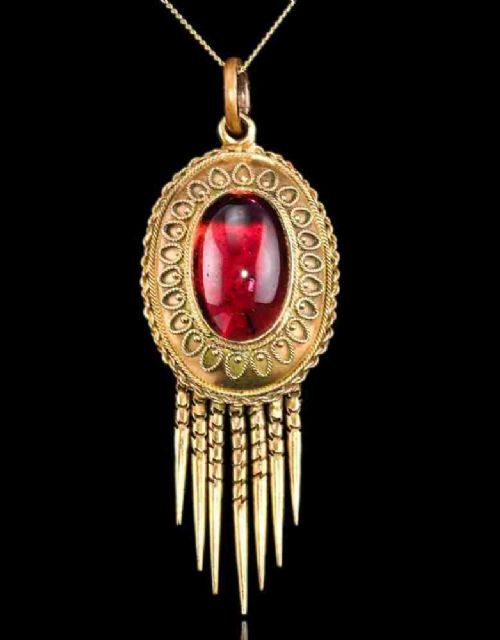
The selection ranges from solid silver floral engravings to high carat gold mountings set with amethyst, garnet, and seed pearls. Pieces often incorporate regional influences such as Etruscan revival motifs or 19th Century Viennese enamel work alongside standard British hallmarked items.
Buyers encounter numerous variations spanning early, mid, and late Victorian eras, alongside related turn of the century items. These range from simple silver padlock charms to elaborate star shaped diamond and enamel pendants.
Materials and Technique
Goldsmiths utilised 9ct, 15ct, and 18ct gold alongside solid silver to construct the hinged cases and accompanying chains. These precious metals frequently support surface embellishments including seed pearls, diamonds, amethysts, and turquoise.
Makers applied specialist techniques such as blue enamel work, hand engraving, filigree wirework, and pietra dura inlay to decorate the exterior cases. Stones like garnets, citrines, and paste are precision cut and secured into bezels or star settings across the pendant surface.
Victorian Locket Necklace Retail Price Guide 2026
Typical asking prices for victorian locket necklace among the pieces listed under this phrase on Sellingantiques today, from the lower quarter to the upper quarter. They describe what is for sale here now, not the wider market.
Current listings demonstrate extensive use of 15ct gold alongside silver, incorporating gemstones such as amethyst, garnet, turquoise, and seed pearls.
Distinctions in Quality
The standard of a victorian locket necklace rests on the weight and purity of the gold or silver used, alongside the complexity of the hand engraving and stone setting. Heavier solid metal constructions and high carat gold mountings represent superior craftsmanship compared to lighter gilt or plated equivalents.
Artisanal execution distinguishes finer items, particularly where intricate seed pearl arrangements, detailed blue enamel work, or fine filigree wire are integrated into the design. The crispness of floral engravings and the secure operation of original internal glass compartments separate standard workshop output from exceptional examples.
The Victorian Locket Necklace Glossary
- Puffy heart
- A pendant fashioned with rounded, three-dimensional domed front and back plates that create a swollen heart silhouette. These hollow containers frequently house internal photograph frames.
- Book chain
- A necklace constructed from wide, flat metal links that mimic the appearance of stacked book spines. They often accompany large Victorian lockets.
- Seed pearl
- A tiny, naturally occurring pearl, typically under two millimetres in diameter, utilised in clusters to form floral or geometric patterns on nineteenth-century jewellery. They are commonly thread-set or glued into gold mountings.
- Pietra Dura
- An artistic technique involving the inlay of cut and fitted polished coloured stones to form pictorial images. Artisans mounted these stone plaques directly into the front of gold pendants.
- Mourning locket
- A commemorative piece of jewellery designed to hold hair or a portrait in memory of a deceased person. These often feature dark materials like jet, tortoiseshell, or black enamel.
Victorian Locket Necklace: Frequently Asked Questions
What fits inside these lockets?
These hinged containers were originally designed to hold miniature painted portraits, silhouettes, or locks of woven hair arranged behind glass panels.
Modern wearers frequently place small printed photographs cut to match the internal bezel shape inside the compartment.
How do you open the hinged cases?
Most pieces feature a subtle side notch or a small thumbnail lip designed to release the spring-loaded or friction-fit cover when gentle pressure is applied.
Care must be taken with older items to avoid straining the original hinge mechanism if the cover remains tightly sealed.
Can these necklaces be worn daily?
Solid gold and heavy silver examples suit regular daily wear provided the chain links and jump rings remain secure and thick enough to withstand movement.
Delicate pieces set with seed pearls or antique glass compartments require extra care to protect them from moisture and accidental impacts.
How are different periods identified?
Stylistic clues such as Etruscan revival granulation, heavy Victorian floral chasing, or Edwardian platinum touches help narrow down the date of manufacture alongside any visible hallmarks.
Material choices like high carat 15ct gold point directly to the nineteenth century, as this specific purity standard was discontinued in the early twentieth century.