





Victorian Kitchen Stool
A victorian kitchen stool is a sturdy wooden seat built for daily labour, offering honest utility and simple charm.
Victorian Kitchen Stool
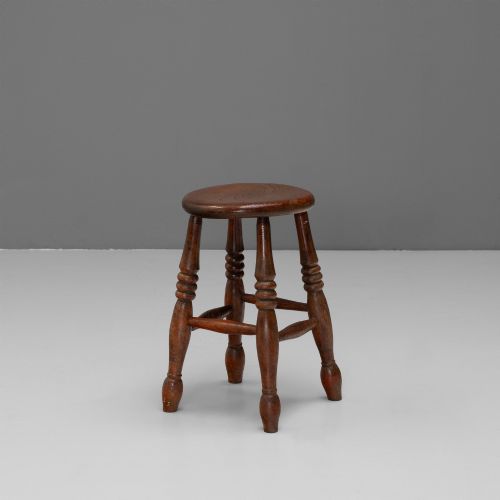
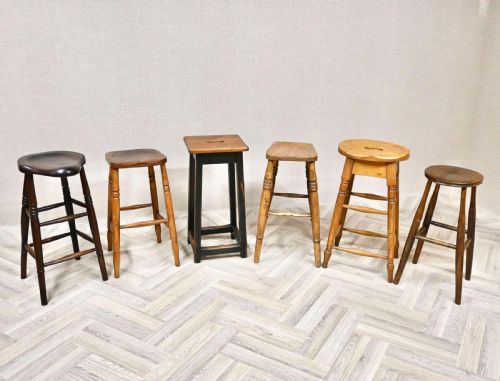
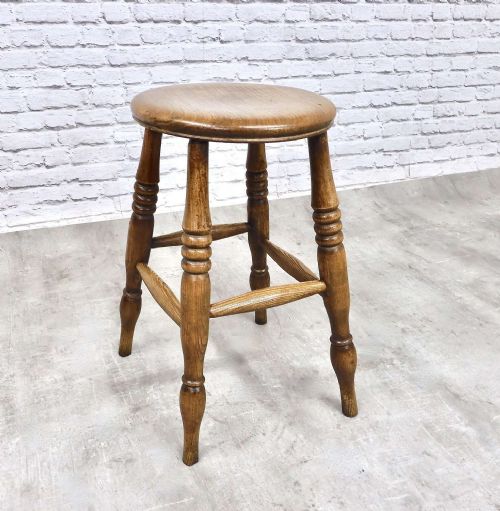
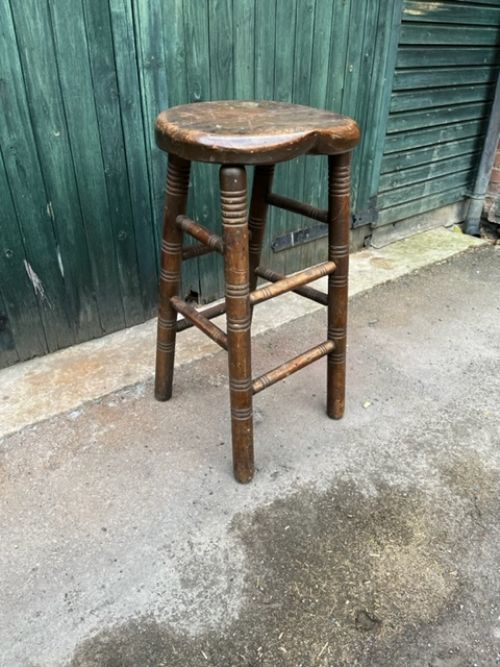
A victorian kitchen stool encompasses practical seating used in nineteenth century domestic and working spaces. These pieces appear in forms such as dairy stools, bar stools, mill worker stools, clerk stools, and library steps.
Makers shaped these utilitarian objects for function rather than display. Buyers encounter vernacular designs that range from low dairy seats to tall elm and beech bar stools intended for elevated work benches.
Regional British makers built these seats to endure heavy use in farmhouses, dairies, mills, and offices. The surviving examples display straightforward construction without superfluous ornamentation.
Materials and construction methods
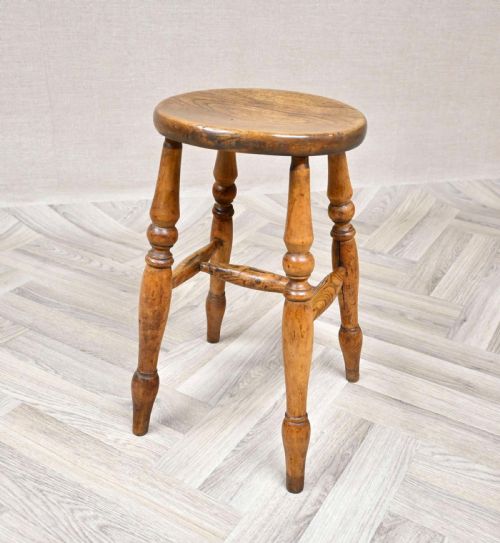
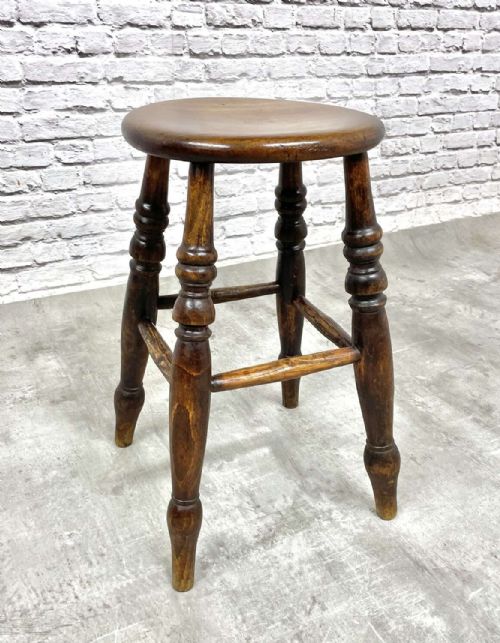
Joiners relied on domestic timbers such as elm, beech, pine, ash, and oak to build these functional seats. Hardwood tops paired with turned legs create solid structures designed to withstand constant movement.
Vernacular methods involved shaping thick wooden seats and securing legs with wedged tenons or simple turnings. Some surviving examples retain traces of early paint finishes applied to protect the wood.
Victorian Kitchen Stool Retail Price Guide 2026
Typical asking prices for victorian kitchen stool among the pieces listed under this phrase on Sellingantiques today, from the lower quarter to the upper quarter. They describe what is for sale here now, not the wider market.
Distinctions in quality
Quality rests in the choice of timber and the integrity of the joinery rather than decorative carving. Elm seats with well-figured grain and substantial thickness represent the sturdier end of the range.
Proportion and stance separate ordinary workshop seating from finer vernacular examples. Well-turned beech legs and balanced height give certain stools a more resolved presence while retaining their working character.
The Victorian Kitchen Stool Glossary
- Vernacular
- Everyday objects made by local craftspeople using traditional methods and regional materials. These pieces prioritise practical utility over academic design styles.
- Windsor
- A chair or stool construction method where legs and spindles fit directly into a thick wooden seat rather than a frame. This technique creates a remarkably strong joint.
- Dairy stool
- A low three-legged or four-legged seat used by workers during milking or food preparation. They feature compact dimensions for easy movement around agricultural spaces.
- Clerk stool
- An elevated seat designed for high desks in offices or counting houses. They often incorporate turned beech stretchers for footrests and stability.
- Turned
- Shaped on a lathe to create cylindrical, tapered, or decorative profiles in wooden legs and stretchers. This process strengthens structural components while adding subtle pattern.
Victorian Kitchen Stool: Frequently Asked Questions
What defines a victorian kitchen stool?
These pieces are nineteenth century wooden seats designed for practical tasks in domestic, agricultural, or industrial settings. They include low dairy seats, tall bar stools, and clerk stools.
Craftspeople built them from local hardwoods like elm and beech with an emphasis on durability. Their simple forms reflect the needs of Victorian working environments.
How were these stools used?
Workers utilised them for seated tasks in kitchens, dairies, mills, and offices where mobility and stability mattered most. Tall versions served at elevated counters or high workbenches.
Low dairy stools allowed workers to sit comfortably close to the ground during repetitive agricultural chores. Every design served a specific function in daily nineteenth century labour.
Are these stools suitable for modern kitchens?
Their modest proportions and honest construction make them practical seating options for contemporary breakfast bars and kitchen islands. Tall elm and beech variants fit naturally beneath modern counters.
Living with these pieces adds historical character and tactile warmth to domestic spaces. Their durable timber construction ensures they remain functional for daily use.
How do I identify the period of a stool?
Nineteenth century examples show distinct tool marks, hand-turned legs, and wear patterns consistent with age and heavy use. Timbers like solid elm and native pine reflect period material availability.
Construction details such as wedged tenon joints and dry-assembled spindles help separate nineteenth century vernacular pieces from later reproductions.