
Victorian Dining Set
A victorian dining set brings formal timber construction and generous seating to the room, offering matched chairs and tables built for gathering.
Victorian Dining Set
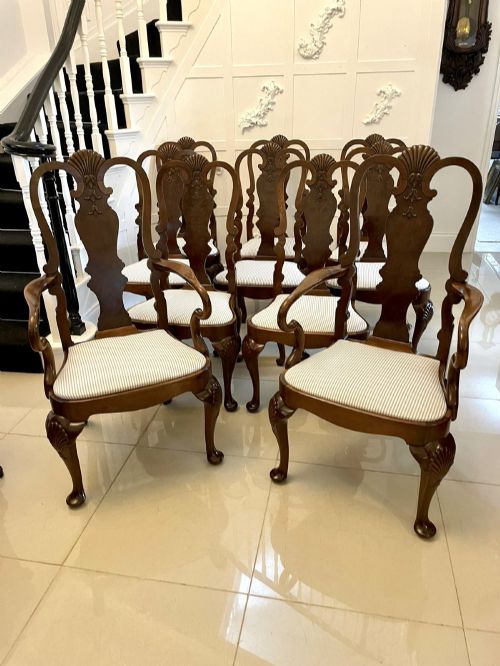
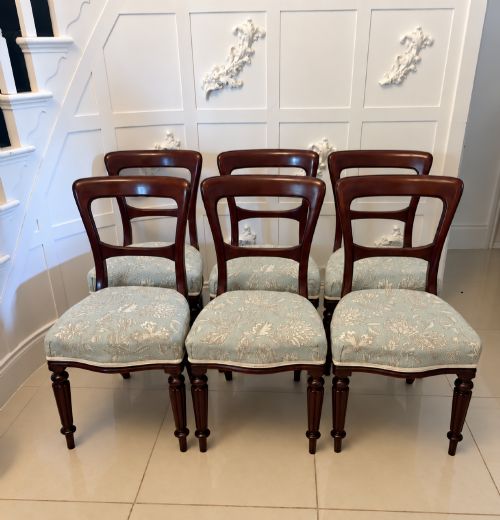
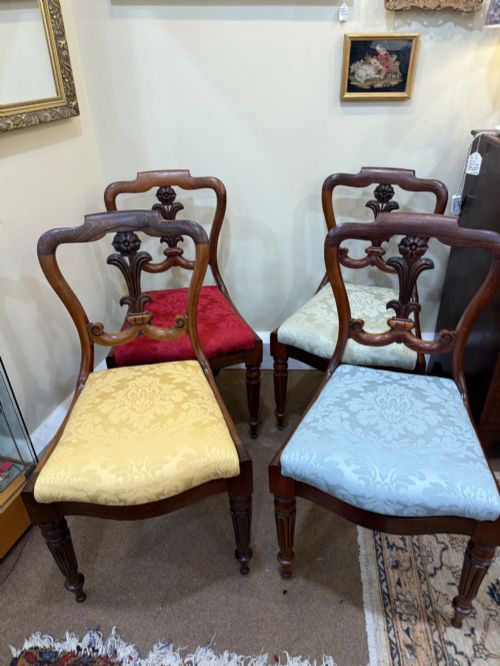
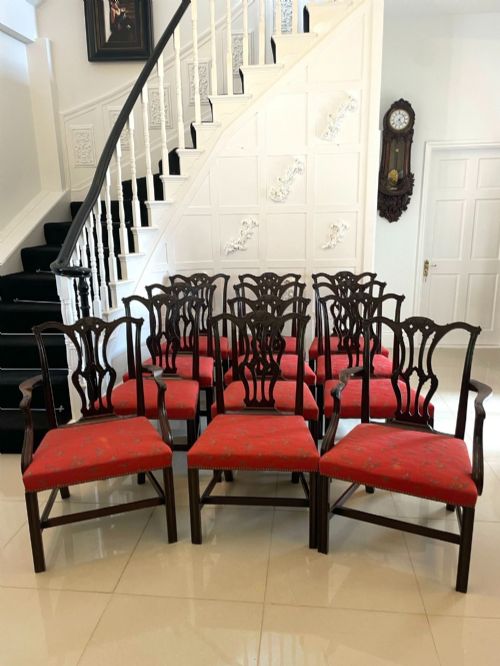
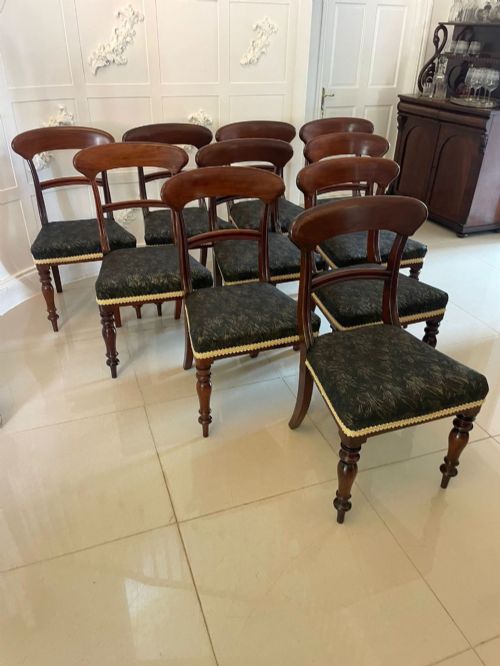
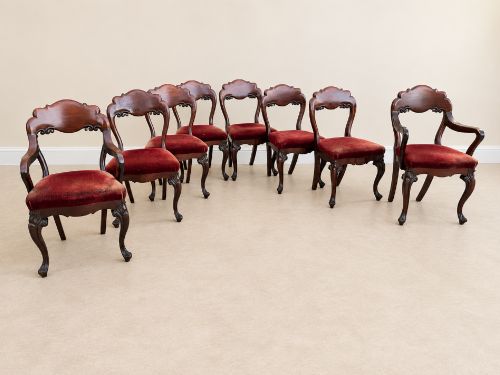
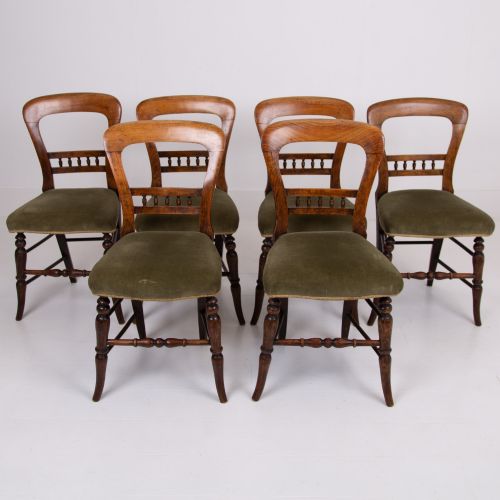
A victorian dining set comprises matched seating configurations, frequently appearing as groups of four, six, eight, ten or twelve chairs alongside robust timber tables. These groupings emerge from the nineteenth century, spanning from the eighteen-fifties through to the eighteen-nineties, with occasional Edwardian items present.
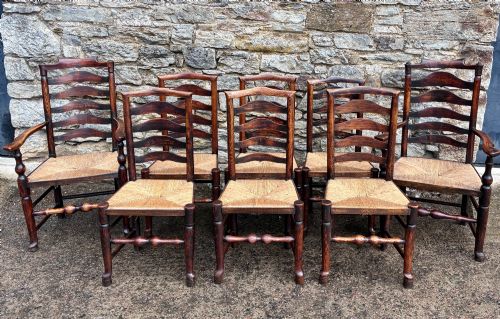
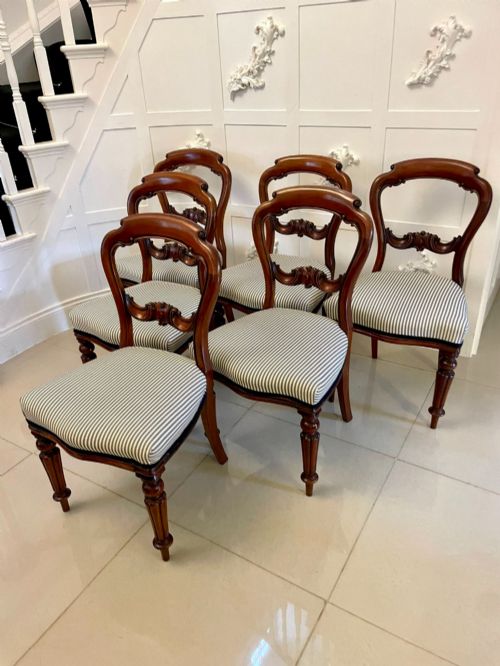
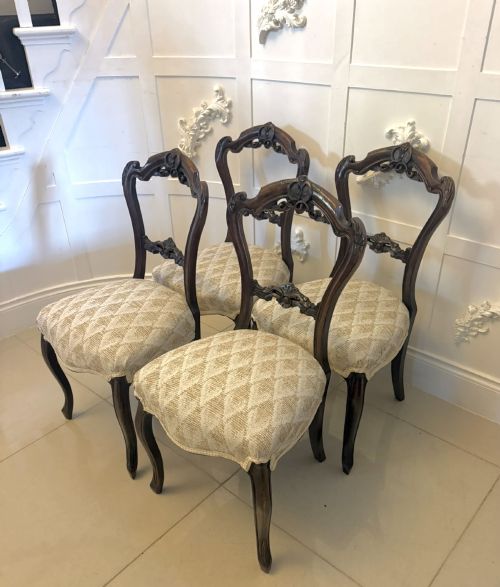
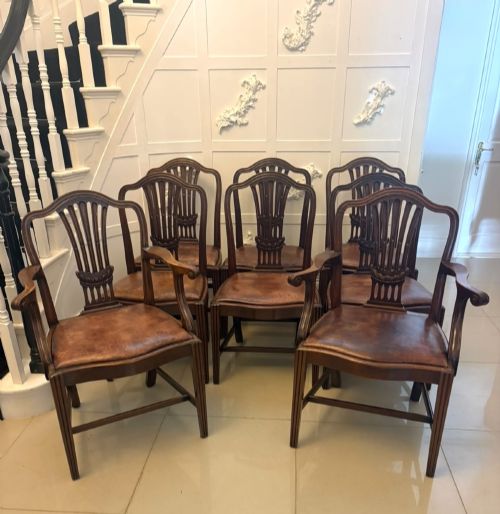
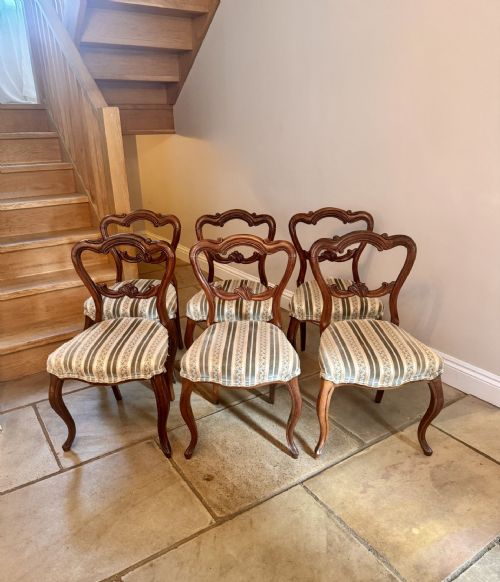
The configurations range from formal balloon back and shield back designs in mahogany, walnut and rosewood to sturdy vernacular seating like Windsor kitchen chairs in elm, ash, beech and oak. Buyers encounter both urban formal suites and English country dining sets suited to domestic interiors.
How they were made
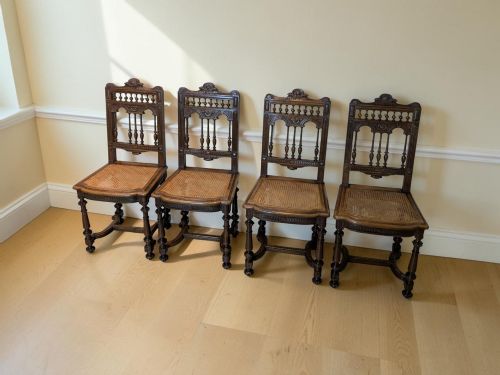
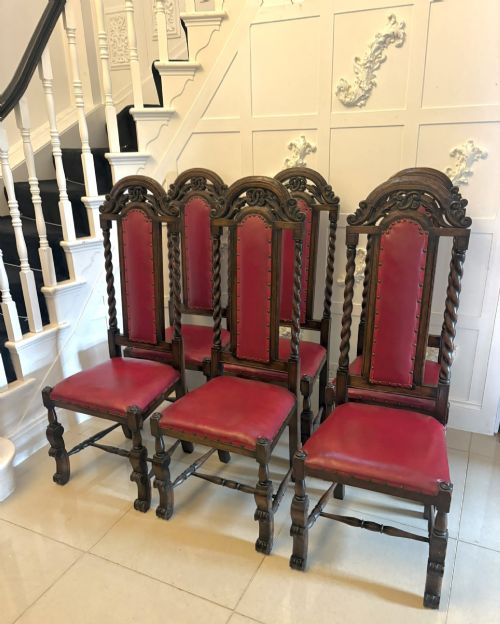
Cabinet makers utilised dense hardwoods such as mahogany, walnut, oak and rosewood, employing carved details, reeded legs, barley twists and turned supports. Timber selection dictated the structural integrity of frames, allowing intricate balloon backs and shield back contours to withstand daily use.
Upholstery techniques involved traditional stuffing materials finished with fabric, leather or velvet coverings. Country kitchen variations relied on solid timber plank seats, including penny seats and bullseye designs shaped from elm and ash.
Listings feature items from the nineteenth century, including specific dates such as 1850, 1860, 1870, 1880 and 1890, alongside Edwardian examples.
What varies in quality
The calibre of a set rests upon timber selection and the crispness of carved ornamentation across the framework. Uniformity among the chairs in a matched group determines the overall coherence of the suite.
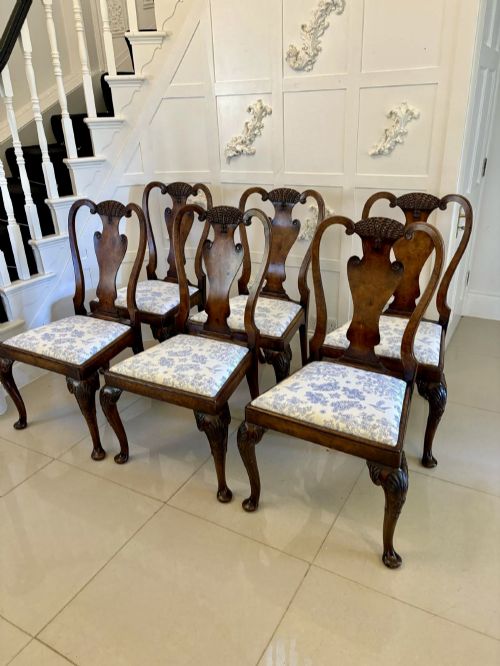
Subtle variations in timber grain, such as burr walnut figures or richly patinated mahogany, distinguish higher tier examples from standard utilitarian seating.
The Victorian Dining Set Glossary
- Balloon back
- A chair back shaped in a continuous curved oval resembling a balloon, characteristic of nineteenth century formal seating.
- Shield back
- A dining chair back fashioned in the contour of a heraldic shield, often associated with Hepplewhite style revivals.
- Carver
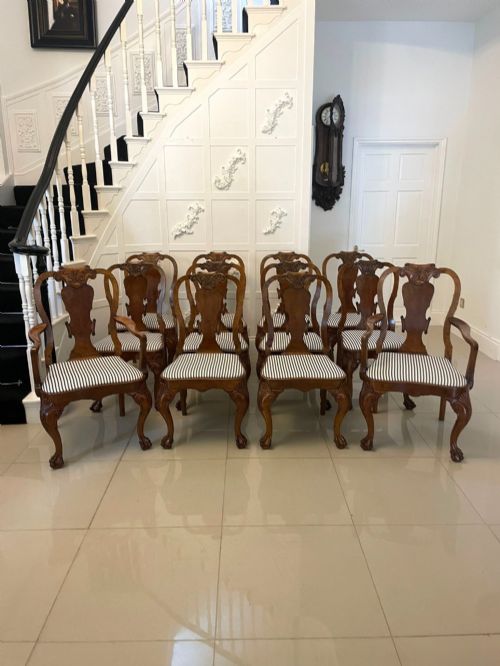
- An armchair designed with elbow rests, traditionally placed at the head of a dining table alongside matching side chairs.
- Barley twist
- A decorative turning technique resembling a twisted rope, carved into chair legs and structural stretchers.
Victorian Dining Set: Frequently Asked Questions
How many chairs come in a typical set?
Sets commonly comprise four, six, eight, ten or twelve chairs, frequently accompanied by a matching dining table.
Larger configurations of ten or twelve chairs are less common and typically intended for substantial dining spaces.
What is a carver chair?
A carver is an armchair featuring integrated armrests designed to sit at the ends of a dining table.
These pieces match the aesthetic and timber of the smaller side chairs within the set.
Which timbers were used for these sets?
Cabinet makers predominantly utilised dense hardwoods such as mahogany, walnut, oak and rosewood for formal dining suites.
Country variations incorporated domestic timbers including elm, ash, beech and oak for vernacular seating.
How do balloon back chairs differ from country chairs?
Balloon back chairs feature formal curved upholstered backs and polished mahogany or walnut frames suited to nineteenth century dining rooms.
Country chairs, such as Windsor designs, utilise solid timber plank seats and spindle backs constructed from mixed woods.