



Victorian Cutlery Caddy
These victorian cutlery caddy items are functional domestic pieces made for holding tableware and serving implements, offering traditional utility and period character for the home.
Victorian Cutlery Caddy
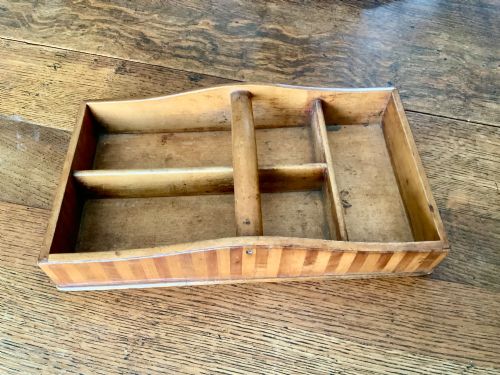
A victorian cutlery caddy brings functional nineteenth-century design into the modern interior, serving as a practical container for tableware, kitchen implements, or small household items. When exploring these listings, buyers encounter various forms including wooden boxes, trays, and caddies originating from the Victorian and nineteenth-century periods.
Materials and construction
Makers utilised timber such as mahogany, pine, fruitwood, and oak to build sturdy boxes, trays, and caddies meant for daily household service. These wooden pieces often feature simple joinery and structural hardware in brass or steel to withstand regular handling.
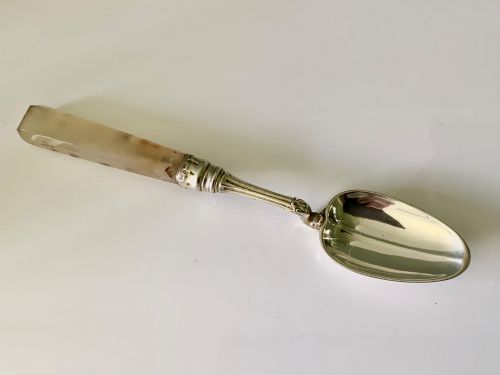
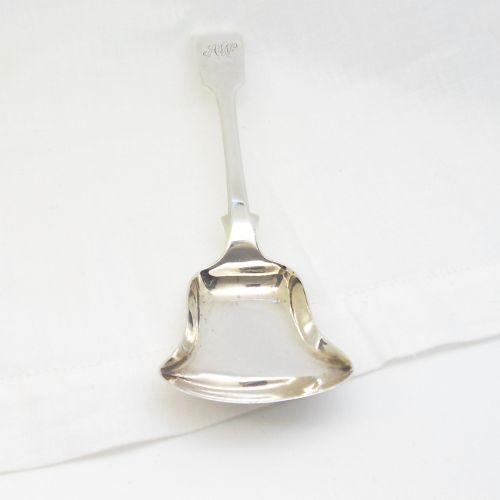
Metalwork forms part of the construction through sterling silver and plated items, alongside toleware and specialised handles incorporating stone such as agate. Craftsmanship focused on durability and utility, combining woods and metals suited to domestic tasks.
Victorian Cutlery Caddy Retail Price Guide 2026
Typical asking prices for victorian cutlery caddy among the pieces listed under this phrase on Sellingantiques today, from the lower quarter to the upper quarter. They describe what is for sale here now, not the wider market.
The site listings incorporate items made from sterling silver, mahogany, pine, fruitwood, agate, brass, and steel across the Victorian period and nineteenth century.
Evaluating quality and execution
Quality appears in the choice of timber and the precision of the construction, where finer mahogany boxes show careful grain selection and sturdy assembly compared to utilitarian utility trays. The presence of hallmarked silver or well-finished metal components elevates the refinement of an individual piece.
Execution also shows in the retention of original surfaces, fittings, and handles, distinguishing everyday utility items from more polished examples meant for formal domestic settings.
John Walton·George Unite
The Victorian Cutlery Caddy Glossary
- Cutlery caddy
- A specialised container or box designed for storing and transporting knives, forks, spoons, or related tableware. These items range from partitioned wooden boxes to open trays.
- Toleware
- Metalware, usually iron or steel, coated with a lacquer or enamel and often hand-painted for domestic use. This material appears in nineteenth-century kitchen buckets and utility items.
- Fruitwood
- Dense timber derived from fruit-bearing trees such as pear, apple, or cherry, utilised by makers for turned or constructed domestic objects. It offers a smooth texture and warm tone.
- Hallmark
- An official stamp applied to precious metals indicating purity, origin, and often the maker or date of assay. These marks assist in identifying the provenance of silver pieces.
Victorian Cutlery Caddy: Frequently Asked Questions
What is a victorian cutlery caddy used for?
These items were originally designed to hold, sort, and carry cutlery, serving implements, or small household tools around the home or estate.
Today, they function well on sideboards, kitchen counters, or dining tables for organising modern tableware or displaying dried items.
How do I identify a nineteenth-century piece?
Identification relies on observing construction methods, timber patination, and any accompanying hallmarks or maker marks stamped into the silver or metal components.
Comparing the form and materials to documented nineteenth-century domestic items helps confirm the period of origin.
What woods are common in these items?
Makers frequently employed domestic hardwoods such as mahogany, fruitwood, and oak for their strength and agreeable grain patterns in utility boxes and trays.
Pine also appears in utilitarian storage pieces intended for daily kitchen or pantry service.
How should I clean wooden caddies?
Maintenance involves dusting with a soft, dry cloth and occasionally applying a traditional beeswax to nourish the historic timber surface.
Avoid using modern liquid detergents or soaking wooden items in water, as moisture damages the antique finish.