

Victorian Carved Wood Table
A victorian carved wood table brings solid timber craftsmanship and ornate ornamentation into a room, serving as a practical surface with distinct period character.
Victorian Carved Wood Table
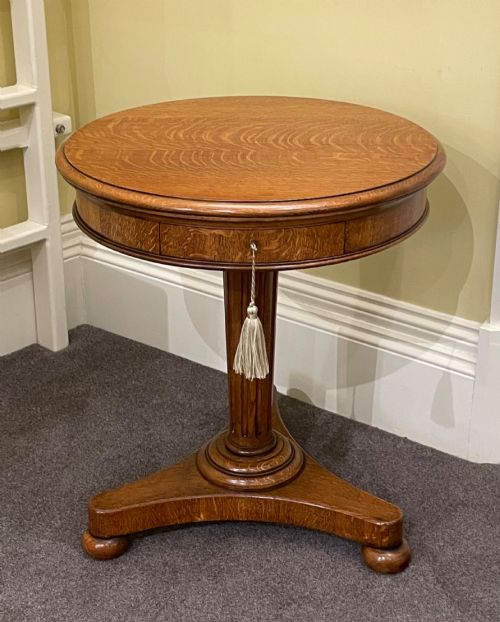
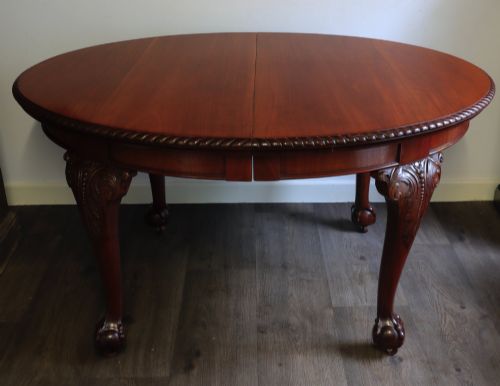
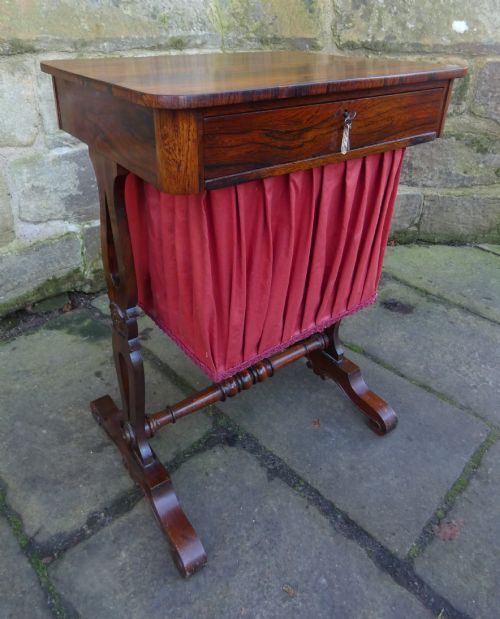
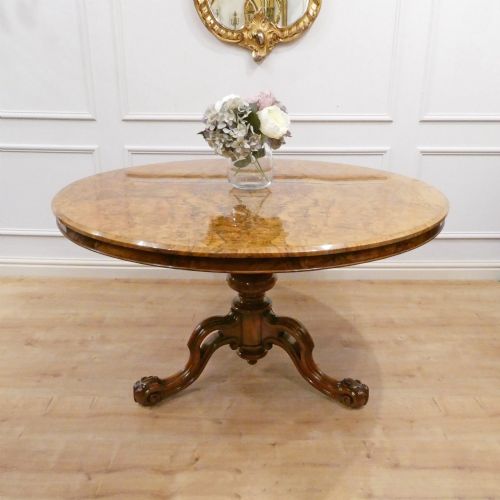
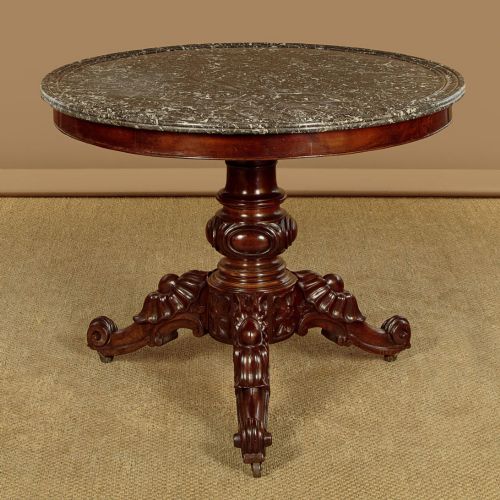
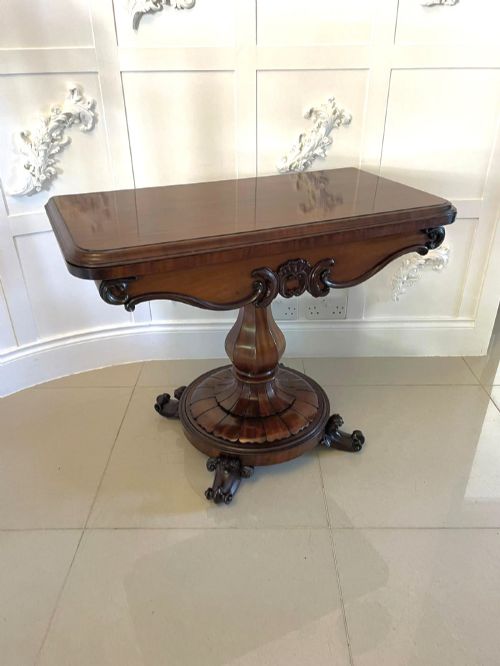
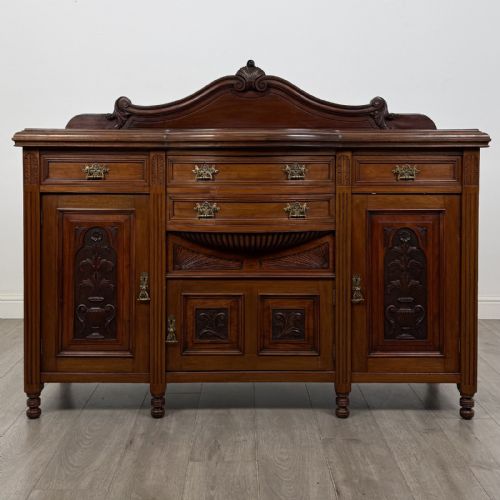
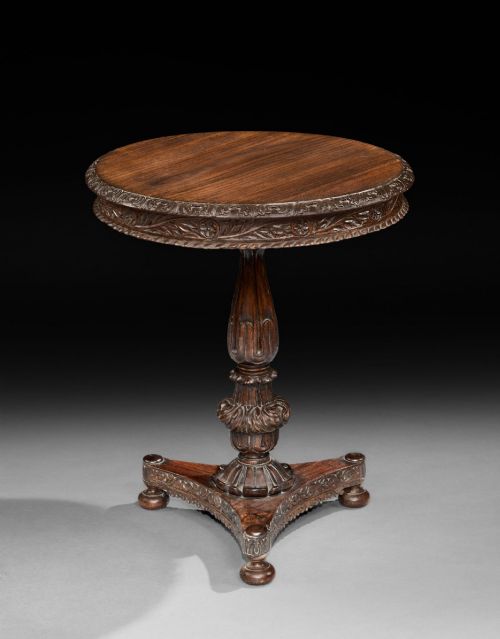
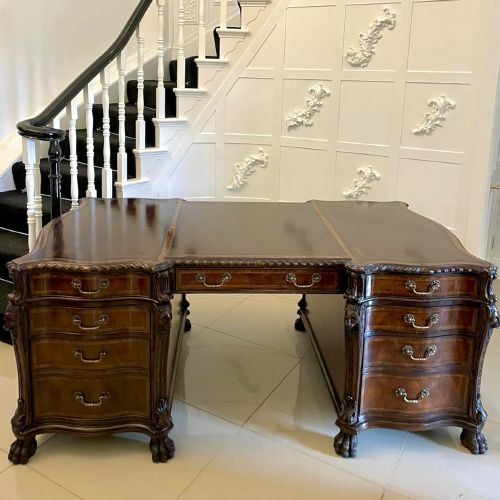
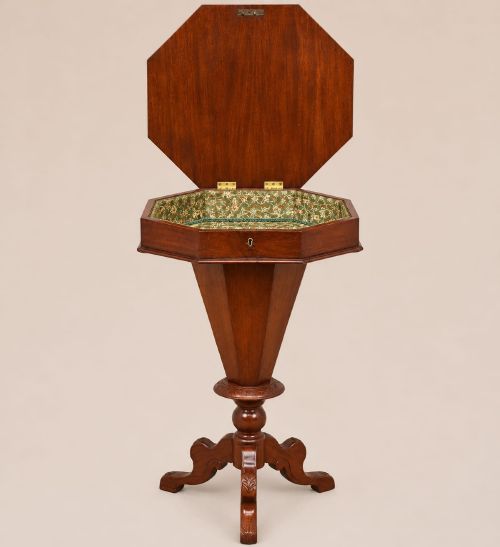
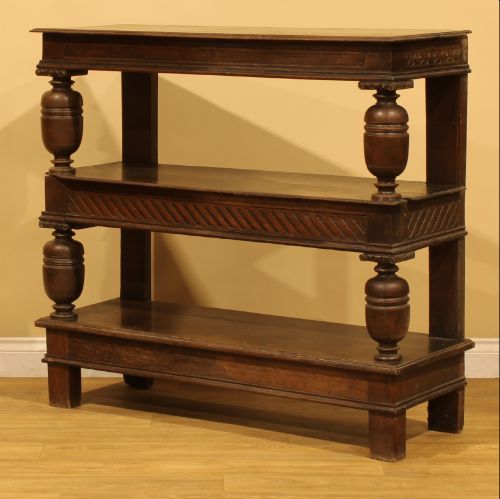
A victorian carved wood table spans formats from small occasional and wine tables to large centre and console tables designed for display or dining. The examples seen here include walnut, mahogany, rosewood, and oak pieces spanning the nineteenth century.
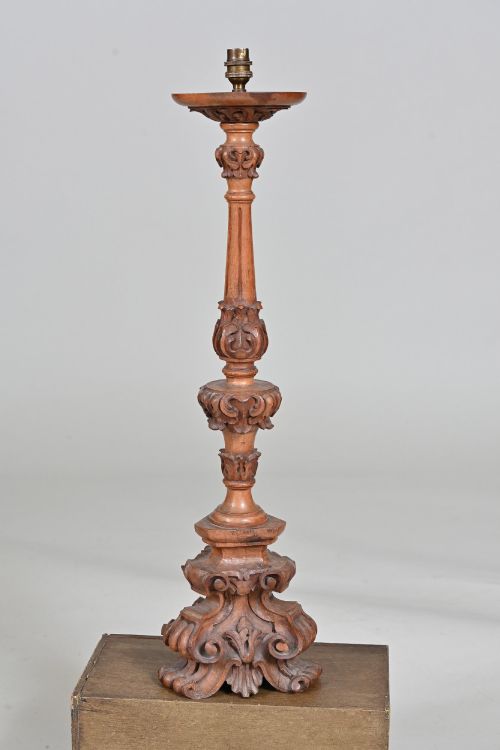
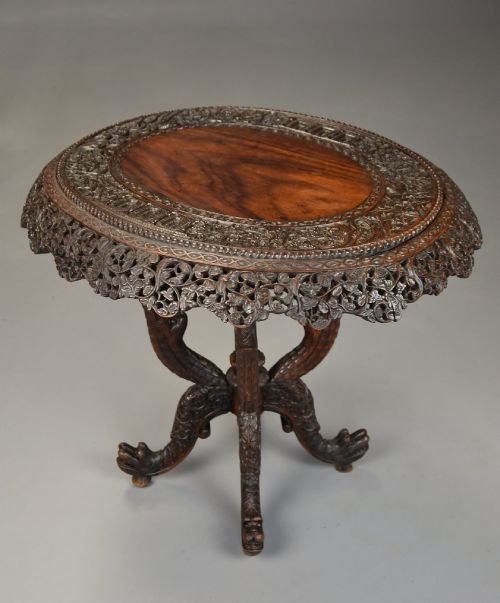
Occasional tables and side tables appear frequently, alongside specialised forms such as games tables, tilt-top breakfast tables, and console tables. Regional variations incorporate Anglo-Indian, Burmese, and Swiss Black Forest carving traditions alongside standard Victorian production.
Materials and construction
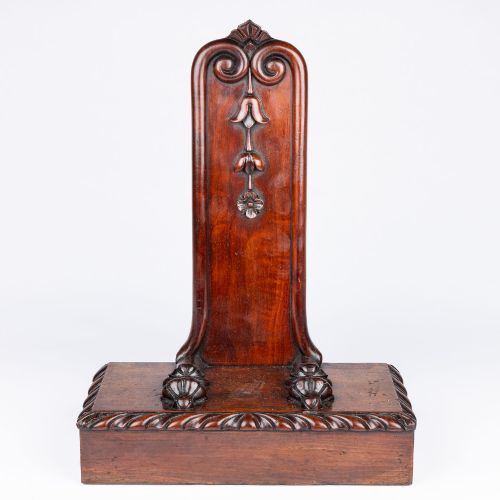
Cabinet makers utilised dense hardwoods like mahogany, walnut, rosewood, and padouk, often selecting burr veneers or adding brass and mother-of-pearl inlay to create patterned surfaces. Carved elements range from geometric borders to deep relief foliage and figural motifs such as Green Man masks.
Joinery methods include pedestal tripod bases, drop leaves, tilt-top mechanisms, and cabriole legs. Surface finishes preserve the natural grain of the timber while highlighting hand-carved details across skirts, legs, and gallery shelves.
Victorian Carved Wood Table Retail Price Guide 2026
Typical asking prices for victorian carved wood table among the pieces listed under this phrase on Sellingantiques today, from the lower quarter to the upper quarter. They describe what is for sale here now, not the wider market.
Listings feature woods including rosewood, walnut, mahogany, padouk, and teak across nineteenth-century occasional, console, and dining tables.
Evaluating the pieces
Quality rests on the crispness of the hand-carving and the choice of timber figure, such as burr walnut or figured satin birch. Well-executed pieces show precise joinery in mechanisms like tilt-tops and drawer linings without loose joints or crude repairs.
The integration of decorative elements dictates distinction, distinguishing mass-produced items from finely detailed workshop creations. Regional or imported pieces display specific carving depth and inlay precision that elevate their standing.
Richardson and Sons·Ralph Turnbull
The Victorian Carved Wood Table Glossary
- Tilt-top table
- A table with a hinged top that pivots vertically to save space when not in use. This mechanism is common on nineteenth-century breakfast and occasional tables.
- Pedestal table
- A table supported by a single central pillar rising from a footed base or tripod legs. It allows maximum legroom around the surface.
- Console table
- A table designed to stand against a wall, frequently secured with brackets. These often function as serving or side tables in hallways and reception rooms.
- Burr walnut
- Wood taken from a tree growth or burl that produces complex, swirling grain patterns. Cabinet makers prized this veneer for high-end Victorian tabletops.
- Tripod base
- A three-legged support structure typical of smaller occasional and candle stands. It provides stability on uneven floor surfaces.
Victorian Carved Wood Table: Frequently Asked Questions
What is a tilt-top table used for?
A tilt-top table functions as a standard surface for lamps, drinks, or breakfast before pivoting upright when floor space is needed.
This design was particularly popular in nineteenth-century parlours where rooms served multiple daily functions.
Where should I place a console table?
A console table sits flat against a wall in a hallway, drawing room, or dining space to hold lamps, mirrors, or decorative objects.
Because these tables do not occupy the centre of a floor, they suit narrow circulation areas.
What distinguishes burr walnut from standard walnut?
Burr walnut displays swirling, highly figured grain patterns derived from a deformed tree growth rather than straight timber planks. Cabinet makers reserved this material for prominent surfaces on top-tier Victorian furniture.
It requires careful veneering technique to cover tabletops and cabinet fronts.