

Victorian Buttons
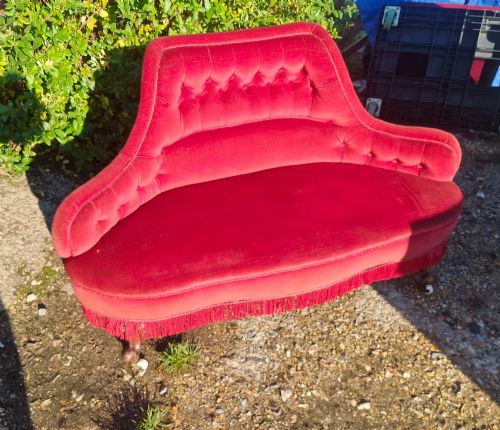
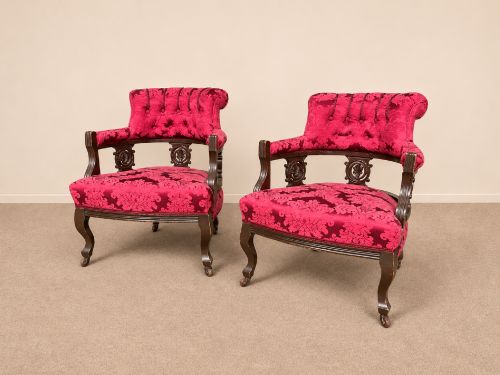
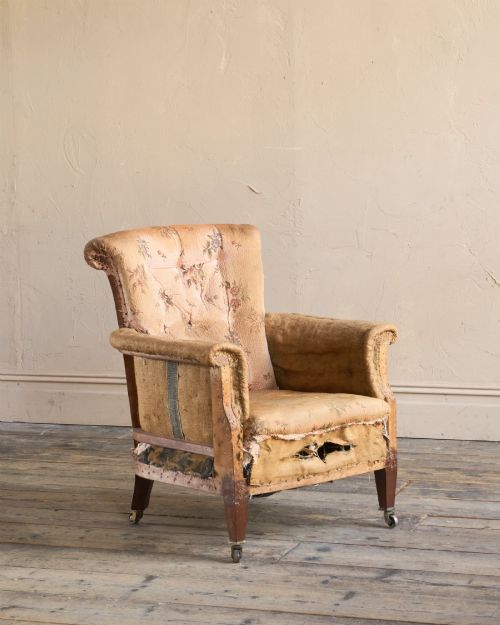
Victorian buttons on upholstery define these seating pieces, bringing deep tufted comfort and traditional form to your room.
Victorian Buttons
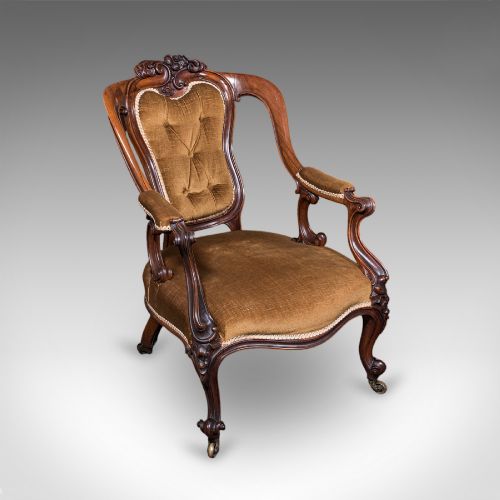
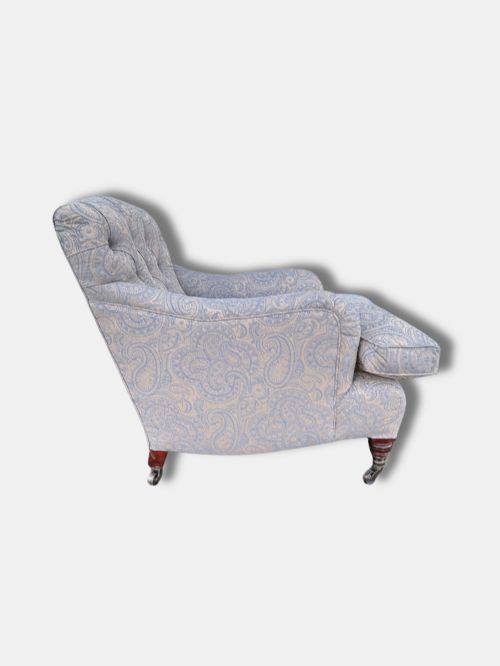
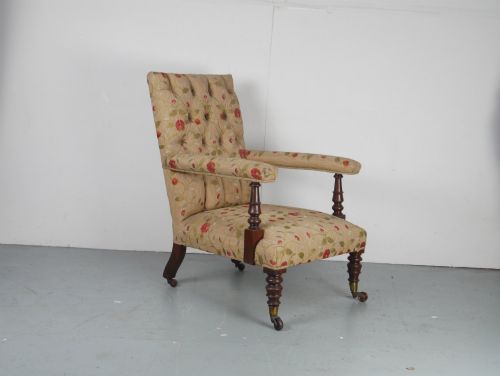
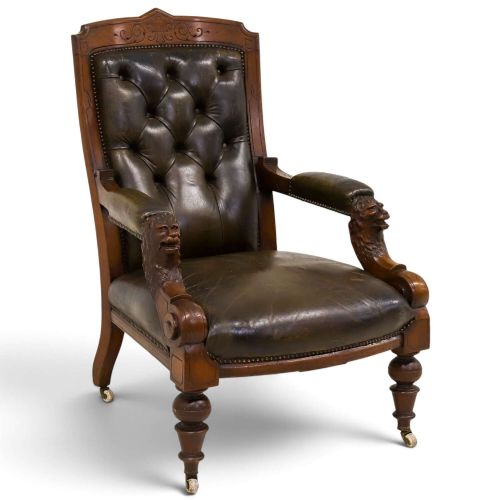
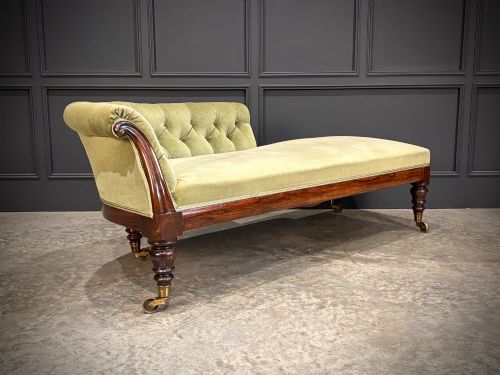
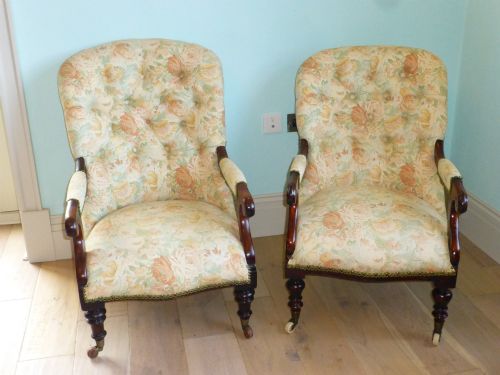
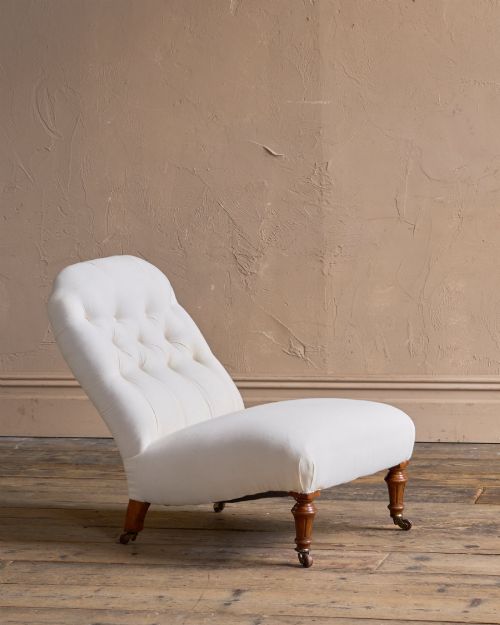
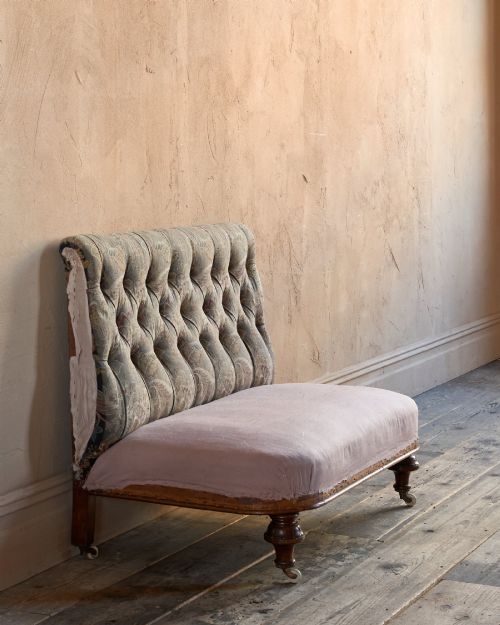
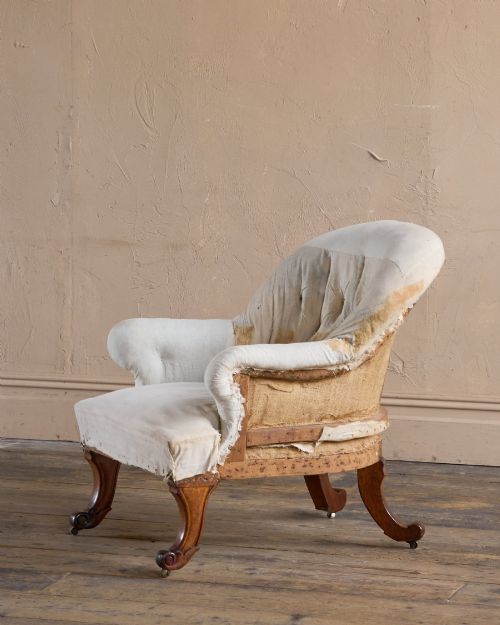
When you search for Victorian buttons, you encounter upholstered seating such as armchairs, sofas, chaise longues, and footstools that utilise deep tufting across the backrest or seat. These pieces emerge from the nineteenth century, drawing on periods from the Regency era through to 1900, with an emphasis on Victorian design.
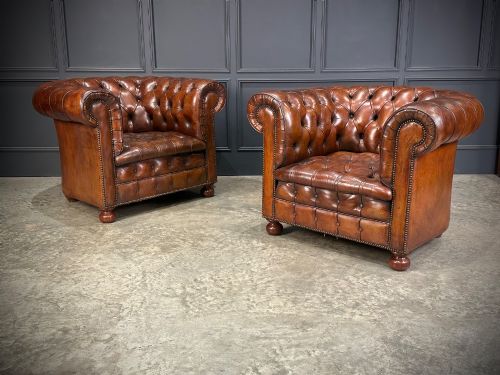
The version you are most likely to meet on this page is the button-back armchair or Chesterfield sofa framed in mahogany or walnut. These forms often reflect English country house or French Napoleon III aesthetics, combining sturdy timber frames with plush upholstered surfaces.
Makers such as Howard & Sons also appear among the selections, alongside items originating from country house settings. The forms range from library chairs and gentleman's armchairs to long stools and gout stools.
How they were made
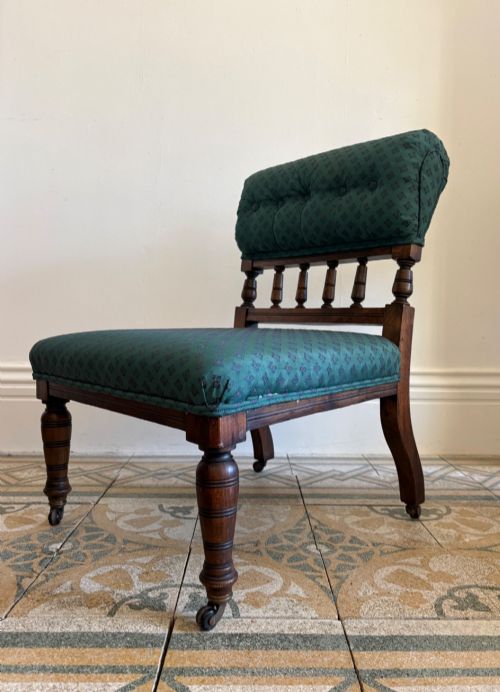
The construction relies heavily on solid timbers such as mahogany and walnut for the exposed frames, legs, and carved details. Wood, timber, and occasionally mahogany frames provide the structural skeleton for the upholstered bodies.
Upholstery materials including green velvet, fabric, leather, and velvet cover the padded surfaces, secured with buttons to create the characteristic tufted finish. These textiles are stretched over internal padding to shape the deep buttoning seen on sofas and chairs.
Victorian Buttons Retail Price Guide 2026
Typical asking prices for victorian buttons among the pieces listed under this phrase on Sellingantiques today, from the lower quarter to the upper quarter. They describe what is for sale here now, not the wider market.
The furniture styles span English country house, French Napoleon III, and traditional Victorian designs.
What varies in quality
The standard of the timber framing dictates the structural integrity, with finely carved walnut and mahogany frames sitting at the higher end of the scale compared to simpler wooden supports. Frame definition and the crispness of the carved details show the skill involved in the woodwork.
The choice and execution of the covering fabric also separate examples, where rich leather or plush velvet combined with even, deep buttoning denotes superior craftsmanship. The precision of the tufting and the durability of the upholstery materials determine the overall finish of the seating.
Howard & Sons
The Victorian Buttons Glossary
- Chesterfield sofa
- A large upholstered settee traditionally featuring rolled arms and deep button tufting across the back and arms. These pieces are typically finished in leather or fabric.
- Chaise longue
- An upholstered couch shaped for reclining, featuring a backrest that extends along only part of the length. These date frequently from the nineteenth century.
- Spoon back
- A chair back shaped in the contour of a spoon, curved to fit the human form and commonly found on Victorian walnut chairs.
- Ciel de lit
- A bed canopy or corona suspended above a bed or seating area. This French term translates to heaven of the bed.
- Gout stool
- A low footstool designed with an adjustable inclined top to support the foot or leg. These often appear in mahogany.
Victorian Buttons: Frequently Asked Questions
What is a Victorian button back armchair?
A Victorian button back armchair is a nineteenth-century seat featuring deep tufted buttoning across its upholstered backrest. These chairs often incorporate mahogany or walnut frames.
They were designed for parlour and library use, offering comfortable seating with substantial padding and traditional styling.
How do I identify a Chesterfield sofa?
A Chesterfield sofa is recognised by its distinctive deep buttoned upholstery and arms that match the height of the back. They are built on timber frames and covered in leather or fabric.
Nineteenth-century versions frequently appear in country house settings, providing long, multi-seater options for reception rooms.
What woods were used for Victorian chairs?
Makers during the Victorian period predominantly utilised mahogany and walnut for chair frames. These hardwoods allowed for sturdy construction and detailed carving.
Exposed timber elements on armchairs, library chairs, and settees display the natural grain and rich tones of these materials.
Where were chaise longues used?
Chaise longues served as reclining seats in bedrooms, boudoirs, and withdrawing rooms during the nineteenth century. Their elongated form allowed occupants to sit half-upright or recline.
They often featured upholstered button backs and rested on timber legs reflecting English or French design influences.