



Victorian Architectural Hardware
These pieces of victorian architectural hardware transform ordinary doors and rooms with tactile metalwork from the nineteenth century.
Victorian Architectural Hardware
Victorian architectural hardware encompasses functional metal fixtures designed for doors, windows and cabinetry during the nineteenth century and the early twentieth century. You will encounter practical items such as door handles, knockers, hinges, bell pulls and push plates.
Materials and Technique
Foundry workers utilised casting and piercing techniques to shape copper alloys, cast iron and bronze into ornate and functional shapes. Brass is the dominant metal, often paired with steel, wood, enamel or lead crystal inserts.
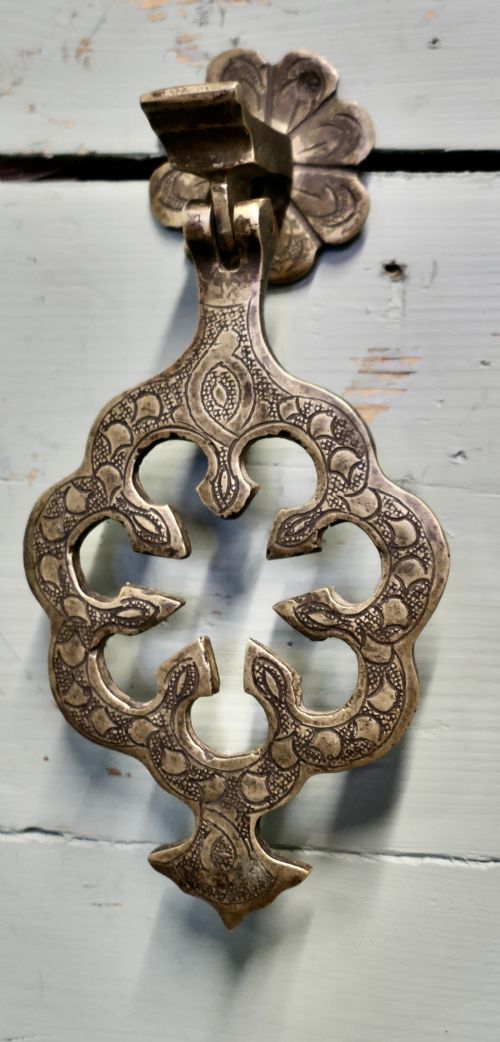
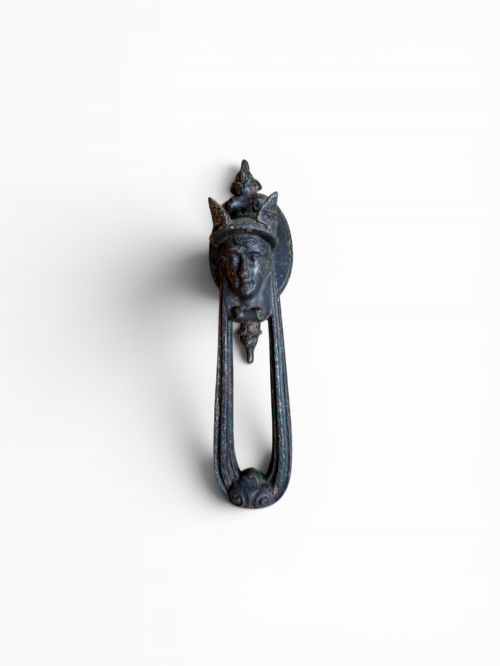
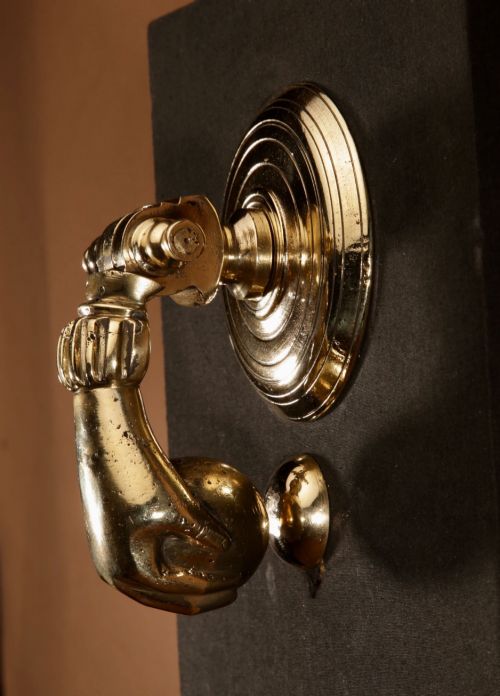
Makers finished cast components through polishing, patination and engraving to highlight motifs like sphinxes, Hermes heads, hands and barleytwist patterns. Durability guided the construction of locks, bolts and hinges intended for heavy daily use.
Victorian Architectural Hardware Retail Price Guide 2026
Typical asking prices for victorian architectural hardware among the pieces listed under this phrase on Sellingantiques today, from the lower quarter to the upper quarter. They describe what is for sale here now, not the wider market.
Materials across these listings include solid brass, cast iron, bronze, steel, enamel, wood, paper and lead crystal.
Design and Finish
Quality rests in the crispness of the casting detail and the weight of the metal used in each component. Pierced brasswork and elaborate figural knockers demand greater skill from the foundry than plain utilitarian plates.
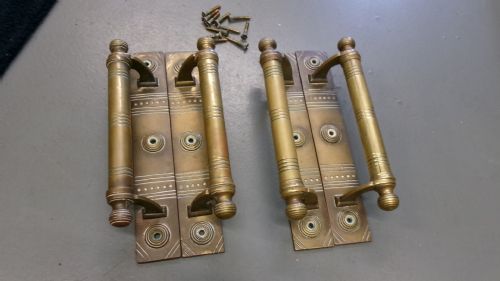
Completeness alters the value, particularly when matching sets of door knobs, finger plates or finial hinges survive together with original keys, keeps and screws.
Gerwin & Co Birmingham·Kenrick & Sons
The Victorian Architectural Hardware Glossary
- Finial
- The decorative terminal ornament found at the ends of door hinges or pew end rails. These small details often feature acorn or urn shapes.
- Push plate
- A protective metal or enamel plate mounted on a door surface to prevent finger marks around the handle. They frequently match adjacent door pulls.
- Bell pull
- A mechanical lever or handle wired to ring a house bell before electric buzzers became common. They often incorporate ornate brass backplates.
- Sash lift
- A small recessed handle attached to the bottom rail of a window sash to assist with opening. They appear in matching pairs across period rooms.
Victorian Architectural Hardware: Frequently Asked Questions
How do I clean old brass hardware?
Wash brass fixtures gently with warm soapy water and a soft cloth to remove surface dirt while preserving the aged patina.
Avoid harsh chemical polishes that strip away historical character and darken the underlying metal permanently.
Are these door handles standard size?
Nineteenth-century door furniture often differs slightly from modern metric measurements due to hand-casting and older spindle thicknesses.
Check the square spindle dimensions and backplate fixings before attempting installation on contemporary doors.
How do I identify Gothic Revival hardware?
Gothic Revival pieces display pointed arches, trefoils, heavy cast iron structures and medieval architectural motifs.
Look for contrasting textures like polished steel combined with dark brass or blackened iron.
Can I use original rim locks today?
Original rim locks and brass bolts function effectively on internal doors when paired with matching keys and keepers.
Ensure internal mechanisms are cleared of old grease and lubricated with light machine oil.