

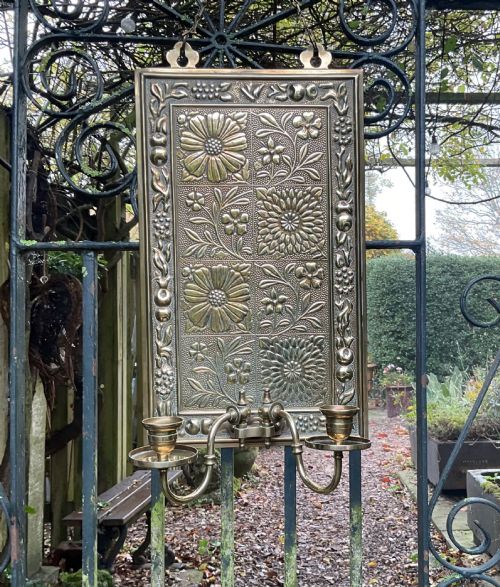
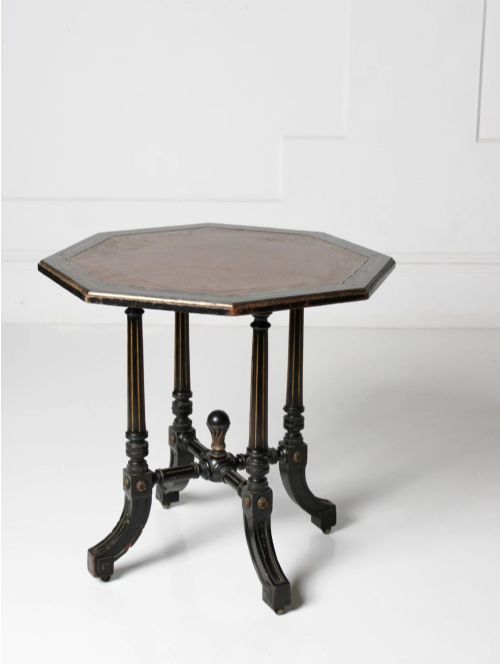
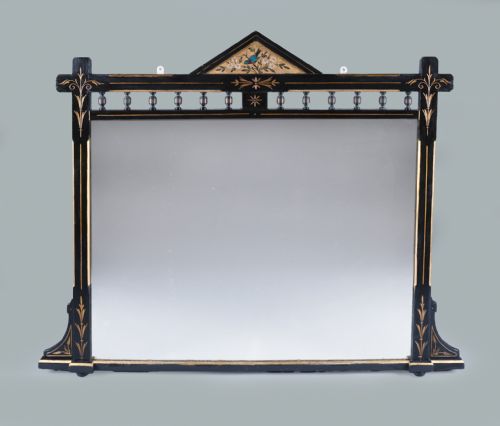
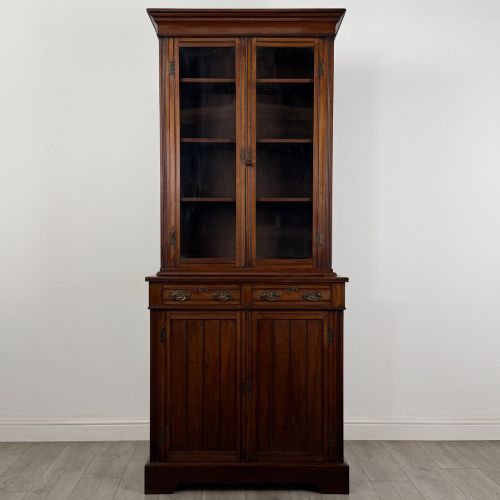
Victorian Aesthetic Movement
Victorian aesthetic movement pieces unite form and decoration with striking brass, ebonised wood, and ceramic details that bring purposeful design into any room.
Victorian Aesthetic Movement
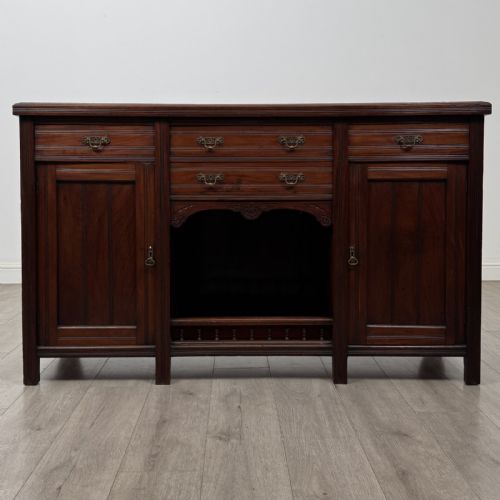
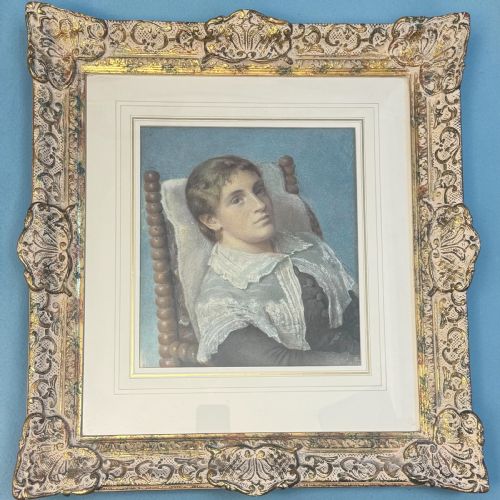
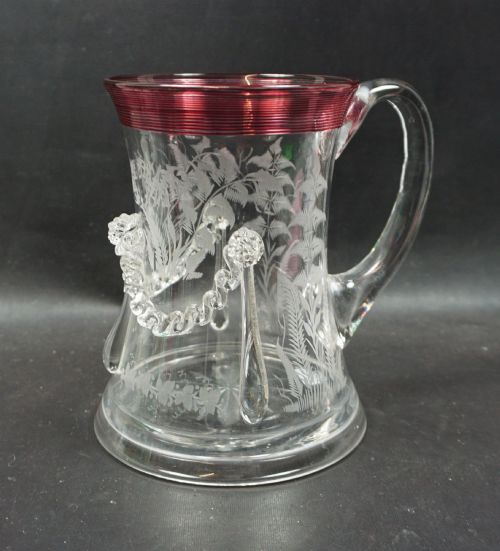
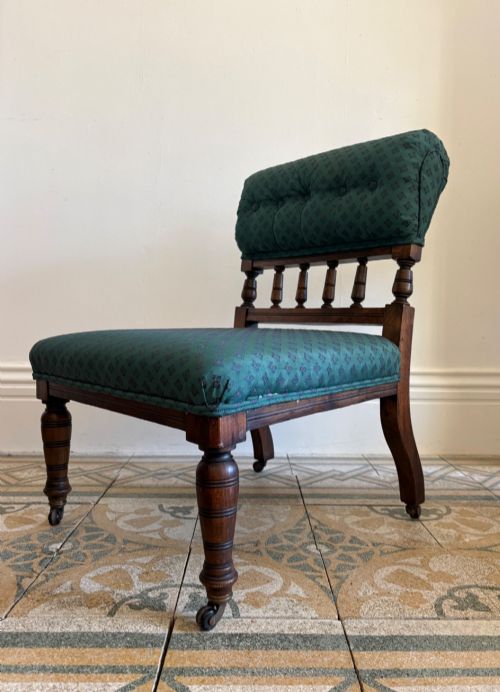
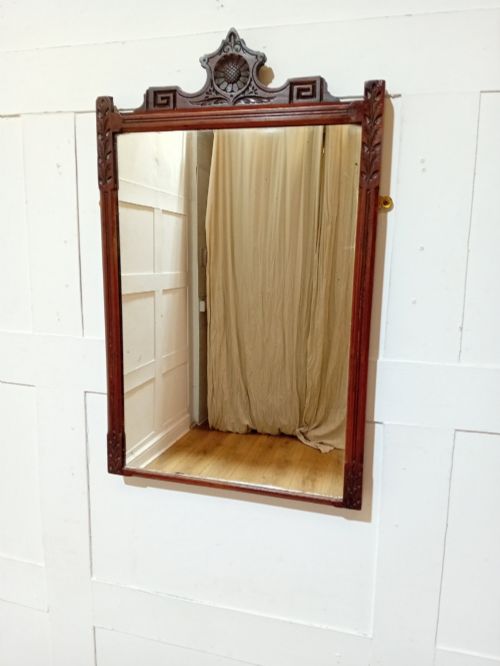
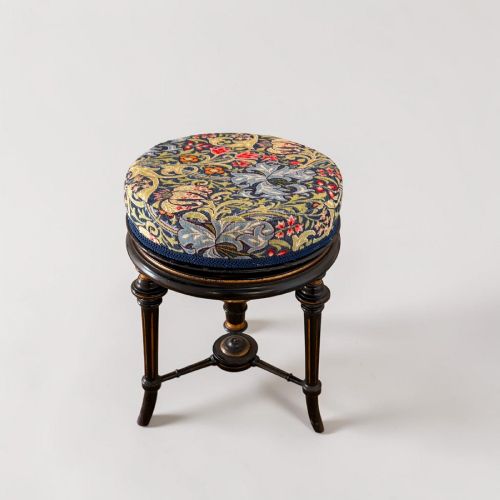
Victorian aesthetic movement pieces encompass domestic furniture and decorative objects from the nineteenth century that champion design reform. Buyers encounter side tables, wall mirrors, bookcases, and chairs alongside ceramic vases and candlesticks.
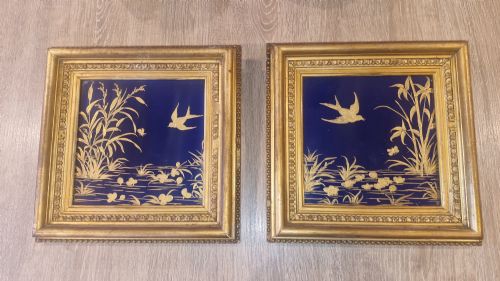
The objects span walnut, oak, mahogany, and ebonised wood, often carrying Japanese or Anglo-Japanese influences. Sideboards, cabinets, and umbrella stands reflect a period dedicated to beauty and utility within the home.
How they were made
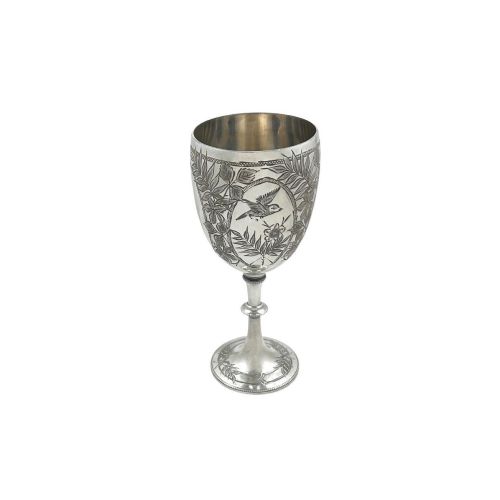
Craftsmen utilised solid timbers such as walnut, oak, and mahogany alongside ebonised wood and bamboo to shape structural forms. Earthenware, faience, porcelain, and sterling silver appear frequently in decorative accessories and tableware.
Metalwork incorporates cast iron, brass, and silver plating for structural hardware, candlesticks, and beds. Surface decoration relies on enamel painting, ceramic inserts, and precise joinery rather than heavy Victorian ornamentation.
Victorian Aesthetic Movement Retail Price Guide 2026
Typical asking prices for victorian aesthetic movement among the pieces listed under this phrase on Sellingantiques today, from the lower quarter to the upper quarter. They describe what is for sale here now, not the wider market.
What varies in quality
Quality rests in the precision of the timber framing, the stability of ebonised surfaces, and the integrity of applied brass or ceramic elements. Finer examples display meticulous attention to proportion, balanced joinery, and thoughtful integration of ornament.
Makers and designers leave distinct signatures through superior carving, thoughtful material selection, and structural refinement. Lesser pieces rely on standard commercial production without the careful detailing characteristic of named workshops.
H Ogden of Manchester·Royal Worcester·Burmantofts Pottery·James Shoolbred·John Moyr Smith·E W Godwin·Edwards and Roberts·Coalbrookdale·William Morris
The Victorian Aesthetic Movement Glossary
- Aesthetic Movement
- A design reform movement of the late nineteenth century prioritising beauty and artistic expression over strict moral or narrative utility in the decorative arts.
- Ebonised Wood
- Timber treated with a dark stain or finish to imitate ebony, widely utilised on nineteenth century furniture to create sharp visual contrast.
- Anglo-Japanese
- A hybrid design style combining traditional Japanese artistic motifs with Western forms, emerging strongly during the Victorian period.
- Faience
- Tin-glazed earthenware, often produced by potteries such as Burmantofts to create brightly coloured decorative vases, sticks stands, and cachepots.
- Bamboo
- A light, flexible plant material utilised for frames in mirrors, small cupboards, and tables, frequently mimicking Japanese construction techniques.
Victorian Aesthetic Movement: Frequently Asked Questions
What defines aesthetic movement furniture?
Aesthetic movement furniture rejects heavy Victorian carving in favour of clean structural lines, ebonised surfaces, and subtle Japanese influences.
Pieces often integrate brass fittings, ceramic tiles, or bamboo accents to create balanced and artistic domestic environments.
How do I care for ebonised wood?
Ebonised wood requires dusting with a soft, dry cloth and protection from direct sunlight to preserve the dark finish.
Avoid liquid polishes containing harsh chemicals which can damage the treated surface over time.
Were these items used daily?
Domestic objects from this period served practical functions in Victorian households, from holding umbrellas in the hallway to storing books in the library.
Craftsmen designed them to combine everyday utility with distinct artistic merit.
How do I distinguish these from standard Victorian pieces?
Standard Victorian items often feature heavy ornamentation, dark varnishes, and traditional revival motifs like Gothic or Rococo details.
Aesthetic movement works focus on flat planes, stylised floral motifs, ebonised finishes, and asymmetric arrangements.