
Upholstered Bench
An upholstered bench offers a practical seat for hallway, window or foot of the bed, combining firm support with tactile textiles.
Upholstered Bench
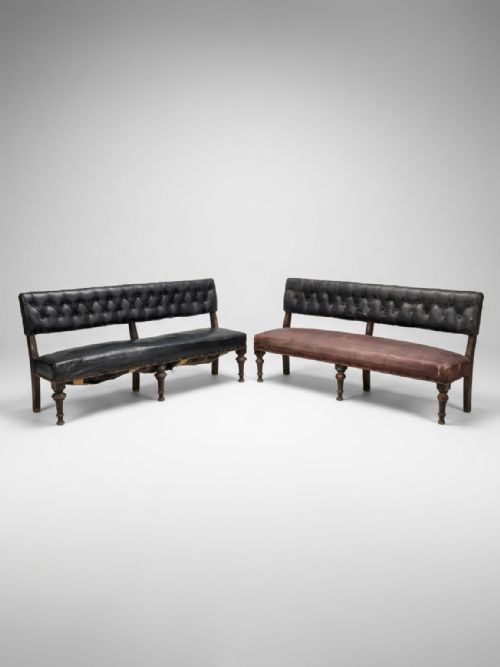
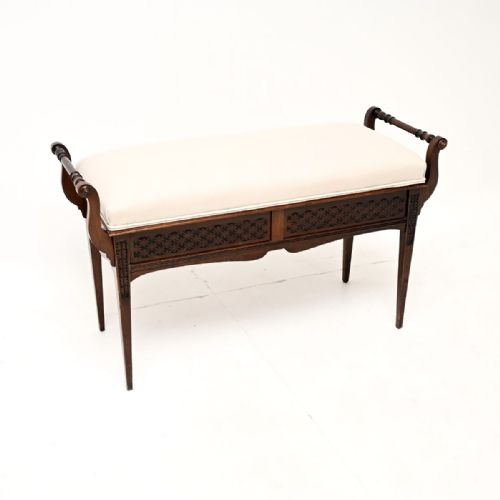
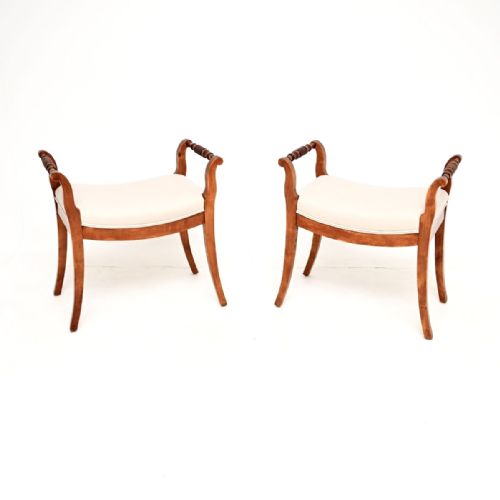
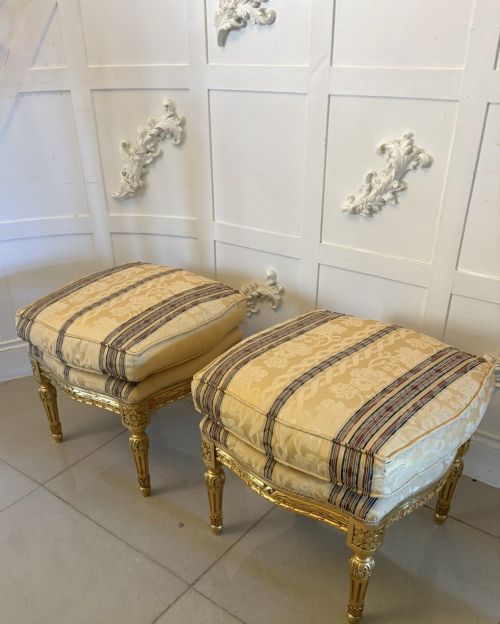
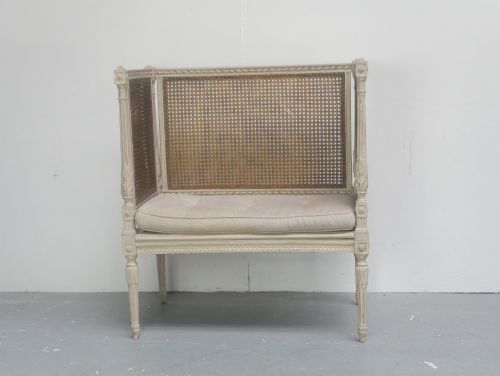
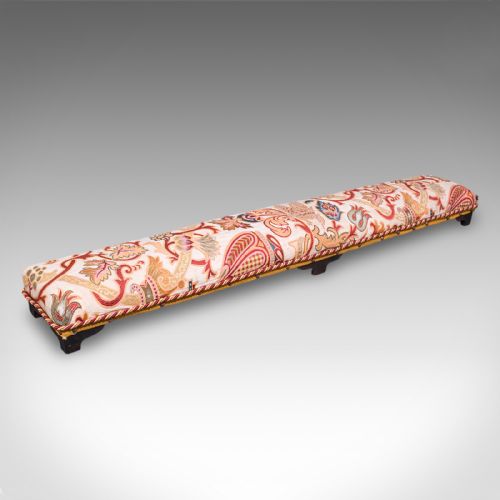
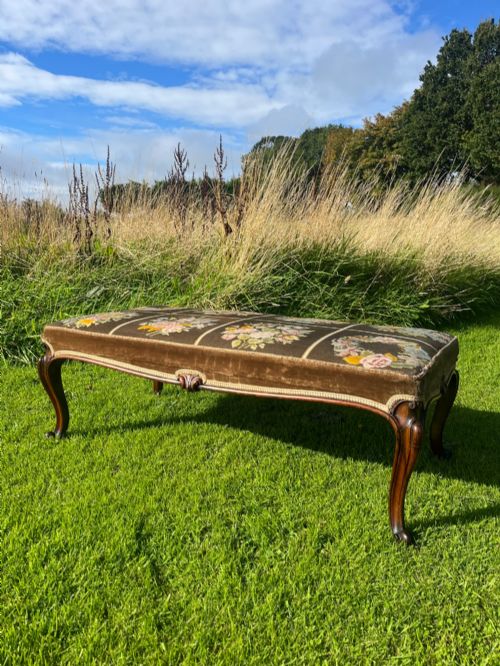
An upholstered bench encompasses low footstools, long window seats, duet stools and end-of-bed settees found across nineteenth and early twentieth century periods. Buyers searching for an upholstered bench encounter various timber frames, from mahogany and rosewood to oak and walnut, paired with textile or leather coverings.
The selection ranges from compact Victorian dressing stools and Regency window seats to larger nineteenth century ottomans and Edwardian couch forms. These diverse seating pieces reflect shifting domestic interiors where occasional benches served both utilitarian and decorative roles in drawing rooms and bedchambers.
Materials and construction
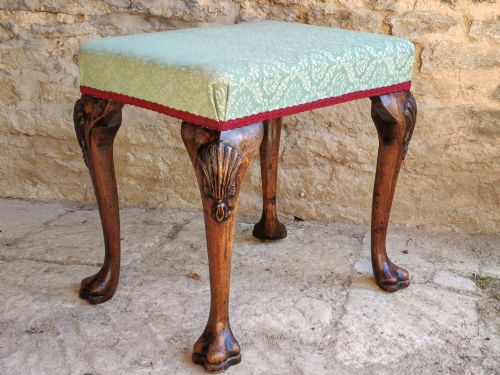
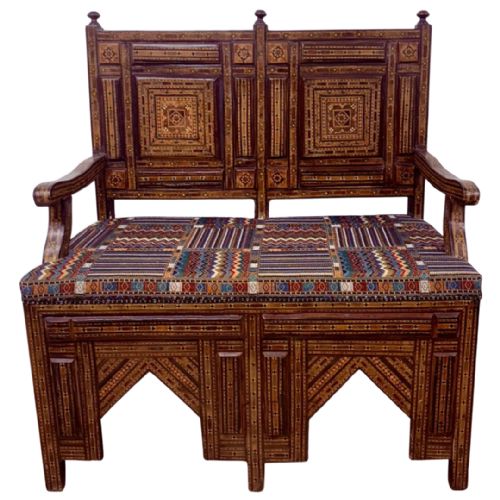
Frames rely on solid hardwoods like mahogany, walnut, rosewood and oak, often shaped with carved details or inlaid accents. Joinery methods of the period ensure structural stability through mortise and tenon joints.
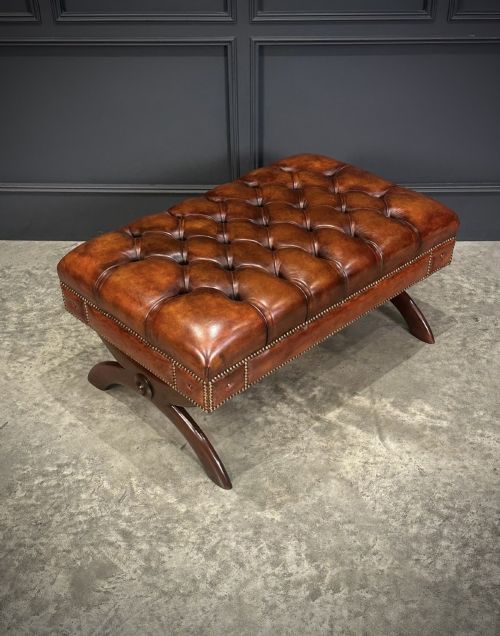
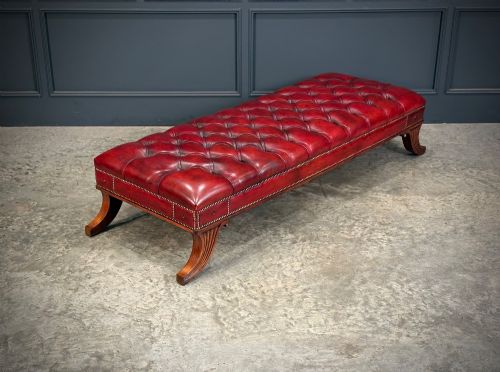
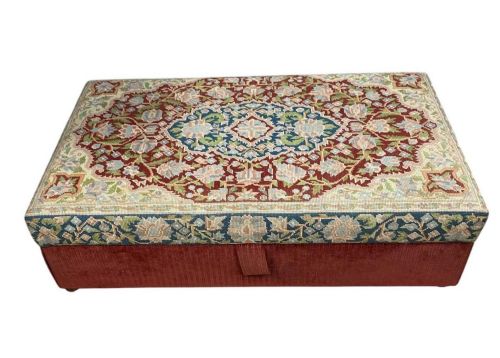
Upholstery involves textiles such as silk, velvet, chenille, crewelwork, tapestry and buttoned leather stretched over supportive padding. Decorative touches include brass tacks, giltwood finishes and painted surfaces.
Listings feature mahogany, walnut, rosewood, and oak alongside leather, velvet, silk, and tapestry across nineteenth and early twentieth century periods.
Quality differences
The distinction between ordinary and superior pieces rests on the crispness of timber carving, the choice of dense cabinet timbers like rosewood or figured mahogany, and the integrity of the frame. Secondary woods and simplified turning indicate utilitarian output, whilst finely proportioned frames show deliberate design intent.
Textile selection and upholstery execution also separate tiers, with hand-dyed leathers, intricate needlework, and preserved silk retaining greater visual authority. Original finish and timber figure elevate a piece above later structural alterations or heavy surface refinishing.
The Upholstered Bench Glossary
- Duet stool
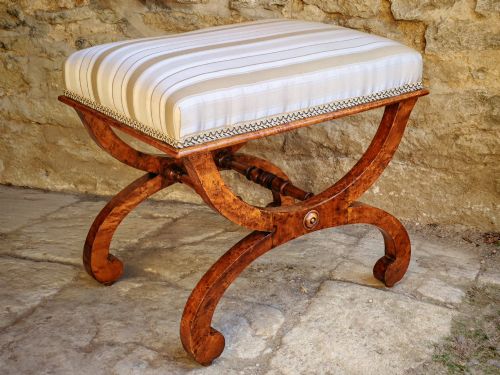
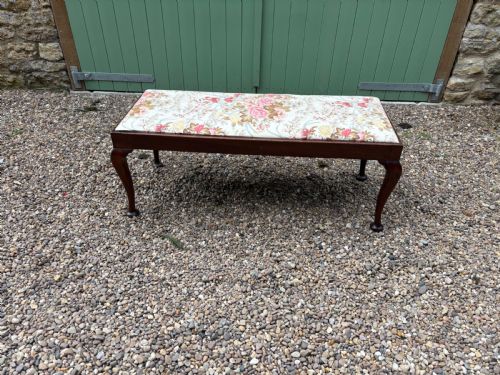
- A long seat designed to accommodate two keyboard players, frequently seen in Regency and nineteenth-century forms. These pieces often feature X-frames or supported rectangular seats.
- Window seat
- A narrow bench proportioned for placement beneath a window recess, usually featuring end arms or scroll ends. They provide low-profile seating without obstructing natural light.
- Giltwood
- Timber coated with gold leaf or a gold-coloured finish over a prepared gesso ground. This treatment appears frequently on formal French style and Regency decorative seating.
- Ottoman
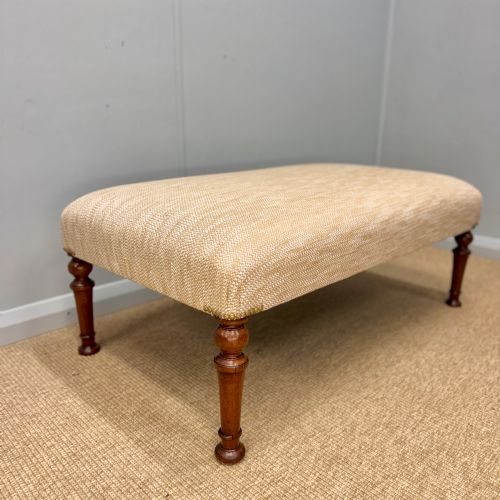
- A low, fully upholstered seat or footstool lacking a back, occasionally fitted with a hinged top for interior storage. Nineteenth-century examples often display decorative needlework or buttoned leather.
- X-frame
- A structural support formed by intersecting diagonal timbers resembling the letter X, utilised in chairs and stools since antiquity. This configuration provides inherent rigidity and a distinctive architectural silhouette.
Upholstered Bench: Frequently Asked Questions
Where should I place a window seat?
A window seat suits narrow transitional spaces, long hallways, or beneath low windows where standard chairs block the view. Its low profile maintains sightlines and utilises awkward architectural recesses.
Positioning one at the foot of a bed creates a practical surface for dressing while anchoring the bedroom furniture arrangement.
How do I care for leather upholstery?
Leather-topped pieces require minimal intervention beyond regular dusting with a dry cloth and occasional application of appropriate conservation wax or conditioner. Avoiding direct sunlight prevents the hide from drying and cracking over time.
Buttoned leather surfaces benefit from gentle cleaning around the tufts where dust accumulates.
What is the difference between a stool and a settee?
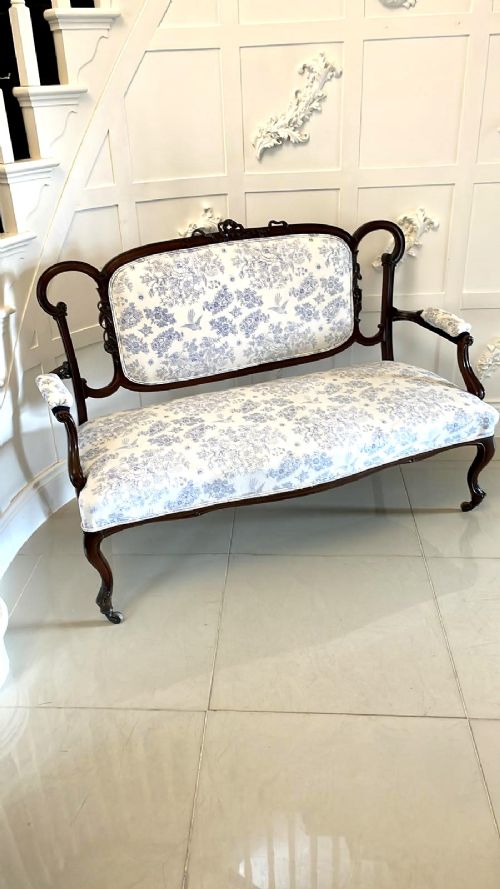
Stools provide backless seating designed for occasional use or foot support, whilst settees incorporate backs and sometimes arms for extended sitting. Settees function as smaller sofas suitable for parlours and chambers.
Both categories share timber framing traditions and textile upholstery methods.
How can I identify a Regency period piece?
Regency seating often displays classical restraint, incorporating sabre legs, reeded mahogany frames, or giltwood highlights influenced by antique archaeological finds. Proportions remain clean and structural elements reference ancient Greek and Roman designs.
Turned supports and brass accents frequently appear on authenticated examples from this era.