


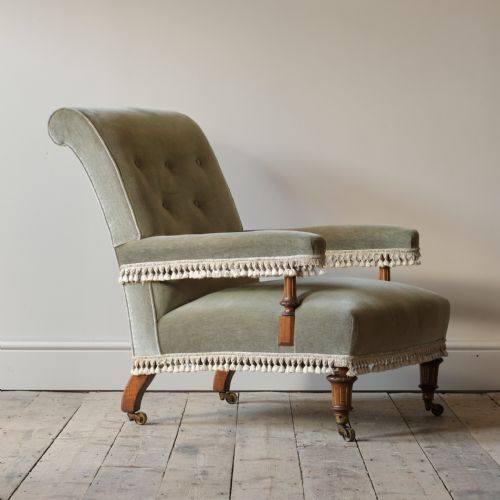
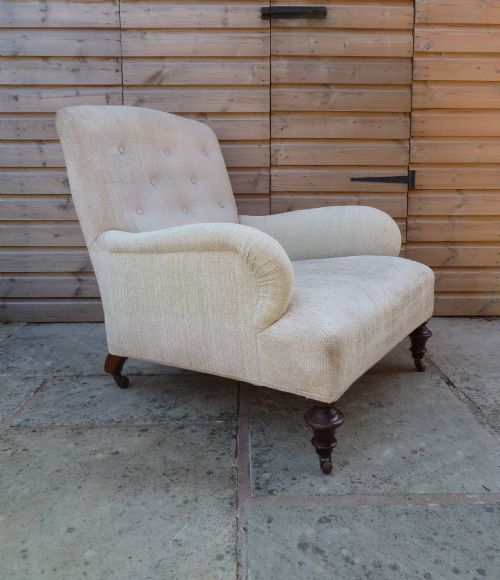
Turned Leg Arm Chair
When you search for turned leg arm chair, you seek sturdy seating grounded by cylindrical woodwork, spanning country elm and polished mahogany.
Turned Leg Arm Chair
A turned leg arm chair combines structural support with shaped timber underpinnings, spanning country vernacular forms and formal library seats. The pieces on this page draw from the 19th century, Victorian, Regency, Edwardian, and Georgian periods, showcasing diverse seating styles from country houses to urban libraries.
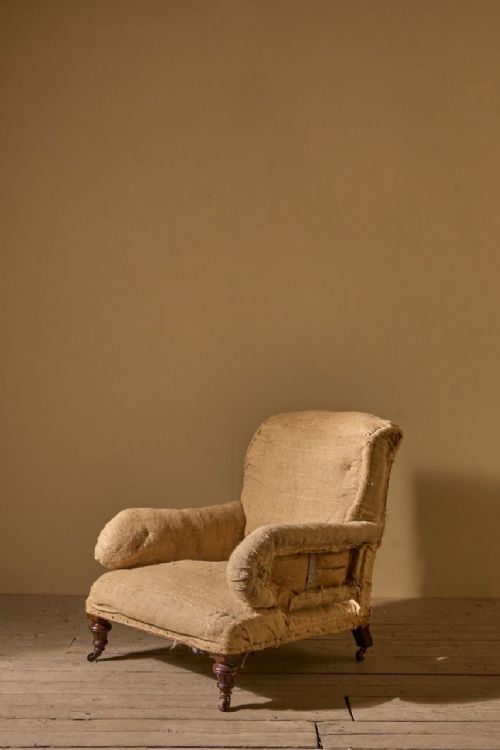
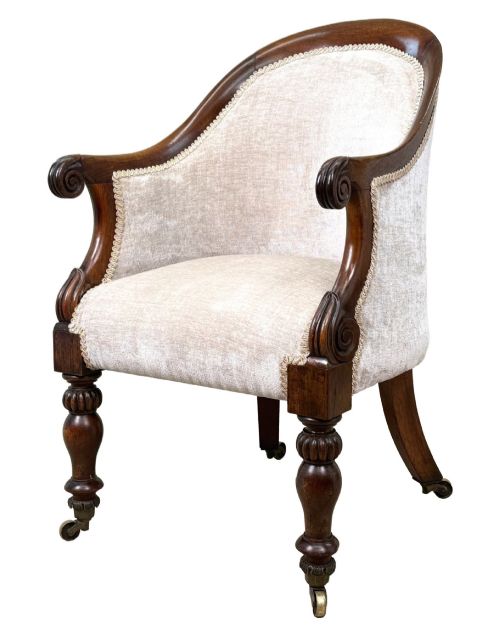
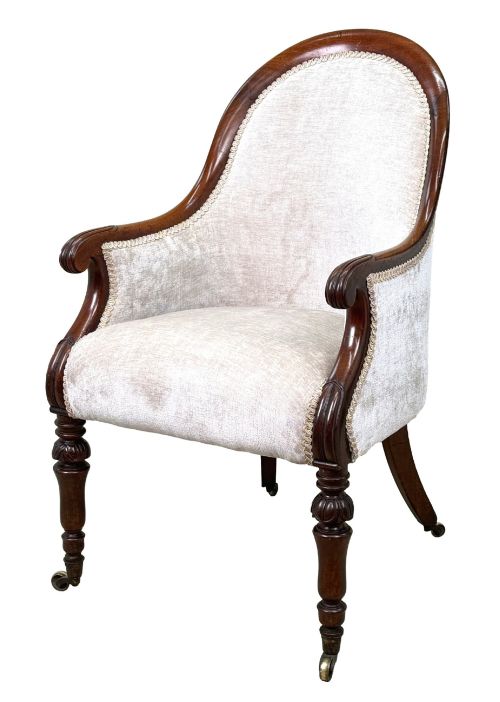
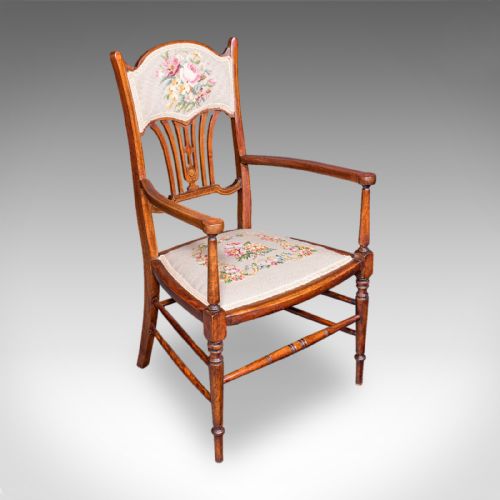
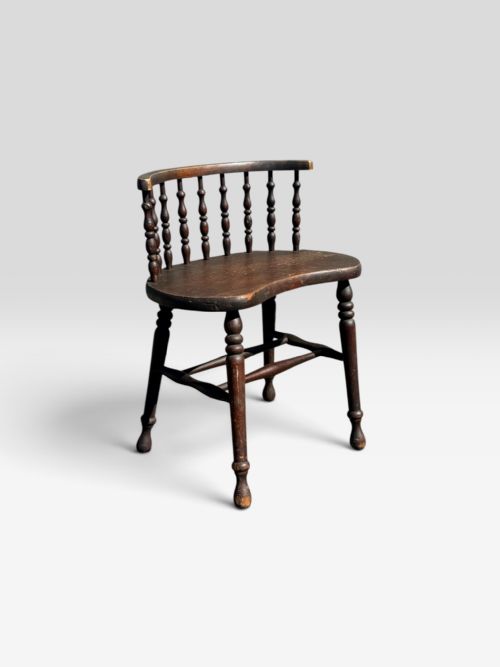
The version you are most likely to meet on this page is a 19th century mahogany or elm armchair featuring visible cylindrical or fluted wood supports beneath upholstered or spindle backs. Makers and workshops across these eras utilised robust timbers like oak, walnut, and ash to build durable frames suited for daily use.
How they were made
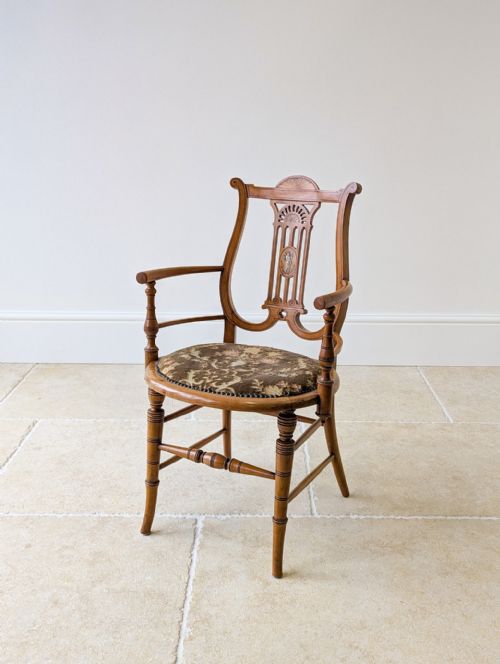
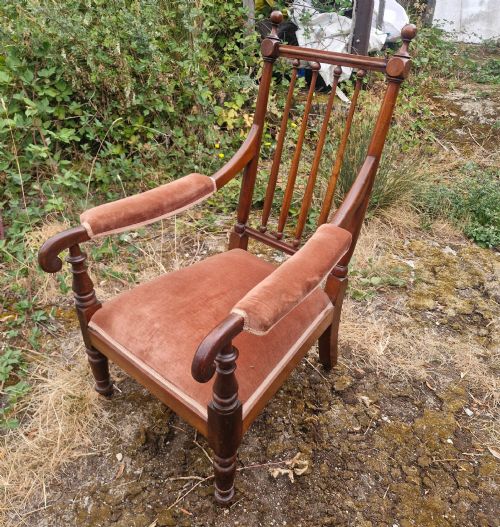
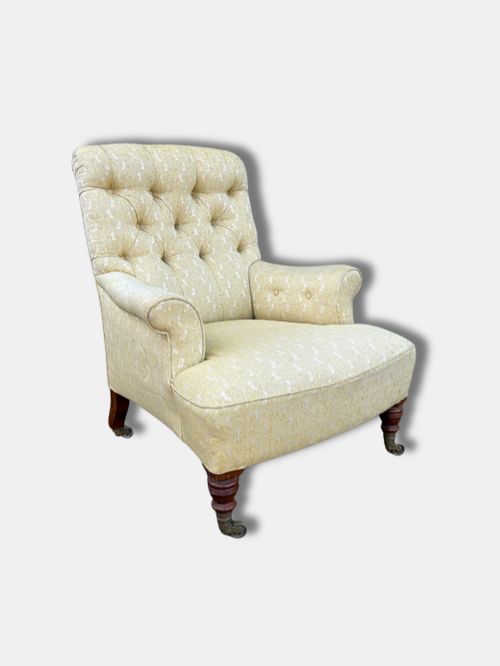
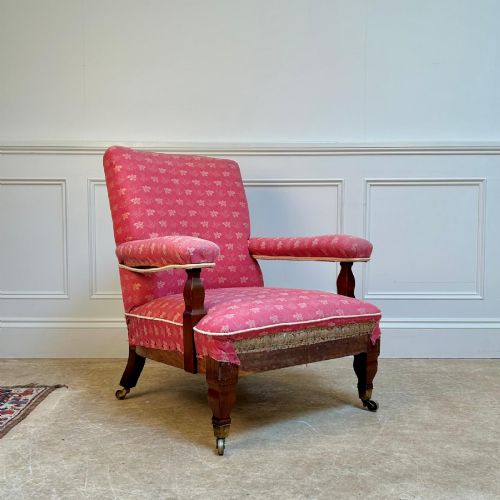
Craftsmen shaped solid timbers like mahogany, walnut, elm, and beech using lathes to turn cylindrical legs and spindles, often pairing them with curved backs and arm rests. Joinery relied on mortise and tenon methods to secure the framework before applying upholstery in leather, velvet, fabric, or hessian, sometimes finished with brass studs and castors.
Country workshops favoured native woods such as elm and ash for Windsor and lathe-back chairs, while urban cabinet makers utilised imported mahogany and rosewood for library and desk chairs. Artisans added decorative details like reeding, fluting, and brass cappings to elevate the turned supports of formal parlour and library seating.
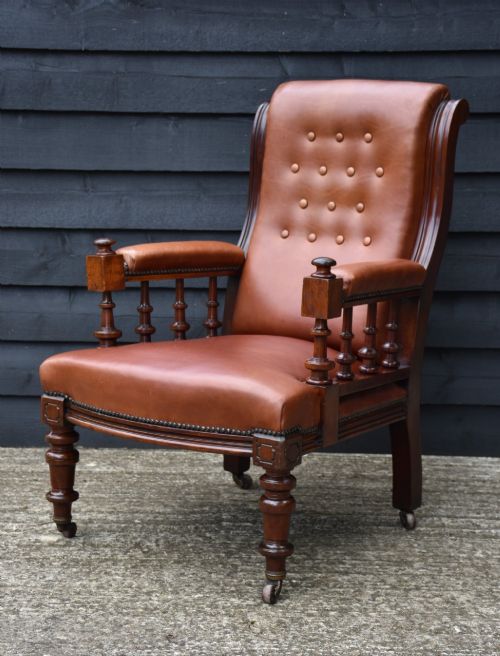
Some Victorian library chairs come equipped with brass castors so enthusiastic readers could glide across the floor without standing up.
What varies in quality
Quality rests in the selection and seasoning of the timber, distinguishing dense, finely figured mahogany and rich walnut from simpler domestic hardwoods like beech or ash. Superior examples display crisp, precise lathe work on the legs and balanced proportions across the arms and back frame.
The integrity of the original construction and upholstery materials - such as genuine leather, velvet, or horsehair stuffing - shapes the character of each piece. Maker attribution, visible in documented workshops like Howard and Sons or Gillows, also elevates a chair above unlabelled vernacular equivalents.
Howard and Sons·Morris and Co·Gillows·Hampton and Sons·William Birch
The Turned Leg Arm Chair Glossary
- Turned leg
- A wooden support shaped on a lathe to create cylindrical, tapered, or reeded profiles. This technique provides structural stability while adding decorative linear detail to the base of the seat.
- Library armchair
- A generous, upholstered seat designed for reading rooms, frequently finished in leather or velvet with padded arms. These chairs often incorporate mahogany frames and brass castors for mobility.
- Elm
- A tough, interlocking native timber commonly used in country chairs and seats for its resistance to splitting. It appears frequently in vernacular Windsor and lathe-back armchairs.
- Spindle back
- A chair back constructed from multiple slender turned wooden rods set into a rail. This design lightens the visual weight of the frame while maintaining sturdy back support.
- Carver chair
- An armchair designed to match a set of dining chairs, typically featuring open arms and a taller stance. They served as host seating at the head of a dining table.
Turned Leg Arm Chair: Frequently Asked Questions
What is a turned leg arm chair?
A turned leg arm chair is a seat featuring wooden legs shaped on a lathe, ranging from simple country elm designs to polished mahogany library chairs.
These pieces combine functional seating with decorative turned underpinnings across various 19th century and Victorian styles.
How were these chairs used historically?
They served diverse roles in homes, acting as reading seats in libraries, fireside chairs in country houses, and desk chairs in studies.
Upholstered versions provided comfort for long periods of sitting, while wooden Windsor and spindle-back variants offered sturdy everyday utility.
How do I live with a turned leg arm chair?
These chairs fit easily into sitting rooms, studies, or bedrooms as accent seating that pairs well with both antique and modern interiors.
Regular care of the timber frame and upholstered surfaces ensures the materials maintain their condition through daily use.
How do I tell periods apart?
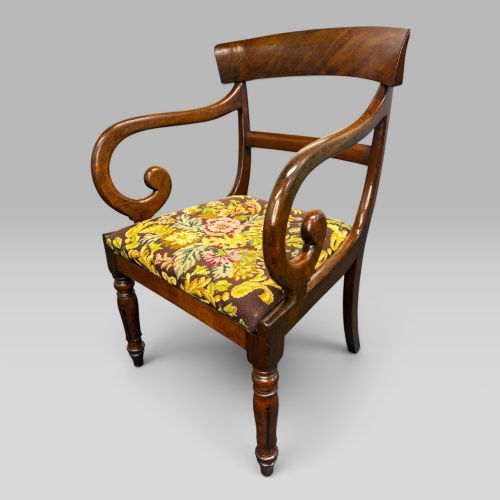
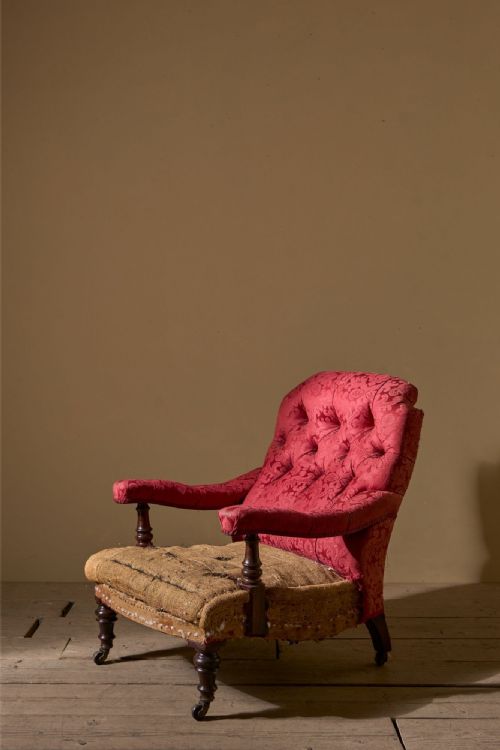
Georgian and Regency pieces often feature clean mahogany lines and classical proportions, while Victorian examples introduce button backs, scroll arms, and walnut frames.
Edwardian designs tend to display lighter satinwood or inlaid details, reflecting the changing aesthetic preferences of the late 19th and early 20th centuries.