

Turn Leg Table
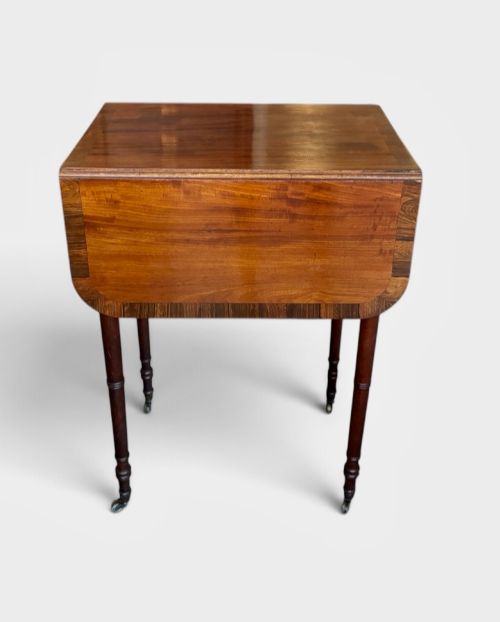
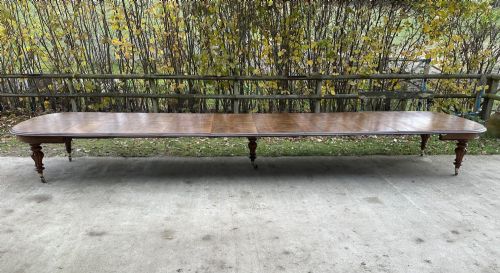
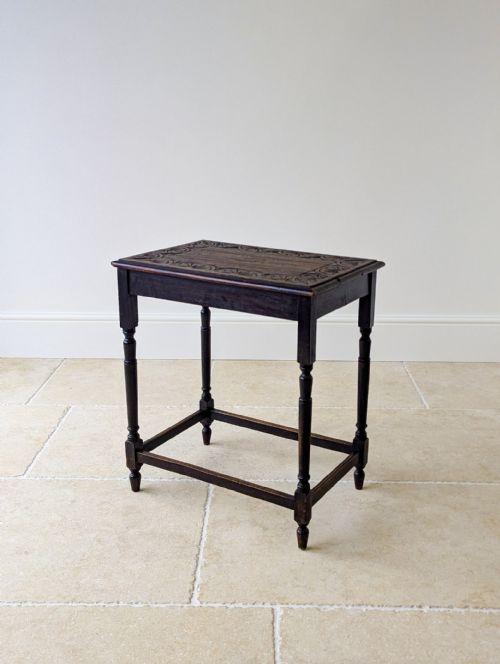
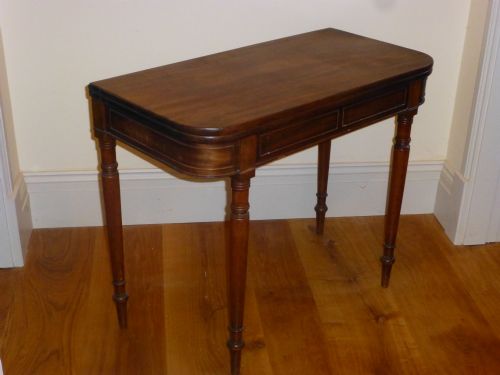
A turn leg table brings solid timber construction and distinct turned supports into domestic spaces, ranging from compact occasional pieces to large dining formats.
Turn Leg Table
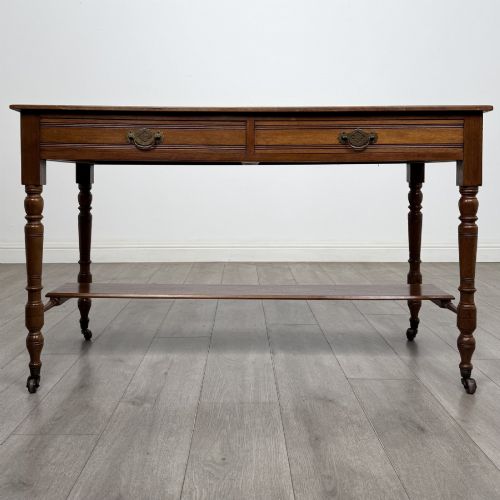
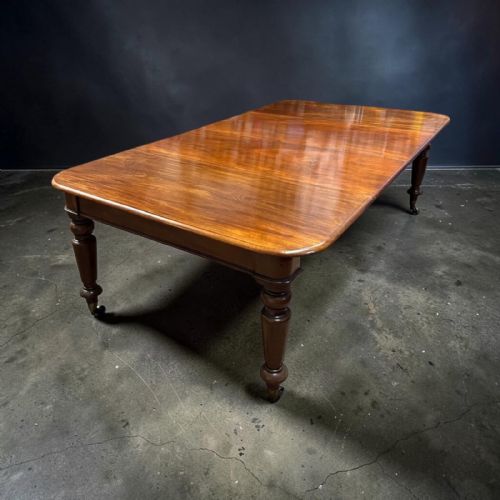
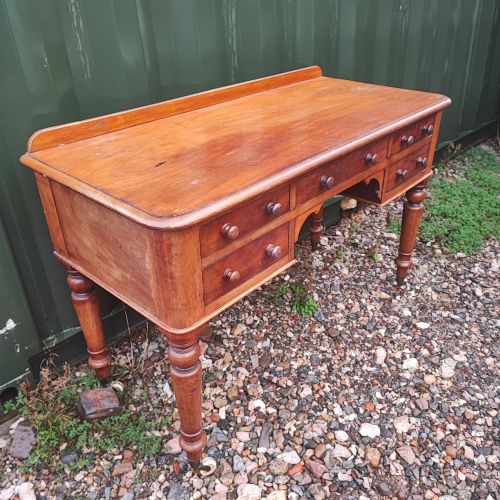
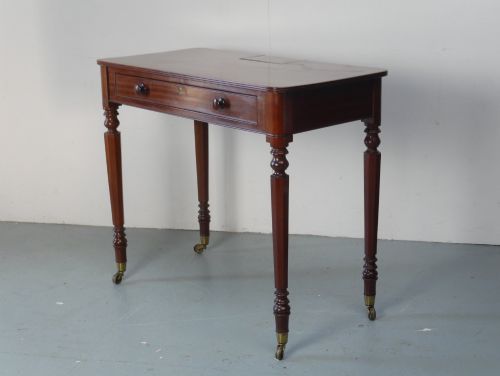
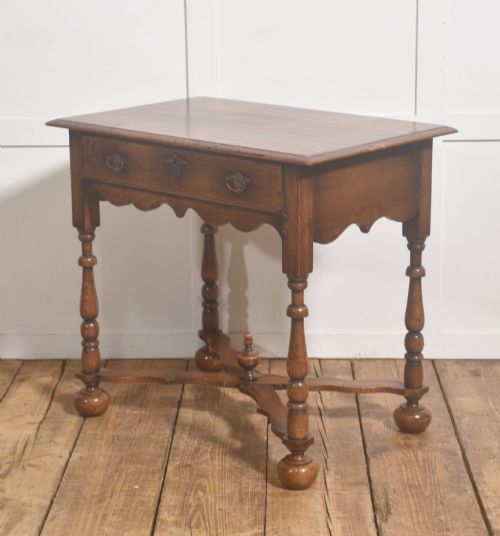
When searching for a turn leg table, buyers encounter a variety of timber furniture spanning periods from the seventeenth century through to the twentieth century. These pieces encompass forms designed for dining, writing, and daily utility, featuring distinct turned woodwork.
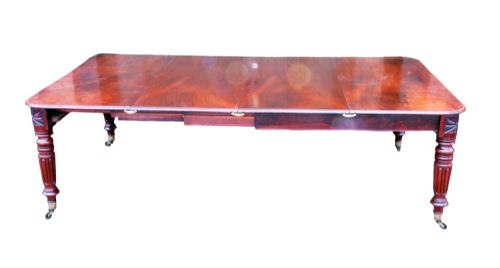
The selection on this page shows a strong presence of Victorian and nineteenth-century examples alongside seventeenth-century oak pieces and Edwardian formats. Common forms include dining tables, side tables, desks, and coffee tables constructed by regional makers.
Pine farmhouse tables and mahogany writing desks dominate the available selection, reflecting domestic needs across different eras. Oak refectory and gateleg variants also appear, showcasing traditional joinery and turnery methods.
The Spectrum of Quality
Quality rests upon the selection of timber and the precision of the lathe work on the supports. Superior examples display balanced proportions, crisp turning details, and tight joints that withstand centuries of use.
Lesser pieces often show utilitarian pine construction with simpler, less defined turning, intended for robust daily tasks rather than formal display. Surface finishes, whether polished mahogany or scrubbed pine, reflect the original domestic purpose and subsequent care.
Turn Leg Table Retail Price Guide 2026
Typical asking prices for turn leg table among the pieces listed under this phrase on Sellingantiques today, from the lower quarter to the upper quarter. They describe what is for sale here now, not the wider market.
One faux bamboo walnut gypsy table from eighteen seventy brings unexpected whimsy to the collection.
The Turn Leg Table Glossary
- Gateleg table
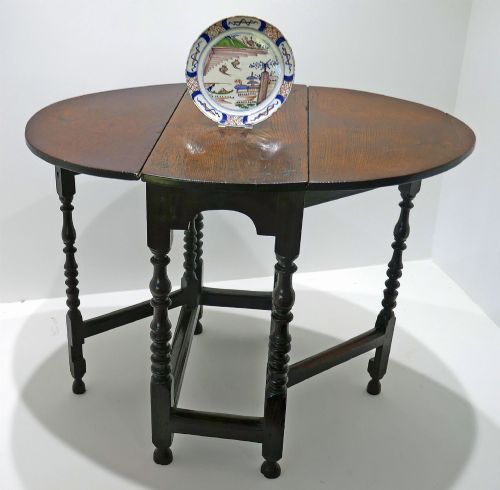
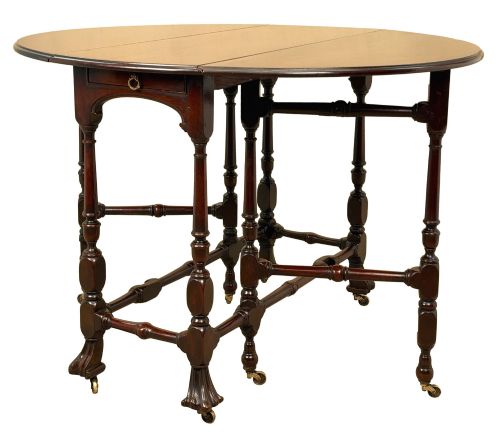
- A drop-leaf table where hinged legs swing outward to support the raised leaves. This design allows the table to fold into a compact size when not in use.
- Refectory table
- A long dining table traditionally used in communal halls, featuring substantial timber tops and sturdy underframes. Turned supports often anchor the heavy stretchers.
- Bobbin leg
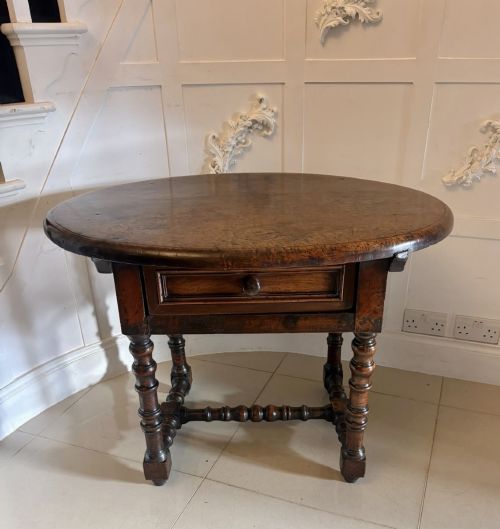
- A turned furniture leg shaped to resemble a series of bobbins or spools stacked end to end. This turning style is frequently found on seventeenth-century oak furniture.
- Tilt-top table
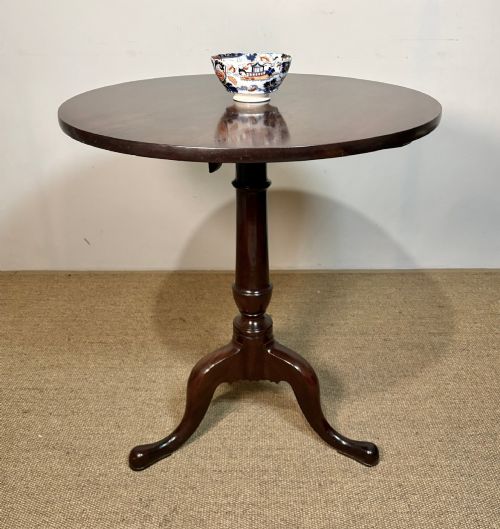
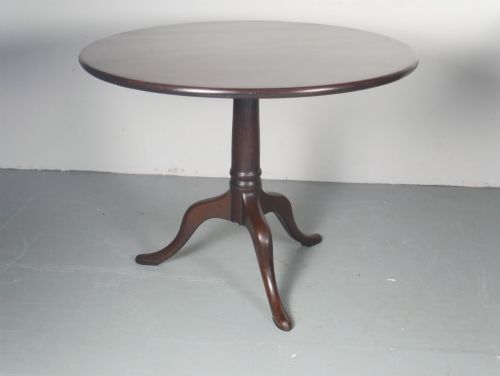
- A table with a tabletop mounted on a pivoting mechanism, allowing the surface to tilt vertically for storage against a wall. Tripod bases typically support these tops.
Turn Leg Table: Frequently Asked Questions
How do I identify a seventeenth-century table?
Seventeenth-century tables are constructed from heavy oak with hand-cut joinery and pegged joints. They frequently feature bobbin-turned supports and stretcher bases designed for stability on uneven floors.
Surface patination on these early examples develops through centuries of waxing and handling, showing deep colour variations that modern reproductions cannot replicate.
What is a cricket table?
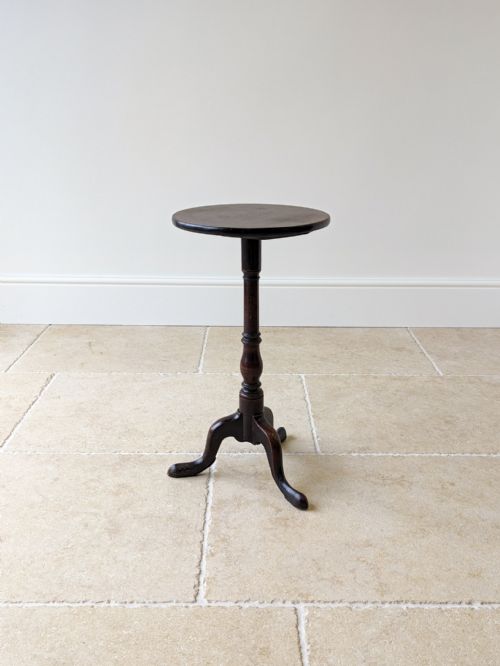
A cricket table is a small, lightweight occasional table typically supported by three legs. The design provides stability on irregular stone or earthen floors found in older buildings.
These tables often feature circular wooden tops and triangular lower shelves, serving practical roles as bedside stands or corner pieces.
How are pine farmhouse tables finished?
Pine farmhouse tables usually feature either scrubbed bare timber tops or dark wax polishes. Historical use involved frequent scrubbing with soap and water to keep the softwood clean.
Modern buyers often find these tables retaining their original patinated pine surfaces or stripped back to the raw grain depending on previous restoration work.
Where should I place an occasional table?
Occasional tables fit easily beside seating areas, hallways, or bedrooms as functional surface space. Their compact dimensions allow them to occupy unused corners without crowding a room.
Matching the wood tone and leg style, such as mahogany tripods or walnut nests, helps integrate the piece with existing furniture.