

Turn Leg Chair
When seeking a turn leg chair, collectors look for sturdy timber frames and distinctive turned supports found across nineteenth and early twentieth century seating.
Turn Leg Chair
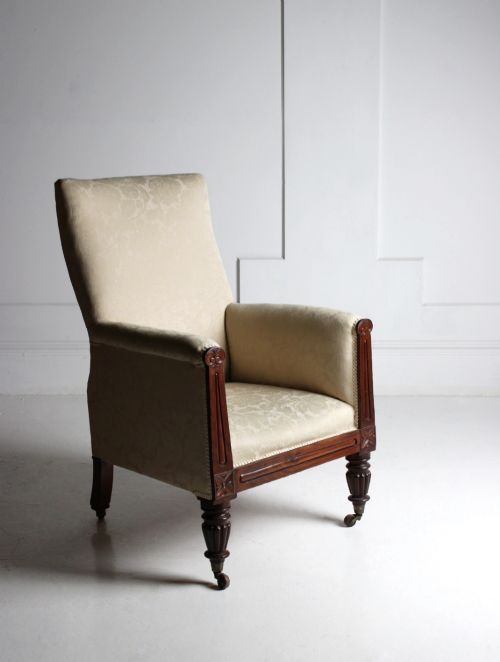
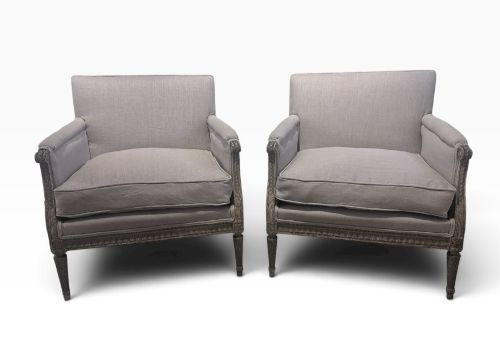
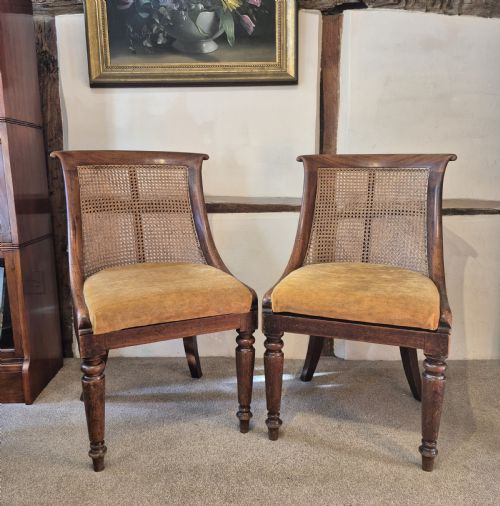
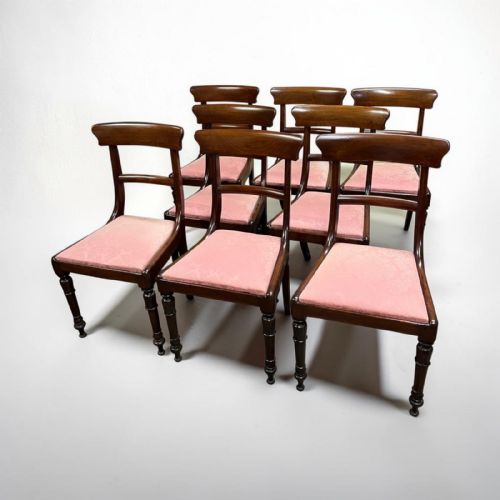
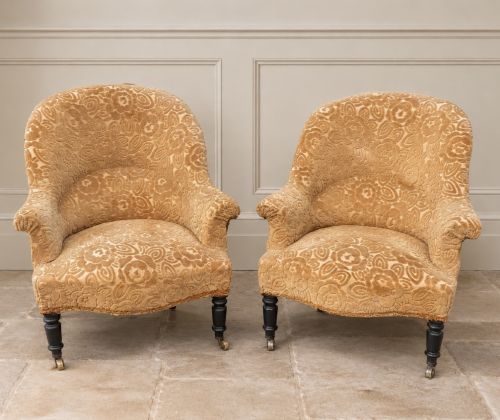
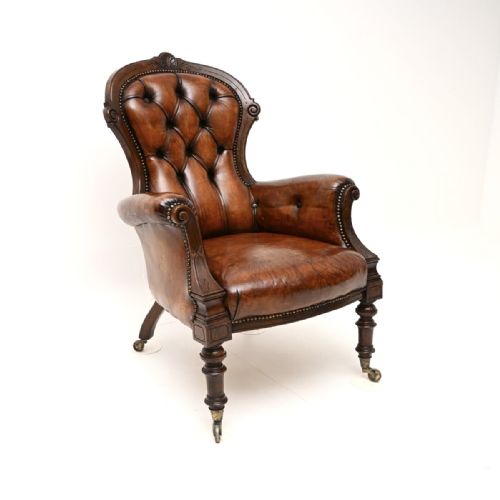
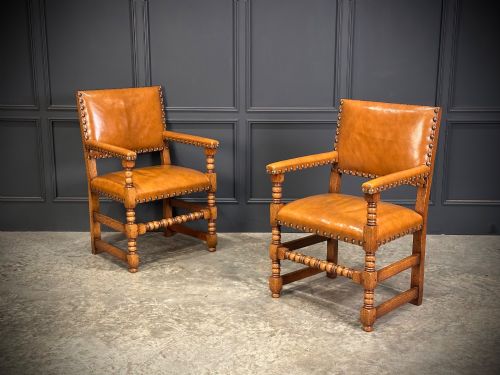
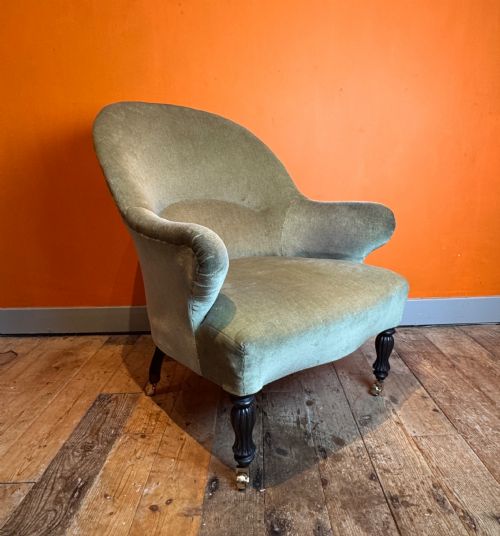
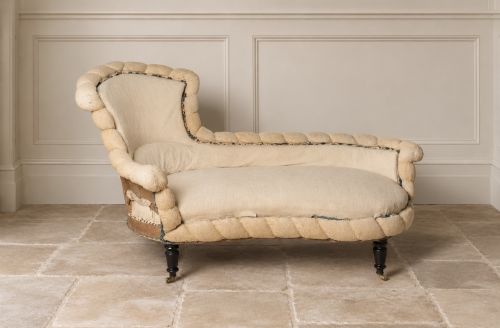
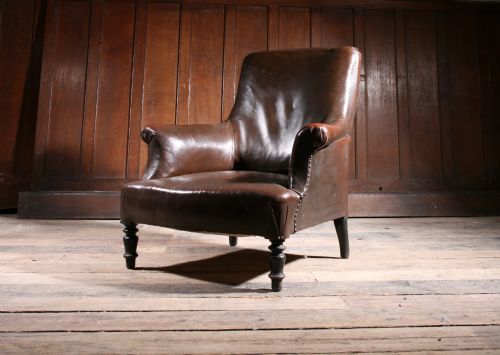
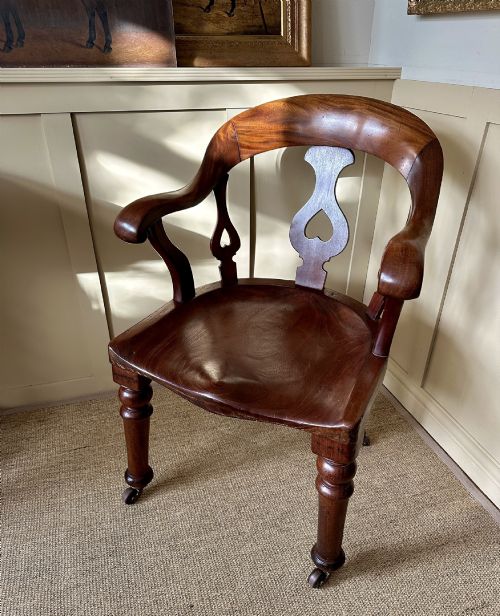
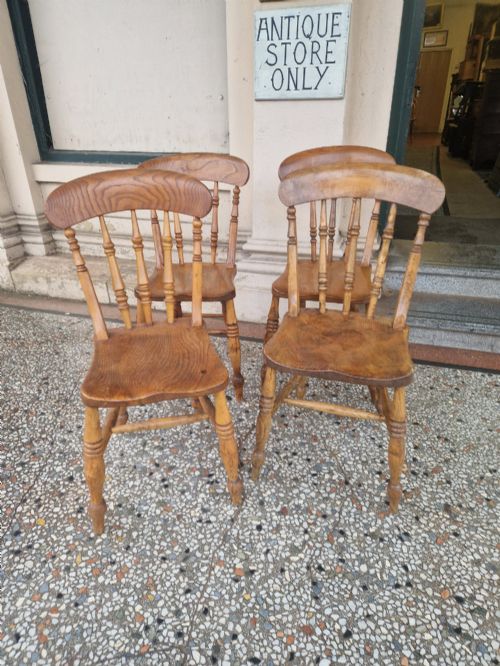
A turn leg chair encompasses various domestic seating forms featuring shaped supports produced on a lathe. Buyers searching for a turn leg chair will encounter dining chairs, armchairs, and library seating originating from the nineteenth and early twentieth centuries.
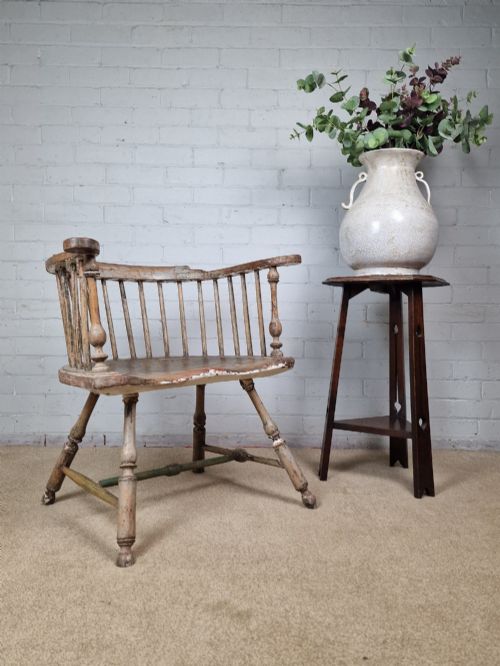
The selection ranges from robust elm and oak farmhouse seating to refined mahogany and satinwood parlour pieces. Examples span distinct periods including the Regency, Victorian, and Edwardian eras, alongside vernacular English country styles.
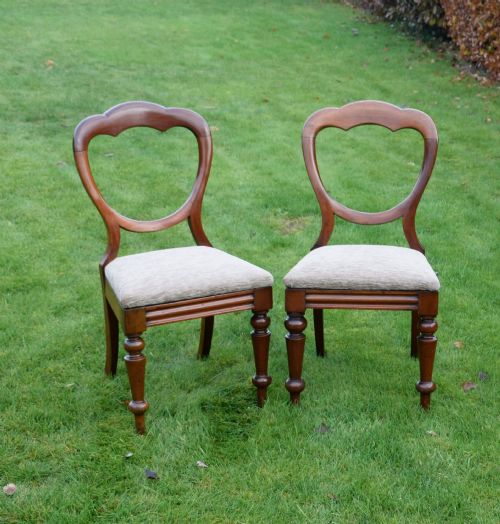
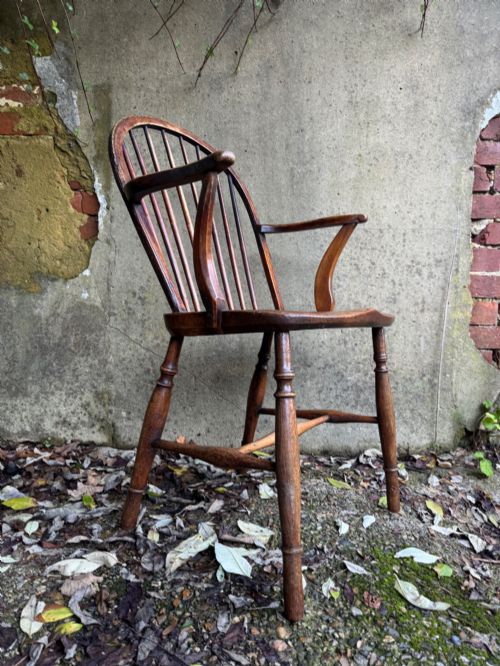
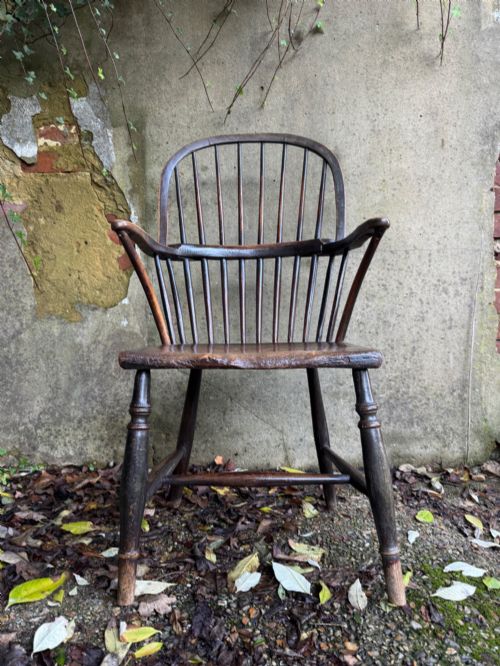
Most pieces date from the nineteenth century, reflecting the prevalence of turned timber framing in both country workshops and urban cabinet-making establishments. Common forms include wheel back, Windsor, balloon back, and button back armchair variants.
Materials and construction
Construction relies heavily on native hardwoods such as elm, oak, beech, and mahogany, shaped into structural components through turning and joinery. Makers utilised brass hardware and upholstery materials like leather, fabric, and velvet to finish padded seating forms.
Turning techniques created precise cylindrical and bulbous profiles for legs and stretchers, adding rigidity and decorative detail to the chair frame. Joinery methods such as mortise and tenon secured these turned members to seats and backrests.
Turn Leg Chair Retail Price Guide 2026
Typical asking prices for turn leg chair among the pieces listed under this phrase on Sellingantiques today, from the lower quarter to the upper quarter. They describe what is for sale here now, not the wider market.
Listings feature eighteenth and nineteenth century periods alongside materials including mahogany, oak, elm, and leather.
Distinctions in quality
Quality rests in the selection of timber and the precision of the turning work on the legs and stretchers. Superior examples demonstrate tight joints, well-figured woods such as burr elm or maple, and harmonious proportions between the turned base and the upper frame.
The sophistication of the upholstery work and the integrity of the original wood surfaces separate standard vernacular seating from exceptional cabinet-maker productions. Matching sets and pairs display greater consistency in turning profiles than assembled collections.
Strahan And Co Dublin·Howard And Sons·Guillows
The Turn Leg Chair Glossary
- Turned leg
- A support shaped by rotating timber against a cutting tool on a lathe. This process creates cylindrical, spindle, or baluster profiles.
- Windsor
- A traditional wooden chair featuring a solid carved seat into which the legs and back spindles are inserted directly. These often incorporate bentwood hoops and turned components.
- Balloon back
- An upholstered dining chair style characterised by a rounded, closed-loop backrest resembling a balloon. This form is frequently executed in mahogany during the Victorian period.
- Stretcher
- A horizontal wooden brace connecting the legs of a chair to provide structural stability. Turn leg examples often feature multiple turned stretchers.
- Carver
- An armchair, typically designed to match a set of smaller dining chairs. These often feature open arms and substantial turned supports.
Turn Leg Chair: Frequently Asked Questions
Are these chairs suitable for daily use?
Most solid timber and upholstered examples are robust enough for everyday seating when joints remain secure and stable.
Care should be taken with antique upholstery fabrics and delicate satinwood frames to preserve their historical condition.
How do I identify the period of a chair?
Dating relies on observing timber choices, upholstery styles, and the specific profile of the turned legs and back components.
Earlier nineteenth-century pieces often display heavier proportions and native woods, while later Victorian and Edwardian examples incorporate varied revival styles.
Where were these chairs originally used?
Turned leg seating served diverse domestic roles, from farmhouse kitchens and country houses to formal dining rooms and libraries.
Different forms were tailored for specific settings, including parlour armchairs, nursing chairs, and sets of dining seating.