
Traditional Wood Table
A traditional wood table brings solid construction and rich grain into a room, offering functional surface space rooted in historic periods.
Traditional Wood Table
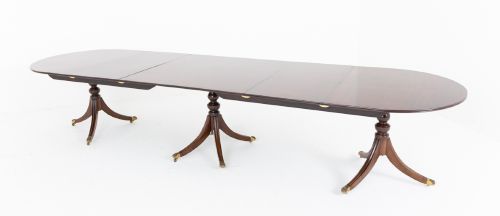
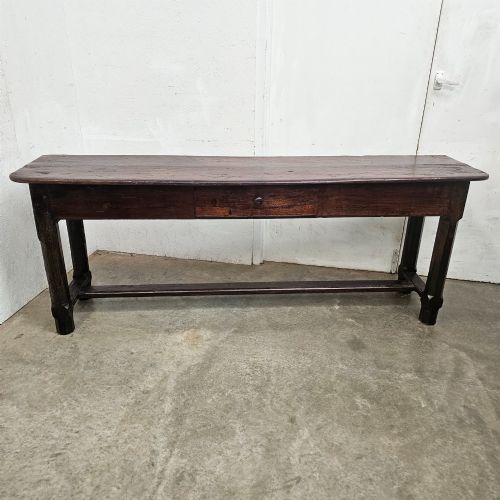
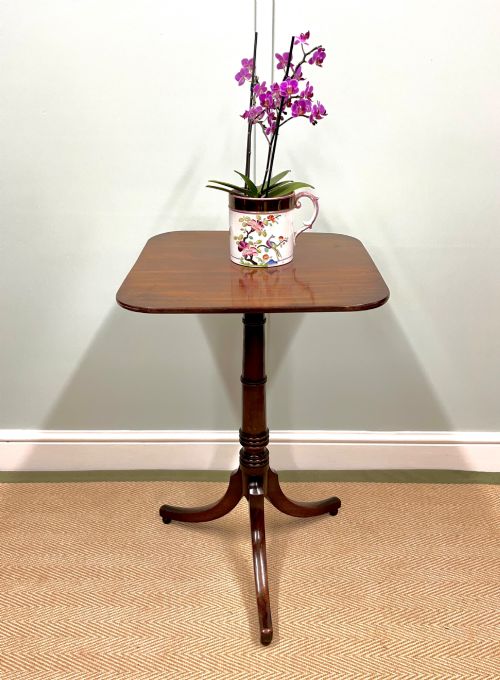
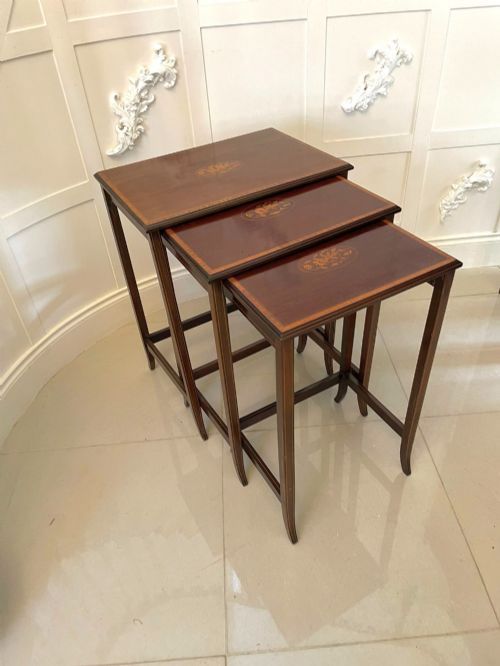
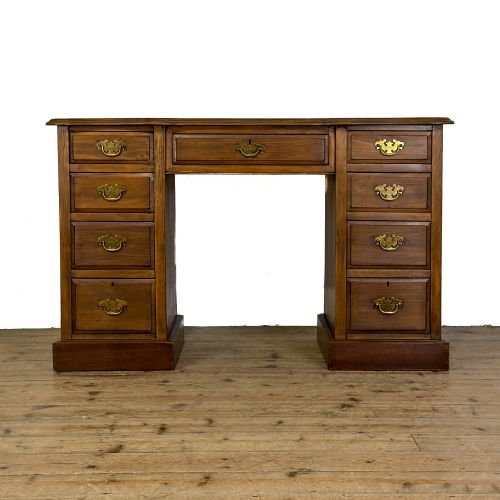
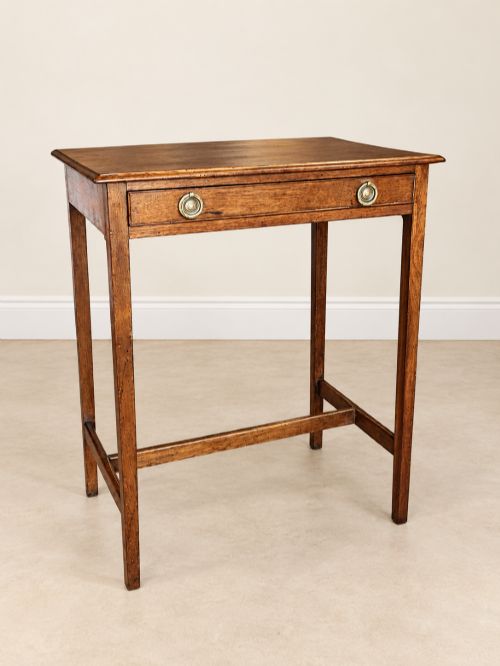
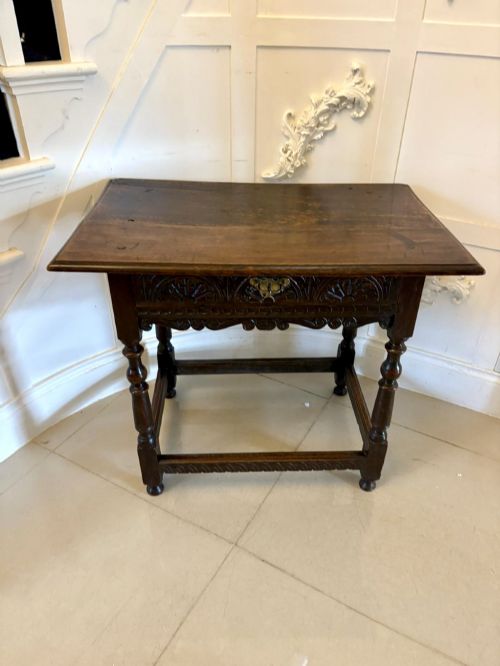
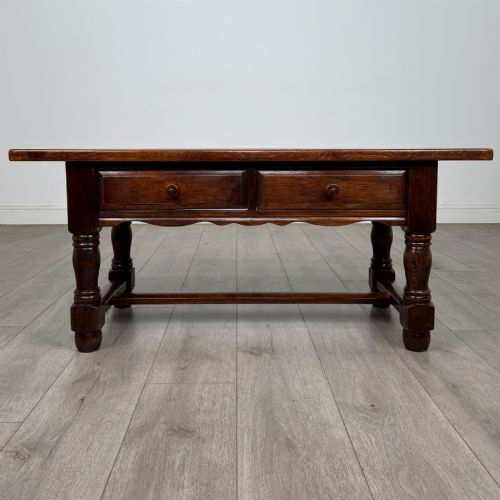
When you search for a traditional wood table, you encounter a wide selection of dining tables, side tables, desks, and occasional tables spanning the eighteenth, nineteenth, and early twentieth centuries. These pieces encompass utilitarian farmhouse forms as well as formal dining and serving furniture.
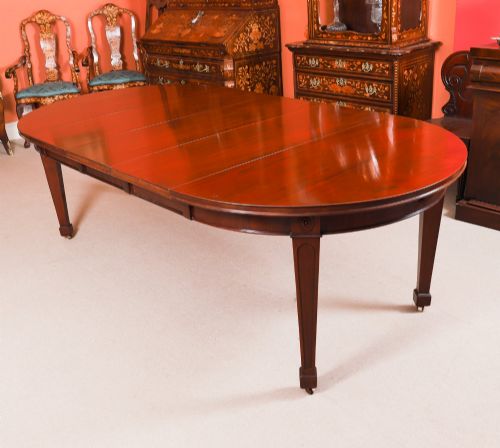
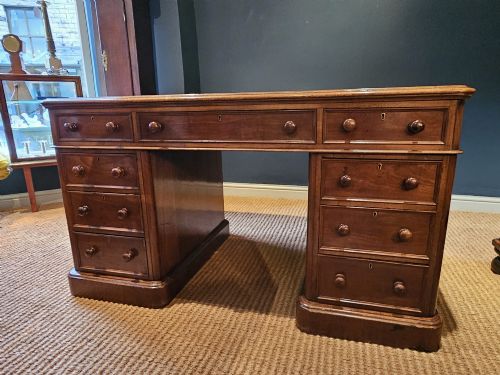
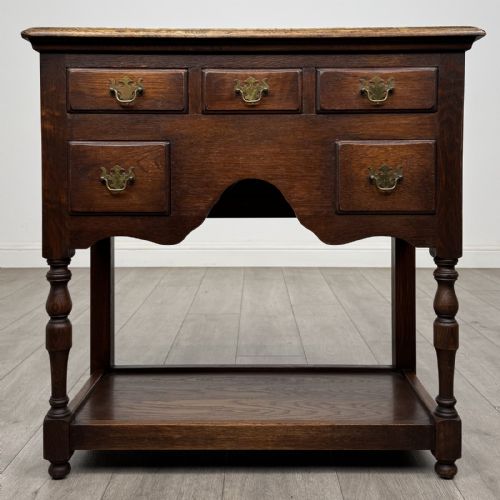
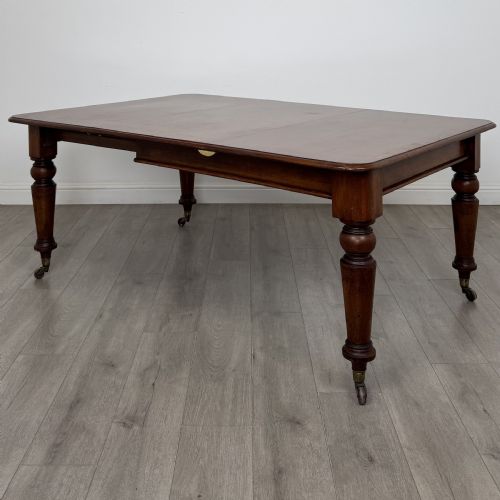
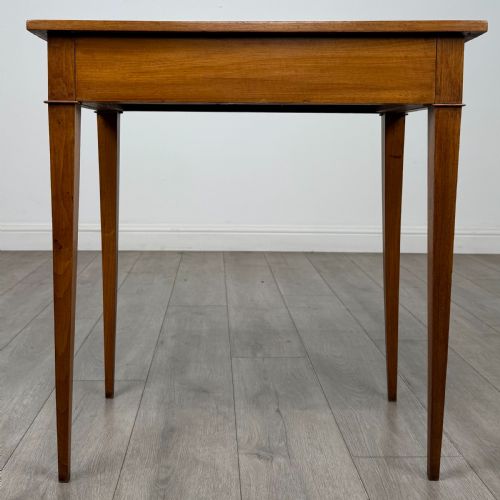
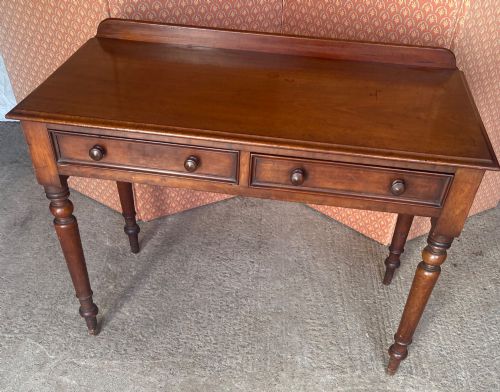
The assortment includes oak refectory boards, mahogany extending dining tables, walnut writing desks, and pine coffee tables. Regional variations such as French provincial sycamore and Chinese rosewood low tables also appear.
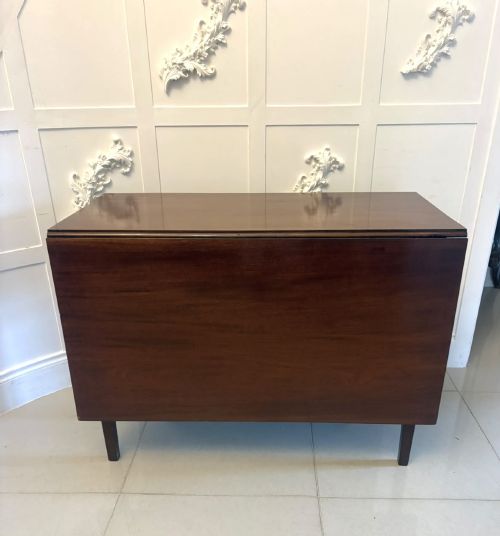
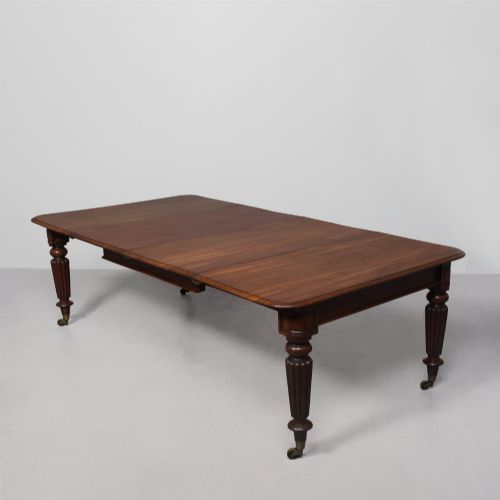
Buyers most frequently meet nineteenth-century and Edwardian examples featuring turned legs, drop leaves, or wind-out mechanisms. Solid construction and period timber define the category across all forms.
How they were made
Cabinet makers utilised dense hardwoods including oak, mahogany, walnut, and yew, supplemented by softer timbers like pine and beech for secondary framing. These woods were chosen for their durability and distinctive grain patterns.
Construction techniques relied on traditional joinery such as mortise and tenon joints, dovetails for drawers, and turned supports like bobbin or spider legs. Metal elements such as brass castors and leather inserts appear on specific forms like extending dining tables and writing desks.
A solitary gilt wood obelisk table lamp waits patiently among the heavy timber tables.
What varies in quality
Quality rests upon the selection of timber, such as figured burr walnut or single plank oak, and the integrity of the underlying joinery. Fine examples display careful matching of wood veneers and precise hand-carved detailing.
The sophistication of the mechanism, from simple tripod tilts to complex wind-out dining systems, distinguishes utilitarian pieces from high-status furniture. Original hardware and untouched surface patination elevate a piece above later restorations.
Trollope & sons·Thomson of London·George Wadham·German H.A.C.
The Traditional Wood Table Glossary
- Refectory table
- A long, narrow dining table traditionally used in monastic refectories, featuring heavy timber construction and stretcher supports.
- Wind-out table
- An extending dining table operated by a mechanical handle and internal screw mechanism to insert leaves.
- Spider leg
- A table design featuring exceptionally slender turned legs linked by stretchers for stability.
- Butlers tray
- A portable wooden tray with hinged sides, designed to sit upon a folding stand.
- Tamour
- A flexible sliding shutter constructed from narrow strips of wood glued to fabric backing.
Traditional Wood Table: Frequently Asked Questions
How do I date a wooden table?
Dating relies on examining construction methods, tool marks, and timber choices characteristic of specific periods like the Georgian or Victorian eras. Secondary woods and fastener types provide further clues to age.
Hardware styles and leg profiles also shift across centuries, helping to narrow down the decade of manufacture.
What is an extending dining table?
An extending dining table incorporates a mechanism to pull apart the top sections and insert additional leaves for larger gatherings. Victorian examples often utilise a crank handle for this purpose.
Closed, they serve daily needs; expanded, they accommodate guests without requiring a permanently oversized footprint.
How do I care for antique wood?
Antique wood requires stable humidity and protection from direct sunlight to prevent timber shrinkage and fading. Regular dusting with a soft cloth preserves the finish.
Applying quality wax periodically nourishes the grain and maintains the historical patina without stripping the surface.
Are farmhouse tables sturdy?
Farmhouse tables were built for heavy daily use from durable timbers like oak, pine, and sycamore. Their robust frames and thick tops make them exceptionally stable.
Joints may loosen over decades of service, but simple professional stabilization restores their original strength.