
Traditional Victorian Seating
Traditional victorian seating spans sturdy country Windsor chairs and carved mahogany dining suites built for everyday use.
Traditional Victorian Seating
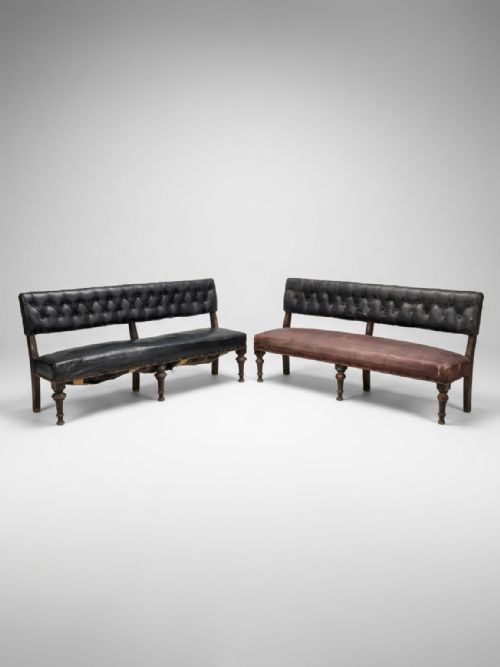
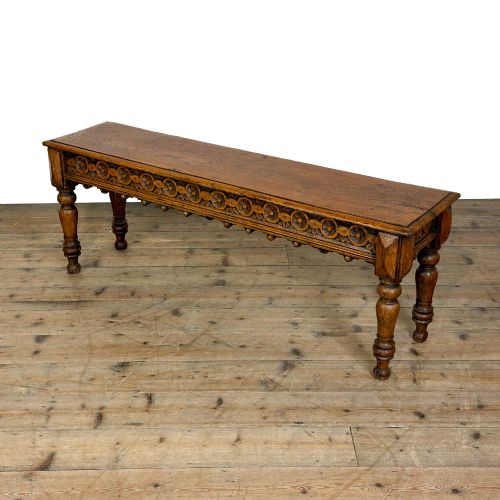
Traditional victorian seating covers a broad spectrum of domestic furniture ranging from formal dining chairs to kitchen Windsor armchairs. Buyers searching for traditional victorian seating encounter everything from mahogany library chairs with leather upholstery to elm and ash farmhouse benches.
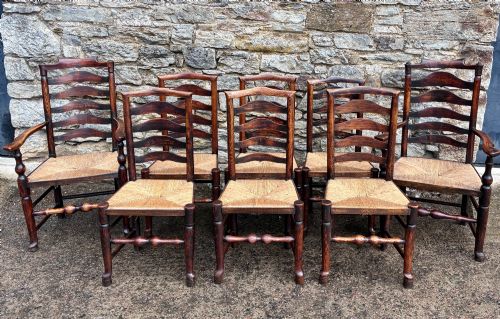
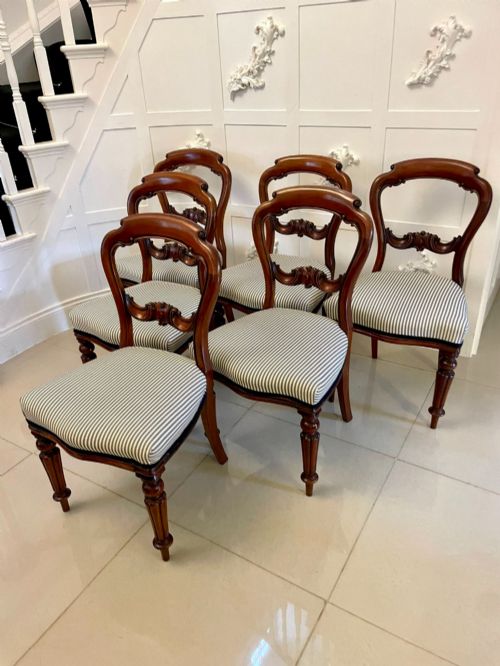
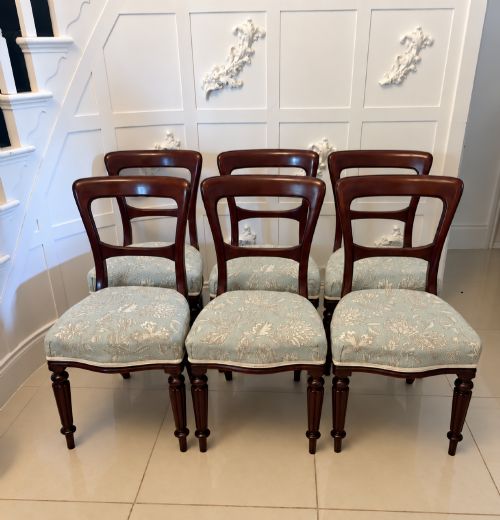
The evidence shows dining chairs and armchairs dominate the selection, often appearing in sets of various sizes. Country variants utilise local timbers like yew, elm and ash, while formal urban pieces rely on mahogany, walnut and oak.
Materials and Construction
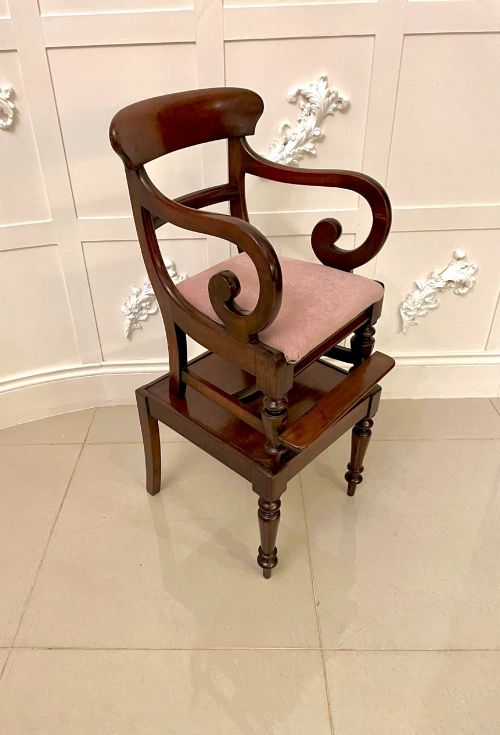
Cabinet makers and country bodgers utilised solid hardwoods such as mahogany, oak, elm, beech and pine to construct frames that endured heavy daily use. Joinery relied on traditional mortise and tenon joints, steam-bent wooden components for Windsor backs, and turned legs.
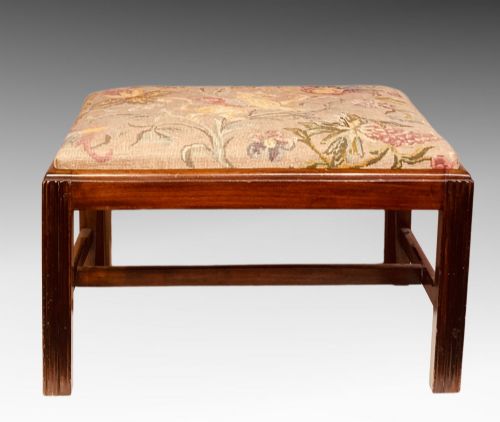
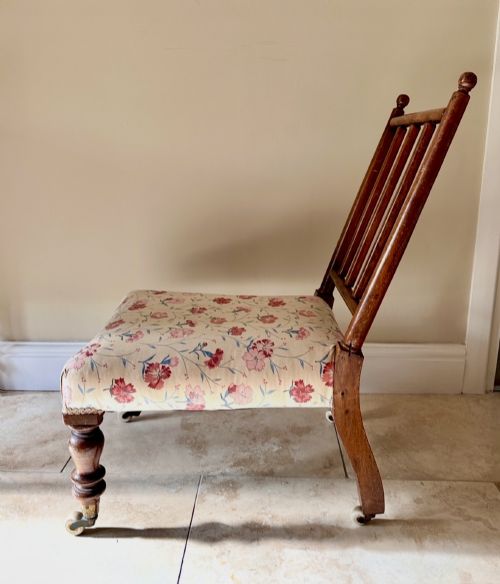
Upholstered items incorporate materials like leather, velvet and fabric over sprung or stuffed bases, supplemented by brass castors on desks and library chairs.
Judging Quality
Quality rests upon the selection of timber, the crispness of hand-carved details on mahogany and walnut frames, and the structural integrity of joints. Superior examples retain original timber patination and finishes without excessive sanding or later alterations.
Matching sets demonstrate greater uniformity in grain and turning quality across every chair compared to assembled groups. The weight of the timber and the complexity of back splats or spindle arrangements further distinguish standard utility seating from high-grade parlour pieces.
Howard and Sons·William Morris·Rossetti
The Traditional Victorian Seating Glossary
- Windsor
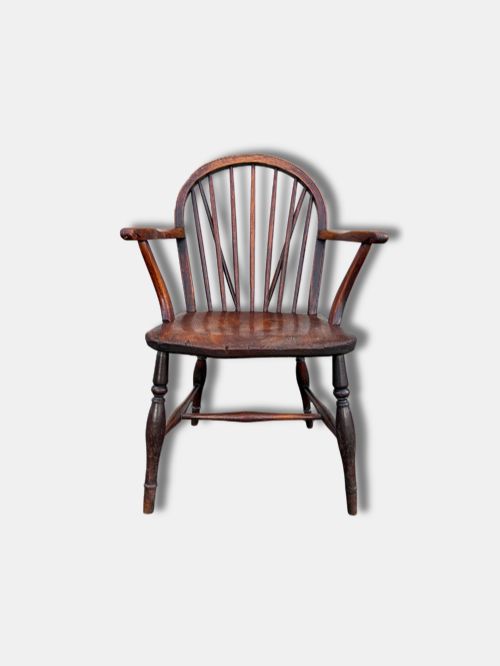
- A traditional wooden chair featuring a solid carved wooden seat into which the legs and back spindles are wedged directly. These country pieces often combine elm, ash and yew.
- Carver
- An armchair designed with elbow rests, traditionally placed at the head of a dining table or used as a desk chair. They match the simpler side chairs of a dining set.
- Spindle-back
- A chair back constructed from numerous slender turned wooden uprights arranged vertically. This technique provides light yet robust support.
- Balloon back
- A rounded, oval-shaped dining chair back popular during the nineteenth century. This shape resembles an inflated balloon when viewed from the front.
Traditional Victorian Seating: Frequently Asked Questions
How do I identify a Windsor chair?
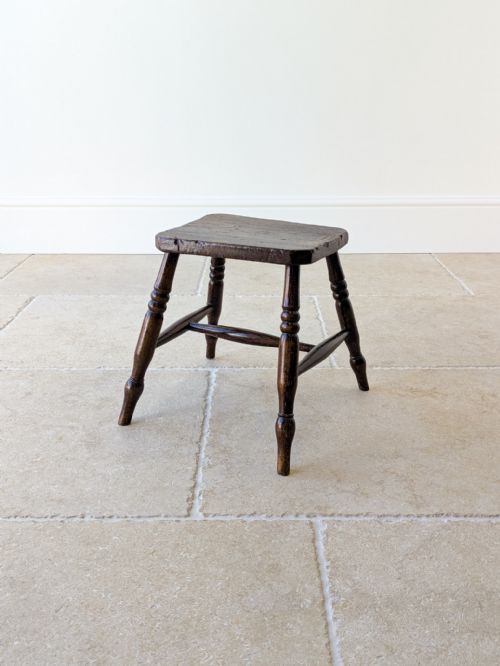
Windsor chairs feature a sculpted wooden seat that holds the legs and back spindles independently. They rely on combinations of woods like elm, ash and yew rather than a fully upholstered frame.
Look for turned components and saddle seats that show individual hand shaping. These items originated in rural workshops for farmhouse and kitchen use.
Are dining chairs sold in sets?
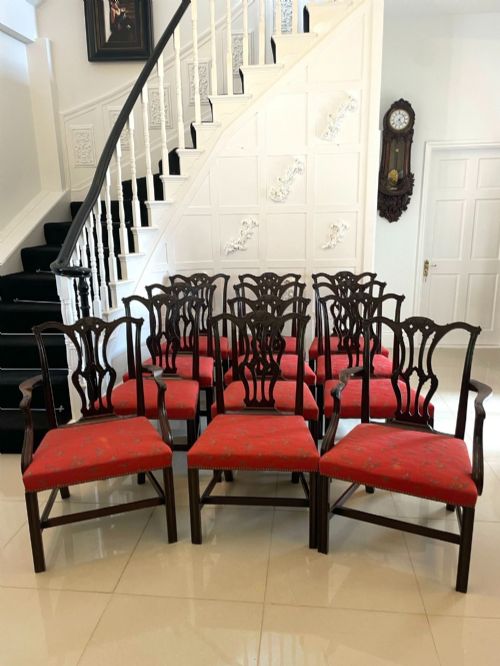
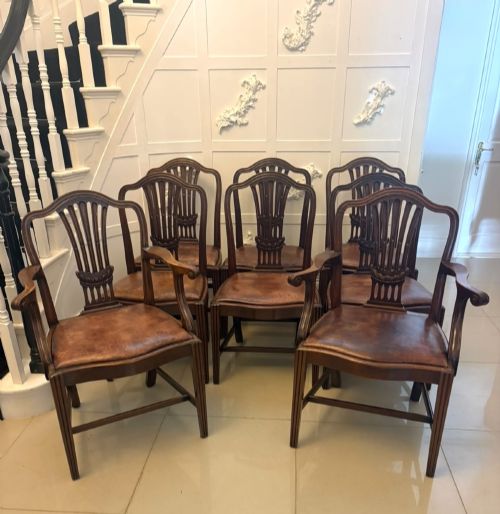
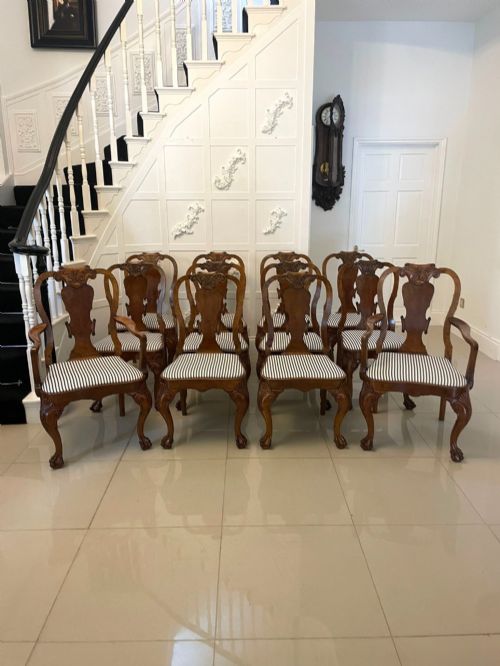
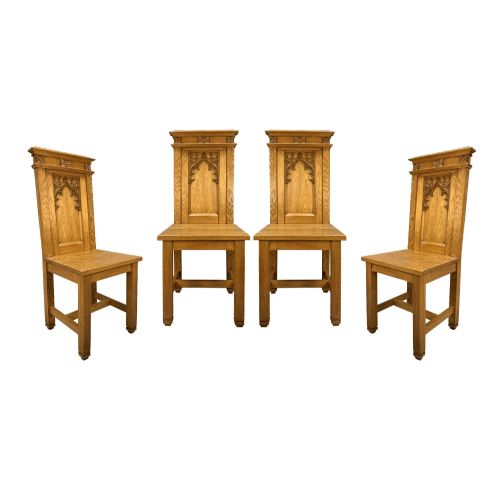
Many dining chairs appear in matched sets ranging from four up to twelve pieces. These collections were built together for formal dining rooms.
Assembled sets also exist where individual chairs share similar styles and timber tones. Checking the turnings and timber grain confirms whether a set started life together.
What is Cuban mahogany?
Cuban mahogany is a dense, dark timber utilised in high-grade nineteenth-century furniture. It yields a rich patina and crisp carved details.
Cabinet makers valued this wood for formal parlour and library seating. It accounts for some of the finest surviving dining and hall chairs.
How were library armchairs used?
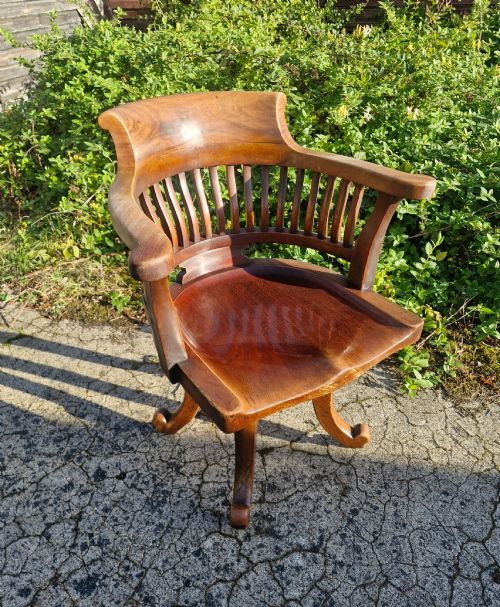
Library armchairs provided heavy, padded seating for reading and writing rooms. They often incorporated leather upholstery and brass castors for mobility.
These chairs combined sturdy mahogany frames with deep padding for sustained comfort. They sat alongside desks and reading tables in domestic studies.