




Traditional Towel Rail
A traditional towel rail brings timber warmth and practical utility to a bathroom or bedroom, offering genuine period character.
Traditional Towel Rail
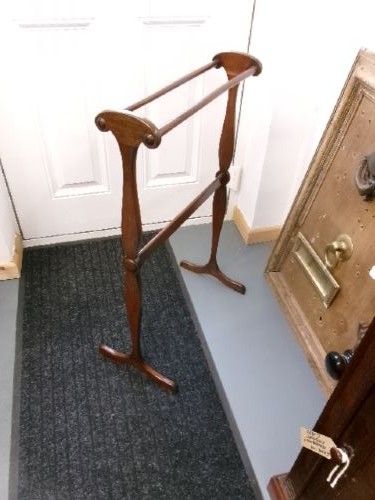
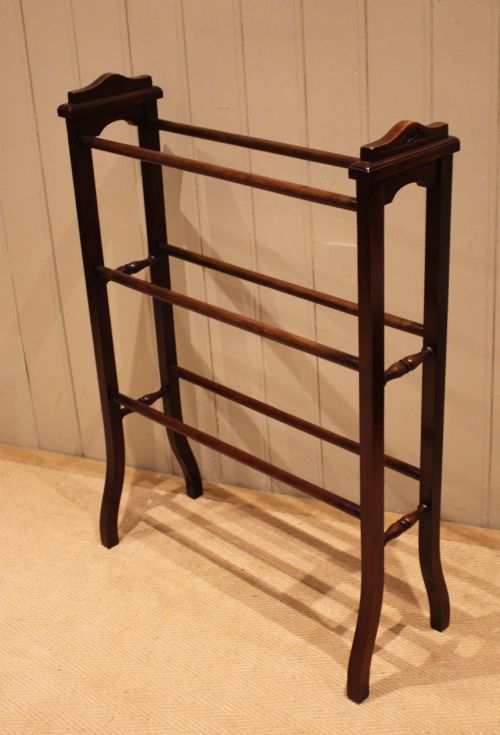
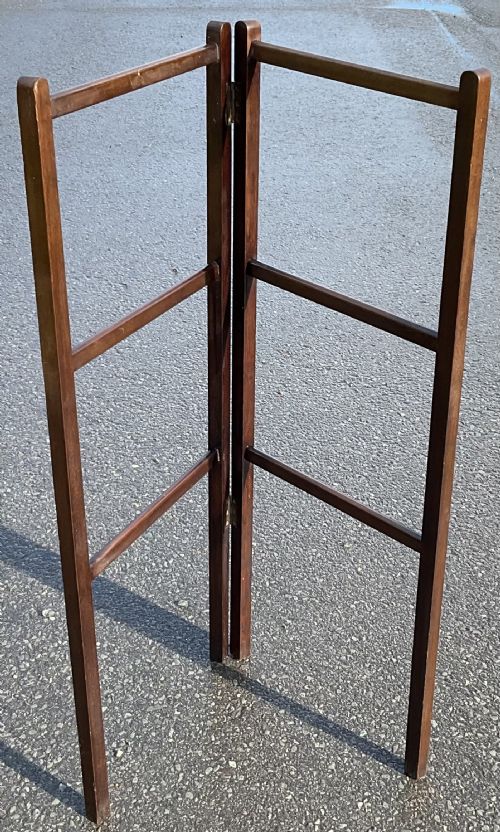
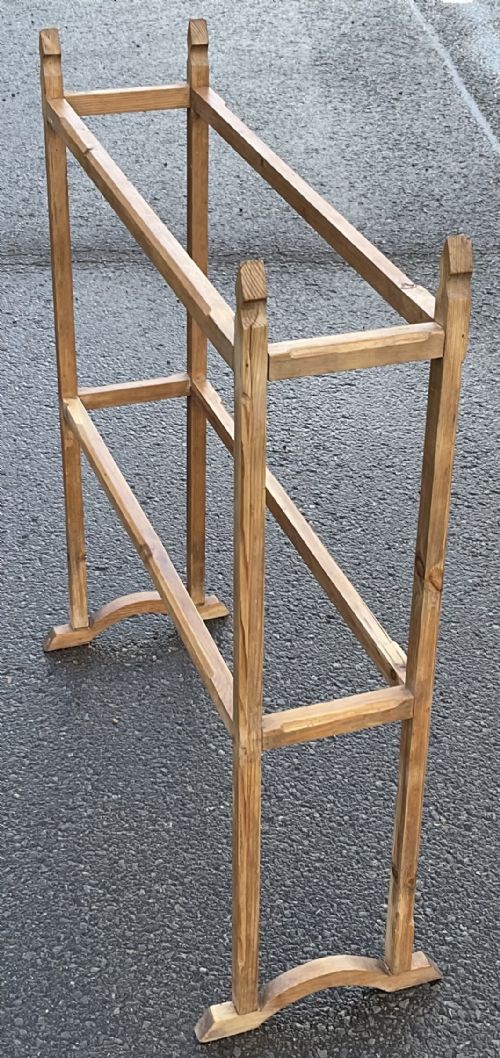
A traditional towel rail stands as a functional piece of period furniture, designed to hold linen in bedrooms or bathrooms. Buyers searching for a traditional towel rail will encounter various standing forms, from simple folding frames to large multi-bar structures.
The pieces appearing on this page span several decades and styles, including Victorian and Edwardian examples alongside Regency and Chinese Qing Dynasty pieces. Mahogany and pine dominate the selection, complemented by elm, boxwood, and ebonised wood.
Beyond standard rails, the selection extends to related forms such as clothes racks, hall stands, and robe stands. These items share a common purpose of garment and textile display, executed in hardwoods and softwoods.
Materials and construction methods
Cabinetmakers utilised dense timbers such as mahogany and pine to construct these frames, ensuring stability for daily use. Carpenters frequently employed folding mechanisms or joined multiple rails to create standing airers.
Surface treatments range from simple polished hardwood and lacquered wood to black ebonised finishes and inlaid details. Carved elements appear on specific regional pieces, such as Chinese robe stands, adding sculptural detail to the framework.
Traditional Towel Rail Retail Price Guide 2026
Typical asking prices for traditional towel rail among the pieces listed under this phrase on Sellingantiques today, from the lower quarter to the upper quarter. They describe what is for sale here now, not the wider market.
Distinctions in quality and execution
Timber selection dictates the initial tier of quality, with well-figured mahogany commanding attention over standard pine or mixed hardwoods. Joinery precision also separates standard utility items from finer examples attributed to notable makers.
Proportion and scale influence the desirability of a piece, as seen in generous Regency proportions or expansive multi-bar configurations. Intricate details such as inlaid woodwork or carved structural components elevate the execution of the design.
The Traditional Towel Rail Glossary
- Towel Rail
- A freestanding wooden frame with horizontal bars designed for airing and holding linens. These pieces range from simple two-bar designs to large five-bar Edwardian variations.
- Mahogany
- A durable, reddish-brown tropical hardwood favoured by cabinetmakers during the Victorian and Edwardian periods. It provides structural strength and a smooth finish.
- Ebonised Wood
- Timber treated with a chemical stain or paint to imitate ebony. This dark finish appears on specific pieces from around nineteen hundred.
- Robe Stand
- A tall standing frame akin to a clothes horse, utilised for hanging garments. Large examples often feature lacquered surfaces and carved details.
- Inlay
- A decorative technique where contrasting strips of wood are set into the primary timber surface. Edwardian makers frequently applied this to enhance the visual appeal of rail uprights.
Traditional Towel Rail: Frequently Asked Questions
Where should I place a wooden towel rail?
These pieces suit bedrooms, dressing rooms, and bathrooms where extra linen storage is useful. Their freestanding nature allows repositioning without permanent wall fixings.
Ensure the room humidity remains moderate if placing antique timber in a bathroom to protect the polished wood surfaces.
How do I care for antique timber rails?
Dust the mahogany or pine framework regularly with a soft, dry cloth to maintain the polish. Avoid harsh chemical cleaners that might strip the historic finish.
Apply a light beeswax occasionally to nourish the hardwood and preserve the natural grain.
Are these rails strong enough for wet towels?
Standing wooden rails accommodate damp bath towels well, provided the joints remain tight and stable. Lighter garments and dry linens suit delicate folding frames best.
Allowing air to circulate around the rails helps protect the antique wood from prolonged moisture exposure.
How do I distinguish Victorian from Edwardian pieces?
Victorian examples often feature heavier proportions and darker mahogany tones, reflecting mid to late nineteenth-century preferences. Edwardian rails frequently showcase lighter framing, simpler lines, and occasional inlay work.
Examining the turning on the uprights and the joinery methods helps clarify the period of production.