

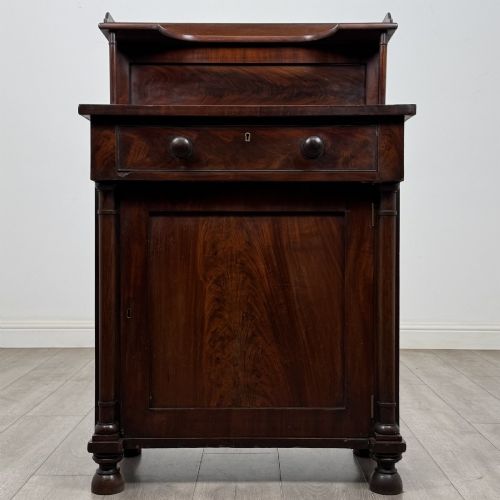
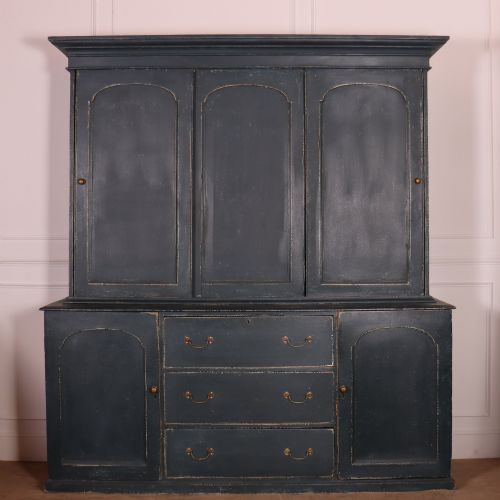
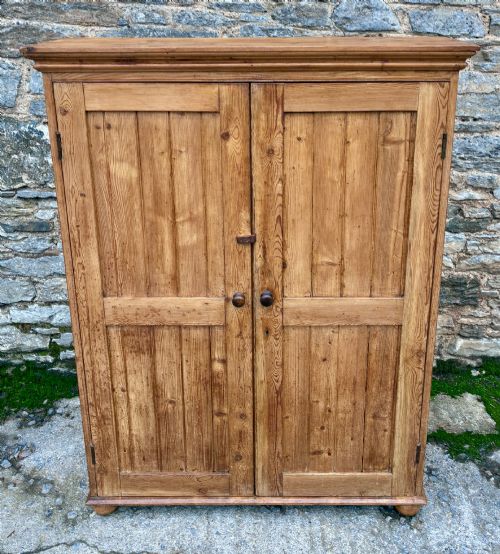
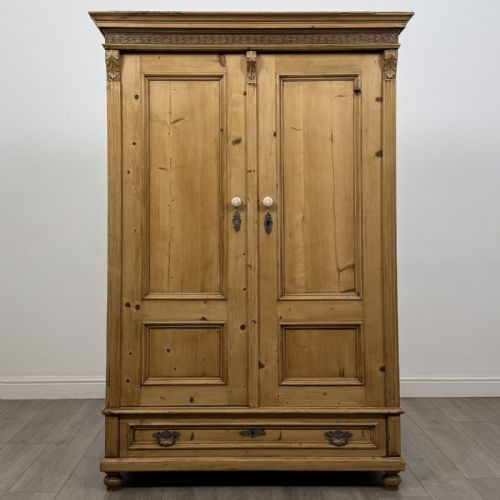
Traditional Storage Cupboard
These traditional storage cupboard pieces bring solid timber utility and period character to rooms needing honest containment.
Traditional Storage Cupboard
A traditional storage cupboard encompasses everything from utilitarian pine larders and painted housekeeper pieces to finely figured mahogany linen presses and oak panelled cabinets. When searching this phrase, buyers encounter substantial timber constructions designed over centuries to organise household textiles, provisions, and dry goods.
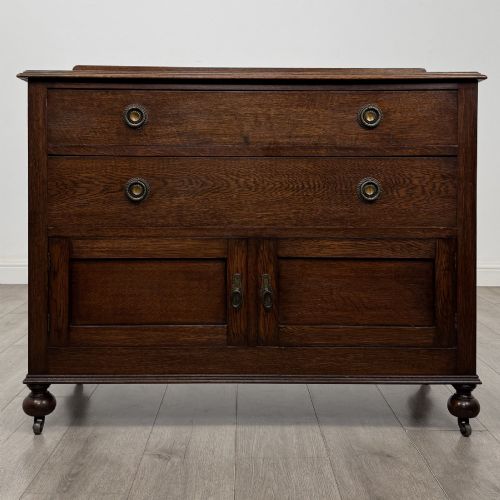
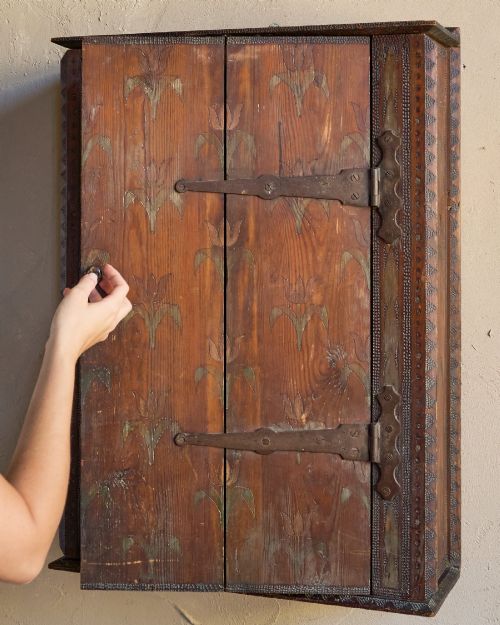
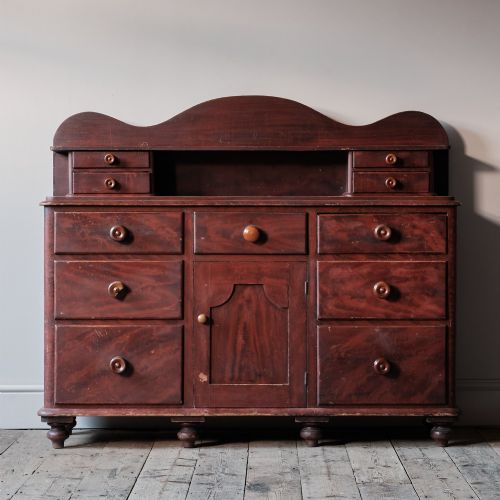
The pieces appearing on this page span the Georgian, Victorian, and Edwardian eras alongside early twentieth century revivals and continental folk art. Oak and pine dominate the domestic vernacular forms, while mahogany and burr walnut appear in more formal settings alongside occasional French walnut and painted finishes.
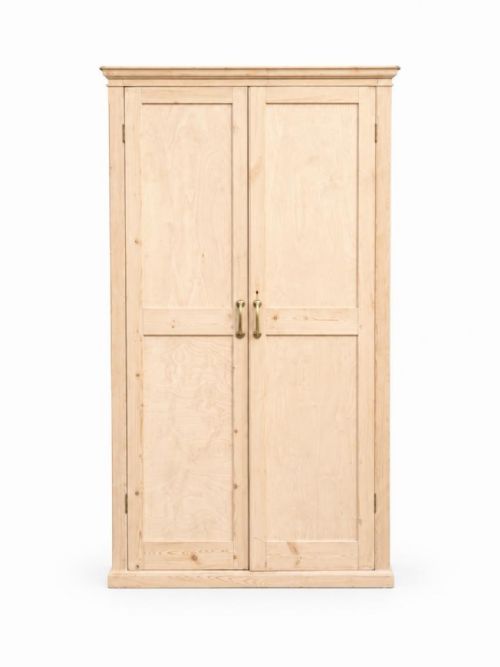
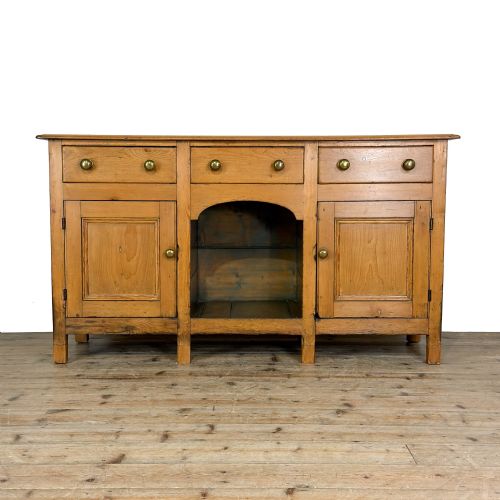
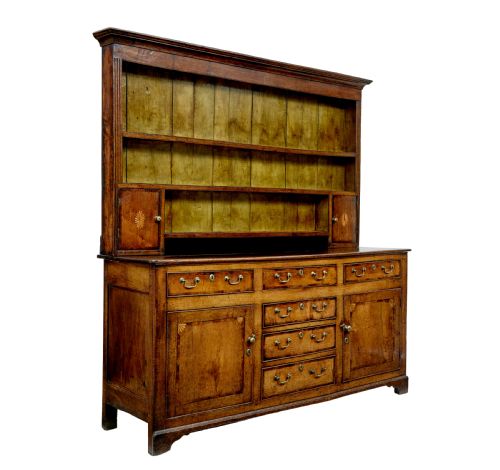
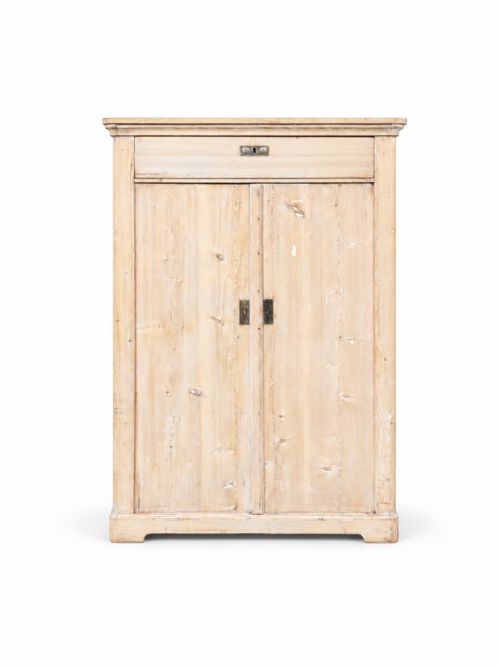
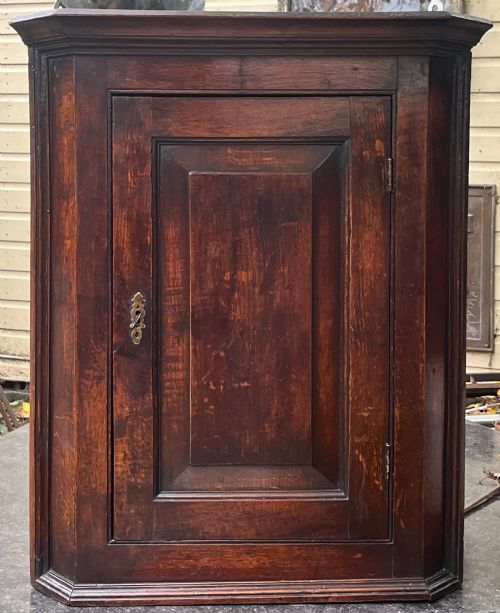
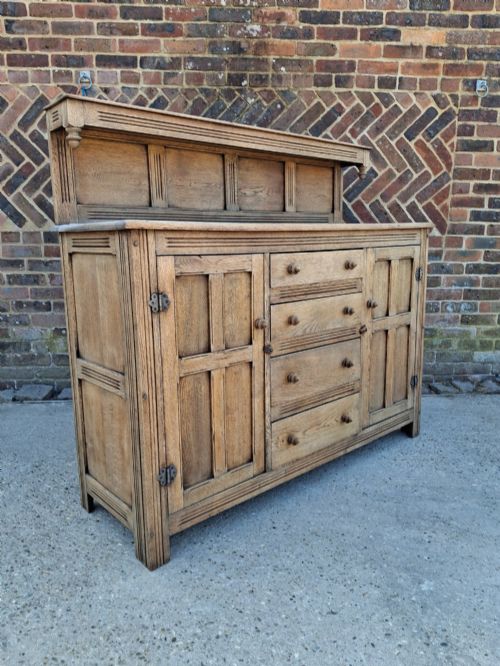
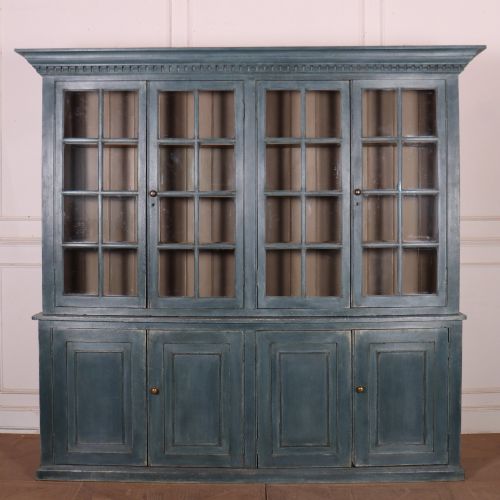
Functional variants range from small bedside cabinets and corner cupboards to commanding triple wardrobes, housekeeper's cupboards, and kitchen dressers. Buyers frequently meet simpler single door hall cupboards, linenfold carved panels, and glazed bookcases adapted for practical domestic storage.
Materials and construction methods
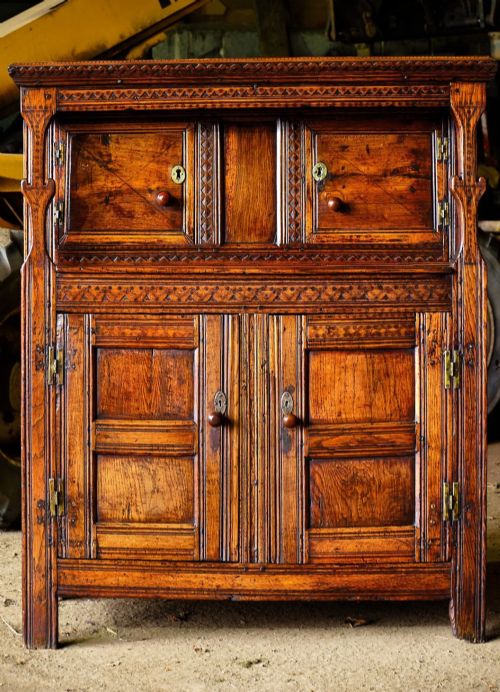
Joinery relies heavily on solid native timbers such as oak, pine, and mahogany, shaped with pegged mortise and tenon joints or dovetailed drawer construction. Carved ornamentation, fielded panels, and linenfold motifs demonstrate hand tool proficiency across regional workshops.
Secondary materials include brass hinges and handles, iron hardware, and glass panes set into glazed doors or leaded framework. Surfaces receive wax polishes, traditional paint finishes, or red lacquer depending on the regional provenance and period style.
Traditional Storage Cupboard Retail Price Guide 2026
Typical asking prices for traditional storage cupboard among the pieces listed under this phrase on Sellingantiques today, from the lower quarter to the upper quarter. They describe what is for sale here now, not the wider market.
Listings feature oak, pine, mahogany, walnut, and painted surfaces across Georgian, Victorian, and Edwardian periods.
Measures of construction and timber quality
Quality rests upon the selection of timber, visible in the grain matching of flame mahogany or burr walnut veneers, and the heavy scantlings of solid oak and pine. Superior examples retain their original brass or iron hardware, backboards, and interior shelving rather than relying on modern replacements.
The integrity of the joinery dictates structural longevity, observed in tight dovetails, well-hung panel doors that close square, and functional internal configurations such as original pigeon holes or fitted drawers.
The Traditional Storage Cupboard Glossary
- Linen press
- A tall storage piece designed specifically for storing folded linens and bedding, typically combining sliding trays in the upper section with drawers below.
- Fielded panel
- A wooden panel with bevelled or recessed edges set within a heavier frame, allowing the wood to expand and contract safely with humidity changes.
- Linenfold
- A style of carved wooden panelling popular in the Tudor period and later revivals, imitating the folds of stiff linen cloth.
- Bracket foot
- A simple structural foot supporting a case piece, shaped like a small bracket and mitred at the corner.
- Housekeeper's cupboard
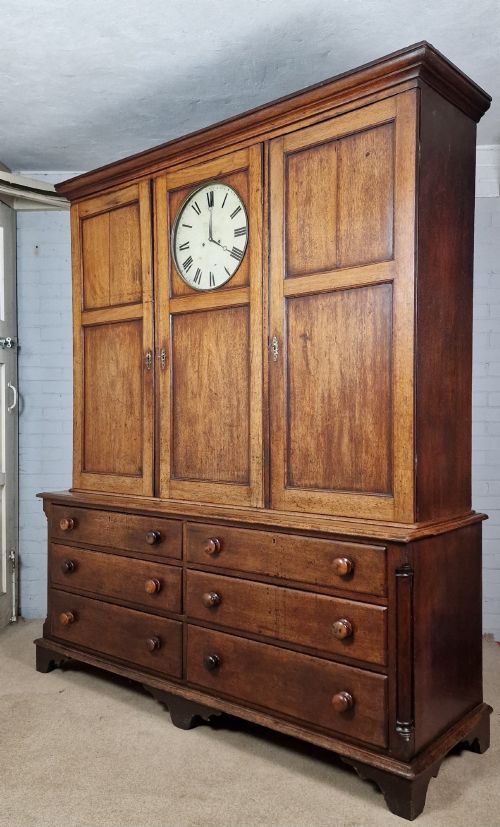
- A large vernacular storage piece, usually in oak or pine, featuring upper cupboards and lower drawers or smaller doors for domestic provisions.
Traditional Storage Cupboard: Frequently Asked Questions
What is a traditional storage cupboard used for?
These pieces serve as functional containment for clothing, tableware, linens, and dry goods within domestic spaces. Their internal configurations often include shelving, hanging space, or sliding trays.
Historically, larger variations housed household provisions and textiles in kitchens and bedrooms, while smaller bedside or corner variants kept personal items close at hand.
Where should I place a large wooden cupboard?
Large wardrobes, linen presses, and housekeeper's cupboards require stable interior walls away from direct heat sources to prevent timber movement. Entryways, bedrooms, and dining rooms suit their substantial scale.
Ensure adequate floor clearance and wall fixing if placing taller architectural cabinets in rooms with high traffic.
Are these cupboards made of solid wood?
The listings comprise substantial solid timbers including oak, pine, ash, and mahogany, alongside occasional fine veneers on secondary softwood or hardwood carcasses. Backboards and drawer linings are typically solid secondary woods.
Construction methods vary from rustic farmhouse joinery to refined cabinet making, utilising iron, brass, and glass details.