
Traditional Pendant Lighting
Traditional pendant lighting brings weight and atmosphere to a room through cast brass, bronze, and cut crystal hung from ceilings.
Traditional Pendant Lighting
Traditional pendant lighting encompasses ceiling-hung fixtures designed to illuminate rooms from above using multiple branches, lanterns, or glass bowls. When searching for traditional pendant lighting, buyers encounter pieces ranging from compact hall lanterns to large multi-arm crystal chandeliers.
The selection here draws primarily from the nineteenth century, the Edwardian era, and the early twentieth century. French and English designs dominate, alongside Italian Florentine and Dutch styles.
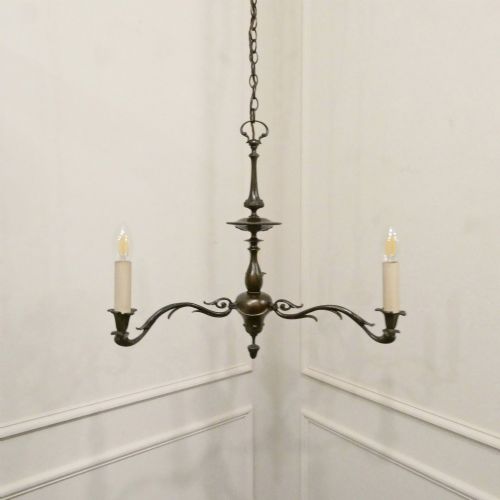
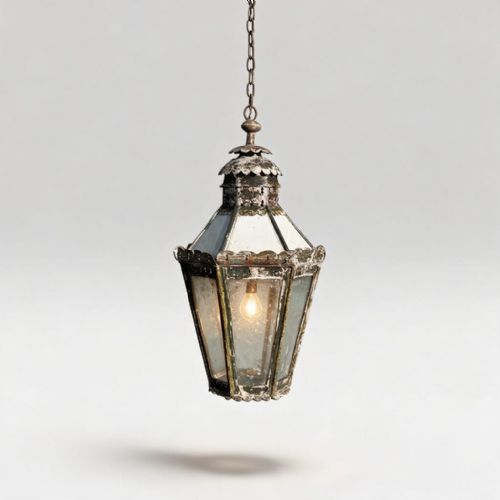
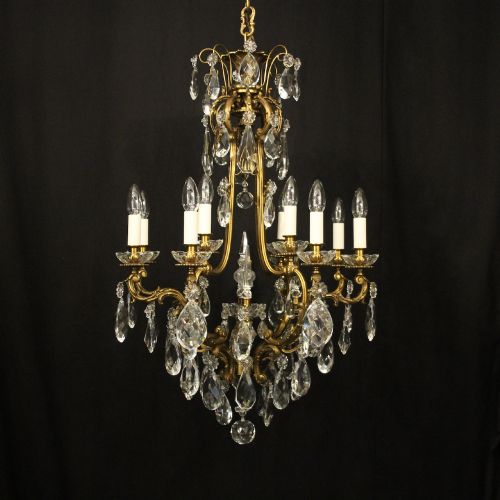
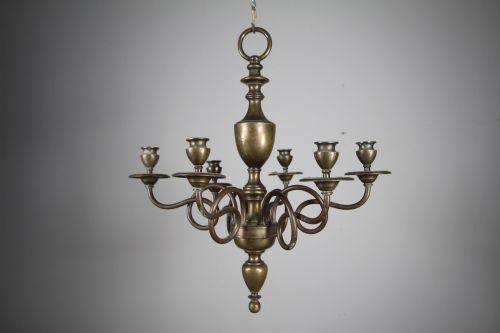
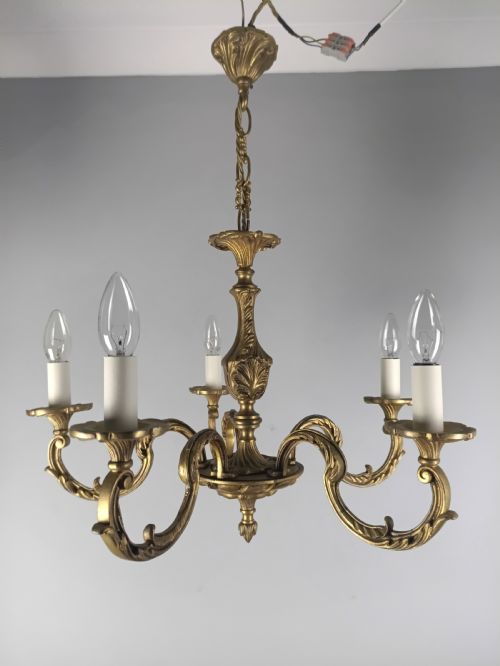
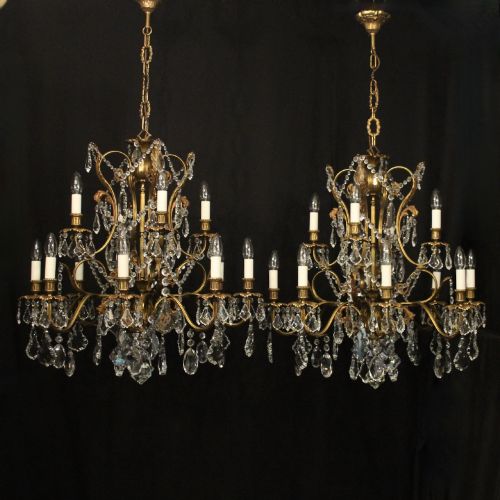
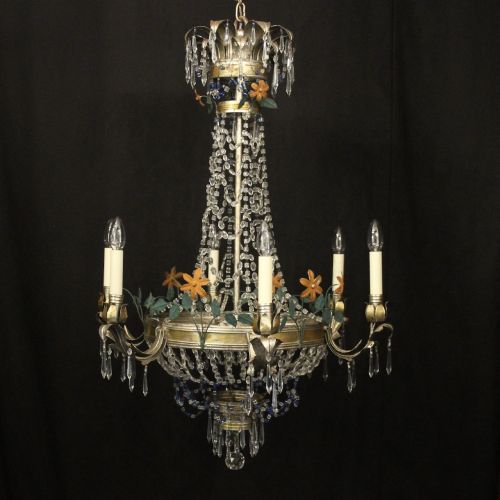
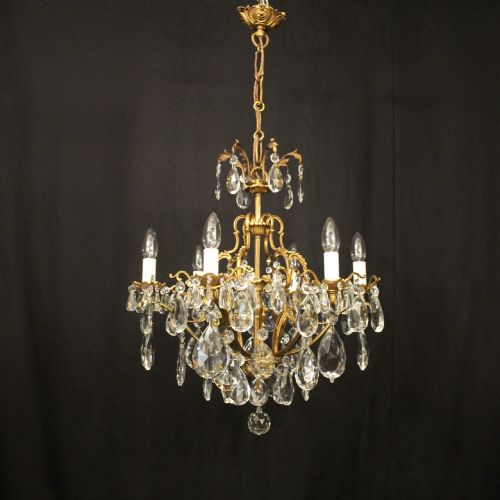
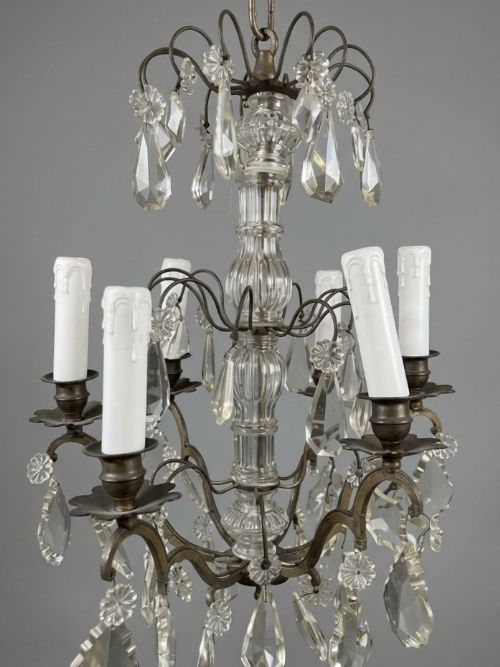
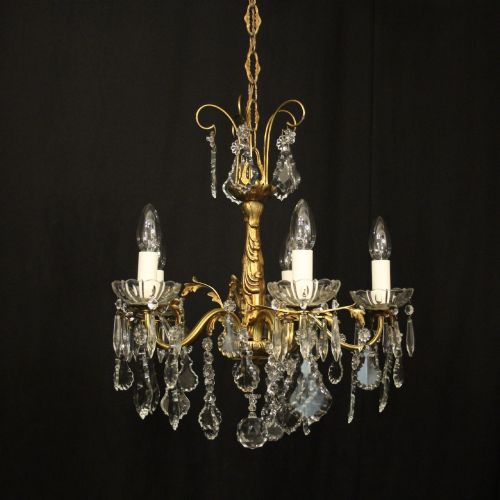
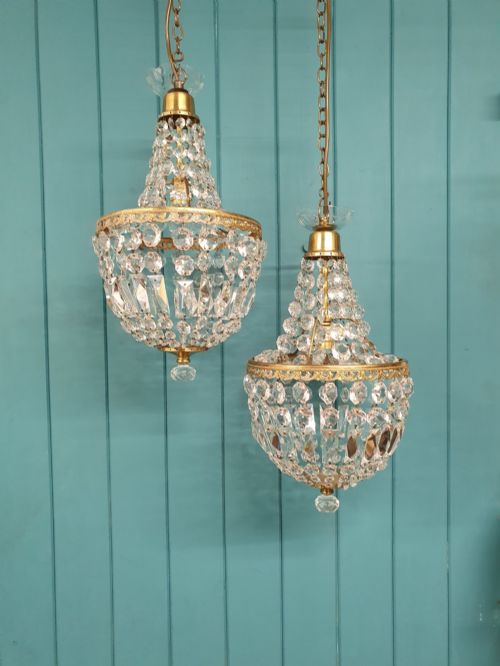
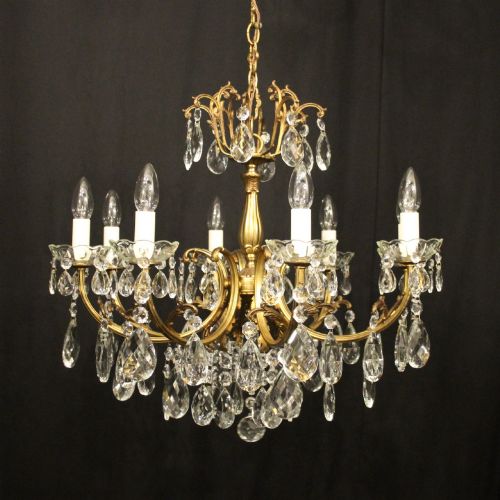
Common forms include multi-light chandeliers hung with crystal lustres, convex hall lanterns, and glass plafonniers. These fixtures suit high ceilings in principal rooms as well as entrance hallways.
How they were made
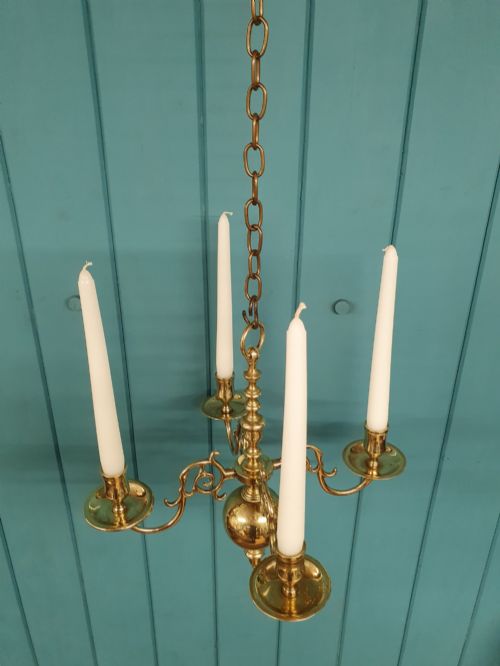
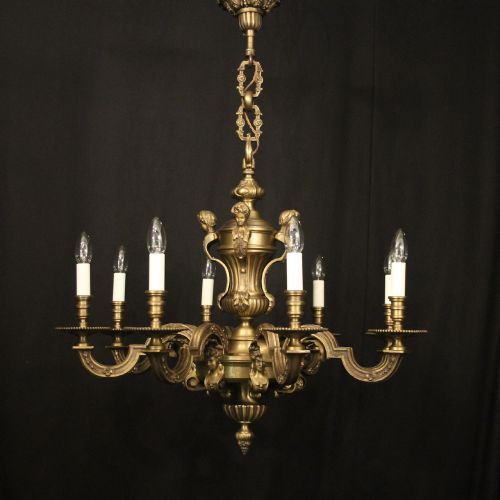
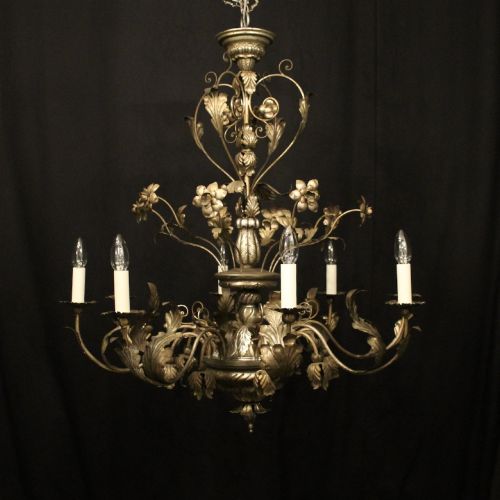
Metalwork forms the structural backbone of these pieces, utilising cast brass, bronze, copper, and gilded brass. Frames are often shaped through casting and then hand-finished with gilding or patination.
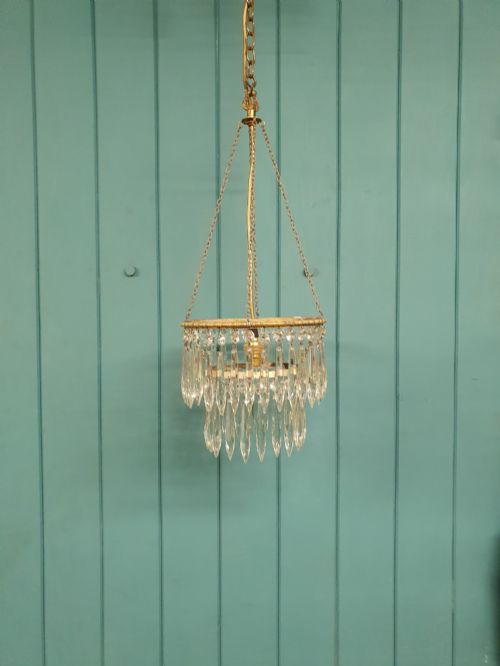
Glass elements include hand-blown bull's-eye glass, cut crystal drops, and moulded moonstone shades. Lustres and drops are suspended from metal frames using wire or pins, while lanterns incorporate curved or flat glass panes secured within metal cages.
Object forms range from multi-arm crystal chandeliers to enclosed hall lanterns and glass plafonniers.
What varies in quality
Quality rests in the crispness of the metal casting and the depth of the finish, whether gilt bronze, silver gilt, or polished brass. Finer frames show sharply defined chased detail rather than soft, smoothed edges.
The composition and cutting of the glass also set pieces apart. Heavy, hand-cut crystal prisms and hand-blown bull's-eye panels produce sharper light refraction and carry more weight than thinner, moulded glass substitutes.
The Traditional Pendant Lighting Glossary
- Chandelier
- A branched, ceiling-mounted fixture holding multiple light sources. These fixtures often feature elaborate metal frames hung with crystal drops.
- Plafonnier
- A shallow, ceiling-mounted bowl light, usually in glass. They sit flush or close to the ceiling surface.
- Lustre
- A cut glass or crystal pendant drop hung from a chandelier to reflect light. Lustres come in various shapes, including spear, pear, and acorn forms.
- Hall lantern
- An enclosed hanging light designed for corridors and entrance spaces. They feature glass panels held within a brass, bronze, or copper frame.
- Ormolu
- Gilded bronze used for decorative mounts and frames. The technique involves applying a gold amalgam to a bronze base.
Traditional Pendant Lighting: Frequently Asked Questions
How do I hang a heavy chandelier?
Heavy chandeliers require structural support directly from ceiling joists rather than plaster or lath. A steel hook or batten screwed into the timber bearing point takes the weight securely.
Professional installation is essential for multi-arm brass and crystal fixtures. Electricians wire the internal branches while ensuring the hanging chain and ceiling rose support the load safely.
Can these antique lights use modern bulbs?
Most electrified antique fixtures accept standard screw or bayonet cap bulbs, provided the wiring has been updated to modern standards. Low-wattage LED candle bulbs replicate the warmth of older lighting without excessive heat.
Rewiring older fixtures preserves the original metalwork while ensuring safety. Consultation with a specialist ensures the sockets match the scale of the brass or bronze arms.
How do I clean crystal and glass components?
Crystal drops and glass panes benefit from gentle washing with warm water and mild soap while still attached, or by removal for individual cleaning. Drying with a lint-free cloth restores clarity.
Harsh chemical cleaners strip patination from brass and bronze frames. Careful wiping around metal mounts protects the original gilt or dark bronze finishes.
What is the difference between an Edwardian lantern and a Victorian one?
Victorian lanterns and chandeliers often reflect heavier Gothic Revival or ornate Rococo influences with darker bronze and robust cast brass. They suit spaces requiring formal nineteenth-century weight.
Edwardian pieces tend toward lighter brass frames and refined neoclassical or simpler hexagonal shapes. They reflect a shift towards brighter, more open hallway and reception spaces.