

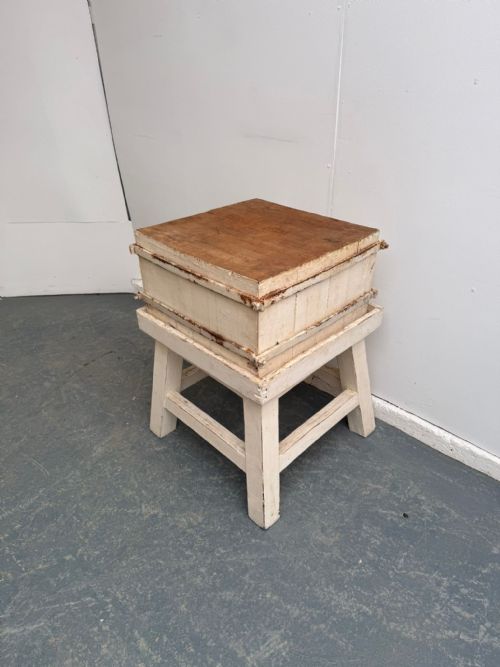


Traditional Kitchen Island
A traditional kitchen island anchors the room with working weight, bringing industrial timber and time-worn surface to domestic cookery.
Traditional Kitchen Island
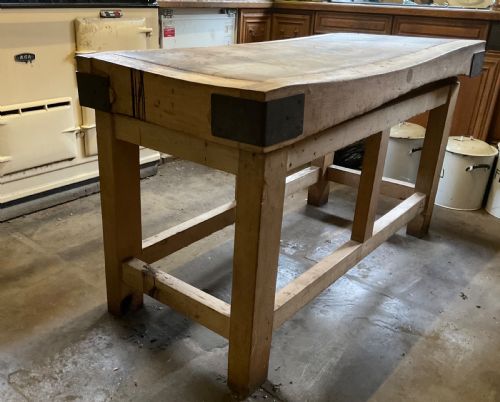
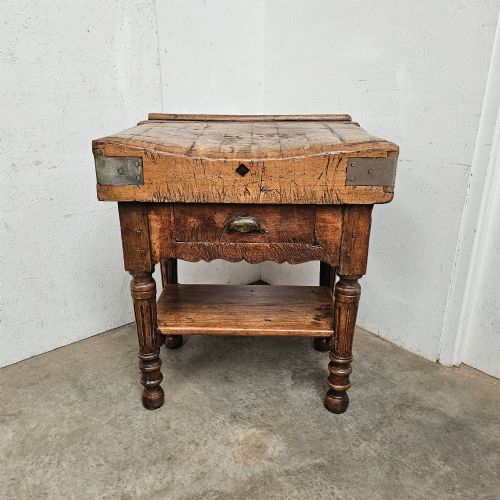
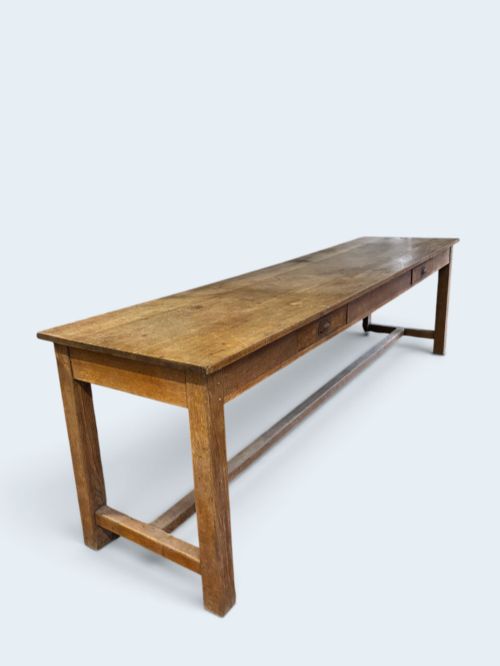
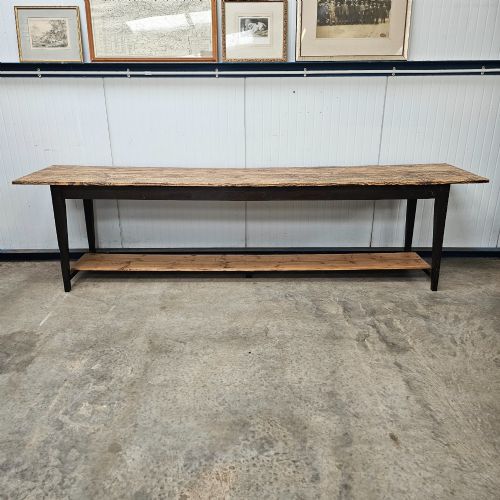
A traditional kitchen island takes many forms across this selection, drawing heavily on functional utilitarian furniture from past centuries. You will encounter repurposed shop counters, heavy workbenches with vices, butchers blocks, and long harvest tables rather than purpose-built domestic islands.
The materials and origins lean towards European workshops and country houses, spanning the nineteenth century through to the 1930s. Oak, pine, beech, and elm dominate the construction, often showing the heavy dents and staining of genuine commercial use.
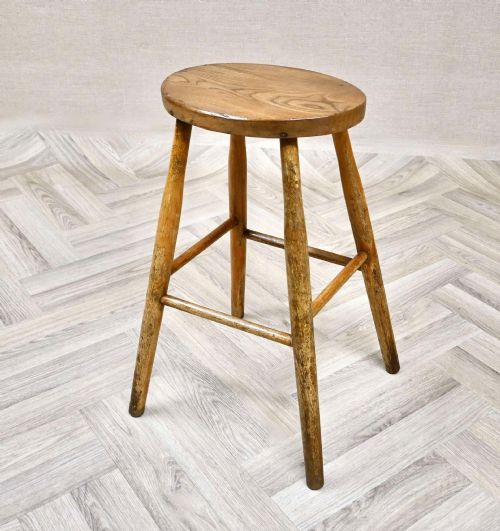
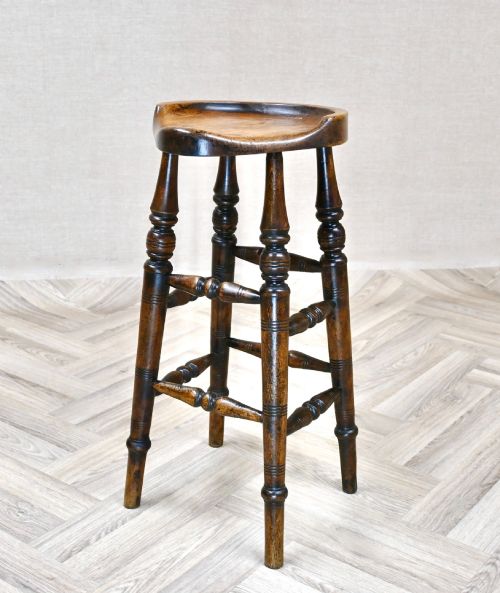
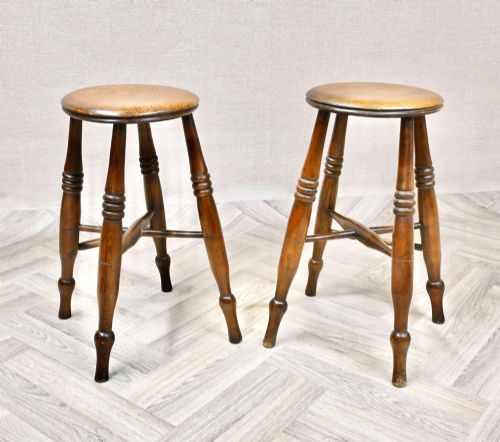
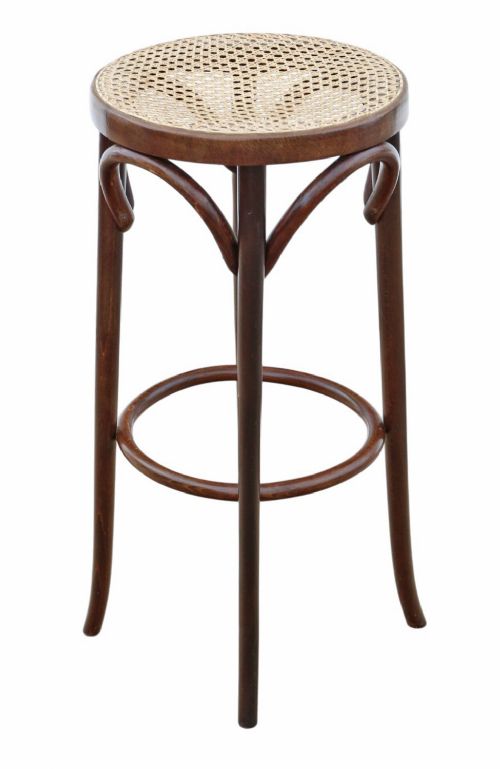
Stools and serving tables also appear under this heading, providing companion seating and auxiliary space. These pieces rely on honest joinery, thick timber tops, and sturdy underframes built to withstand heavy daily labour.
How they were made
Construction relies on solid hardwoods and softwoods, principally oak, pine, beech, and elm, assembled with traditional joinery to endure heavy daily labour. Iron and brass appear in functional hardware, vices, and galleries, whilst painted finishes feature on specific regional items.
Workbenches and butchers blocks utilise thick timber slabs mounted on robust frames, often incorporating integrated wooden vices and slatted lower tiers for storage. Tables and counters employ substantial legs joined by stretchers to eliminate wobble under pressure.
Traditional Kitchen Island Retail Price Guide 2026
Typical asking prices for traditional kitchen island among the pieces listed under this phrase on Sellingantiques today, from the lower quarter to the upper quarter. They describe what is for sale here now, not the wider market.
A tiny copper Jersey can sneaks into the collection, proving even the milk jug had architectural ambitions in eighteen-sixty.
What varies in quality
Quality rests in the integrity of the timber and the honesty of the wear. Superior examples retain their original working mechanisms, such as wooden vices and adjustable feet, alongside deep patination earned through decades of genuine service.
Proportion and scale dictate the visual success of the piece within a modern room. Finer pieces demonstrate balanced proportions between the heavy working top and the supporting base, free from unsympathetic later alterations.
The Traditional Kitchen Island Glossary
- Butchers block
- A thick, heavy wooden block traditionally used for meat preparation. These feature end-grain or edge-grain surfaces built to absorb repeated chopping impacts.
- Work bench
- A heavy carpenter or artisan table fitted with a working vice. These are frequently repurposed as kitchen prep stations for their sturdy timber construction.
- Drapers counter
- A long retail shop counter used for measuring and displaying cloth. Their extended lengths and drawer arrangements make them practical for modern kitchens.
- Bentwood
- Wood that has been heated and bent into curved shapes. This technique is commonly seen in the frames of tall antique stools.
- Refectory table
- A long dining table traditionally used in communal dining halls. These provide substantial surface area for food preparation and gathering.
Traditional Kitchen Island: Frequently Asked Questions
Can I actually chop food on an antique butchers block?
Most antique blocks possess thick timber tops that were built specifically for heavy cutting and preparation work. Regular conditioning with mineral oil keeps the dry wood sealed and hygienic for modern food use.
Heavily sanitised or sealed surfaces require less maintenance, though centuries of historic knife marks contribute much of the visual character to the top.
How do I clean and maintain a painted pine base?
Painted nineteenth-century pine surfaces benefit from gentle dusting and occasional wiping with a damp cloth rather than harsh chemical cleaning. Preserving the original paint finish is central to maintaining the historical integrity of the piece.
Applying a clear microcrystalline wax can protect vulnerable areas of old paint from further flaking or moisture damage over time.
Are workbench vices still operational on these pieces?
Many historic wooden and iron vices fitted to artisan workbenches remain functional after cleaning and light lubrication. They offer a tactile connection to the original workshop use of the furniture.
If the wooden screw thread shows wear, the vice mechanism can still serve as a decorative and structural feature without needing active clamping.
How do I match bar stools to a high work table?
Measuring the exact floor-to-underside clearance of the table ensures comfortable legroom when pairing antique stools. Nineteenth-century and early twentieth-century bar stools vary significantly in height compared to modern standards.
Checking the stability of the foot stretchers is essential, as these components take constant weight from people mounting and dismounting the seats.