



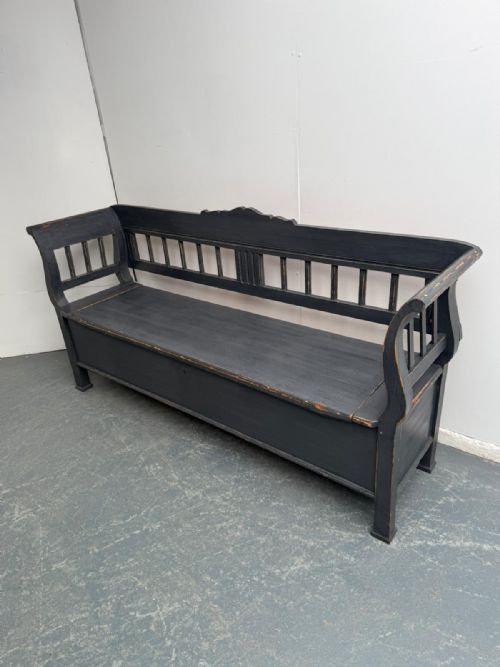
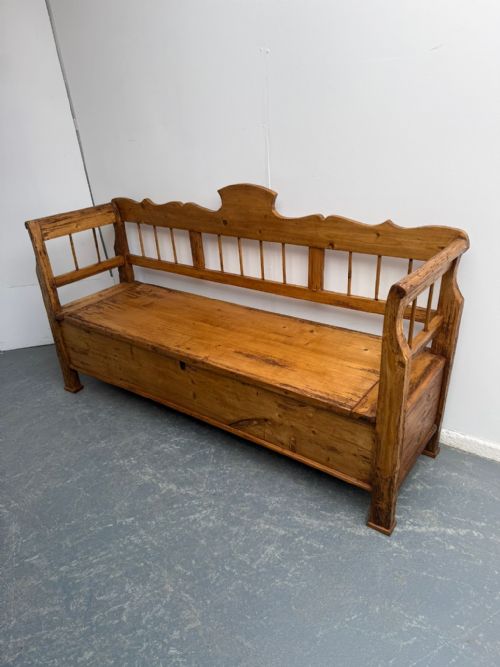


Traditional Entry Bench
A traditional entry bench sets the tone for a home, offering a practical seat and often hidden storage as visitors step inside.
Traditional Entry Bench
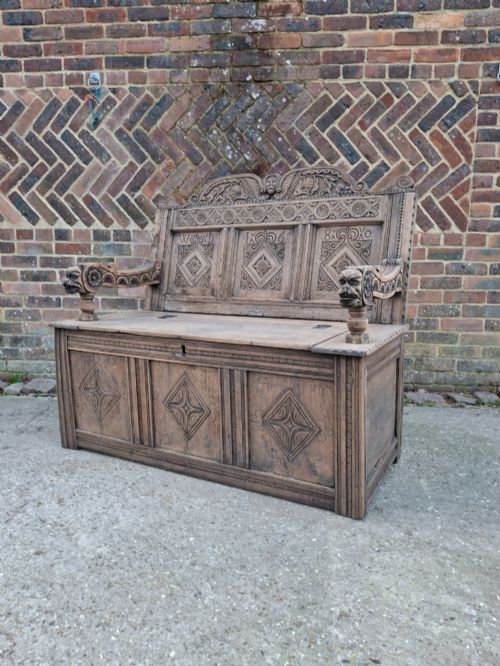
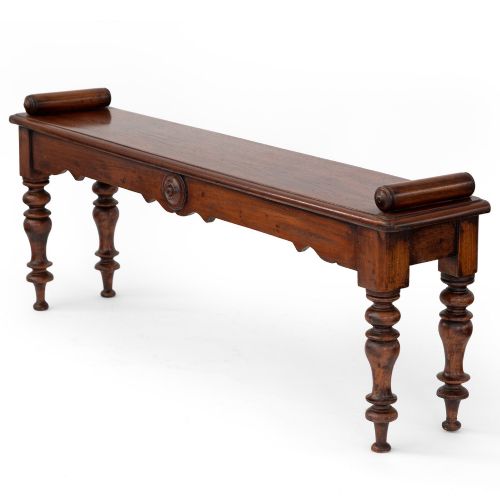
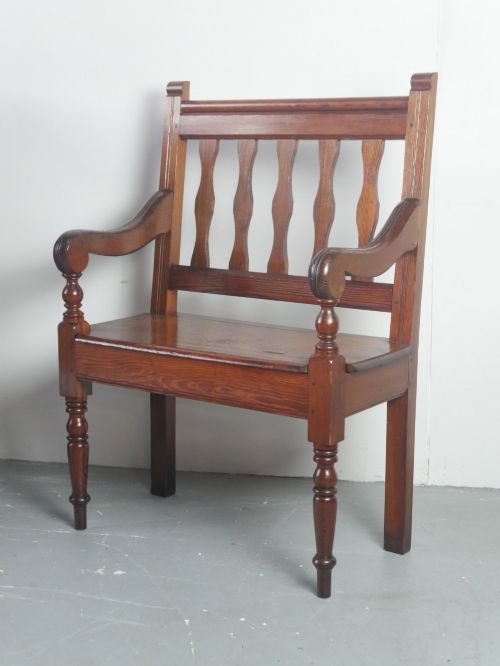
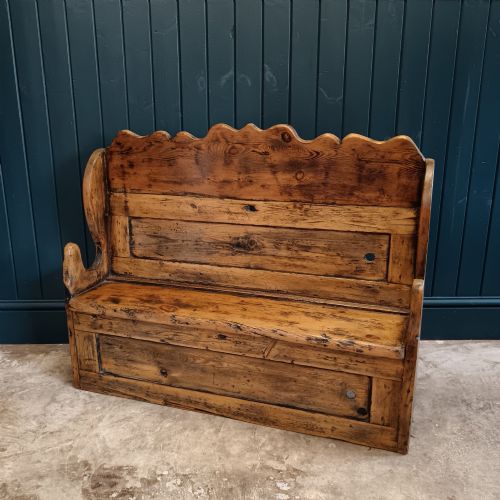
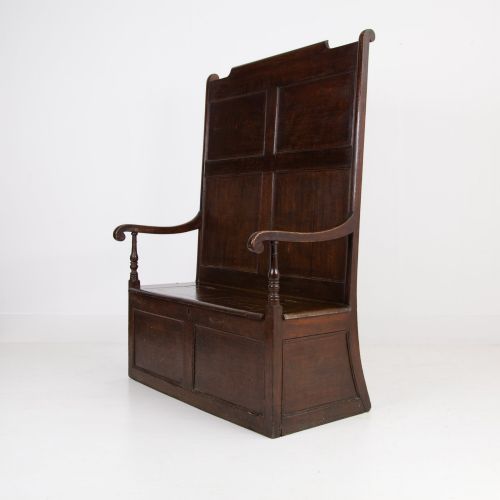
A traditional entry bench encompasses a range of seating forms designed for hallways, vestibules and passages, drawing from vernacular and formal cabinet-making traditions. Buyers encounter everything from simple pine tavern benches to high-backed oak settles and mahogany window seats.
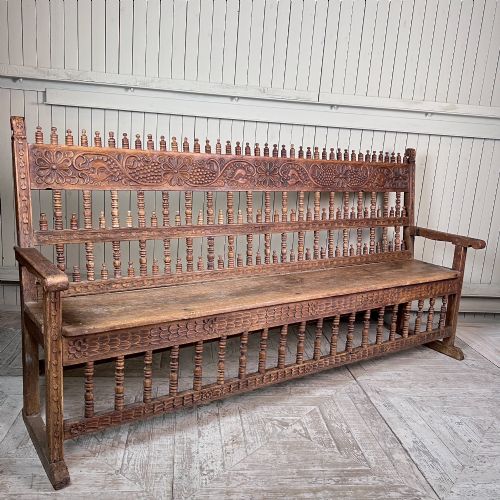
The pieces span multiple centuries, with significant representation from the eighteenth and nineteenth centuries, alongside examples from the early twentieth century. Regional variations include English country pieces, Hungarian box settles and continental European painted benches.
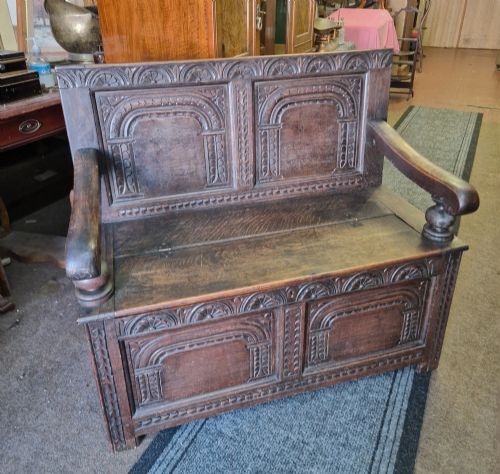
Domestic requirements dictate the form, balancing the need for a narrow profile against the utility of enclosed storage boxes or open frames. Many examples incorporate panelled backs or hinged seats designed to contain cloaks, boots and household items.
Materials and Construction
Solid timbers form the structural core of these benches, with pine, oak, elm and mahogany utilised according to the period and region of manufacture. Cabinet-makers employed traditional joinery techniques such as mortise and tenon frames, panelled backs and dovetailed storage boxes.
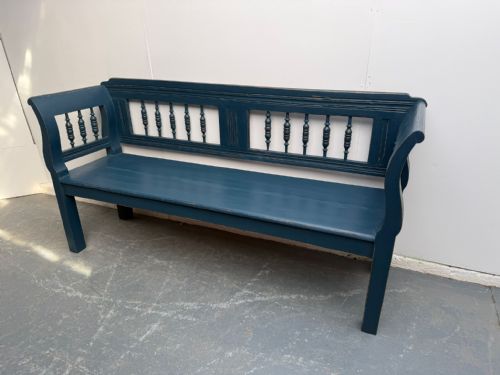
Surface treatments vary from waxed and polished hardwoods to historic painted finishes in grey, cream, blue and green. Secondary woods often support primary facades, while iron fixings secure hinges and structural joints on heavy box settles.
Traditional Entry Bench Retail Price Guide 2026
Typical asking prices for traditional entry bench among the pieces listed under this phrase on Sellingantiques today, from the lower quarter to the upper quarter. They describe what is for sale here now, not the wider market.
East European pine benches double as secret sleeping platforms for tired travellers.
Judgement of Quality
Integrity of timber and originality of surface finish determine the standing of an entry bench within its type. Pieces retaining their original paint layers or deep patinated wax hold greater architectural and historical interest than those stripped or overly restored.
Proportion and scale distinguish fine vernacular and formal examples from utilitarian workshop output. The crispness of carved details on oak settles or the elegant turnings on walnut and mahogany frames indicate the maker's skill.
The Traditional Entry Bench Glossary
- Settle
- A wooden bench with a high back, solid arms and often a box base beneath the seat. This form protected sitters from draughts in corridors and hall spaces.
- Box Settle
- A bench featuring a hinged seat lifting to reveal a storage compartment underneath. It served as a multi-functional piece for seating and domestic storage.
- Vernacular
- Objects made by local craftsmen for everyday use, following regional traditions rather than high-style metropolitan designs. These pieces rely on available local timbers like pine, elm and oak.
- Window Seat
- A long bench proportioned specifically to sit within the recess of a window bay. Formal examples often appear in mahogany or walnut with upholstered or cushioned surfaces.
Traditional Entry Bench: Frequently Asked Questions
What is a traditional entry bench used for?
These benches provide functional seating in hallways, entryways and narrow passages while offering a surface for removing footwear.
Many styles also include internal compartments beneath the hinged seat for storing boots, scarves and household gear.
How do I identify an eighteenth-century settle?
Eighteenth-century examples typically feature heavy oak or pine construction with pegged joints and hand-planed panels.
Box settles from this period often display simple panelled backs designed to keep out cold draughts in unheated halls.
Are painted finishes on these benches original?
Historic painted surfaces appear in various regional traditions, particularly on continental European and Hungarian pine pieces.
Examining the wear patterns and underlying layers helps determine whether a painted grey, blue or cream finish dates to the period of manufacture.
How do I fit a bench in a narrow hallway?
Slim hall benches and window seats offer shallow depths suited to confined passageways without obstructing movement.
Measuring the clearance for hinged box seats ensures the lid can open fully against the wall.