
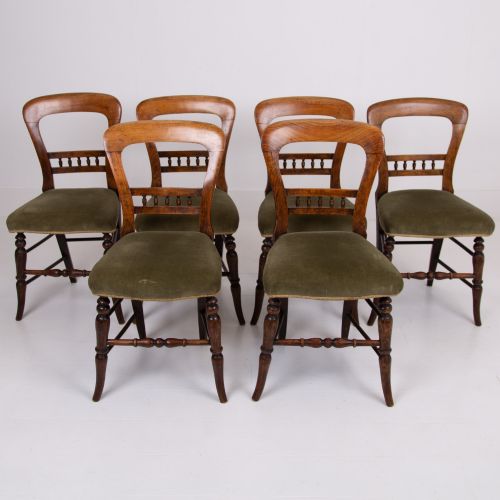
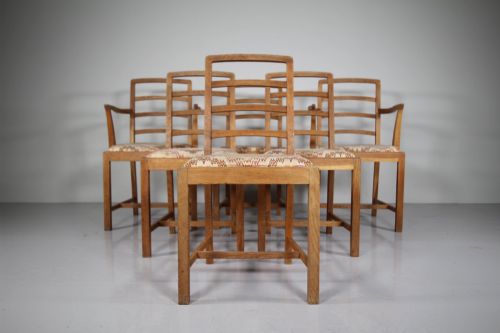
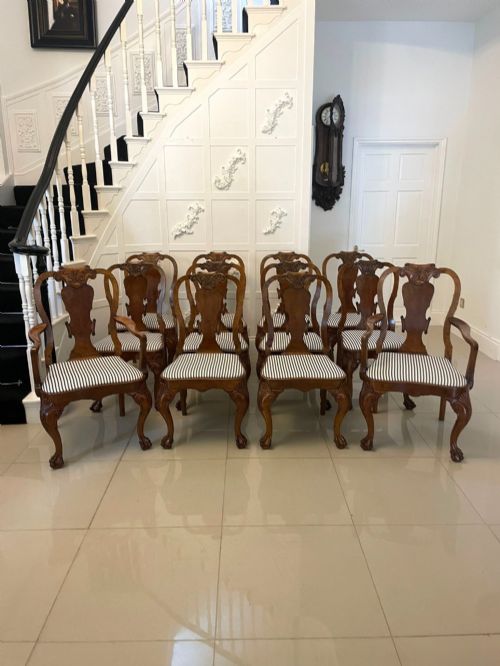
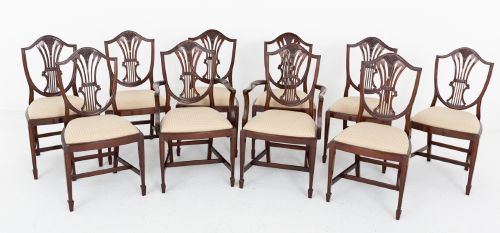
Traditional Dining Set
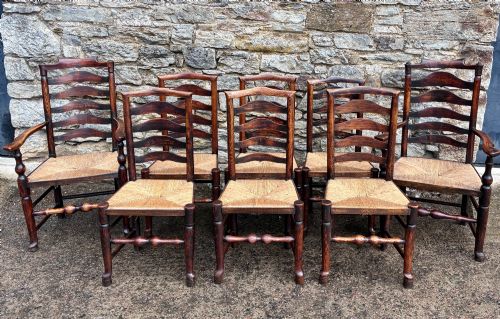
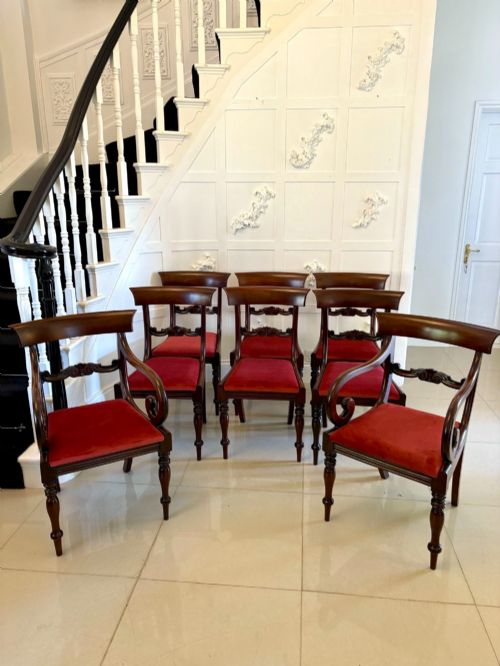
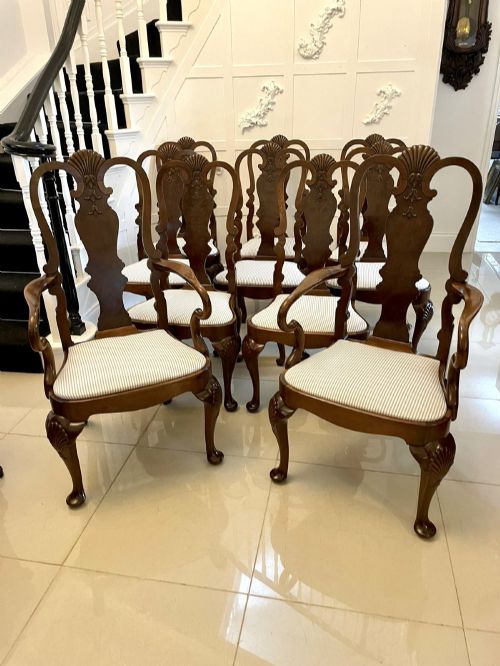
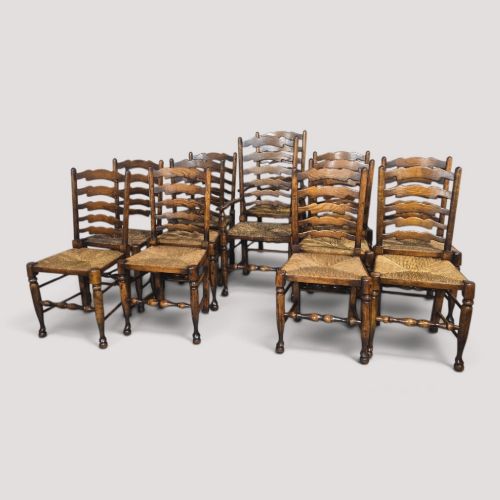
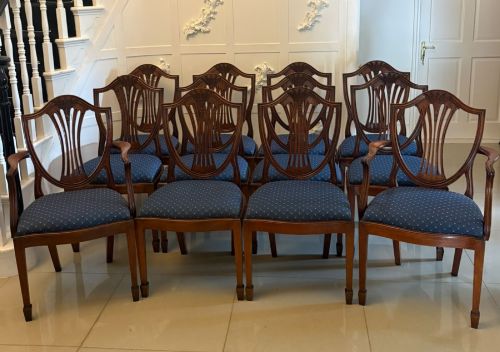
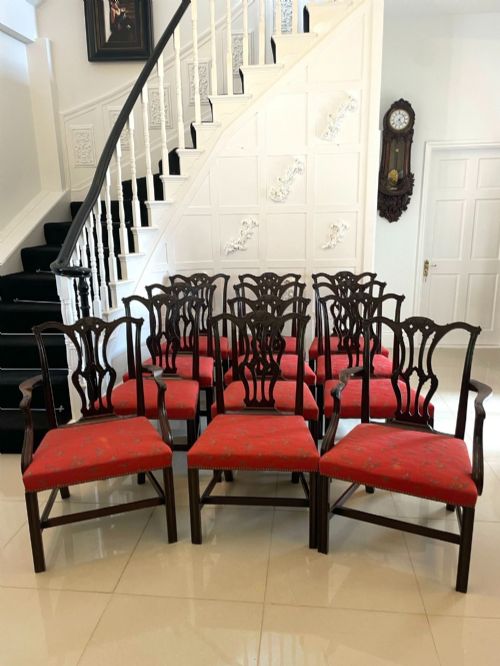
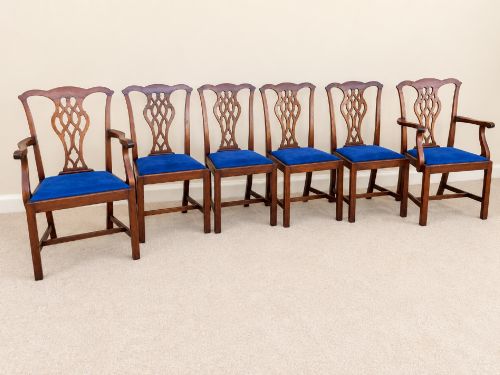
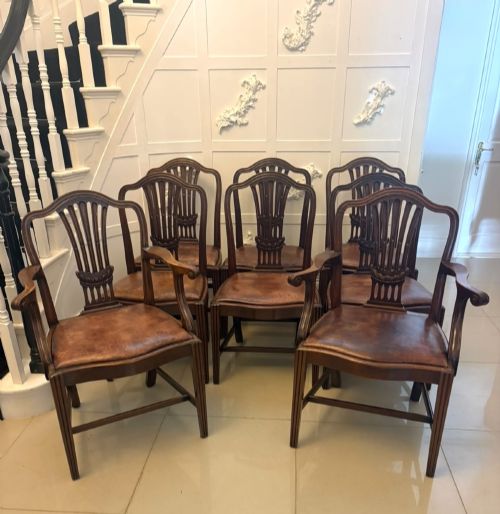
These traditional dining sets are matched groups of antique chairs and tables formed from timbers like mahogany and oak to anchor a room.
Traditional Dining Set
A traditional dining set brings together matched seating and tables designed for formal meals and daily gatherings. Buyers browsing for a traditional dining set encounter groupings originating primarily from the Victorian and Edwardian eras alongside earlier Regency influences.
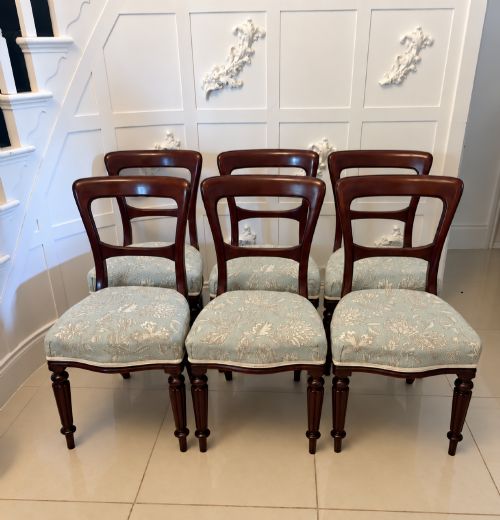
Most configurations on offer consist of sets ranging from four to twelve chairs, frequently including armchairs termed carvers alongside side chairs. Woods like mahogany and oak dominate the forms, supplemented by country regional styles in elm, beech, and ash.
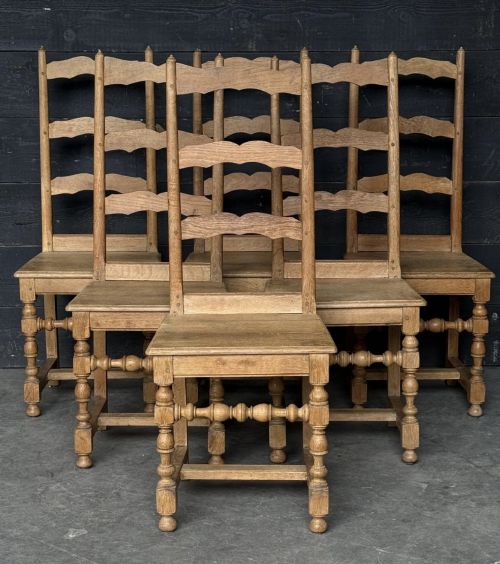
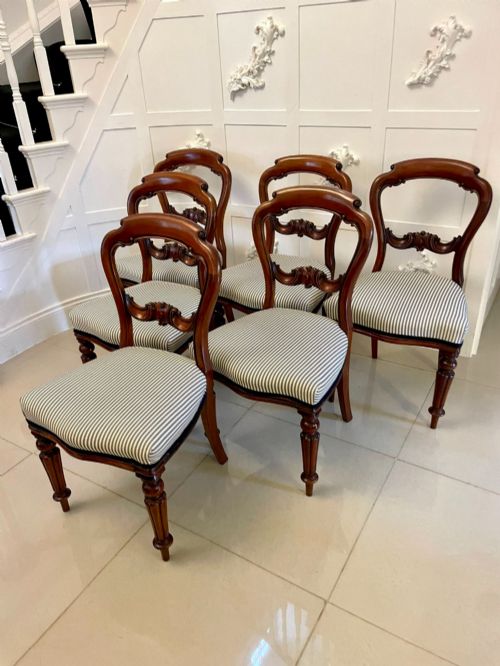
Regional variants such as Windsor kitchen chairs and ladder backs sit alongside formal shield back and balloon back designs. These ensembles reflect domestic dining habits across the nineteenth and early twentieth centuries.
Construction and Materials
Cabinetmakers constructed these seating groups using dense hardwoods selected for structural resilience under daily use. Mahogany, oak, walnut, and rosewood form the rigid frames of formal urban sets, while country versions utilise combinations of elm, beech, and ash.
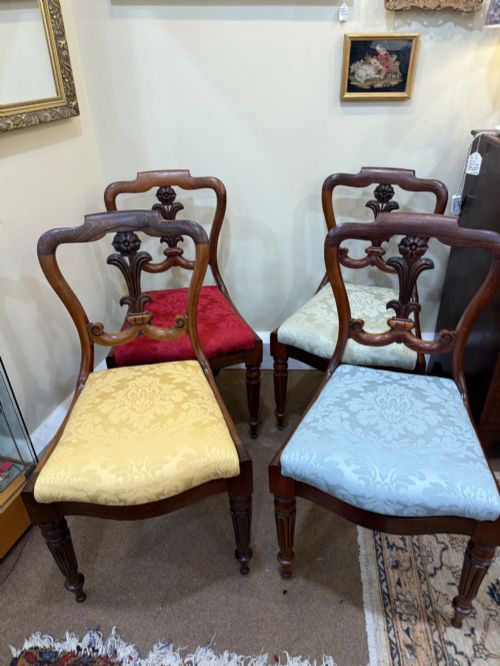
Joinery methods rely on traditional mortise and tenon joints secured without metal fasteners. Turning, carving, and steam-bending shape the components, from reeded legs and pierced splats to curved Windsor backs and rush-woven seats.
Materials represented across the inventory include mahogany, oak, rosewood, walnut, elm, beech, ash, rush, and upholstery fabric.
Factors of Quality
The degree of hand-carving and the selection of timber figure separate standard production from exceptional work. Sets featuring burr walnut veneers, flame mahogany, or deeply carved details demonstrate greater artisan investment.
Consistency across a matched group determines the integrity of the ensemble. Sets that retain their original number of components and matching timber grain across every chair command greater attention from collectors.
Heals of London·M. D. Miller and Sons Nottingham
The Traditional Dining Set Glossary
- Carver
- An armchair designed with armrests, traditionally placed at the head of a dining table.
- Splat
- The vertical central strip of wood down the middle of a chair back, often carved or pierced.
- Reeded
- A decorative moulding consisting of parallel convex strips carved into timber legs or rails.
- Windsor
- A chair constructed with a solid wooden seat into which the legs and back spindles are wedged directly.
- Shield Back
- A chair back shaped in the outline of a heraldic shield, popular in late eighteenth and nineteenth-century designs.
Traditional Dining Set: Frequently Asked Questions
How do I care for antique wood dining chairs?
Maintain timber finishes by applying natural beeswax periodically and avoiding direct placement near heat sources or bright sunlight. Gentle cleaning with a soft, dry cloth preserves the patina built over decades of use.
Ensure chairs remain stable by checking leg joints regularly. Professional conservation prevents minor looseness from developing into structural damage.
What is the difference between carvers and side chairs?
Carvers incorporate supportive armrests and sit at either end of the dining table for hosts. Side chairs lack arms, allowing multiple seats to tuck neatly along the table flanks.
Traditional sets typically pair a larger number of side chairs with two matching carvers to complete the formal arrangement.
How can I date an antique dining set?
Examine the timber species, tool marks, and construction joints to estimate the period of manufacture. Styles evolved from Regency curves and heavy Victorian mahogany carvings toward Edwardian lightness and 1920s revival interpretations.
Wear patterns on foot rails and seat edges offer further clues regarding age and frequency of use.
Are these sets suitable for everyday use?
Solid hardwood construction ensures these historical groupings withstand regular daily dining. Robust joinery allows them to function reliably in modern households.
Using felt pads on chair legs protects both the furniture feet and modern flooring surfaces from unnecessary friction.