

Traditional Crystal Ceiling Fixture
A traditional crystal ceiling fixture brings light through cut glass and metal to a room, offering period presence from the nineteenth and early twentieth centuries.
Traditional Crystal Ceiling Fixture
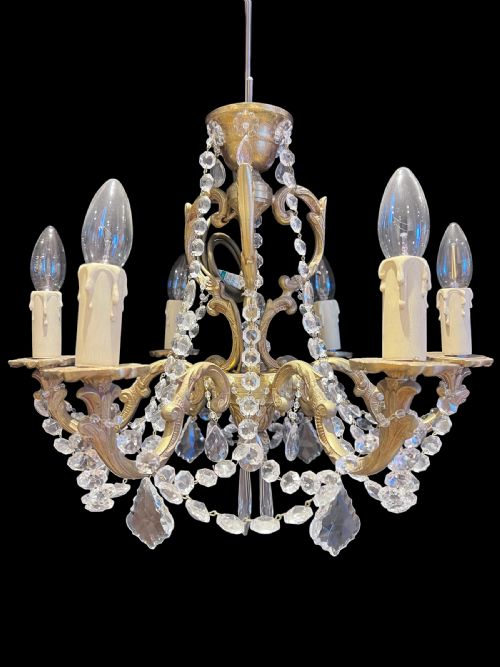
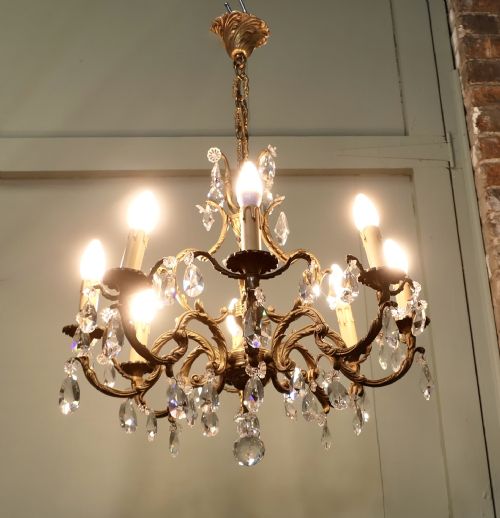
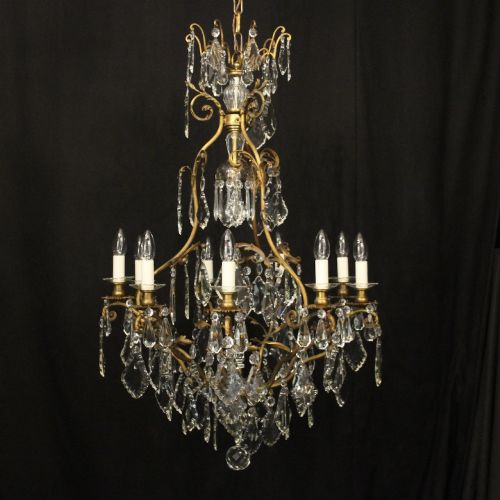
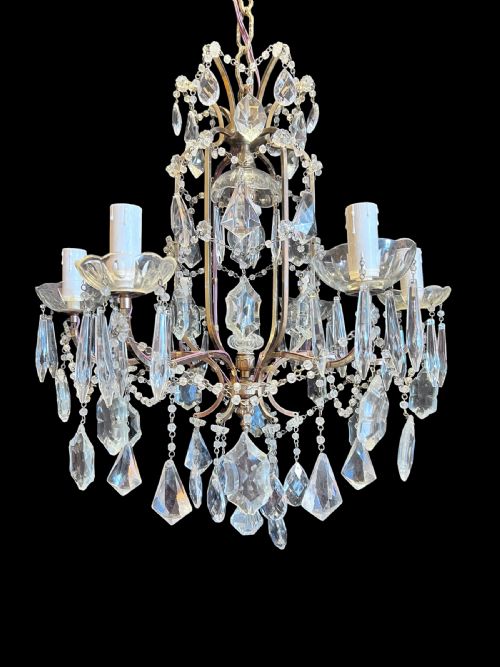
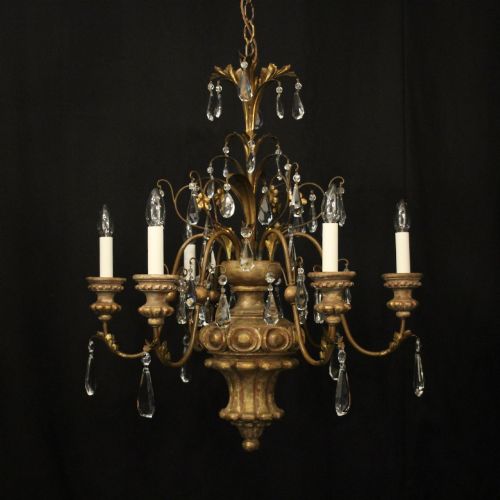
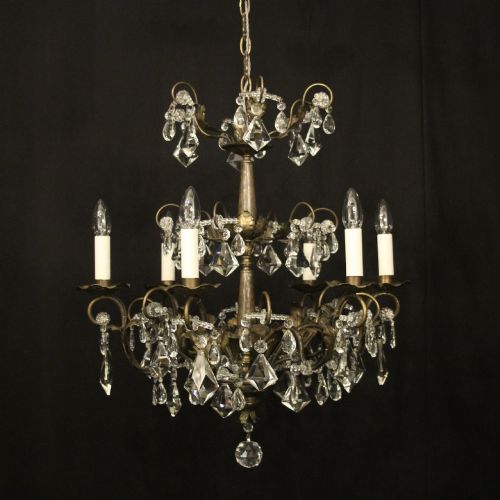
A traditional crystal ceiling fixture encompasses chandeliers, plafonniers and pendant lights originating from periods spanning the late nineteenth century into the 1930s. Buyers encountering these pieces will find heavy metal frames dominated by French, Italian and English design influences, ranging from compact flush-mount styles to multi-tier chandeliers.
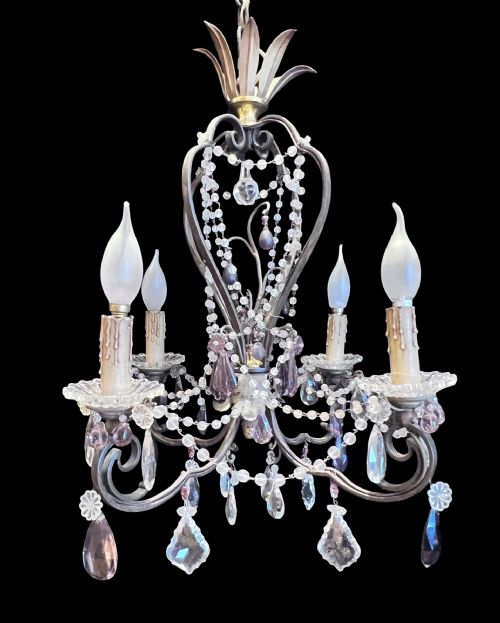
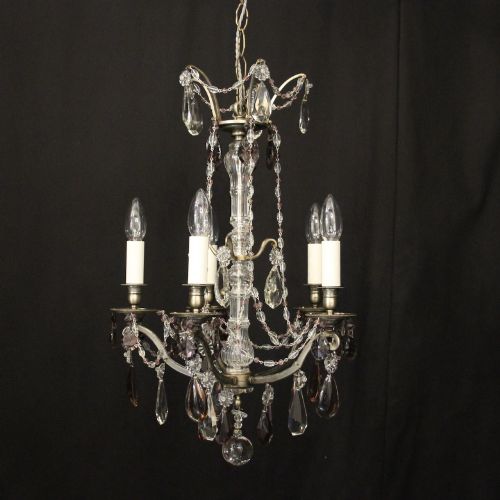
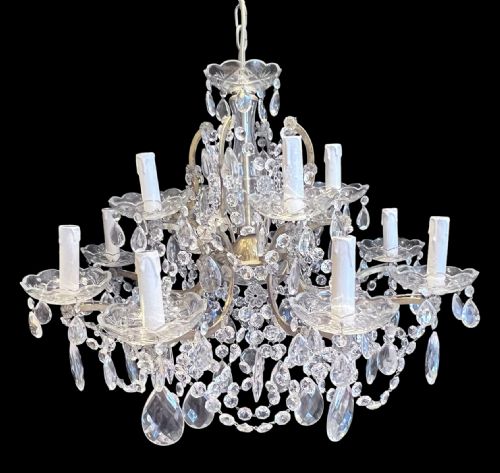
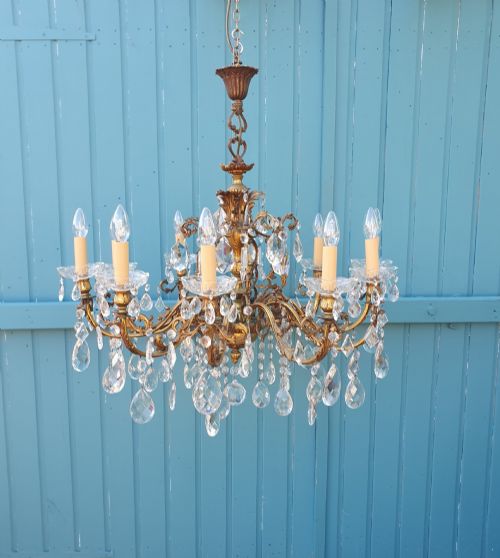
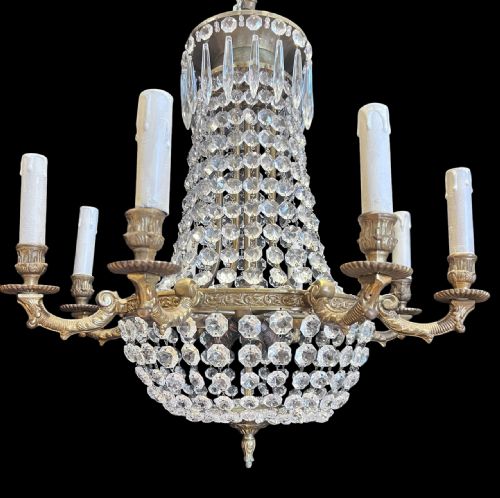
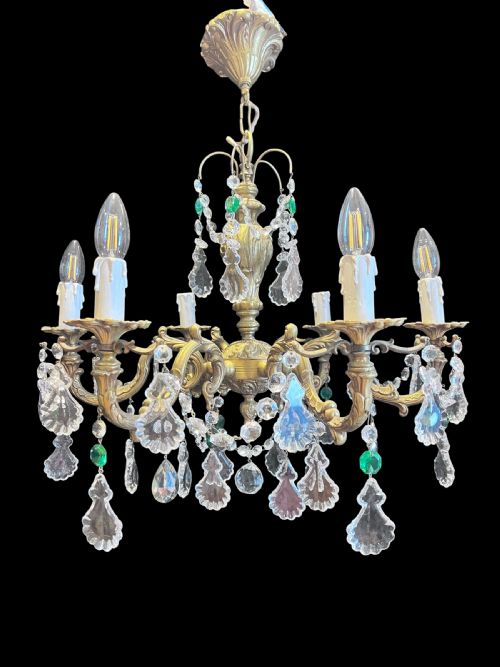
The most common forms on this page include multi-light brass and gilt bronze chandeliers hung with crystal lustres, alongside simpler ceiling-mounted glass plafonniers. These fixtures bring decorative illumination to rooms through drop crystals, beaded arms and cut glass components.
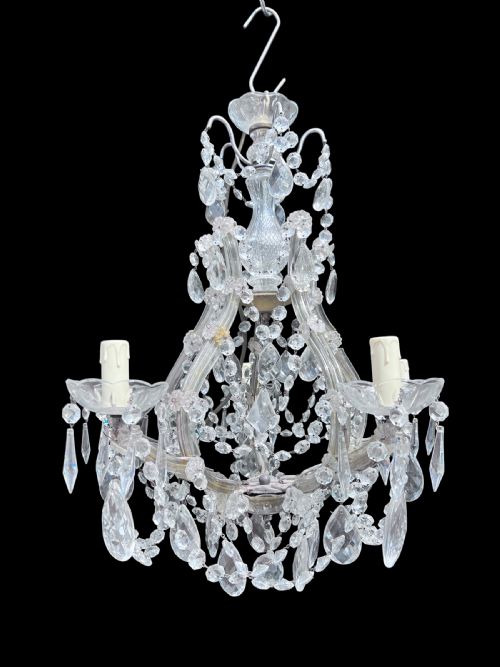
Origins stretch across European workshops, with French chateau and rococo models appearing alongside Italian Florentine pieces and English cut glass designs. Each object reflects the prevailing interior aesthetics of its decade, utilising traditional hanging configurations such as cage, bag, tent and waterfall formats.
Materials and construction methods
Workshops built these fixtures using structural metal frames of brass, gilt bronze, wrought iron and toleware to support the considerable weight of glass components. Metal arms and rings were cast or forged before being gilded, silvered or left in their natural dark brass finish.
Glass elements combined moulded crystal glass, hand-cut crystal drops, beads and teardrops suspended from the metal armature. Individual pieces were wired together using metal pins or wire loops to create cascading lustre arrangements and beaded shade covers.
Several chandeliers incorporate unexpected coloured crystal teardrops and amethyst glass, proving that historic lighting designers enjoyed a vibrant palette.
Distinguishing quality across examples
Quality separates through the purity and depth of the glass cutting, where sharper facets and higher lead content produce greater light refraction. Simpler pressed glass drops sit at one end of the scale, while deeply hand-cut crystal prisms occupy the other.
The intricacy of the metalwork defines the upper tier, distinguishing cast gilt bronze frames and detailed chased brass from basic stamped metal armature. Heavier, more complex armatures securely bear numerous light sources without structural flex.
The Traditional Crystal Ceiling Fixture Glossary
- Plafonnier
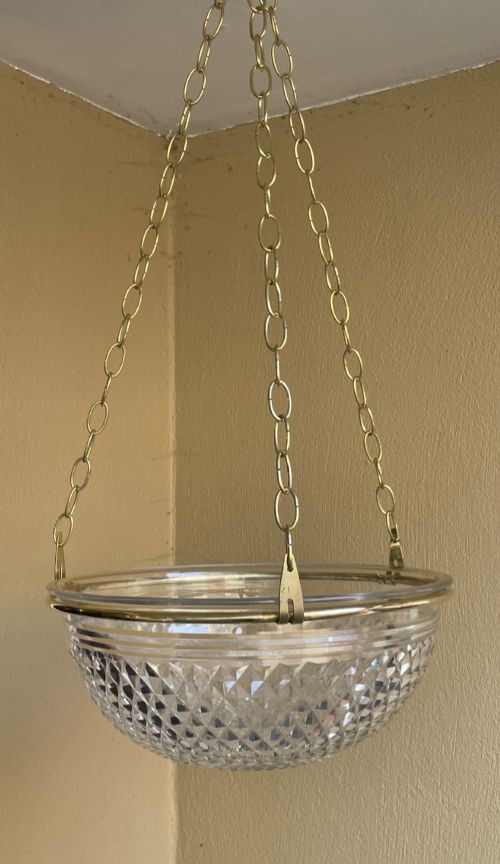
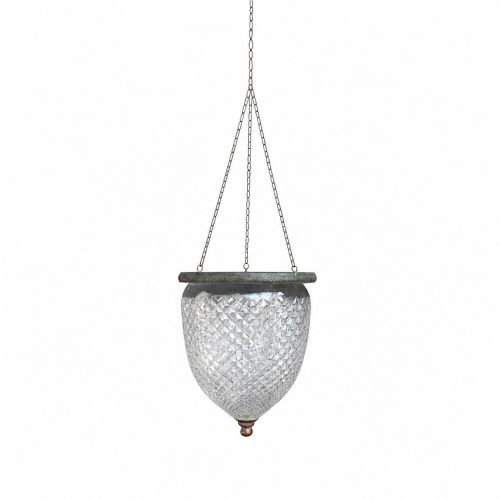
- A ceiling light that mounts directly to the surface rather than hanging on a chain or drop rod. These often feature a glass bowl or dome held within a metal rim.
- Lustre
- A cut glass pendant or teardrop hung from a chandelier to reflect and multiply the light. They appear in various shapes including spikes, tears and flat plates.
- Bag chandelier
- A lighting fixture where the lower portion of crystals forms a rounded, bag-like shape beneath the frame. The dense clustering of drops creates a solid profile.
- Toleware
- Painted or enamelled sheet metal used for decorative components on frames. It introduces coloured elements to otherwise metallic fixtures.
- Gilt bronze
- Bronze metal treated with a thin layer of gold or gold-coloured alloy for a bright metallic finish. It provides a durable base for ornate chandelier castings.
Traditional Crystal Ceiling Fixture: Frequently Asked Questions
How do I hang a heavy crystal chandelier safely?
Hanging a heavy fixture requires securing the ceiling hook directly into a ceiling joist or utilising a metal crossbar brace capable of supporting the combined weight of metal and glass. Professional installation ensures the electrical wiring safely handles the multi-light load.
Weight distribution matters because models with numerous glass drops and bronze frames exert significant downward pull. Checking the ceiling structure prevents any displacement over time.
What periods do these ceiling fixtures come from?
The listings span from the late nineteenth century, including late Victorian pieces, through Edwardian designs and into the early twentieth century up to the 1930s. These decades incorporate styles such as French rococo, empire and Italian baroque revivals.
Distinguishing between the periods relies on examining the metal finishing techniques and the specific cut of the crystal drops. Earlier nineteenth-century examples often feature heavier bronze work, while 1920s and 1930s pieces lean towards streamlined gilt brass frames.
How do I clean a traditional crystal fixture?
Cleaning involves wiping individual glass drops with a mild solution of warm water and a gentle cleaning agent while the pieces remain attached, or removing them entirely for soaking. Drying each drop with a lint-free cloth restores maximum light refraction.
Avoiding harsh chemical sprays protects the antique gilt and brass finishes on the metal frame from damage. Regular dusting prevents grime accumulation in the complex crystal junctions.