



Traditional Cottage Seating
Traditional cottage seating brings sturdy country character indoors, offering time-tested forms built for everyday domestic life.
Traditional Cottage Seating
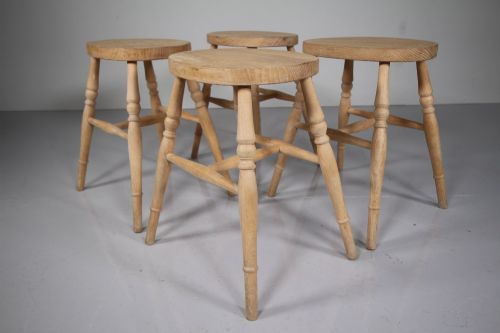
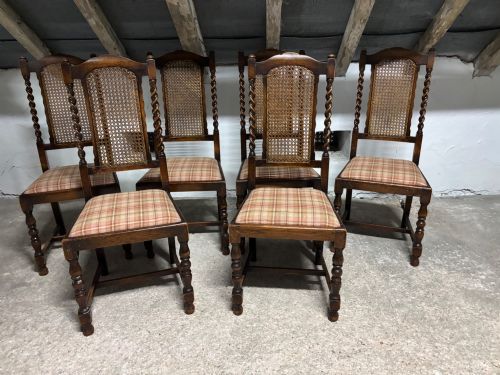
Traditional cottage seating comprises practical dining chairs, armchairs, benches, settle benches, and stools designed for functional rustic interiors. These pieces largely date from the nineteenth century, including Victorian, Edwardian, and Georgian eras, alongside occasional earlier revivals.
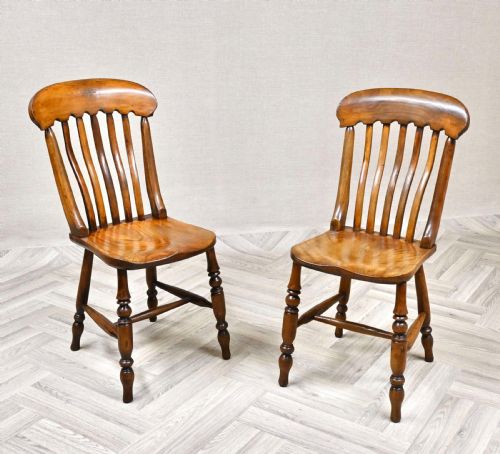
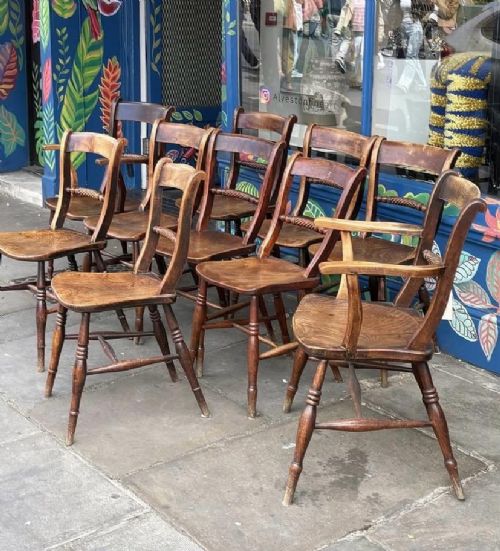
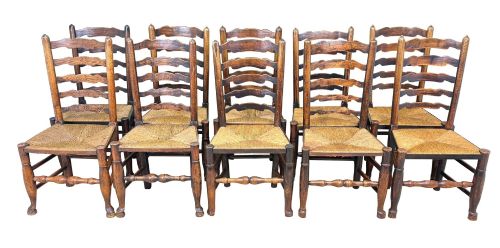
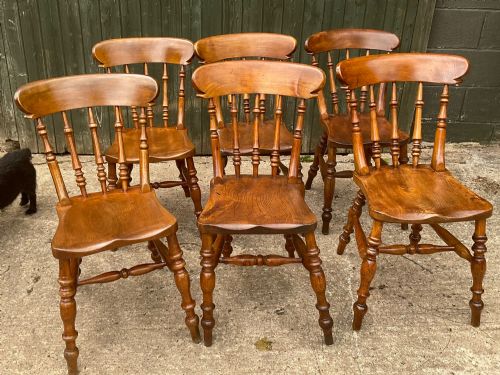
Buyers most frequently encounter Windsor-style kitchen chairs and ladderback farmhouse designs on this page. These everyday forms reflect English and Irish country vernacular traditions, constructed for utility in kitchens and dining spaces.
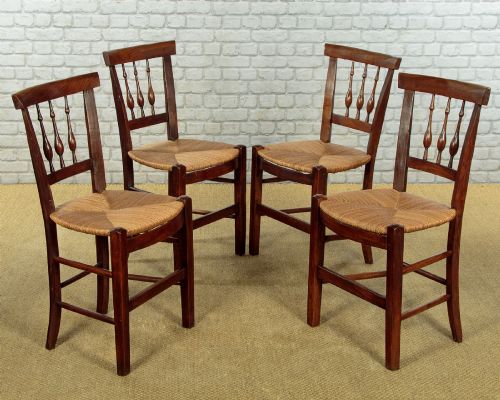
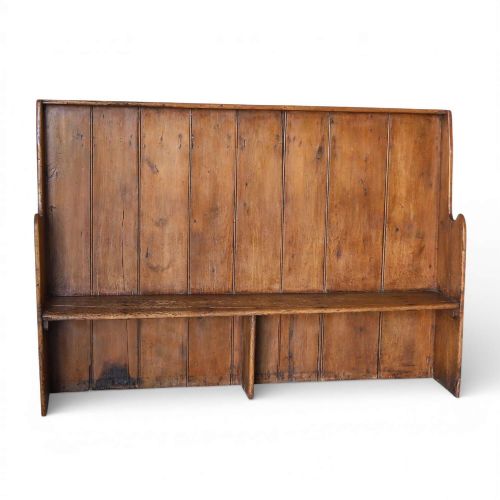
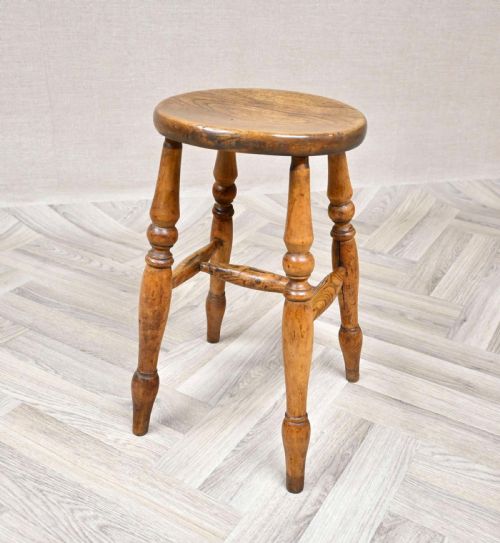
The selection extends to specialised items such as rush seat dining chairs, spinning stools, and high-back settle benches. Each type demonstrates straightforward regional joinery intended to withstand robust daily use.
Materials and construction
Maker traditions rely heavily on native timbers such as elm, ash, beech, and oak, often paired in a single piece. Elm frequently provides sturdy seats, while ash and beech form responsive spindles, legs, and bentwood components.
Seating surfaces frequently incorporate woven rush or plaited straw, known locally as súgán, secured directly to wooden frames. Structural integrity relies on traditional pegging, turning, and stick-back joinery rather than complex machinery.
The page includes regional variations from English country workshops alongside traditional Irish súgán-seated ladderback chairs.
Assessing quality and character
Quality rests in the harmony of the timber selection and the integrity of the original joints. Superior examples maintain balanced proportions and tight structural connections across stick-back and Windsor frames.
Surface finish plays a major role, distinguishing pieces with natural patination, honey brown tones, or historic paint applications from later alterations. Original rush or plaited straw seating also elevates the integrity of country chairs.
Worksop Allsop·Ormskirk
The Traditional Cottage Seating Glossary
- Windsor
- A chair style featuring a solid wooden seat into which the legs and back spindles are separately inserted. This construction provides robust support through simple geometric principles.
- Settle bench
- A high-backed wooden bench originally designed to block draughts in farmhouse halls and kitchens. These pieces often incorporate enclosed storage beneath the seat.
- Rush seat
- A seating surface woven from dried marsh rushes twisted into cords. This traditional method creates a resilient, textured pad common in vernacular country chairs.
- Spindle-back
- A chair back constructed from a series of slender turned wooden rods. These uprights distribute pressure evenly and give the piece a lighter visual profile.
- Súgán
- An Irish term for twisted straw used to form plaited seating surfaces. This rustic material offers flexible comfort on traditional regional chairs.
Traditional Cottage Seating: Frequently Asked Questions
What defines a Windsor chair?
A Windsor chair utilises a solid wooden seat bored to receive turned legs below and slender back spindles above. This distinct assembly method separates it from framed dining chairs.
Such construction yields a resilient frame well suited to everyday kitchen use and farmhouse dining.
How do I care for rush seats?
Rush seating requires dry conditions to prevent the natural fibres from dampening and weakening over time. Regular gentle dusting keeps the woven strands intact.
Avoid excessive moisture and direct heat sources to preserve the natural flexibility of the straw or rush material.
Are settle benches comfortable?
Settle benches feature high backs and solid wooden seats designed originally to shield occupants from household draughts. Cushions are often added to soften the wooden base for extended sitting.
Their upright proportions make them practical for placement against walls or in narrow hallway spaces.
How do I identify a farmhouse chair?
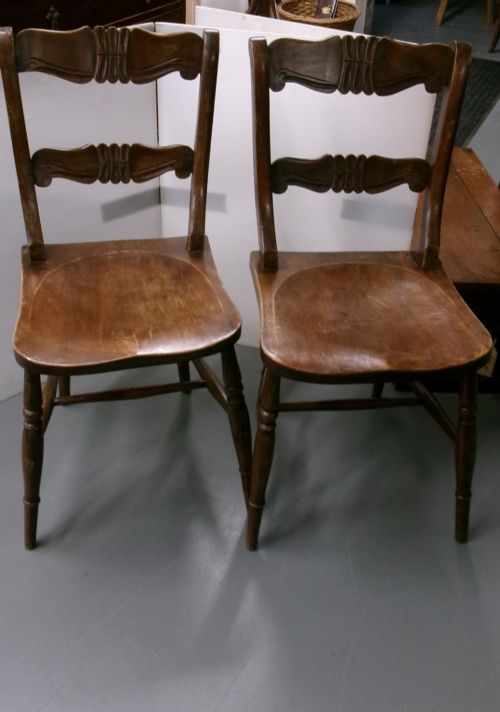
Farmhouse chairs typically display functional vernacular designs using native woods like elm, ash, and beech. They favor sturdy construction over decorative carving.
Simple ladderbacks, Windsor forms, and rush seating are key indicators of this practical country tradition.