

Traditional China Display
Traditional china display pieces encompass timber cabinets and ceramic plates designed to showcase porcelain within domestic interiors.
Traditional China Display
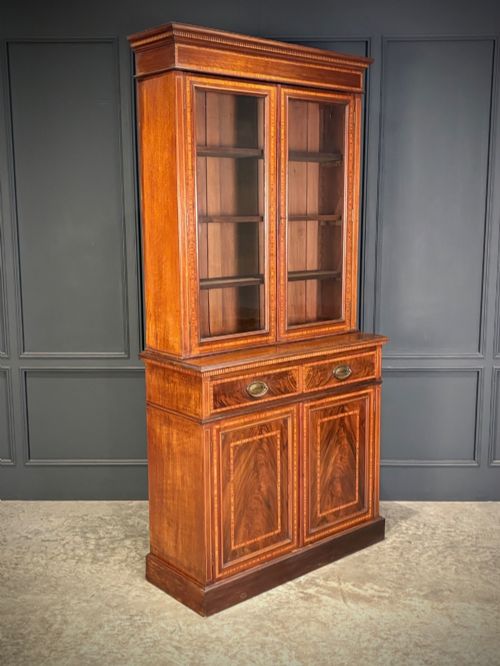
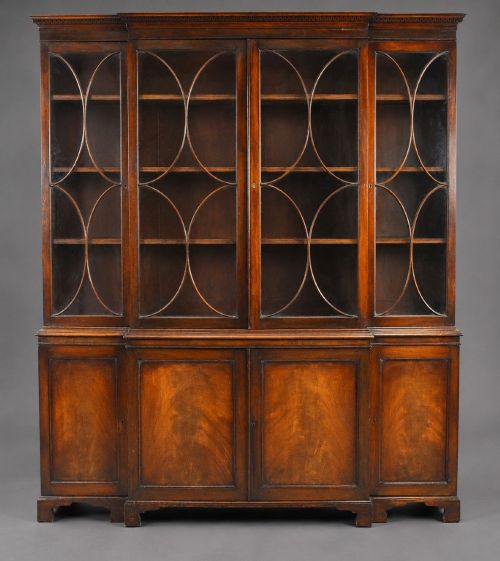
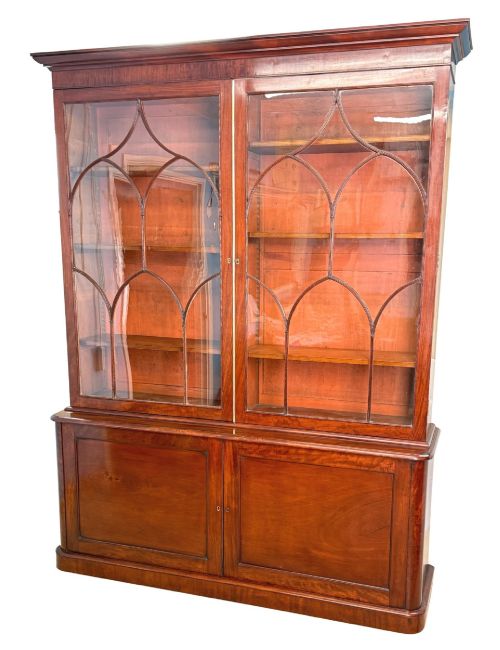
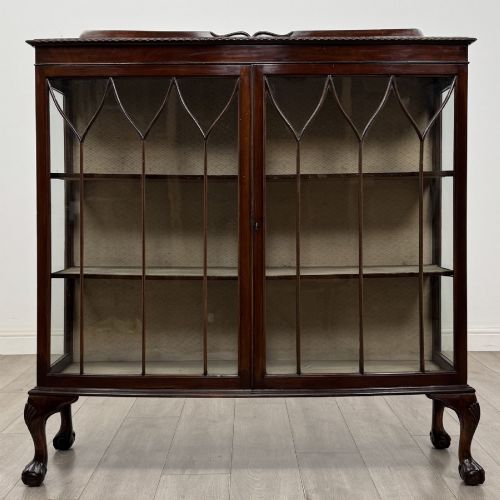
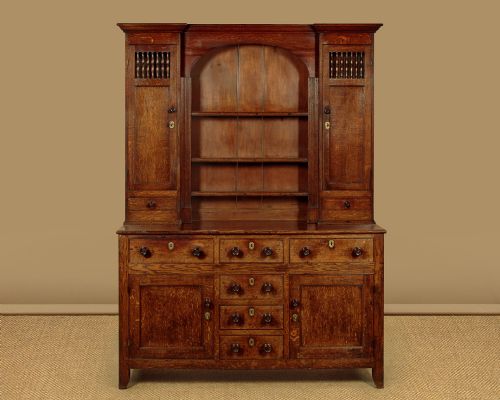
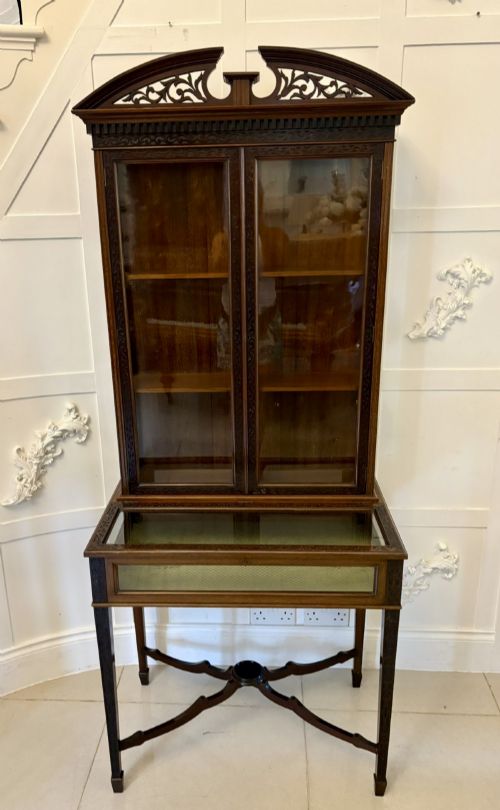
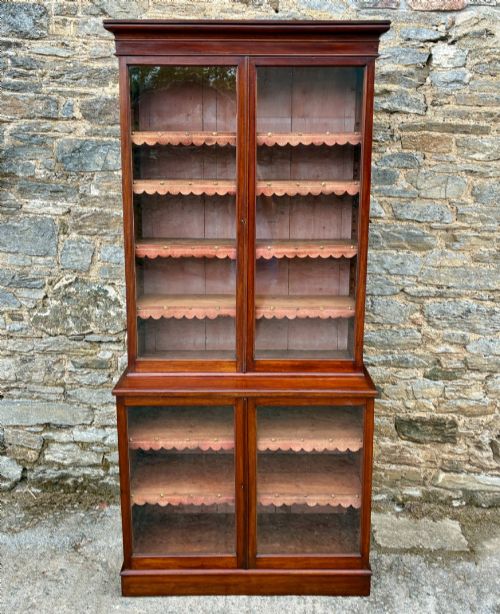
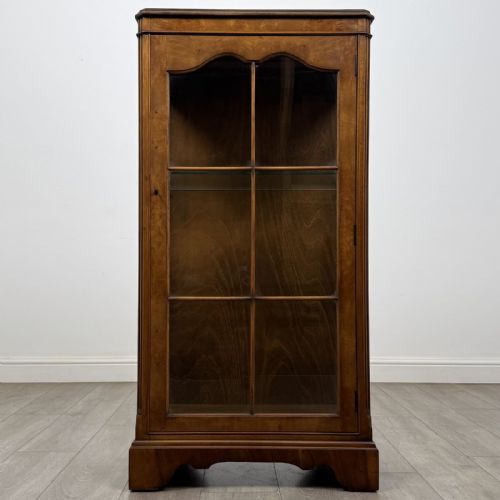
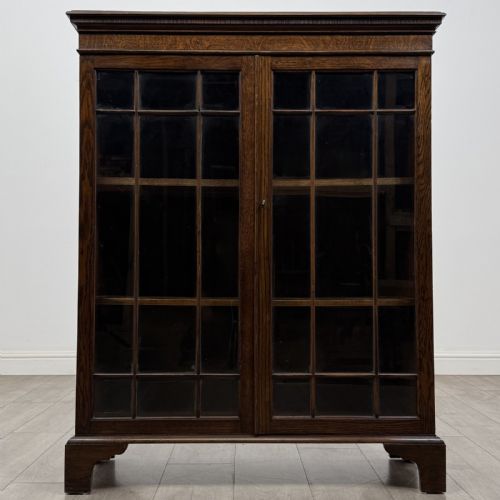
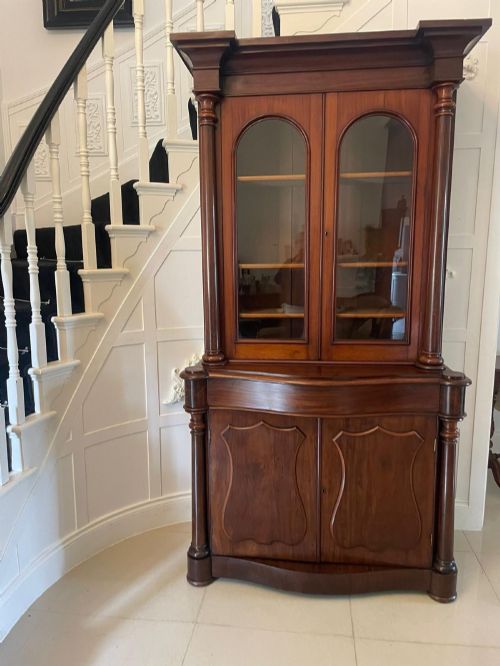
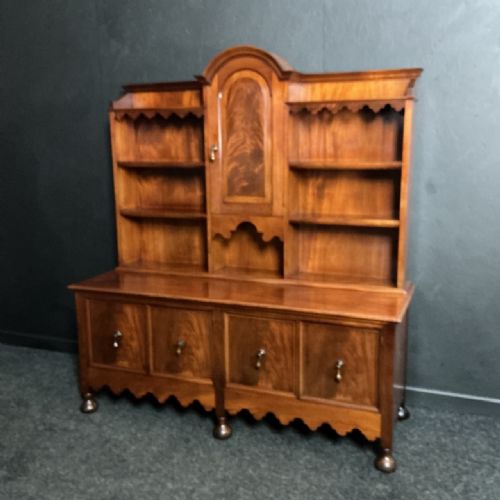
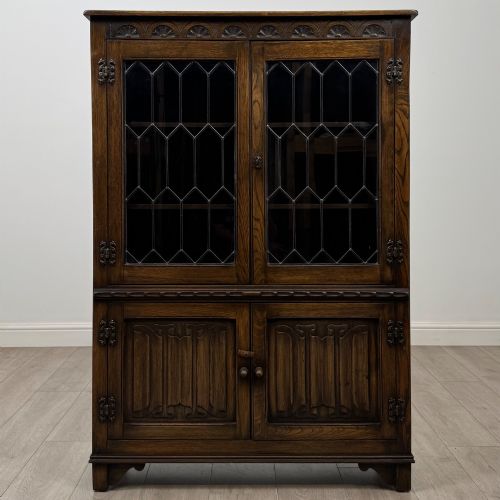
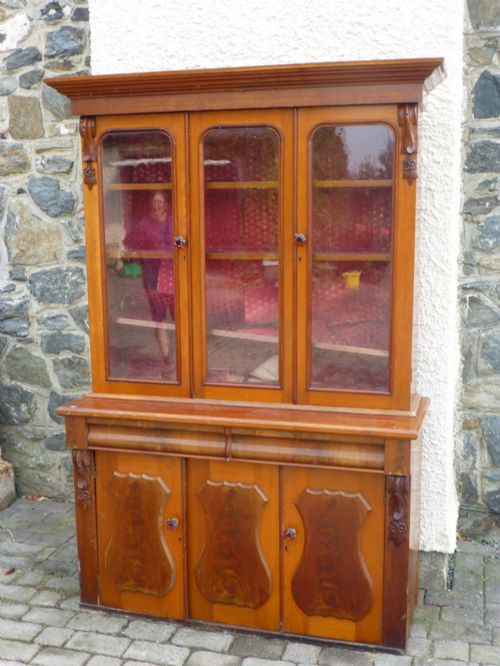
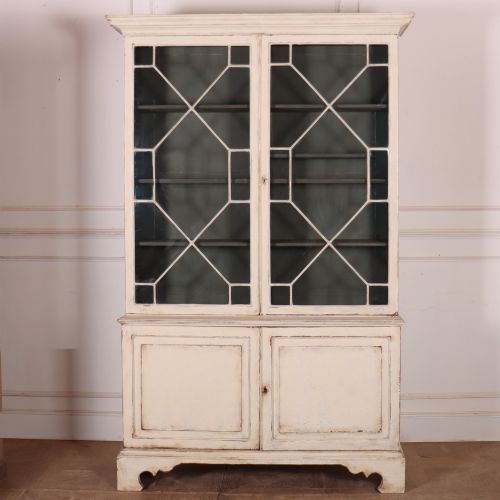
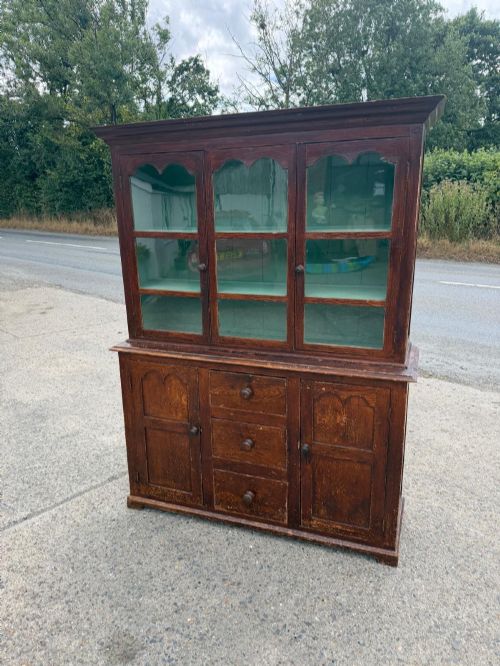
Traditional china display covers glazed cabinets, dressers, and decorative plates originating across the eighteenth, nineteenth, and early twentieth centuries. Cabinets often feature glass doors or open racks specifically built to present tableware and porcelain to visitors. Buyers encounter various forms, including corner cabinets, breakfront bookcases, and Welsh dressers with integrated plate racks.
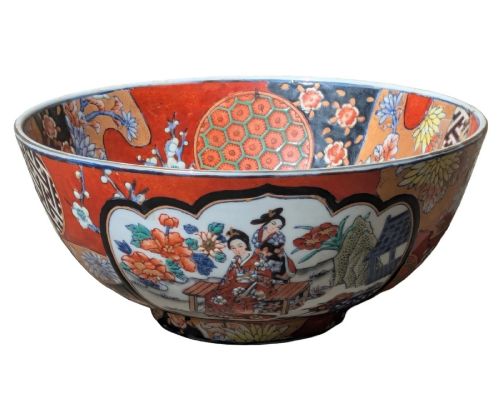
The materials and styles span Georgian, Victorian, and Edwardian periods, utilising primary timbers such as oak, mahogany, pine, and burr walnut. Many pieces exhibit regional British characteristics alongside continental imports like Dutch vitrines and Japanese Imari porcelain bowls. Buyers searching for traditional china display frequently find oak and mahogany cabinetry alongside ironstone and porcelain plates.
Forms range from compact wall-hung or floor-standing corner cupboards to large triple kitchen glazed dresser bookcases. Each object serves the dual purpose of practical storage and visible curation of household china collections. The selection reflects domestic tastes from the eighteenth century through to the interwar decades.
Materials and construction
Cabinet makers utilised solid hardwoods such as oak and mahogany, alongside softer pines and decorative veneers like burr walnut. Glazing techniques involved individual panes held by wooden glazing bars or leaded cames, frequently arranged in geometric or astral patterns. Brass hardware, such as hinges and key escutcheons, complemented the primary timber structures.
Ceramic elements within traditional china display include ironstone, porcelain, and earthenware, often decorated with hand-painted or transfer-printed motifs. Ironstone china plates provided durability for daily use, while Japanese Imari plates introduced vibrant cobalt blue and iron-red glazes. Dressers combined panelled woodwork with open plate racks designed to support ceramic plates upright.
Traditional China Display Retail Price Guide 2026
Typical asking prices for traditional china display among the pieces listed under this phrase on Sellingantiques today, from the lower quarter to the upper quarter. They describe what is for sale here now, not the wider market.
Listings feature items spanning the eighteenth century through to the nineteen-thirties, predominantly constructed from oak, mahogany, and pine.
Assessing quality and craftsmanship
Quality in cabinetry rests on the selection of timber, the precision of joinery, and the condition of the glass. Pieces exhibiting figured timbers like burr walnut or carefully matched mahogany veneers demonstrate higher workshop skill. Original glass panes, uncompromised by modern replacements, indicate better preservation.
In ceramics, the crispness of the underglaze painting and the absence of firing flaws distinguish finer plates and bowls. The integration of carved decorative panels, linenfold detailing, or canted sides elevates the execution of display furniture. Structural integrity in heavier items like kitchen dressers and breakfront bookcases ensures the longevity of the piece.
The Traditional China Display Glossary
- Breakfront
- A cabinet design where the central section projects forward from the flanking wings. This configuration breaks up the linear facade of large bookcases and display cabinets.
- Vitrine
- A glass-fronted display cabinet used primarily for exhibiting porcelain and objects of vertu. These pieces often feature glazed sides to maximise light exposure on the contents.
- Welsh Dresser
- A kitchen or dining room storage unit featuring a base of cupboards and drawers surmounted by open plate racks. It provides both concealed storage and displayed shelving for kitchenware.
- Imari
- A style of Japanese porcelain decorated in underglaze blue, iron red, and gilt. Exported widely to Europe, these plates and bowls became staples of domestic display.
- Astral Glazing
- A window or door glazing pattern utilising slender wooden bars to divide the glass into smaller panes. This technique is frequently seen on Edwardian and Georgian bookcases.
- Ironstone
- A type of durable heavy earthenware patented in the nineteenth century. It offered an affordable yet resilient alternative to porcelain for everyday dining and display.
Traditional China Display: Frequently Asked Questions
How do I clean a antique display cabinet?
Cleaning an antique display cabinet requires gentle maintenance using dry cloths for the wooden exterior and mild glass cleaner applied to a cloth rather than directly onto the glass. This prevents moisture from seeping into aged wooden frames and damaging historical finishes.
Avoid silicone-based polishes on waxed or polished timbers, opting instead for traditional beeswax applied sparingly to maintain the natural patina of the wood.
Where should I place a dresser in my home?
Dressers and display bookcases suit dining rooms, kitchens, and living areas where tableware and decorative ceramics can be easily viewed. Positioning them away from direct sunlight protects both the timber finish and the colours of displayed porcelain.
Ensure the room has stable humidity levels to prevent the warping of older timbers and the drying out of traditional wood joints.
How can I tell a Victorian cabinet from an Edwardian one?
Victorian cabinets generally feature darker, heavier timbers like solid mahogany with deeper carving and robust proportions. Edwardian pieces often display lighter oak or inlaid mahogany woods, reflecting a shift toward airier domestic interiors.
Examining the glazing bars, hardware style, and internal construction methods helps clarify the manufacturing period of each specific cabinet.