
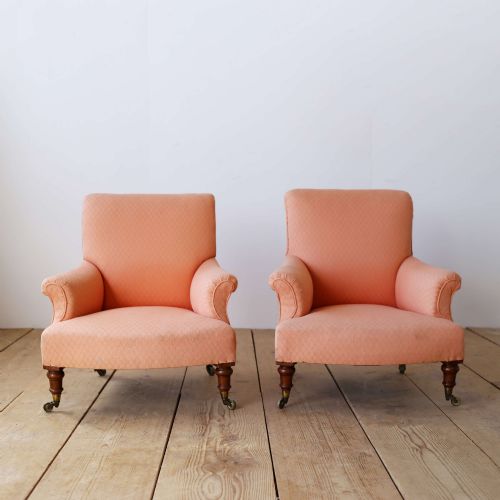
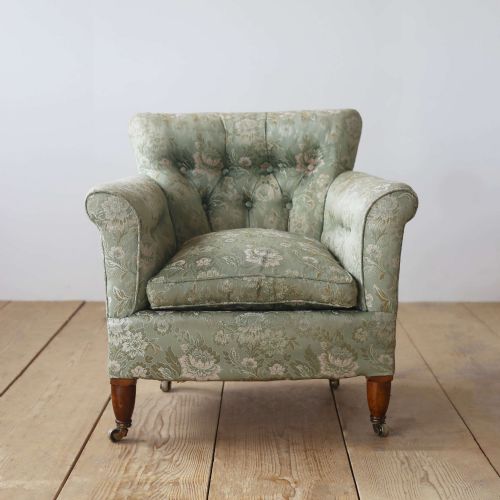
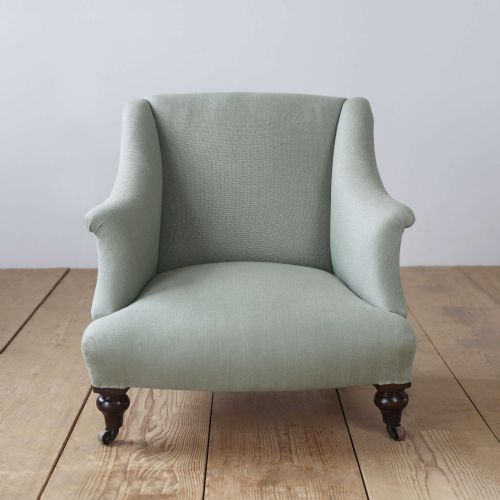
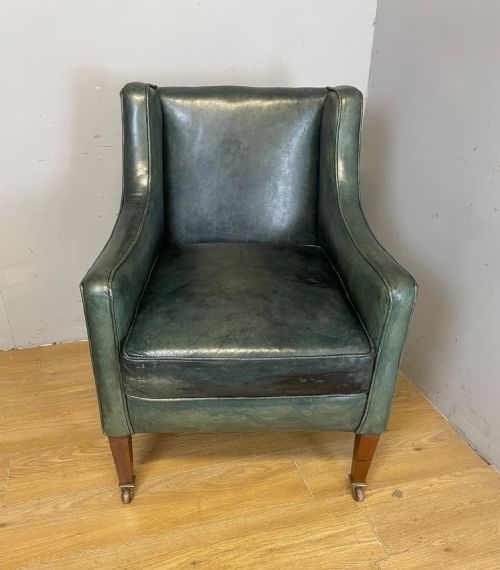
Traditional Castor Armchair
A traditional castor armchair grounds a room with deep seating and period character, bringing nineteenth-century comfort directly to your floor plan.
Traditional Castor Armchair
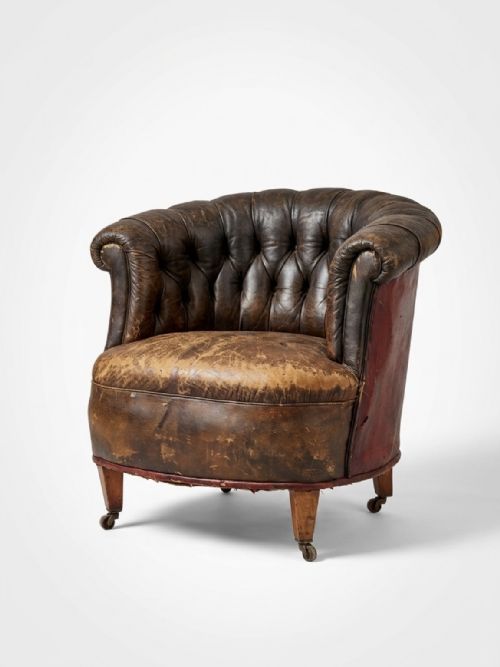
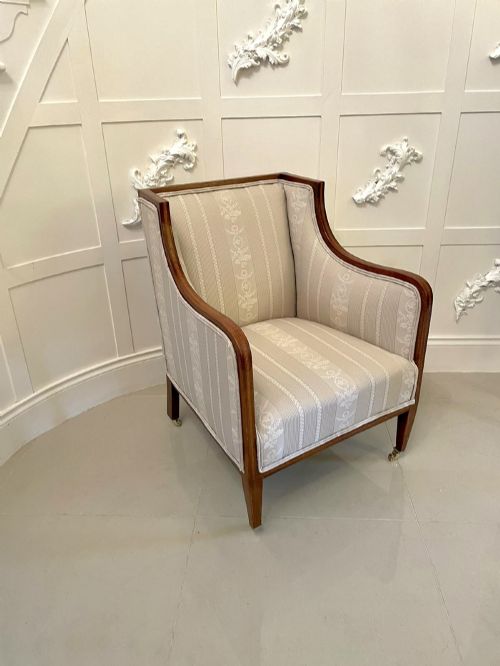
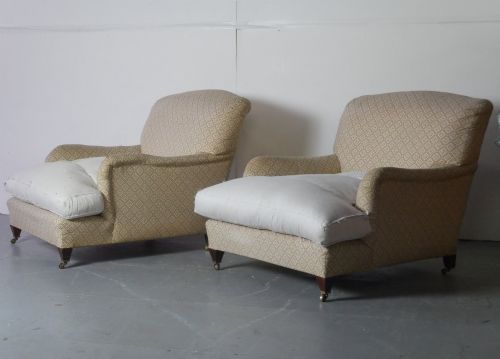
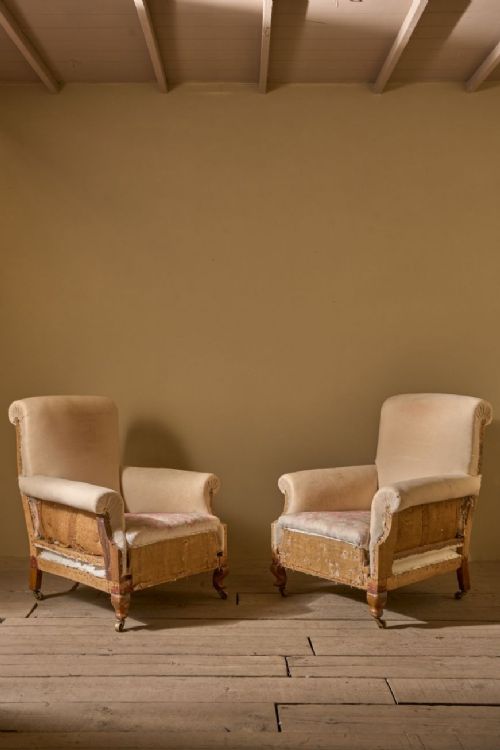
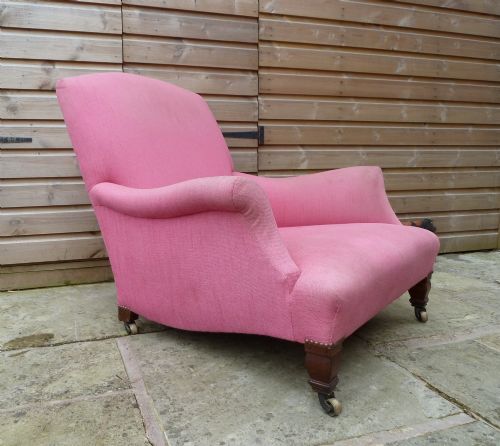
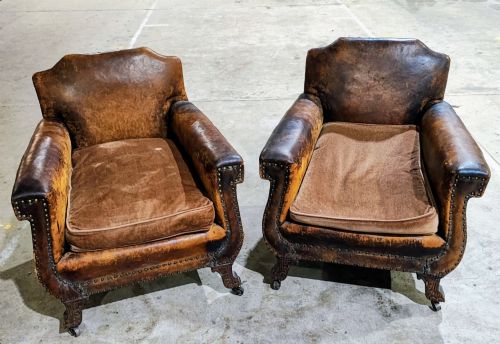
A traditional castor armchair is an upholstered seating form designed for libraries, studies and country house drawing rooms, appearing frequently in nineteenth-century, Victorian and Edwardian iterations. These pieces span deep-seated lounge designs, library armchairs and library bergères, often featuring low profiles and generous proportions built for long periods of reading.
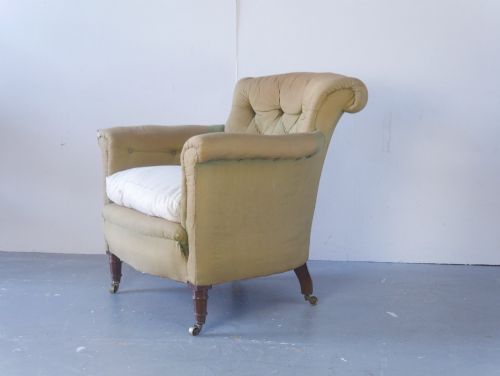
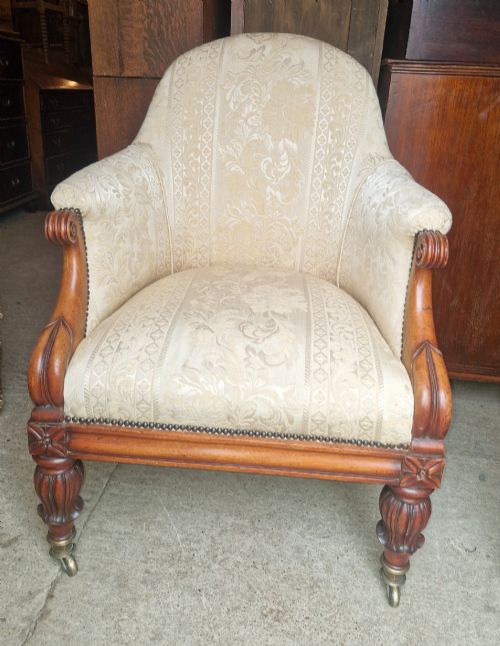
The selections available on this page run from Regency mahogany framed library chairs and William IV styles to Edwardian deep-seated models and Howard and Sons armchairs. You will encounter button-back upholstery, open arms and Bridgewater forms, alongside side chairs and slipper chairs fitted with the characteristic small wheels.
Makers such as Howard and Sons, Gillows, Morris and Co by George Jack, and Morison and Co define the upper tiers of these listings. Regional country house examples from Scotland and England sit alongside French Art Deco and English Regency pieces, showing how varied these seating forms remain across periods.
Materials and construction
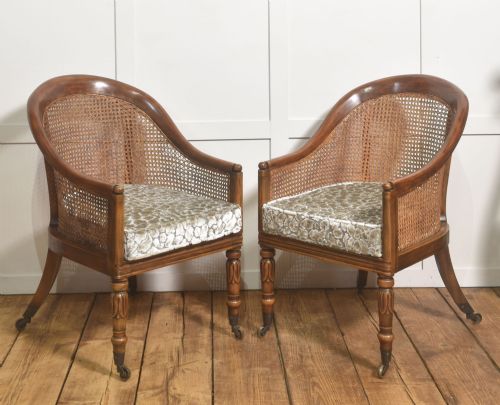
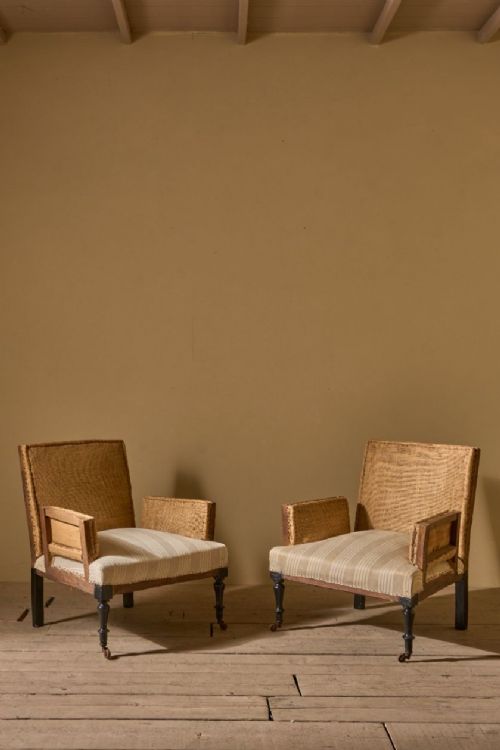
Frames rely on sturdy hardwoods such as mahogany and golden oak, providing the structural skeleton necessary to support deep upholstery and heavy daily use. Caned panels appear on select Regency bergères, combining woven natural materials with polished timber framing.
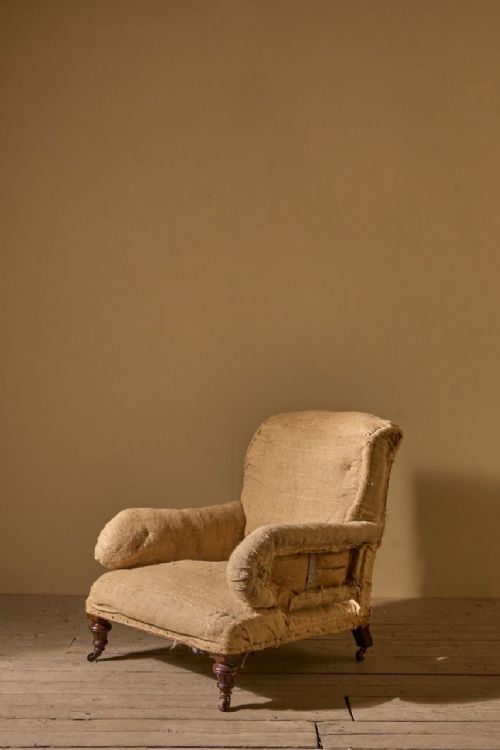
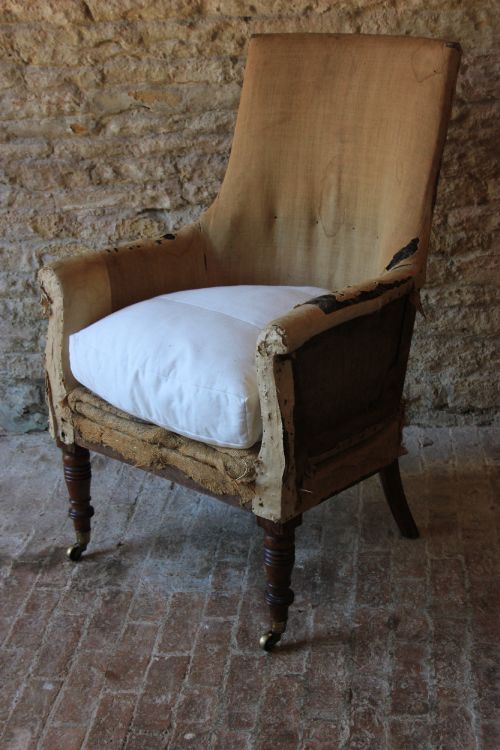
Upholstery foundations utilise traditional stuffing materials housed beneath calico, hessian and fabric covers. Outer layers encompass rich leather, wool plaids and specialist cottons, secured with traditional buttoning techniques where appropriate to the period.
Castor mechanisms incorporate turned brass fittings attached to the base of the wooden legs, allowing heavy seating to move smoothly across carpets and wooden floors without damaging the surface.
Listings feature periods spanning from the Regency era through the Victorian and Edwardian decades into the 1930s.
Evaluating quality and execution
The distinction between standard workshop production and premier cabinet-making lies in the timber selection and the precision of the frame joinery. Superior library chairs utilise dense, well-figured mahogany or oak that maintains structural integrity under sustained weight.
Upholstery execution dictates the longevity and comfort of the piece, with professional hand-tucking, supportive internal webbing and high-grade leather or fabric elevating the finish. Maker attribution significantly shifts the standing of a piece, particularly stamped or paper-labelled furniture originating from established firms.
Proportion and stance separate ordinary seating from exceptional examples, where deep seats, raked backs and carefully turned legs create an innate balance. Original brass castors intact on all four legs add authenticity and complete the intended design of the maker.
Howard and Sons·Gillows·Morris and Co·Morison and Co
The Traditional Castor Armchair Glossary
- Castor
- A small wheel fitted to the foot of a chair leg to permit easy rolling movement across the floor. These fittings are commonly cast from brass on nineteenth-century seating.
- Bergère
- An enclosed upholstered armchair with a wooden frame where the sides are frequently filled with cane work. This French-inspired form gained popularity during the Regency and Victorian eras.
- Bridgewater
- A deeply comfortable armchair style characterised by low rolled arms and a sprung seat. The form is heavily associated with nineteenth-century makers like Howard and Sons.
- Reeded
- A decorative moulding consisting of parallel convex strips carved directly into the timber. This technique appears frequently on the legs and arm supports of Regency library chairs.
- Button back
- An upholstery style where depressions are formed in the padding by stitches pulled tight and anchored with fabric-covered buttons. This method secures internal stuffing while creating a geometric pattern.
Traditional Castor Armchair: Frequently Asked Questions
What defines a traditional castor armchair?
A traditional castor armchair is a period seating piece built with a hardwood frame and fitted with small wheels on the legs for mobility. These chairs originate primarily from the nineteenth and early twentieth centuries.
They combine deep, sprung upholstery with formal woodwork, serving as functional library chairs or comfortable lounge seating in period interiors.
How do I identify a Howard and Sons armchair?
Howard and Sons chairs are recognised by their exceptionally deep proportions, low rolled arms, and quality upholstery foundations. Many pieces carry maker stamps on the brass castors or upholstery webbing.
They represent some of the finest upholstered seating of the Victorian and Edwardian periods, prized for their unmatched comfort.
Where were these armchairs originally used?
These armchairs were traditionally placed in country house libraries, drawing rooms and studies where comfort and durability were paramount. They were designed for reading, writing and long hours of leisure.
Today, they transition easily into modern living spaces, adding historic character and functional seating to studies and sitting rooms.
Are these chairs suitable for daily use?
Yes, these period armchairs are built with robust hardwood frames and traditional sprung foundations designed to withstand regular sitting. Their sturdy construction ensures they remain practical for everyday life.
Properly maintained leather and fabric upholstery will endure routine domestic use while retaining its original aesthetic appeal.