





Traditional Cane Furniture
Traditional cane furniture brings tactile warmth into a room through woven panels framed in mahogany, oak, walnut and bamboo.
Traditional Cane Furniture
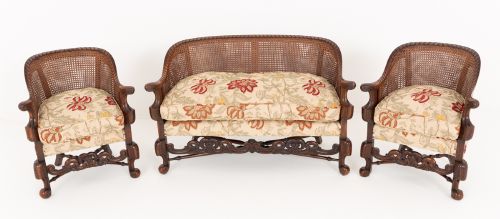
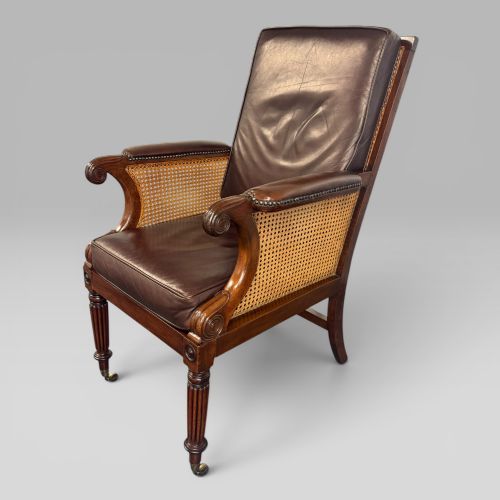
Traditional cane furniture comprises seating and hall stands spanning the nineteenth and early twentieth centuries, featuring woven cane panels paired with hardwoods like mahogany and oak. Buyers seeking traditional cane furniture encounter diverse forms including library armchairs, bergere suites, dining sets, child high chairs and umbrella stands.
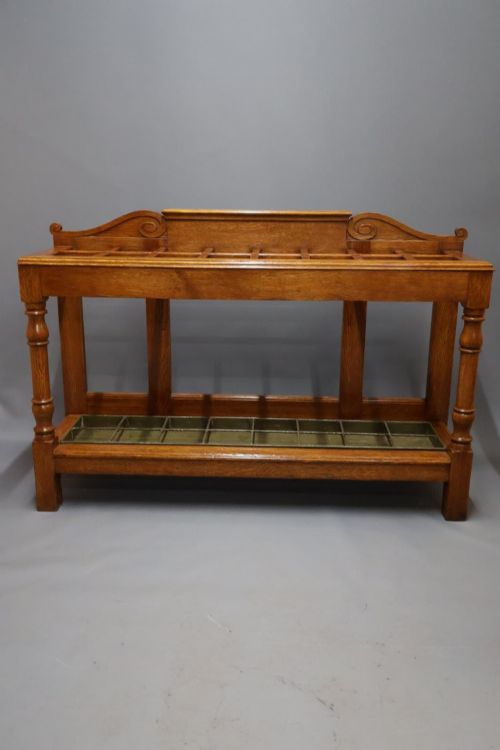
Seating forms range from Regency library armchairs and Carolean style bergere suites to Victorian side chairs and Arts and Crafts oak designs. Hallway storage pieces appear frequently, combining wooden frames with metal, brass and cane for walking stick and umbrella stands.
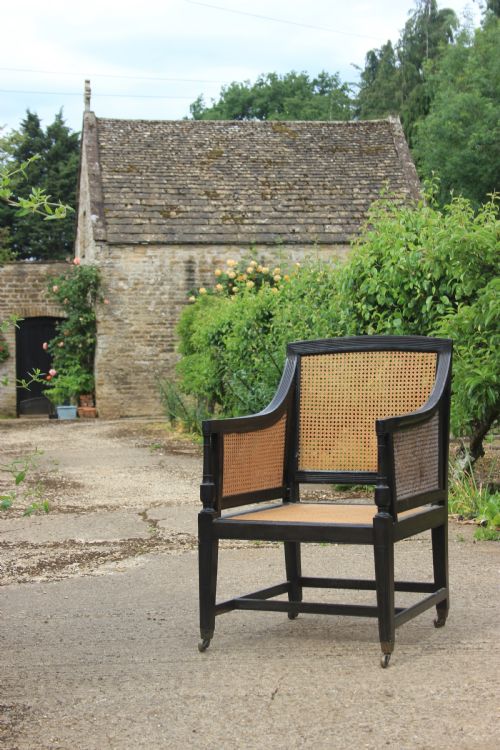
Origins and aesthetics stretch across English country house styles, Oriental lacquered pieces, and Anglo-Indian Regency influences. The material unites varied epochs, from seventeenth-century inspired oak frames up to early twentieth-century bamboo and ebonised child furniture.
How traditional cane furniture was made
Craftsmen built structural frames from solid timbers including mahogany, walnut, oak and ebony, alongside bamboo and metal components. Frames utilise traditional joinery to support tensioned woven cane panels across seats, backs and side inserts.
Surface treatments vary according to style, incorporating carved details, bobbin turning, lacquering and ebonising. Brass and cast iron fittings integrate into umbrella stands and library chairs to reinforce structural points.
Traditional Cane Furniture Retail Price Guide 2026
Typical asking prices for traditional cane furniture among the pieces listed under this phrase on Sellingantiques today, from the lower quarter to the upper quarter. They describe what is for sale here now, not the wider market.
Nineteenth-century makers thoughtfully designed miniature child carriages and highchairs from bamboo and cane so toddlers could join the family promenade in style.
What varies in quality in traditional cane furniture
Quality depends upon the tightness and regularity of the hand-woven cane mesh and the selection of cabinet timbers such as figured mahogany or quarter-sawn oak. Superior examples exhibit refined frame carving, sound joinery and balanced proportions across complex suites and armchairs.
The integrity of the woven panels relative to the rigidity of the surrounding wooden framework dictates the physical resilience of each piece. Finer items maintain original structural harmony between the turned or carved supports and the woven inserts.
The Traditional Cane Furniture Glossary
- Bergere
- An upholstered armchair with enclosed cane sides and back panels. It originated in France and gained popularity in Regency and Victorian British interiors.
- Canework
- The craft of weaving split rattan or cane strips into decorative, supportive panels for seating and furniture inserts. This technique provides flexible yet durable surfaces.
- Bobbin turned
- A method of woodturning that creates a series of rounded, spool-like shapes along furniture legs or stretchers. It is frequently seen on nineteenth-century seating.
- Ebonisation
- A chemical or finishing process that darkens light timber to imitate ebony. This technique appears on Regency and later nineteenth-century dining and library chairs.
Traditional Cane Furniture: Frequently Asked Questions
How do I clean cane furniture?
Dust cane panels gently using a soft brush to prevent debris accumulating within the woven holes. Wipe wooden frames with a dry cloth and apply occasional mild wax to nourish the timber.
Avoid soaking cane in water, as excessive moisture causes the natural fibres to weaken and snap. Maintain moderate room humidity to keep the cane pliable.
Can broken cane be repaired?
Skilled artisans can re-weave damaged sections of hand-caned panels using traditional rattan strands matched to the original gauge. Professional restoration ensures the tension remains even across the entire panel.
Partial repairs often blend successfully into older chairs and bergere suites without requiring complete replacement of the surrounding mesh.
Where were umbrella stands placed?
Umbrella and stick stands sat primarily in entrance halls, boot rooms and corridors of nineteenth-century country houses. They provided immediate storage for wet walking sticks and umbrellas upon entering the home.
Many incorporate brass drip pans or metal trays at the base to protect wooden floors from moisture.
Are bergere chairs comfortable?
Bergere armchairs offer supportive seating through rigid wooden frames paired with slightly flexible cane back and side panels. They often accommodate loose squab cushions upholstered in fabric or leather for seat comfort.
Their upright proportions make them suitable for reading and library use.