



Traditional Cane Chair
A traditional cane chair brings woven natural texture and sturdy timber frames into a room, offering both reliable support and historical character.
Traditional Cane Chair
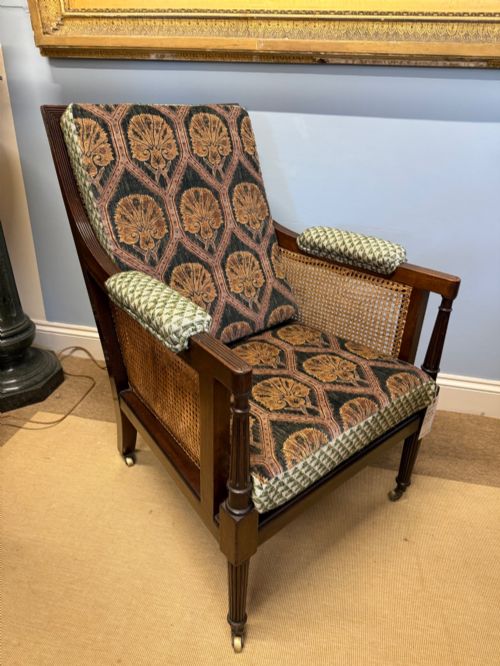
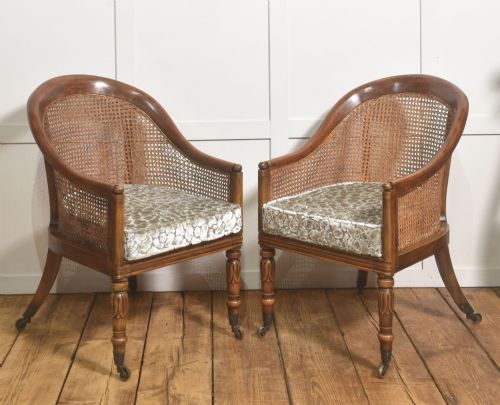
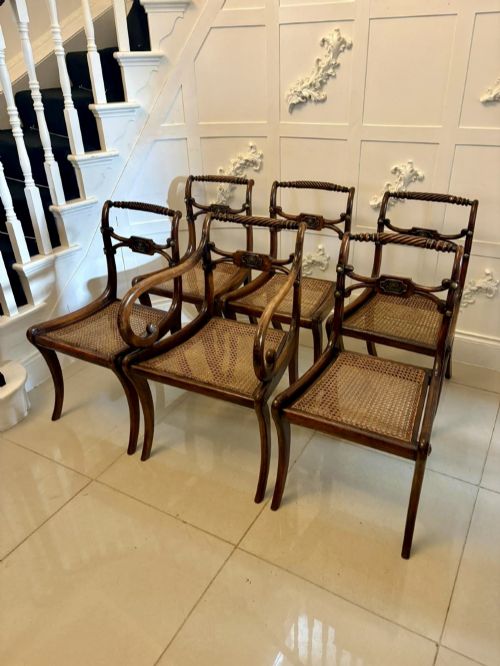
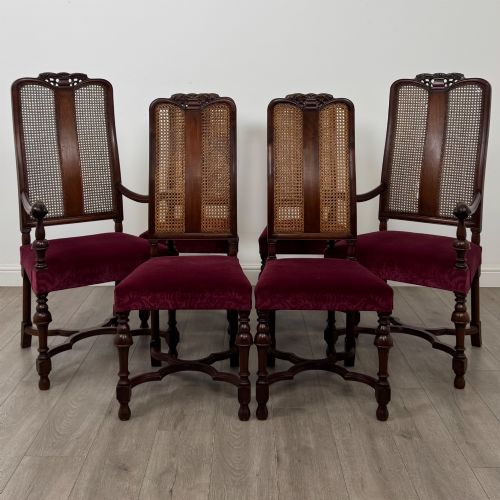
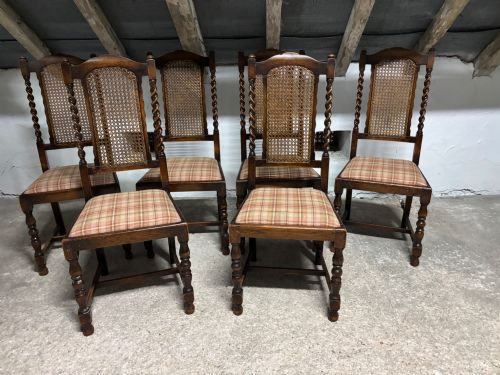
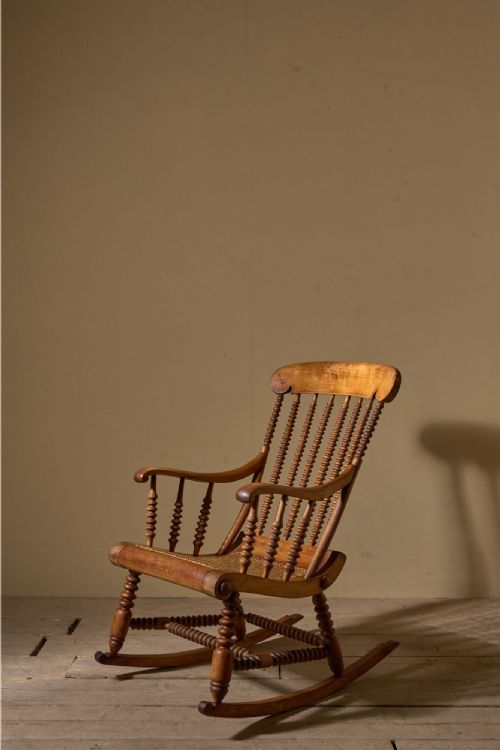
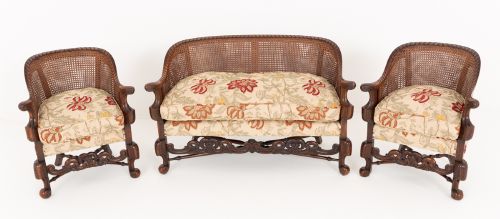
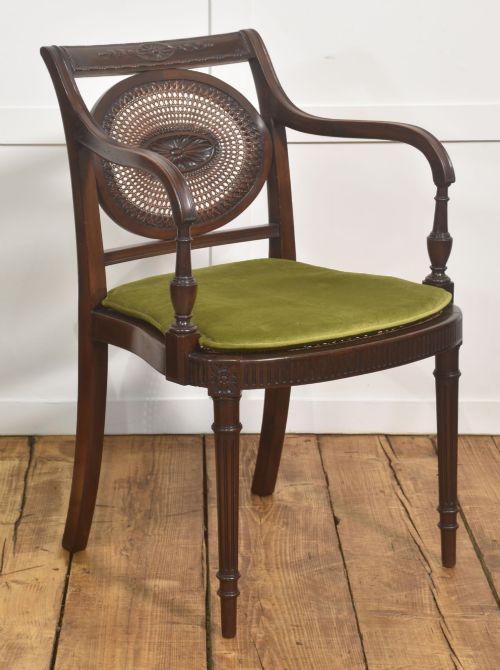
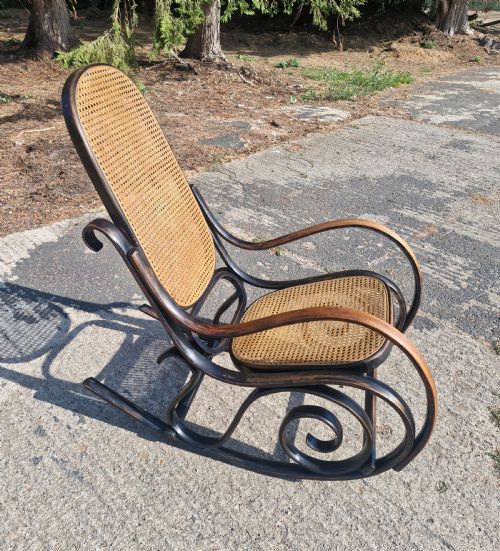
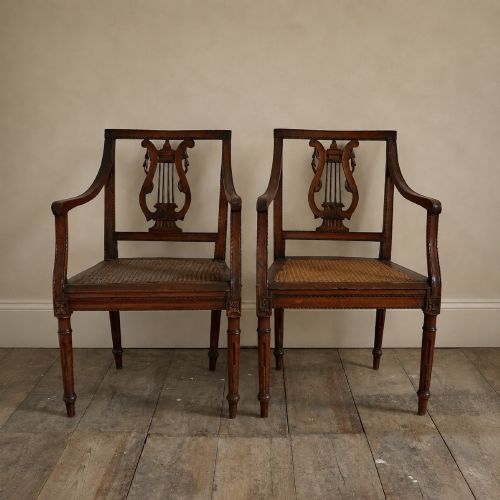
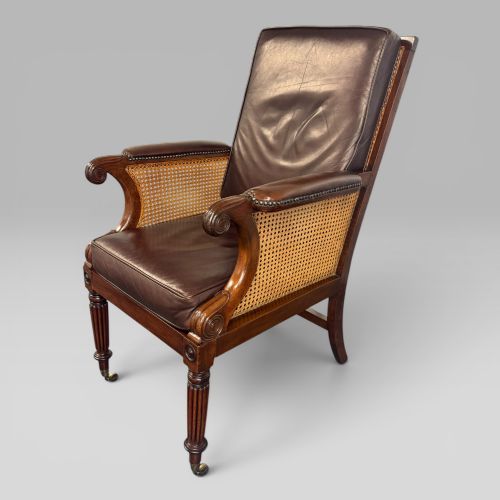
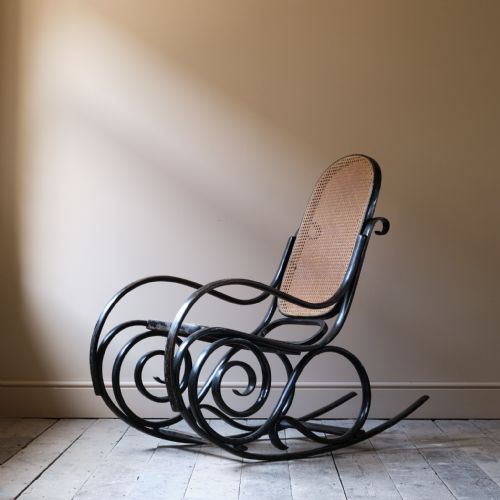
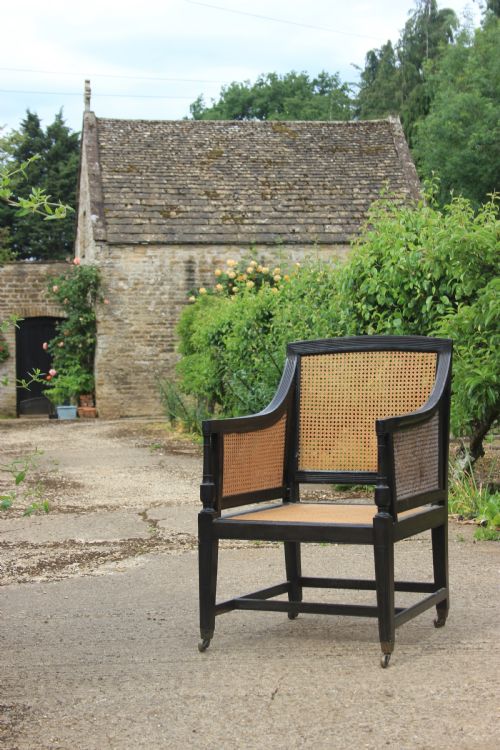
When you search for a traditional cane chair, you encounter a wide variety of timber frames and woven seating surfaces spanning several centuries. The selections range from Regency dining sets and library armchairs to Victorian rocking chairs and children's high chairs.
Mahogany frames from the nineteenth century predominate on this page, often reflecting Regency or Victorian styling with curved backs and open arms. Oak, walnut, and ebonised timbers also appear frequently alongside lighter bentwood constructions.
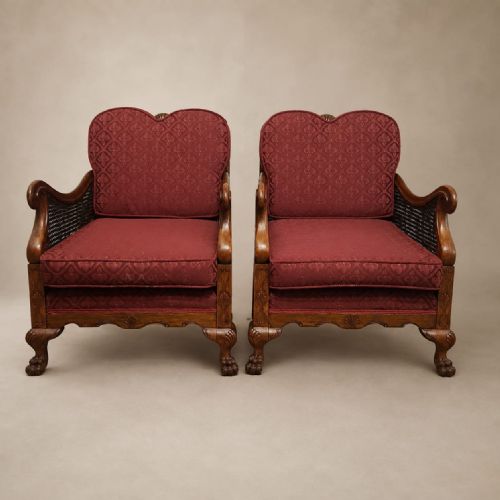
The woven elements take the form of traditional cane seats, split cane panels, and full bergere backs. These designs bridge formal library seating and relaxed English country styles.
Materials and construction methods
Construction relies heavily on dense hardwoods such as mahogany, oak, and walnut to form durable structural frames that support daily use. Brass accents and upholstered cushions in velvet, leather, and fabric occasionally supplement the timber and cane components.
The defining feature of these pieces is the woven cane work, which requires skilled hand-piercing and threading through drilled frame channels. Bentwood techniques also appear in specific rocking and lounge forms, utilising steam-bent timber to create continuous curves.
Traditional Cane Chair Retail Price Guide 2026
Typical asking prices for traditional cane chair among the pieces listed under this phrase on Sellingantiques today, from the lower quarter to the upper quarter. They describe what is for sale here now, not the wider market.
Several miniature high chairs and children's seats appear alongside full-sized library armchairs and dining suites.
Distinctions in construction and finish
Quality depends directly on the tightness and uniformity of the cane weave, alongside the structural integrity of the underlying timber frame. Finer examples display meticulous hand-carving on mahogany or walnut, whereas simpler utilitarian versions rely on plain turned spindles.
The proportion and balance of the frame dictate the overall success of the piece, particularly in library armchairs and dining sets. Original surface patination on the wood further separates superior survivals from heavily restored alternatives.
The Traditional Cane Chair Glossary
- Bergere
- An enclosed upholstered armchair with wooden framing, often featuring cane panels on the back and sides.
- Caning
- The practice of weaving rattan or split cane material to form flexible, breathable seats and backrests.
- Carver
- An armchair designed with elbow rests, traditionally placed at the head of a dining table alongside matching single chairs.
- Tub chair
- A deep-seated chair with a continuous curved back and arms that form a protective enclosure.
- Klismos
- An ancient Greek chair shape revived during the Regency period, characterised by sweeping concave back rails and splayed legs.
Traditional Cane Chair: Frequently Asked Questions
How do I care for cane seating?
Keep woven cane panels supple by wiping them lightly with a damp cloth every few months to prevent the natural material from drying out and snapping.
Avoid placing these chairs directly next to intense heat sources or in harsh sunlight, which accelerates the deterioration of the plant fibres.
Are these chairs suitable for daily use?
Most sturdy mahogany and oak frames remain perfectly capable of handling regular sitting, provided the woven panels are intact and well-tensioned.
Adding a custom seat cushion can reduce direct pressure on older cane work and extend the working lifespan of the weave.
How do I identify a Regency period chair?
Regency pieces often utilise dark mahogany timbers, clean classical lines, and decorative elements like reeded legs, brass mounts, or lyre-shaped back splats.
Many incorporate caned seats designed to remain cool, reflecting the classical influences popular during the early nineteenth century.