

Traditional Brown Bookcase
A traditional brown bookcase brings warmth and order to a room, offering sturdy timber shelving for centuries of literature.
Traditional Brown Bookcase
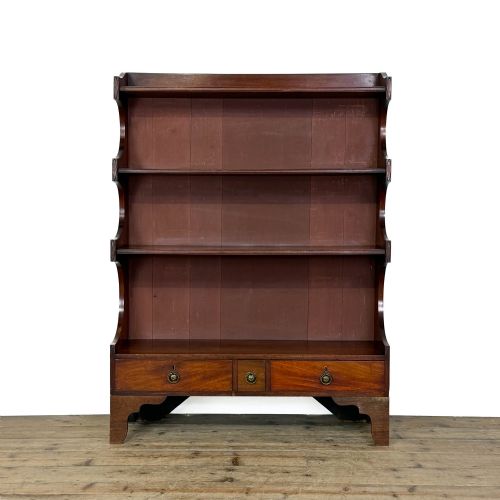
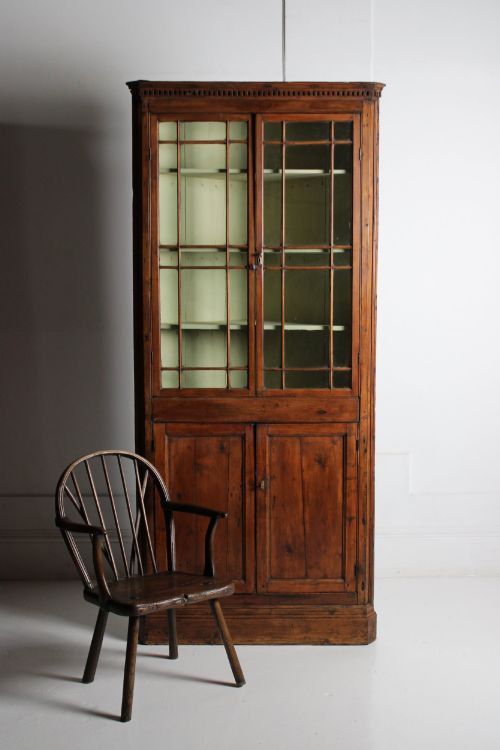
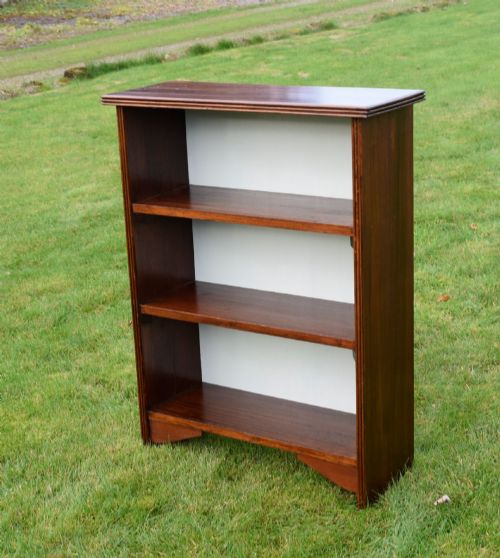
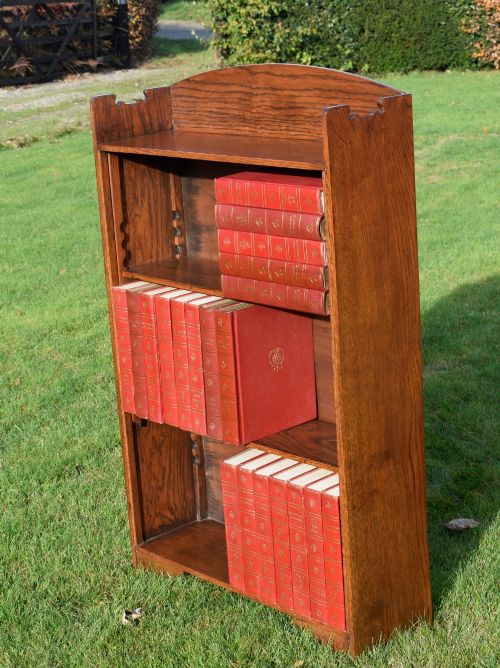
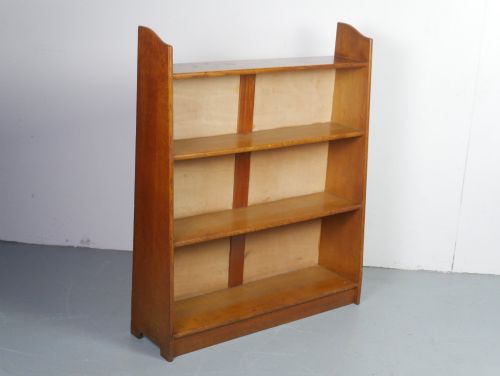
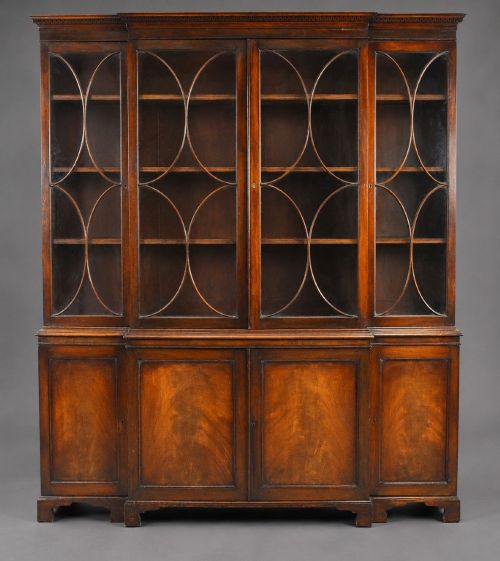
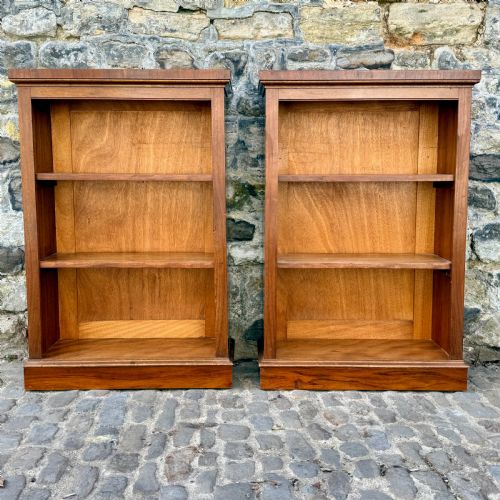
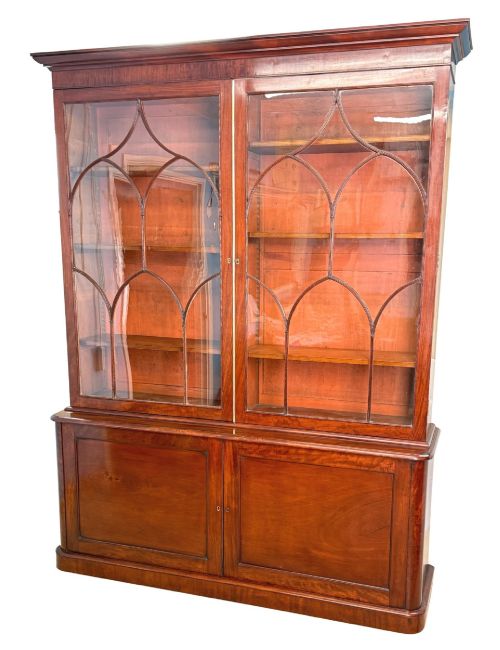
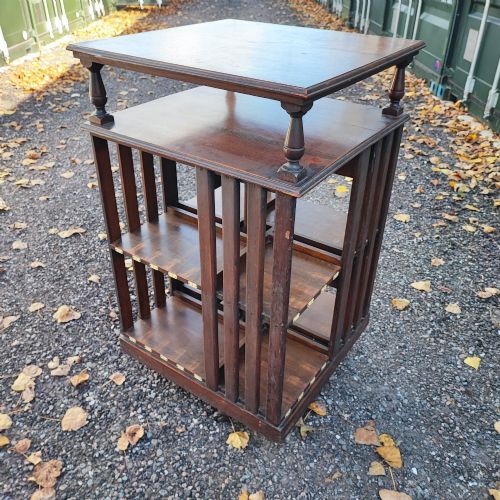
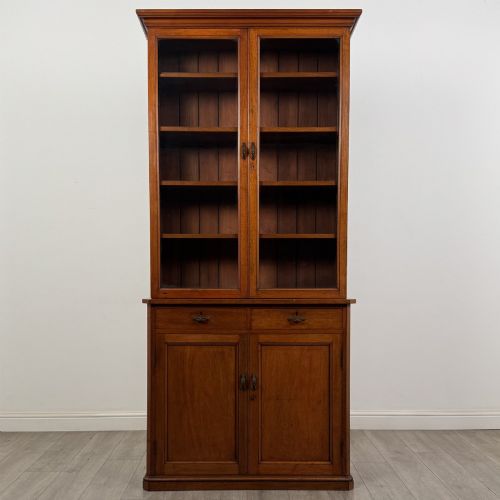
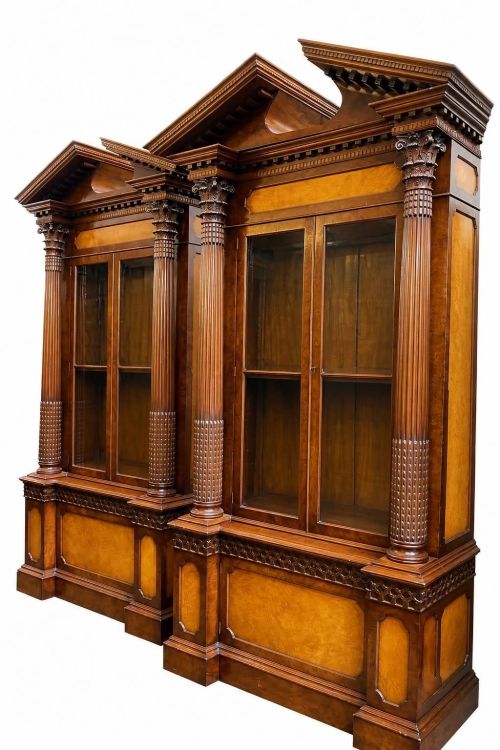
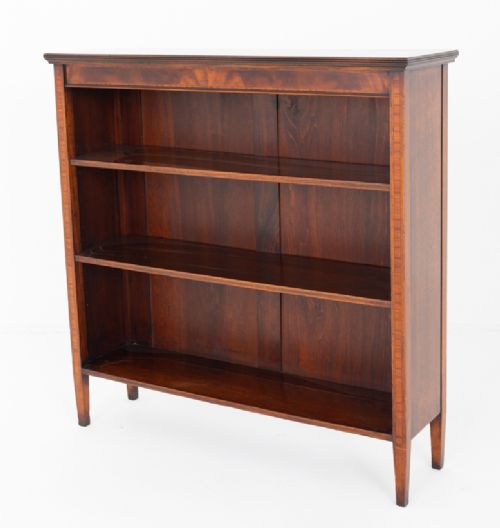
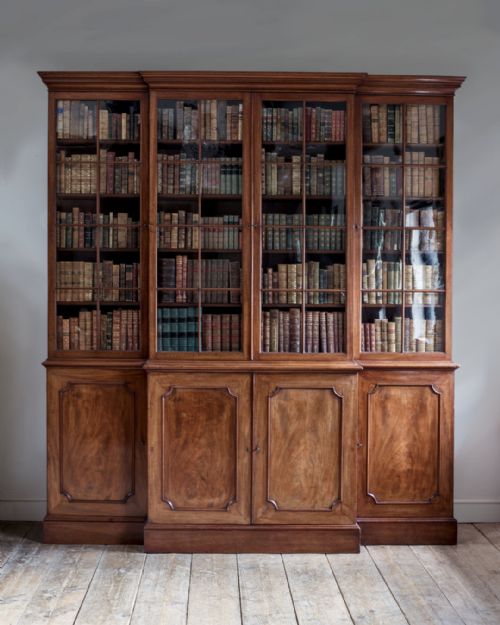
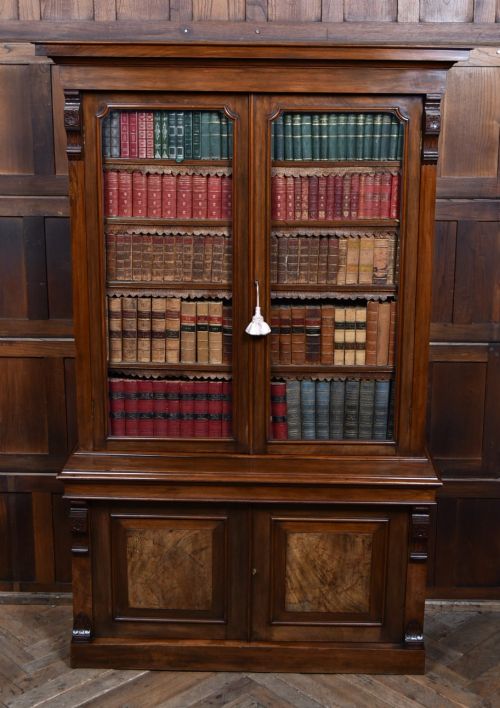
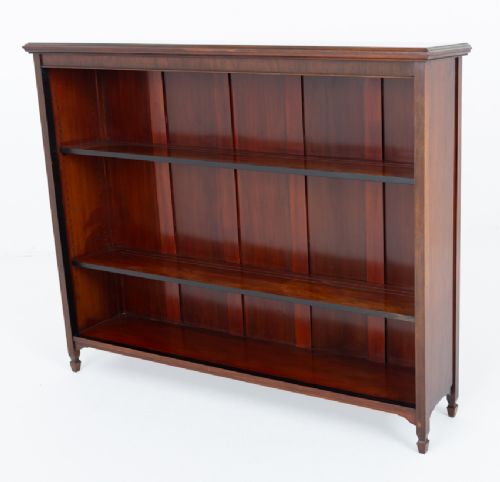
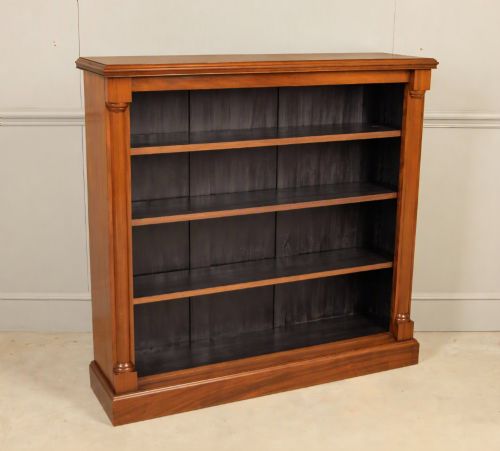
A traditional brown bookcase encompasses practical open shelving, glazed display cabinets, and fitted bureau bookcases designed to hold household libraries. When searching for a traditional brown bookcase, buyers encounter varied timber furniture originating from the nineteenth and early twentieth centuries. These storage pieces range from modest oak open units to large breakfront library furniture.
How they were made
Cabinet makers utilised dense hardwoods such as oak, mahogany, and walnut to construct durable shelving units and glazed cabinets capable of supporting heavy volumes. Joinery techniques involved precision framing, dovetailed joints for drawers, and fitted wooden tracks for movable shelving. Secondary timbers like pine often appeared on unexposed backs and internal linings.
Surface treatment relied on polished finishes, shellac, and natural waxes that accentuated the rich grain patterns of the brown timber. Glazed doors utilised brass hardware and wooden glazing bars to secure glass panes within the framework. Carved details, linenfold panels, and inlaid brass or lighter woods added decorative contrast to the solid carcass construction.
Traditional Brown Bookcase Retail Price Guide 2026
Typical asking prices for traditional brown bookcase among the pieces listed under this phrase on Sellingantiques today, from the lower quarter to the upper quarter. They describe what is for sale here now, not the wider market.
Listings span the nineteenth and twentieth centuries, featuring Victorian, Edwardian, and George III styles executed primarily in oak, mahogany, and walnut.
What varies in quality
The distinction between standard utility furniture and superior library pieces lies in the selection of timber figures and the precision of the joinery. Cabinet makers who utilised finely figured mahogany veneers or quarter-sawn oak achieved a richer visual depth across large unbroken surfaces. Fine examples display consistent colour matching in the timber and seamless integration of decorative carvings.
Structural integrity also separates workshop output, evident in the rigidity of the uprights and the smooth adjustment mechanisms of internal shelving. Superior pieces retain original brass fittings, unbroken glass panes, and well-executed secondary woodwork that withstands decades of domestic use.
The Traditional Brown Bookcase Glossary
- Breakfront
- A large cabinet design where the central section projects forward from the flanking wings. This configuration adds architectural presence to substantial library furniture.
- Barley Twist
- A turning technique resembling a spiralling rope shape used on furniture legs and supports. This decorative detail appeared frequently on Jacobean revival pieces.
- Bureau Bookcase
- A dual-purpose form combining a sloping writing desk below with enclosed shelving above. The desk section typically drops open to reveal pigeonholes and small drawers.
- Gallery
- A low decorative rail or raised border positioned along the top edge of a shelf or cabinet. It served to keep items secure on the upper surface.
- Linenfold
- A carved wood panel motif imitating the folds of stiff fabric. This design feature recurs on Edwardian oak cabinetry.
Traditional Brown Bookcase: Frequently Asked Questions
How do I choose the right size?
Measure your available wall space and consider the depth required for your book collection. Open shelving suits smaller rooms, whilst breakfront units demand significant clearance.
Take note of ceiling heights if you intend to house tall library pieces or cabinets with decorative cornices. Adjustable shelving provides flexibility for housing volumes of varying heights.
Are these bookcases made of solid wood?
Most pieces feature solid timbers such as oak, mahogany, or walnut for the main structural frame, shelves, and exterior mouldings. Some larger library units utilise stable secondary woods for internal panels.
Finer decorative surfaces occasionally incorporate wood veneers over a solid core to display striking grain patterns. Inspecting the edges and interior construction helps identify the primary materials used.
How should I care for my bookcase?
Position your timber furniture away from direct sunlight and strong heat sources to prevent the wood from drying out. Dust regularly with a dry cloth and apply occasional natural wax to maintain the polished finish.
Avoid placing damp items directly onto unsealed wooden surfaces to protect the traditional polish. Ensure heavy volumes are distributed evenly across the shelves to maintain structural balance.